

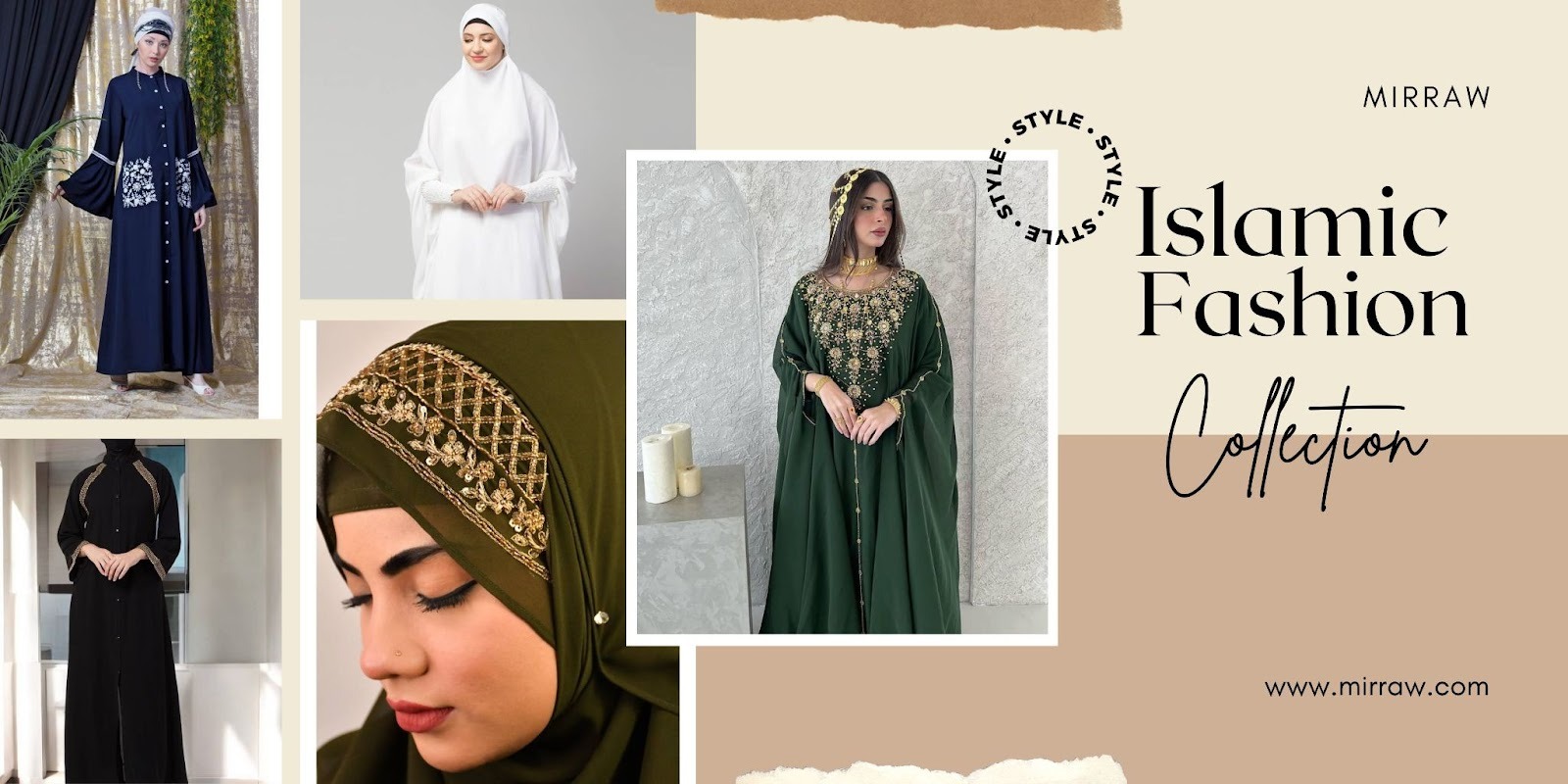
Islamic clothing is a dressing style mainly worn by Muslims that follows the codes and conduct of the Islamic religion. While there have been many controversial opinions about it, the essence of Islamic clothing is deeply rooted in modesty and a desire not to draw attention to oneself. Modesty has been the cornerstone of Islam since its inception in the 7th century. Muslim men and women proudly wear this clothing as a show of respect to the principles of their religion. For women, modest clothing includes the Hijab, Abaya, Jilbab, Khimar, Niqab, and Burqa. Thobe, Kameez, and Kufi are some common Islamic men’s clothing items.
However, why is modesty so important in Islam? A fundamental aspect of Muslim teaching, modesty extends beyond fashion – it actually refers to promoting self-respect and humility, both in dress and behavior. The religion’s aim is not limited to personal value, but it sees modesty as a societal norm that needs to be followed to achieve communal dignity. Dressing modestly takes away the attention from the person’s appearance and shifts focus to internal values instead. Thus, a Muslim person is valued for their inner qualities, not just their external appearance, when dressing modestly.
Islam places special emphasis on men and women dressing modestly and behaving with dignity. However, it doesn’t have a set of guidelines that followers must follow. Hence, every culture and country has its own take on Islamic clothing. The differences are heavily influenced by the climate, historical influences, and societal norms. However, many don’t know that Islamic clothing and modest fashion are two different entities. Trendy modest clothing refers to covered, non-body-hugging clothing designed to create a sense of comfort and confidence for people of all beliefs. On the other hand, Islamic clothing is a specific form of clothing that is directed by the Islamic principles to promote Muslim values.
The Fantastic History Of Islamic Clothing
One of the most visible aspects of the Islamic religion is the modest clothing donned by its followers. The roots of this clothing can be tied back to the advent of Islam itself, in the 7th century. At that time, traditional Islamic clothing was heavily influenced by Middle Eastern dresses. They were typically loose-fitting and covered the body from head to toe. The aim of these garments was not just modesty, but also to protect the wearers from the harsh desert climate.
As Islam spread across the world, Islamic clothing evolved as well. It absorbed the local climate, customs, and history of the region. Some major regional influences on the Muslim clothing include:
- The Middle East: Arabs traditional clothing in the Middle East is renowned for its luxurious yet modest style. The Abaya is commonly worn in Saudi Arabia and the UAE and features intricate embroidery as well as beadwork. Men wear the Thobe, which is an ankle-length garment usually in white or neutral colors.
- South Asia: Typical Muslim clothing in South Asia is known for its vibrant colors, luxurious fabrics, and exquisite craftsmanship. Garments such as Shalwar Kameez, Kurta, Sherwani, and Jubba are popular. There are amazing regional variations as well. Case in point– the Pheran, a loose tunic worn in Kashmir, and Lacha, a sarong-style skirt worn by peasants.
- North Africa: North African Islamic clothing is a testament to the cultural diversity of the region. It is defined by the Djellaba, a loose garment that features a hooded design and is unisex. Hijabs and headwraps with colorful fabrics and intricate embroideries are also popular. The Kufi is a traditional African cap worn by men that symbolises religious devotion.
The modern Islamic clothing has beautifully evolved along with contemporary trends while keeping the modesty intact. Instead of being defined by traditional styles, modern designers have adapted this clothing for a modern look. Textiles such as lightweight fabrics, stretch fabrics, and performance fabrics are all the rage now. The popularity of Islamic clothing is such that even non-Muslims have begun to adapt it in forms of Kaftans, Hijabs, and Thobes.
Exploring The World of Islamic Wear For Women
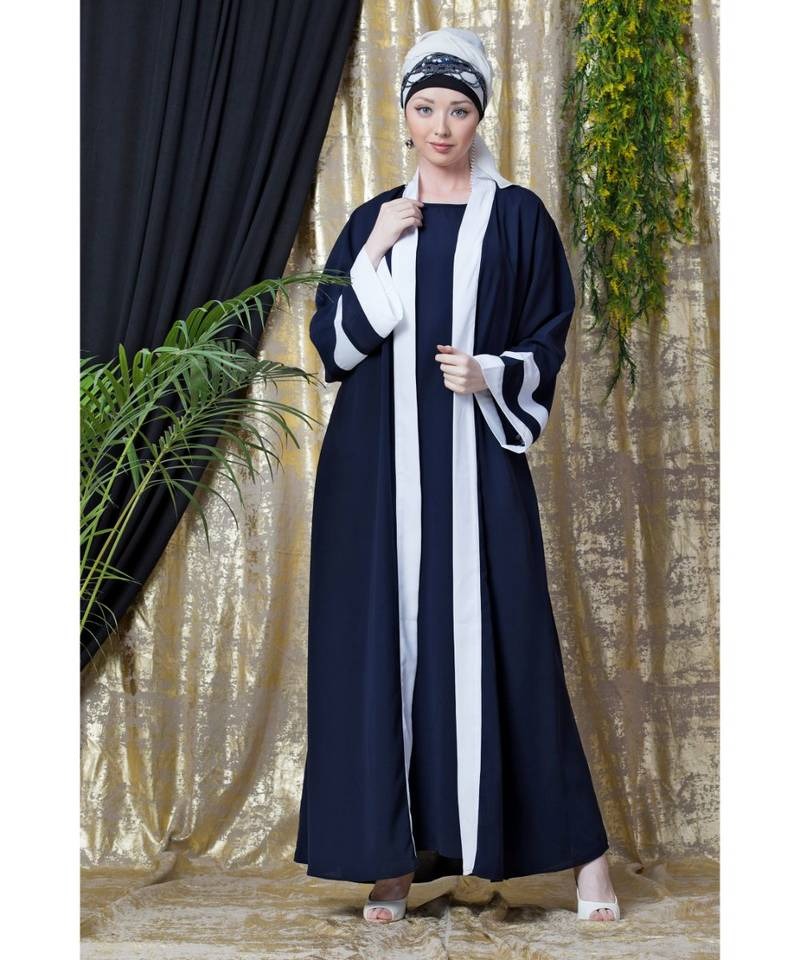
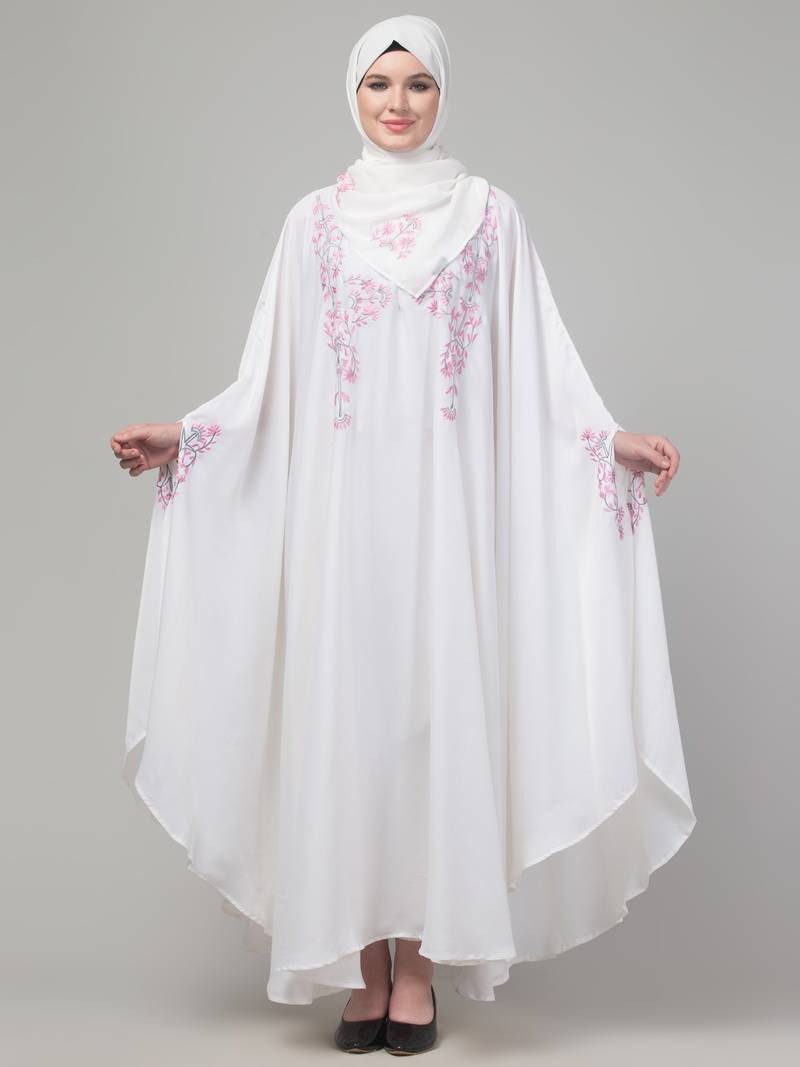
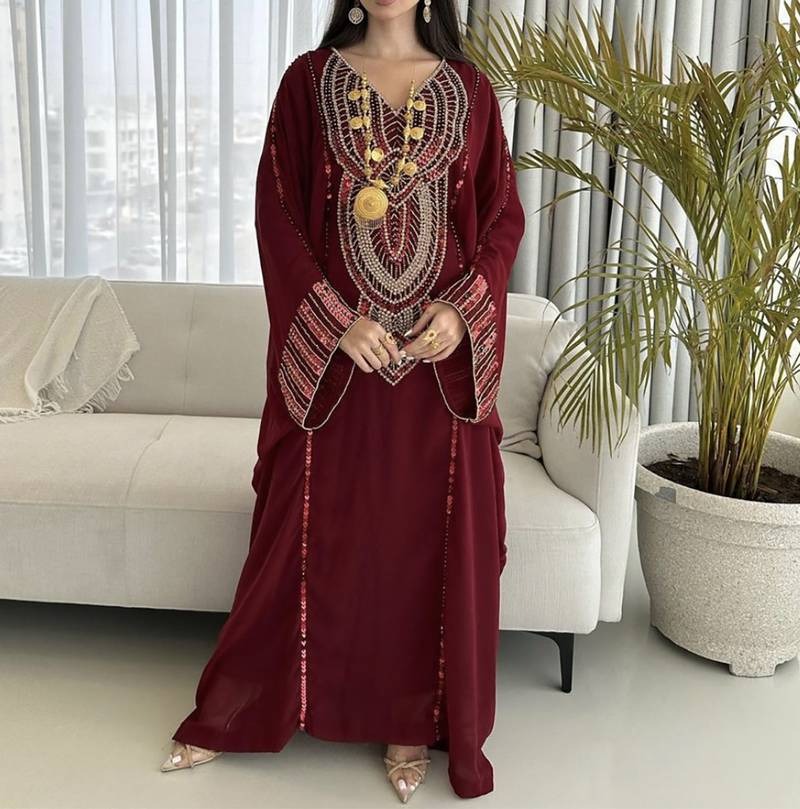
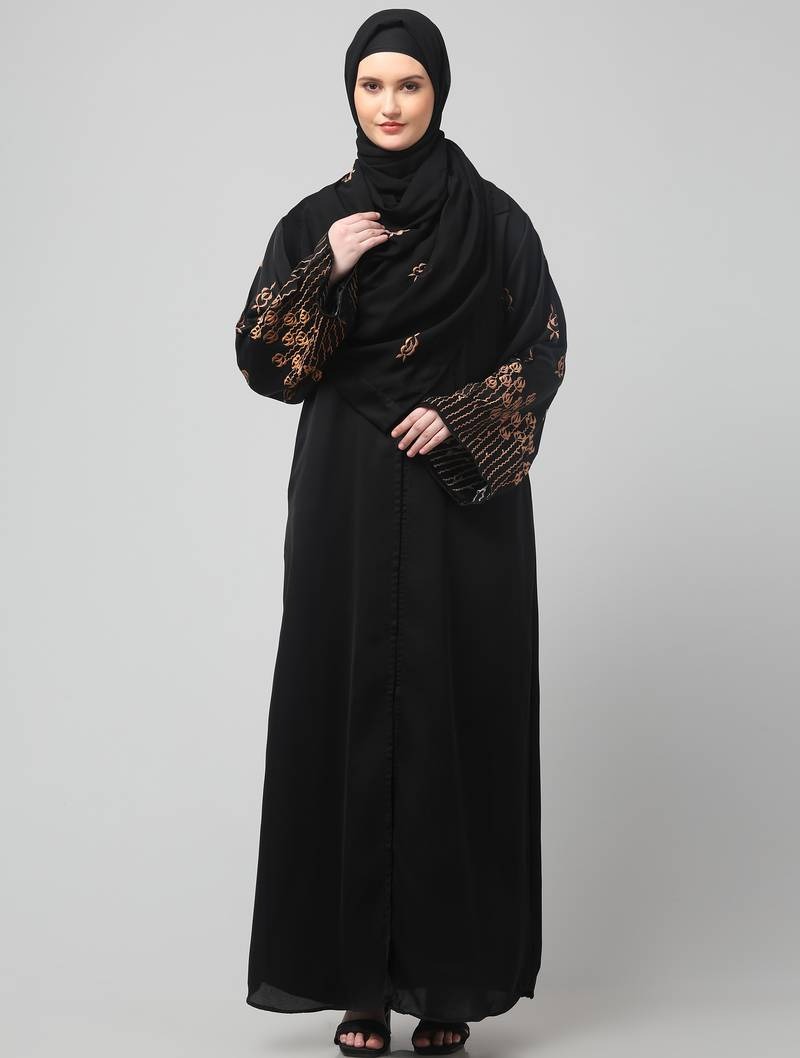
- Abaya: The Abaya is a loose overgarment that covers the entire body apart from the head, hands, and feet. Some of the popular Abaya styles are open front, close front, kimono, and layered Abayas. In today’s times, Abayas with intricate detailing on their sleeves, hem, or neckline have become popular. Also, tailored Abayas that offer a fitted look have also emerged. Some common Abaya fabrics include crepe, Nida, chiffon, and georgette.
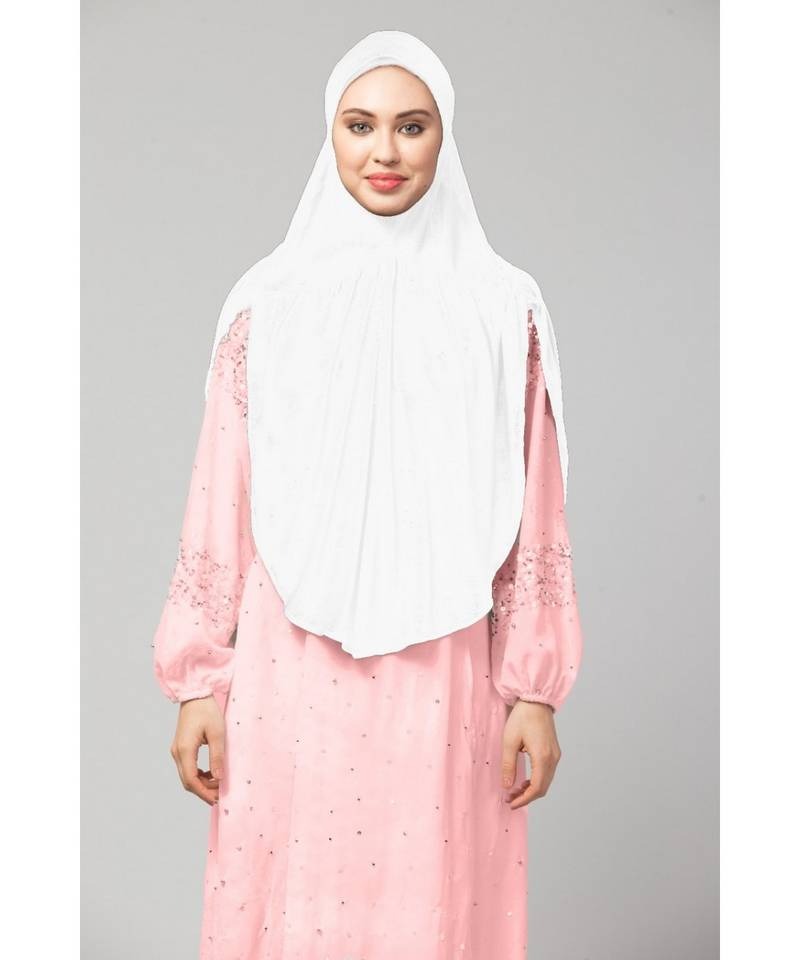
- Hijab: In Arabic, the word Hijab literally translates to curtain. It is a headcovering worn by women in modest clothing. Types of Hijab include the traditional version, which covers your head and neck while leaving the face uncovered, the Niqab, which leaves only the eyes uncovered, and the Khimar, which is flowy and covers your shoulders as well. Some common types of Hijab fabrics are chiffon, jersey, modal, satin silk, and cotton. The way the Hijab is wrapped is also varied. Some popular styles include the classic, the everyday wrap, the professional, the trendy, and the sleek.
- Niqab and Khimar: Niqab is a face veil that covers the entire face while leaving only the eyes open. However, it may also be paired with a separate eye veil. It is typically worn with an accompanying headscarf. Khimar, also called plurally as Khumar, is a covering that covers the entire upper body. It can be considered a top and has many styles, such as with sleeves, no sleeves, open neck, without a headband, closed neck, and more.
- Jilbab and Burqa: Burqa is a type of Islamic clothing that covers the entire body from the head to the toes. It usually comes with mesh or netting over the face so that women can see through it. On the other hand, a Jilbab is a type of outer garment that is worn over clothes. It can be compared to a long robe or cloak and comes in a variety of styles and colors.
- Dailywear Islamic Dresses: Everywear Muslim dresses not only focus on modesty but also on comfort. Some common types of Islamic dresses are Abayas, Salwar kameez, Kaftans, Tunics, Hijab, Niqabs, and Khimars.
Trending Modest Islamic Clothing For Men
- Thobe, Jubba, and Kandura: Thobe, which is also called Thawb, is a long, robe-like garment worn by men. It is typically ankle length, has long sleeves, and a loose fit. Some common styles of the Thobe are Saudi, Qatari, Yemeni, and Moroccan. Jubba refers to Islamic clothing worn for prayers or religious gatherings. Imams or elders wear decorative Jubbas for events at the mosque. Kandura is quite similar to the Thobe but is collarless and comes with a decorative cord called tarboosh or igal that hangs from the neckline.
- Kurta Pajama in Islamic Wear: The Kurta Pajama is considered to be a staple in a Muslim man’s wardrobe. It offers comfort, modesty, and style. These garments comprise a top (Kurta) and a bottom (pajama) and are supremely versatile. They come in both modern and traditional styles, hence you pick one that expresses your individuality as well as your cultural heritage.
- Islamic Caps: Muslim headwear like the Taqiyah and the Kufi are worn as a humble expression of faith rather than for fashion purposes. The Taqiyah is a rounded skull cap that is popular all over the Muslim world. It can be found in a variety of styles– from simple to ornate. Kufi is quite similar to the Taqiyah, but it is worn primarily in Africa. It is usually knitted or crocheted and features bold geometrical designs and elaborate patterns.
- Modest Clothing Guidelines For Men: While Islamic women’s guidelines are much talked about, Muslim men’s typical muslim clothing guidelines don’t receive much limelight. Here’s a quick overview of the same:
- Wear modest clothing. The attire should be loose enough so as not to hug the body in any shape or form. Many men’s Islamic clothing covers them from the head to the toes.
- Transparent clothing is strongly frowned upon. The thickness of the clothing should be such that it doesn’t show any skin color or the shape of the body.
- Covering the Awrah, which refers to the body parts from the navel to the knees, is highly important. This also includes covering one’s thighs.
- Trousers should be worn below the ankle as it shows respect towards both religion and modesty.
- Men are prohibited from wearing feminine clothing. The dress they wear should be completely masculine. This is the reason that they are not allowed to wear gold or silk, as they are considered to be women’s clothing items.
Islamic Clothing For Kids – A Quick Guide
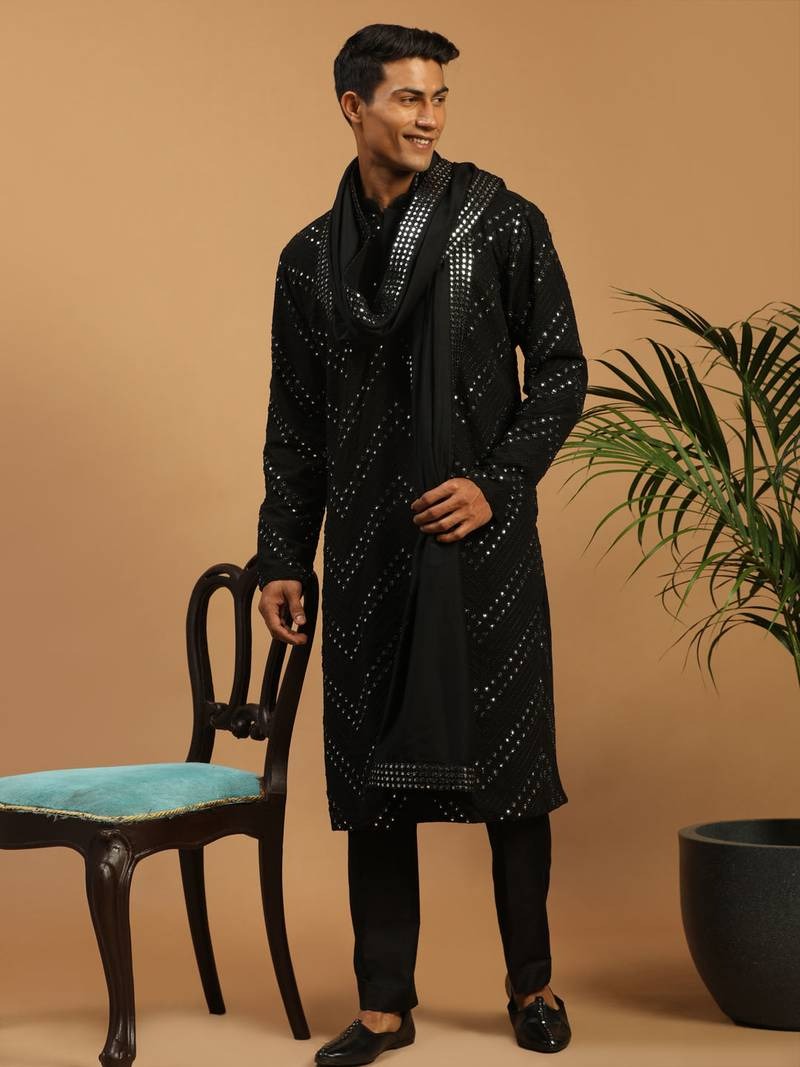
- Modest Clothing For Boys: The Thobe remains the most popular Modest clothing in Islam for boys. It can be worn on occasions such as Eid, Jummah, Madrasa, and Umrah. Kurta pajamas are preferred for daily wear. The kufi or Taqiyah is adorned during prayers or formal occasions. In North Africa, boys often wear Gandouras, which is a long, loose-fitted gown. In the Southeast, Baju Melayu, an ensemble consisting of a long-sleeved shirt and trousers, is popular. It is often worn with a samping (Wrapped cloth) and a songkuk (cap).
- Islamic Wear for Girls: Muslim young girls usually dress up in a full-length, loose-fitting Abaya. Another popular dress for girls is the Jilbab. Easy-slip-on style Hijabs are a wardrobe staple. Prayer dresses are lightweight, full-length garments designed specifically for Salah. Salwar Kameez is yet another modest yet comfortable option for girls. In Northern Africa, girls usually dress up in Kaftans or Djellabas, a long robe with a pointed hood. Whereas, in countries like Indonesia and Malaysia, kids prefer the Baju Kurung, which features a loose tunic over a long skirt.
- How Kids are Taught Modesty Through Clothing: One of the main responsibilities of a Muslim parent is to instill Islamic values in their kids from a young age. Through Islam clothes, young children can learn about self-respect and dignity as well as develop a strong moral compass. Girls from the ages of 4 to 7 can be introduced to the concept of modesty through storytelling and role-playing. For kids aged 8-12, open conversations and practical demonstrations are effective
- Eid Clothing Ideas For Children: Eid is undoubtedly the most important festival in Islam. If you are looking for some stylish yet modest fashion in Islam clothing ideas for your kids, we have got you covered. Here are some of the best Eid clothing ideas:
- Girls: The little beauties can wear an Abaya, kaftan, gowns, salwar kameez, and lehengas. Go for dresses in luxe fabrics like silk, satin, and velvet. When it’s Eid, you can go all out with the embellishments. Opt for attire bedecked in sequins, zari, or stones.
- Boys: Young boys can choose from demure Kurta Pajamas to regal Pathani suits. If they want to dress up in a traditional style, then a Thobe or a Bisht works wonders. Go for lightweight and easy-to-carry fabrics such as cotton, cotton-blends, and georgette.
Occasion-Wise Trendy and Modest Islamic Clothing
- Everyday Islamic Wear: Daily wear Islamic attire focuses on modesty, comfort, and self-expression. For women, clothing such as the Abaya, Kaftan, Salwar kameez and Hijab are popular. Men typically wear Thobes and Kurta Pajamas with traditional caps such as Taqiyah and kufis.
- For Prayer (Salah): Prayers are an integral part of a Muslim person’s life, and hence some choose to wear specific prayer clothes Islam for the same . For women, Abayas and Hijabs are common choices as they provide full body coverage. They also opt for specialized prayer dresses or two-piece prayer sets. Men usually dress up in Thawbs, kurtas, modest shirts, and loose trousers. Head coverings such as taqiyah (prayer cap), imamah (turban), or Keffiyeh are also recommended.
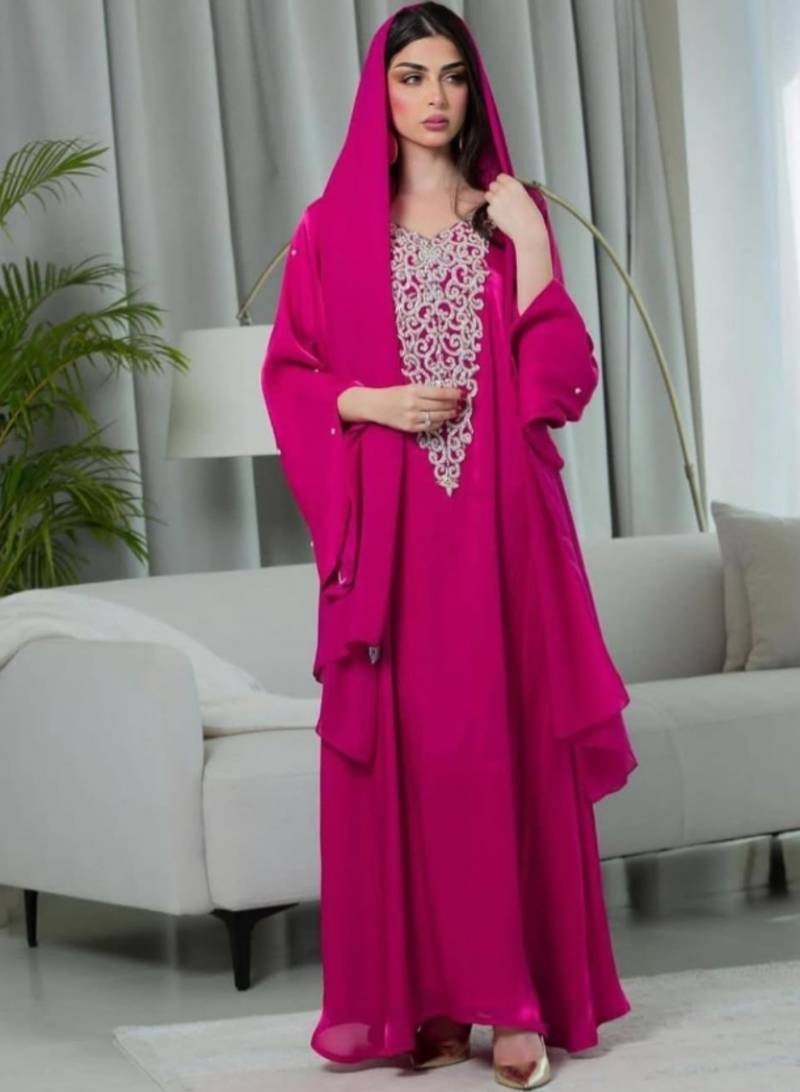
- Ramadan and Eid Outfits: These are the times when one can freely express oneself through fashion. Women opt for modest and elegant styles such as Anarkalis, Sharara, and Palazzos. These outfits are usually paired with Abayas, Kaftans, and capes. Men can pick dresses such as Sherwanis, Kurta Pajama with jacket, or Pathani suits to look modest yet regal.
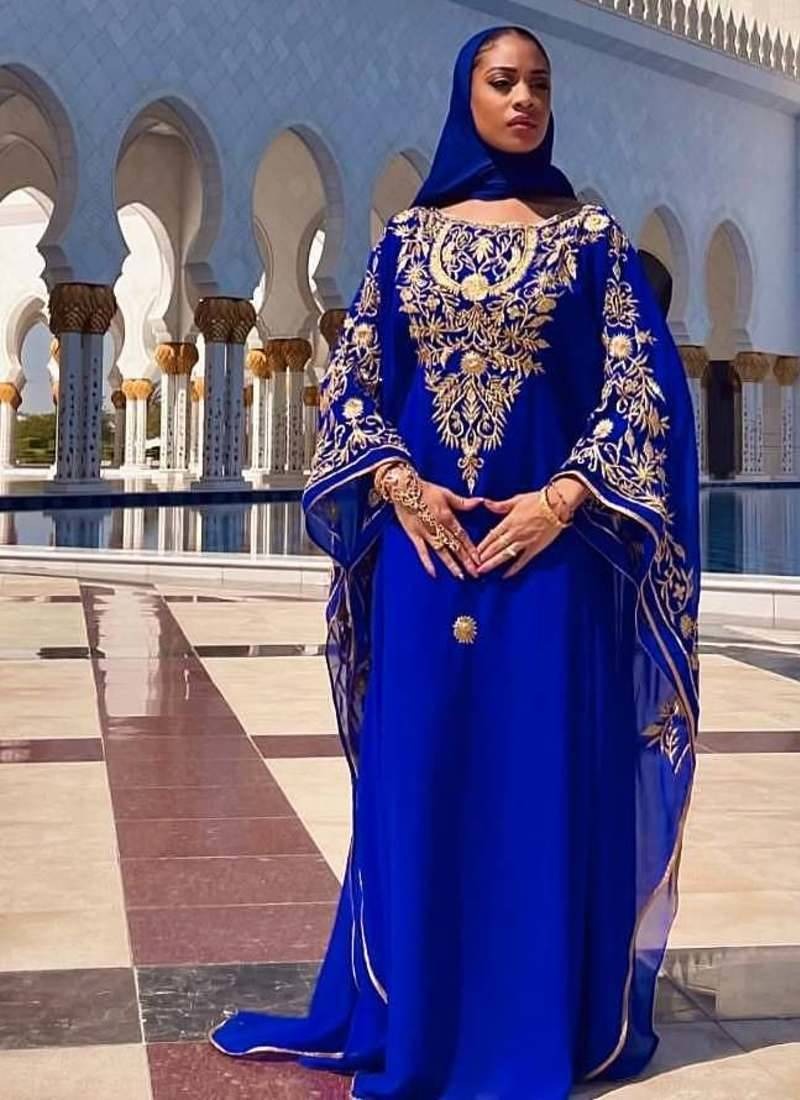
- Wedding Islamic Clothing: Weddings hold a special and important place in Islam. If you are the bride, then bridal abayas embellished with intricate embroidery, lace, or decorative details can help create a stunning, modest look. Kaftans are yet another wedding favorite due to their rich fabrics and vibrant colors. Sherwanis are a classic choice for men for Nikah or Walima ceremonies. Guests can opt for designer kurta pajamas or Pathani suits.
- Hajj and Umrah Clothing: In Islam, before a Muslim flies out to Saudi Arabia for Hajj or Umrah, they must enter the state of Ihram. This is a spiritual state that is closely tied to clothing. For men, the Ihram comprises two white seamless pieces of clothing. The Rida is the upper garment that covers the shoulders, while the Izar is the lower garment that covers the body from the navel to the ankles. For women, the rules are just to dress modestly, with attire that covers their entire body, except for the face and hands.
Interesting Islamic Styles From Around the World
- Middle East: Middle Eastern Islamic clothing is grand and luxurious. Garments like the Abaya, Hijab, and Thobe are commonly worn. The Abayas in countries such as Saudi Arabia and the UAE are grandiose and embellished with intricate embroidery and beading. Apart from these, Chador– a full body cloak is also seen. Some women also wear a Niqab or a face covering. For men, the Thobe, also known as Dishdasha or Kandora, is popular in these countries. Other garments like the Bisht, Jubba, Omani Dishdasha, Izar, and Keffiyah are commonly worn by men. These clothing ideas are mostly inspired by the loose and comfortable pre-Islamic arabia clothing.
- South Asia: South Asian Islamic clothing is renowned for blending tradition with modern flair seamlessly. The clothing here is more colorful with amazing use of fabrics and embroidery. Women usually wear a Shalwar Kameez, Hijab, and a South Asian style Burqa. However, many women opt for a dupatta over the head instead of a formal Hijab. Shalwar Kameez is a popular attire for men as well in this part of the world. Apart from this, Sadri (men’s waistcoat), Perahan Tunban, Chapan, Prayer Cap, and Turbans are also seen.
- Africa: Traditional dress of Muslims in Africa is instantly recognizable due to its flowing form and detailed embroidery. Men are often seen wearing a Djellaba – a hooded robe with a long pointed cap called Qob. Apart from this, garments like Macawiis Sarong, Khamees Shirt, Fiqi shawl, Gandoura, and Boubou are popular in the various parts of the continent. Women across Africa are seen wearing colorful kaftans, Takchitas, and layered gowns.
- The Western World: Islamic clothing in the Western world is the perfect blend of tradition and contemporary fashion. We can see trends such as vibrant colors, diverse fabrics, and intricate designs in the clothing. Women are embracing black abayas, wide-legged trousers, modern tunics, and flowing kaftans. In menswear, we can see clothing items like the Tech Thobe in London and Two-Piece Jubba sets in South America.
The Fantastic Fabrics Used In Islamic Clothing
- Breathable Fabrics: With many Islamic countries having a hot and dry climate, it is highly pertinent that the fabric used for crafting muslim traditional attire be breathable and easy to carry. The fabrics need to be light and airy as well as adhere to the Islamic rules. Some common fabrics used are georgette, chiffon, viscose, Nida, and crepe.
- Summer vs Winter Fabrics: For the summer, go with fabrics that are breathable, light, and comfortable. Chiffon, linen, and cotton work especially well for this season. In the winter, you need to choose fabrics that provide warmth as well as elegance. Fabrics such as wool-blends and velvets are the top picks for winter.
- Sustainable Fabrics: With ethical fashion being the need of the hour, many designers have turned to using sustainable fabrics in Islamic clothing. We are seeing more and more usage of natural fibres such as cotton, linen, and bamboo. These fabrics are recyclable and cause low environmental impact. Fashion and Islam continue to evolve side by side.
How To Choose The Right Islamic Clothing
- Islamic Clothing Guidelines:
- Modesty: The Quran states that women must cover all their body parts except for their faces or hands. Some women also cover their faces with a veil or Niqab. When it comes to men, the body between the navel and the knees should be covered. Apart from this, having a bare chest is also frowned upon.
- Looseness: In Islam, it is pertinent that your clothing doesn’t show the outline or shape of your body– hence it has to be very loose. Skin-tight body-hugging clothes are a big no for both men and women.
- Thickness: See-through clothing isn’t considered modest as per Islamic standards. The clothing must be thick enough that no skin color is visible.
- How to Choose Size, Fit, and Comfort?
Traditional modest clothing is meant to hang loosely from the body, not cling to it. Hence, finding the right size, fit, and comfort can be tricky. Focus on the measurements of your shoulders, bust, hips, and arm length. If the clothing feels tight or restrictive at any point, then go for a larger size. A line abayas, Empire waist cuts, batwing sleeves, and straight cut Jilbab are your best option if you want that perfect fit. For maximum comfort, choose the fabric of your clothing with care. Some popular picks include cotton, lawn, crepe, and Nida.
- Islamic Clothing For Different Body Types:
- Pear-shaped body: The goal with this body type is to add dimension to the top while balancing the hips. Your best picks include A-line abayas, gathered under the bust styles, and wide sleeves.
- Apple-shaped body: If you have this body type, then you would want to create a vertical flow and take away attention from your waist. Straight cut or flowy abayas, open front abayas, and lightweight fabrics with drape all work to enhance your figure.
- Hourglass body: Almost all Islamic clothing styles flatter you as you have a balanced figure. Best choices for you are A-line cuts, wrap styles, and fluid fabrics like crepe and Nida.
- Shopping For Islamic Clothing Online – The Best Tips
- Choose a Reputable Online Store: Check how long the platform has been in business and read reviews online on Google, the brand’s website, and social media.
- Understand Your Size: Measure yourself thoroughly with a measuring tape and then compare your measurements to the website’s size chart.
- Check Product Descriptions carefully: Photos can only tell you so much. If you want to shop online smartly, then go through the product description carefully.
- Understand the returns and exchange policies: After all, you dont want to be stuck with something that you don’t like. Go for websites that offer flexible returns and exchanges.
FAQs
- What is traditional Islamic clothing?
Traditional Islamic clothing is attire that adheres to the rules of Islam. These include the Abaya, Burqa, Hijab, kaftan, and more for women and the Thobe, Kufi, Jubba, etc. for men.
- What type of clothing do Muslims wear?
Muslims all over the world wear modest, non-body-hugging, and non-sheer clothing.
- What are the popular types of Islamic clothing for women?
Islamic clothing such as the Abaya, Kaftan, Burqa, Jilbab, Shalwar Kameez and more are popular for women.
- What fabrics are best for Islamic clothing?
Fabrics that are lightweight and breathable are the best picks for Islamic clothing. Some picks include cotton, linen, Nida, crepe, chiffon, and georgette.
- How do I style a Hijab fashionably?
A hijab can be styled fashionably by selecting lightweight fabrics, going for colors that match your undertone, and pairing it with elegant, modest outfits. The Hijab wrap should be neat and relaxed, and you can even add accessories to it for extra shine.