

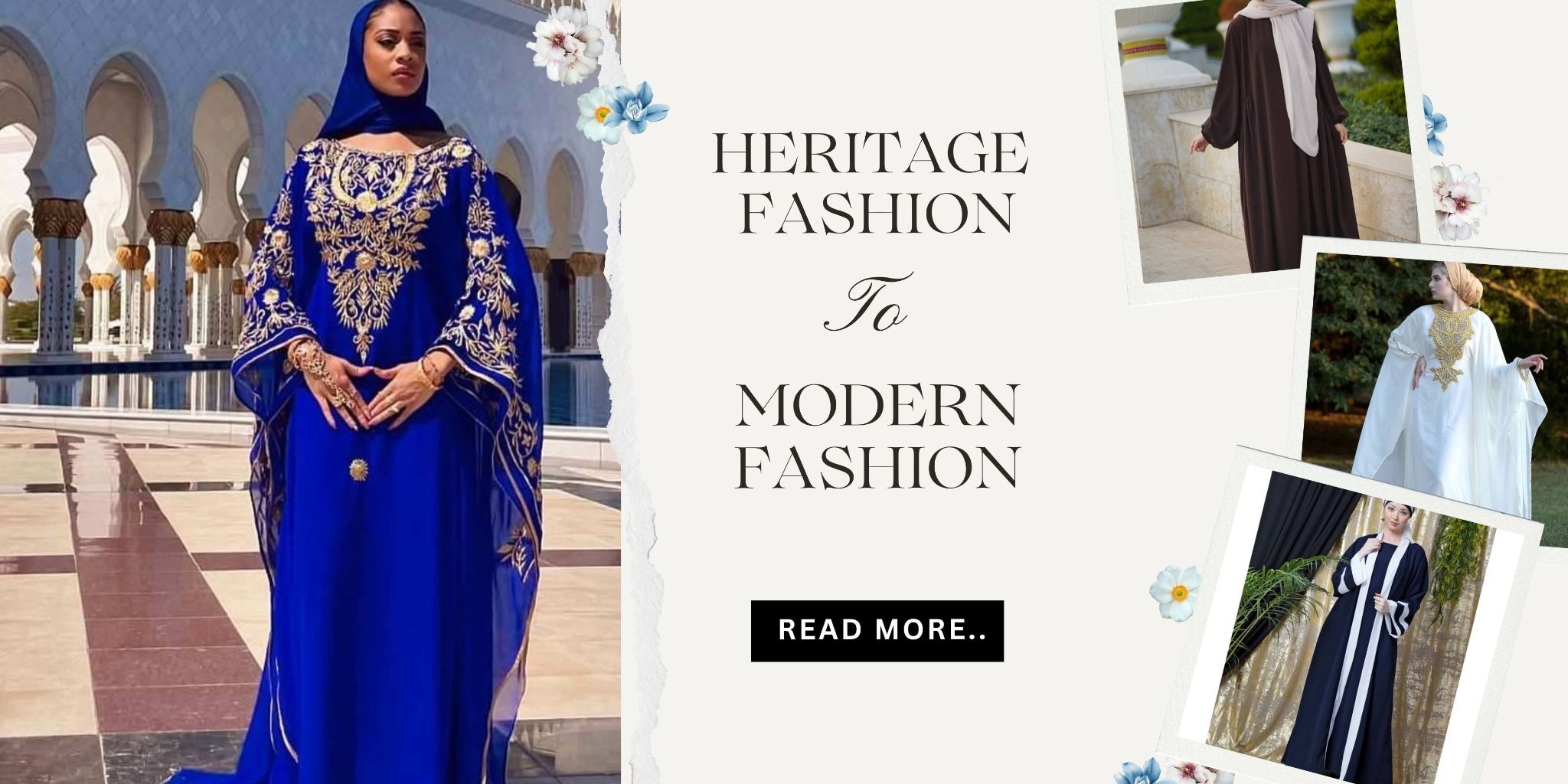
Islamic fashion today looks confident, elegant and modern, but it carries centuries of meaning in every fabric and fold. What Muslim women wear today has always been connected to the faith, family and culture. Today, the same modest muslim women’s garment has its place in offices, social areas, and travel in everyday life. The journey from traditional to contemporary modest fashion is not about leaving the past behind; it’s all about caring for tradition in a way that fits how women live today. In this blog, we will take a look at everything from the roots to the cultural norms that have affected the clothing of muslim. Read along to find out.
The Cultural and Spiritual Roots of Modest Fashion
Islam traditional dress has always been connected to where people lived and how they grew up. Faith gave it direction, but culture gave it colour and personality. That is the only reason why modest fashion looks different across the Muslim world.
Islam sets the idea of modesty, but it does not tell you what fabric or cut to wear. This allowed each region to create its own dress of Islam. From Turkish courts to Arab abayas to South Asian long dresses, each style followed the same belief but expressed it differently. These regional differences made arabic clothing traditional , rich and beautiful.
Climate has always played an important role in shaping Islamic clothing. In hot regions, loose and breathable garments allowed air to circulate and protected the body from the sun. In colder areas, modest dressing is adapted through layering and the use of warmer fabrics. Traditional muslim attire developed in harmony with the environment, balancing comfort, practicality, and modesty, while supporting everyday life and cultural values for Muslim women.
The Impact of Modern Life on Traditional Islamic Clothing
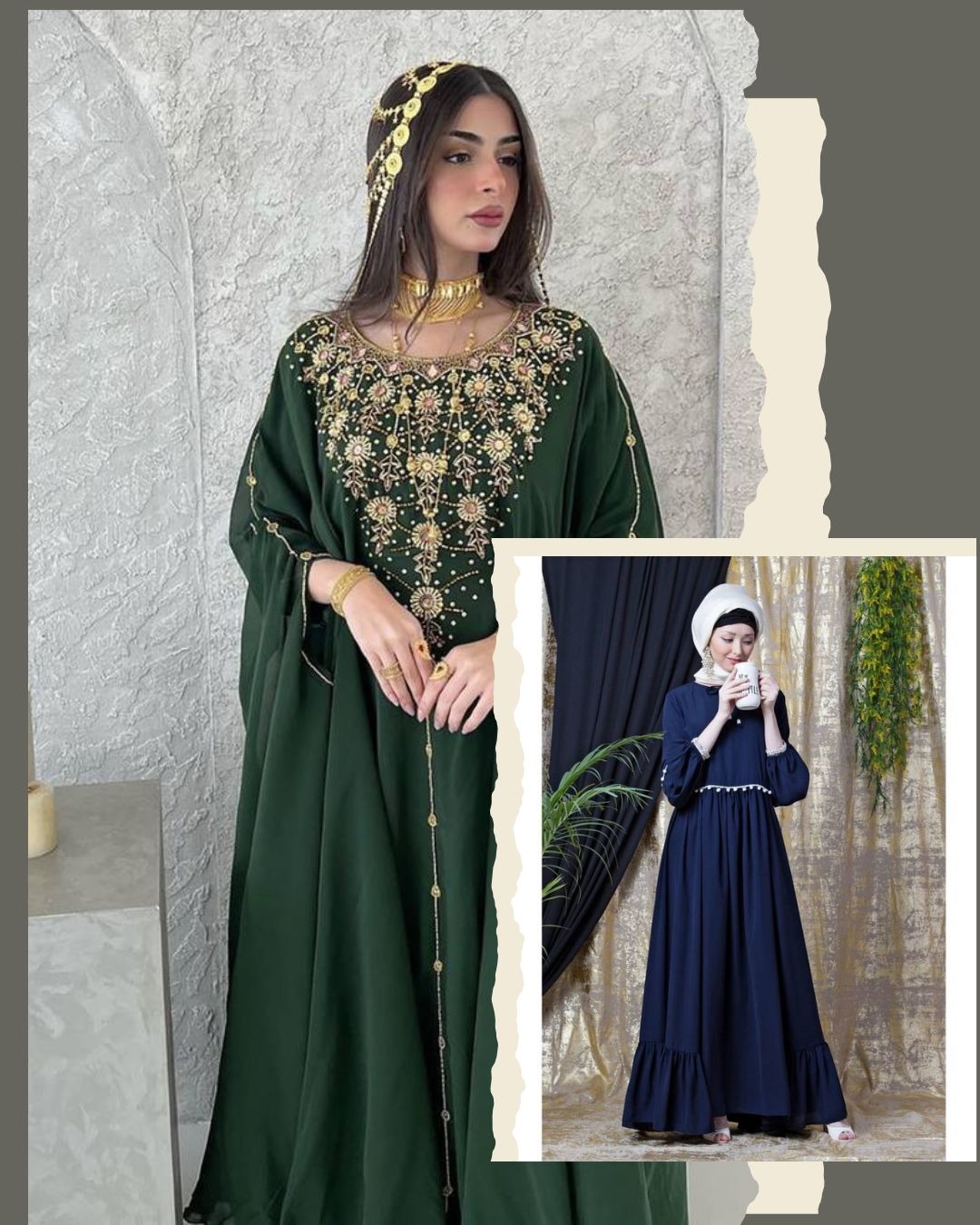
As cities grew and women became more active in public life, muslim traditional attire had to adjust. The typical muslim clothing was beautiful, but it did not always fit into modern schedules. That is exactly when change begins. Long hours at work, travel and daily runs meant women needed lighter and easier clothing. They could not manage heavy layers or even stiff fabrics of arabic clothing traditional anymore.
Designs became more flexible so you could walk, sit and move comfortably, and clothing began supporting your life instead of slowing it down. Instead of copying ancient Arabian clothing, designers began improving it. They kept the coverage but added better cuts and softer fabrics.
Global Influence on Today’s Modest Wear
Global travel and social media connected Muslim women across the world. Suddenly, modern modest fashion was no longer limited to one country; it became shared, mixed, and creative. A hijab style in Indonesia could inspire women in the Middle East, while a Turkish outfit could influence fashion in Europe. This sharing of ideas made modest fashion exciting and fresh.
Women felt a part of something bigger than just their local community, following pre-Islamic clothing. Long dresses were worn with modern jackets. Abayas were paired with trendy shoes. But modest fashion began feeling young and stylish without losing its values. This blend made Islam and fashion more versatile and fun.
The Influence of Changing Women’s Roles on Modest Islamic Dress
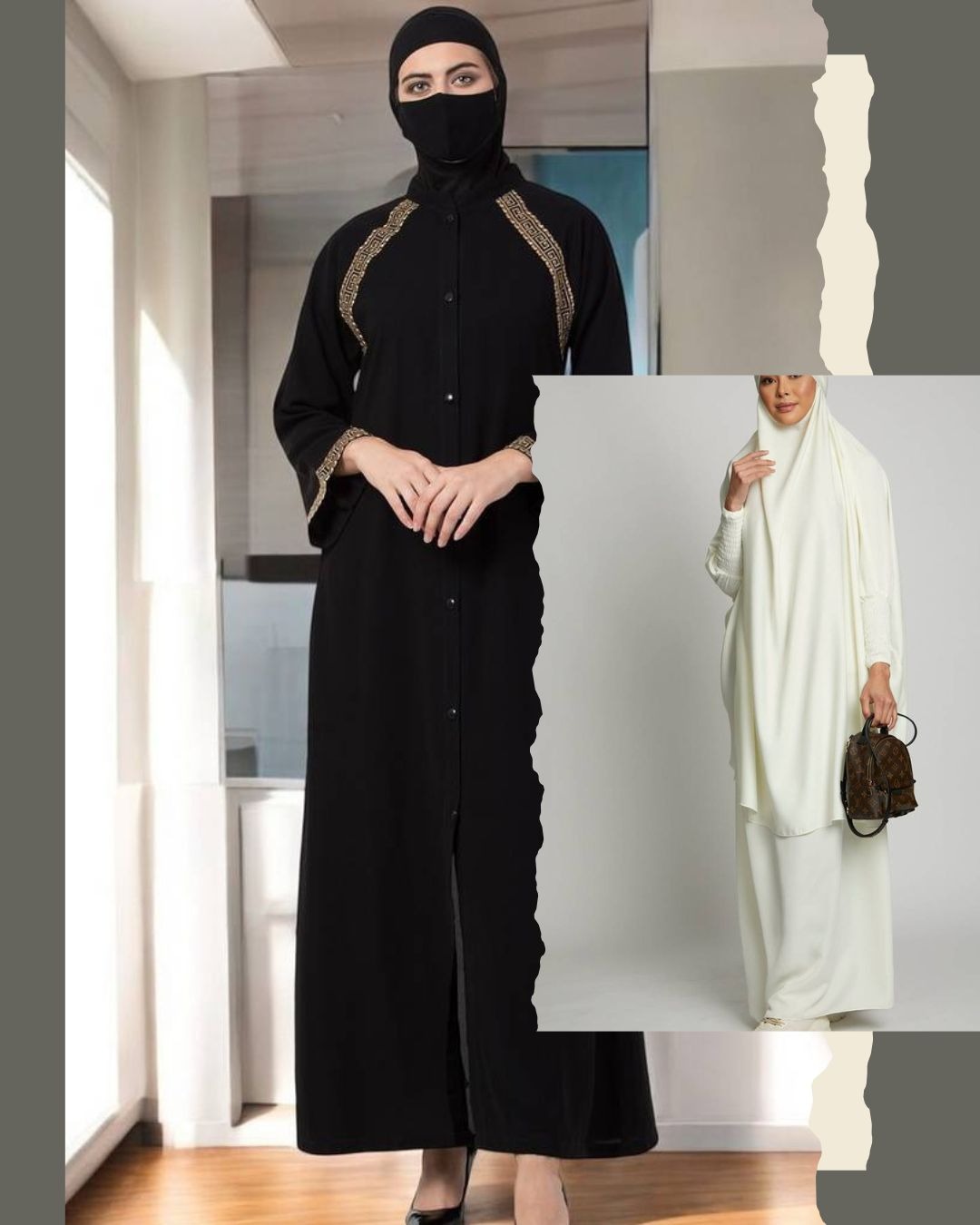
Muslim women today live busy, independent lives. Their clothing had to grow with their responsibilities and ambitions. Women needed outfits that they could wear to work meetings and even social events. This is why long traditional muslim wear, modest trousers and dresses became popular. Designs also became more functional, with lighter fabrics, smarter cuts, and easy layering for all-day comfort. Modest wear now supports confidence and self-expression , allowing women to move seamlessly between professional, family, and social spaces while staying true to the traditional fashion in Islam.
The Intersection of Faith, Fashion, and Identity
Modern modest fashion is deeply personal. Today, women choose how they express their faith through what they wear. Some love flowing styles, others love structured outfits. Both are equally valid in Islamic fashion. It is no longer about following one look; it’s all about wearing what feels right. Even modest fashion designers can help you choose clothes that reflect your lifestyle and personality.
Social media and global fashion platforms have also empowered women to explore modest fashion tips. They can also share their unique modest styles with confidence. This freedom has turned modest fashion into a form of self-expression, where individuality, comfort, and belief come together naturally.
How Designers and Social Media are Redefining Modest Fashion
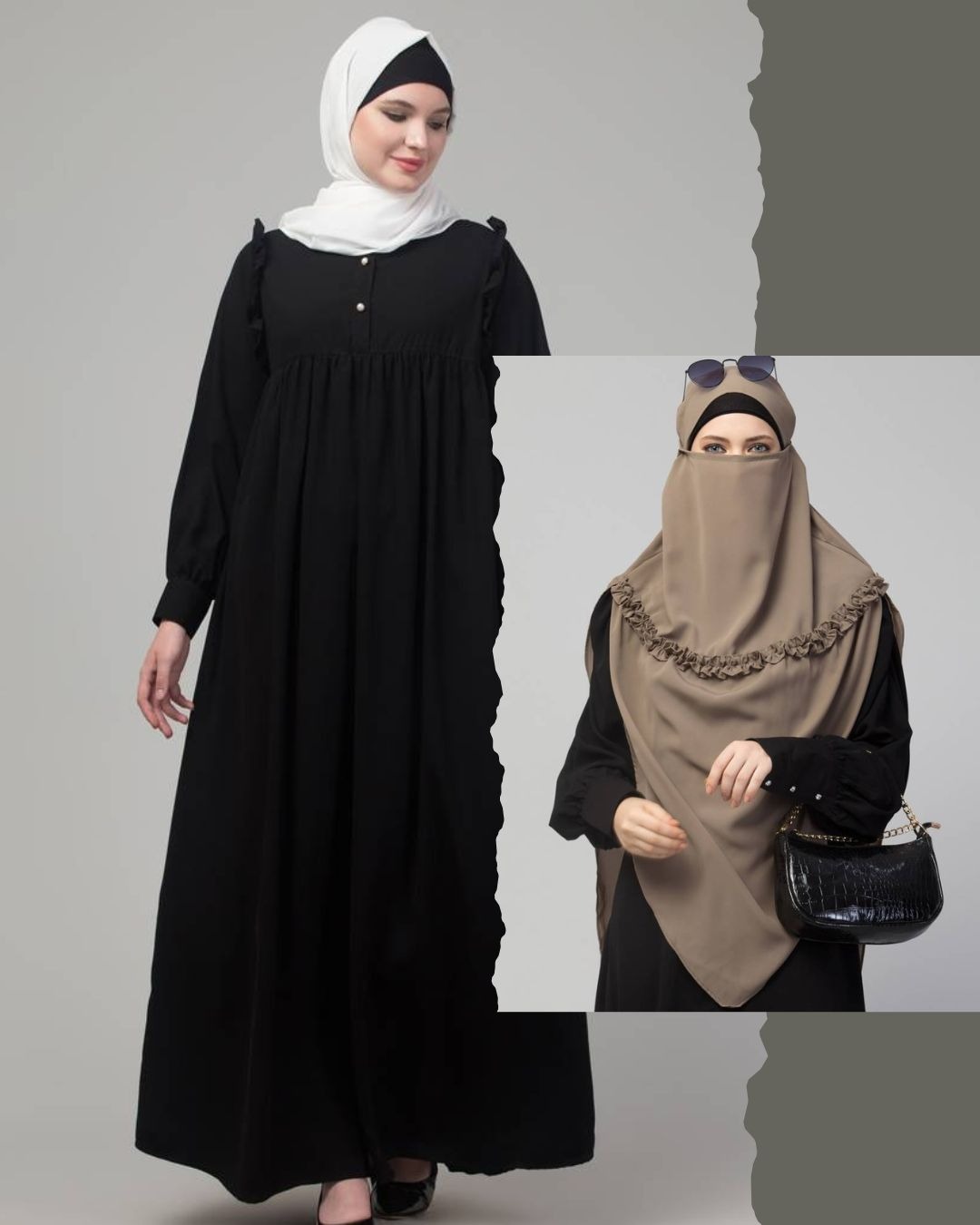
If modest fashion feels more exciting today, a big part of that comes from designers and social media. They gave you a space where style could finally be seen and appreciated. Not too long, you had to make regular fashion work for modesty, but today you can follow modest fashion tips. Social media changes things even more. Instead of only seeing models in perfect studio photos, women now see real hijab girls sharing their everyday outfits and learn how do muslim ladies dress. You can see how they dress for work, brunch, travel and family events and get some modest outfit ideas.
For a complete guide on modest clothing in islamic and how modest fashion blends tradition with modern style, check out this detailed blog.
Islamic Fashion – Traditional Modesty to Modern Style
There was a time when modest fashion trends were expected to stay in the background. Today it is not the same anymore. Modest fashion stands out in the best way. Now you can use colours, layers, textures, and fabrics to create outfits that really feel like you. A soft scarf flowing dress, or a sharp blazer over a modest top, all of it tells you a story; it’s no longer just about covering your skin; it’s all about expressing your personality. Modest fashion has stepped confidently into the spotlight, embracing creativity without losing its values. Each outfit now reflects personal taste, culture, and confidence, turning Islamic culture dress into a powerful form of modern self-expression. Once you understand what is modest fashion is, you can easily implement the best trends!
Reviving Traditional Islamic Style in the Modern Era
The best part about modesty style is that it never forgets its roots. The old styles did not disappear; they just got a fresh update. Kaftans, abayas and long dresses are still around, but now they come in lighter fabrics, softer colours and better cuts. They are easier to wear in everyday life, whether you’re going to work or travelling. What makes this really special is that even with all these updates, the soul of clothing is still there. Besides women’s modest clothing trends, there are also men’s islamic clothing trends that you can check out.
Islamic fashion has come a long way, and honestly, it’s been a beautiful journey. What started as traditional clothing tied to culture and faith has grown into something creative and confident. Today, you don’t have to choose between minimalist modest fashion ideas and style anymore. You can get to have both, and you can get to dress in a way that feels respectful and true to who you are.