

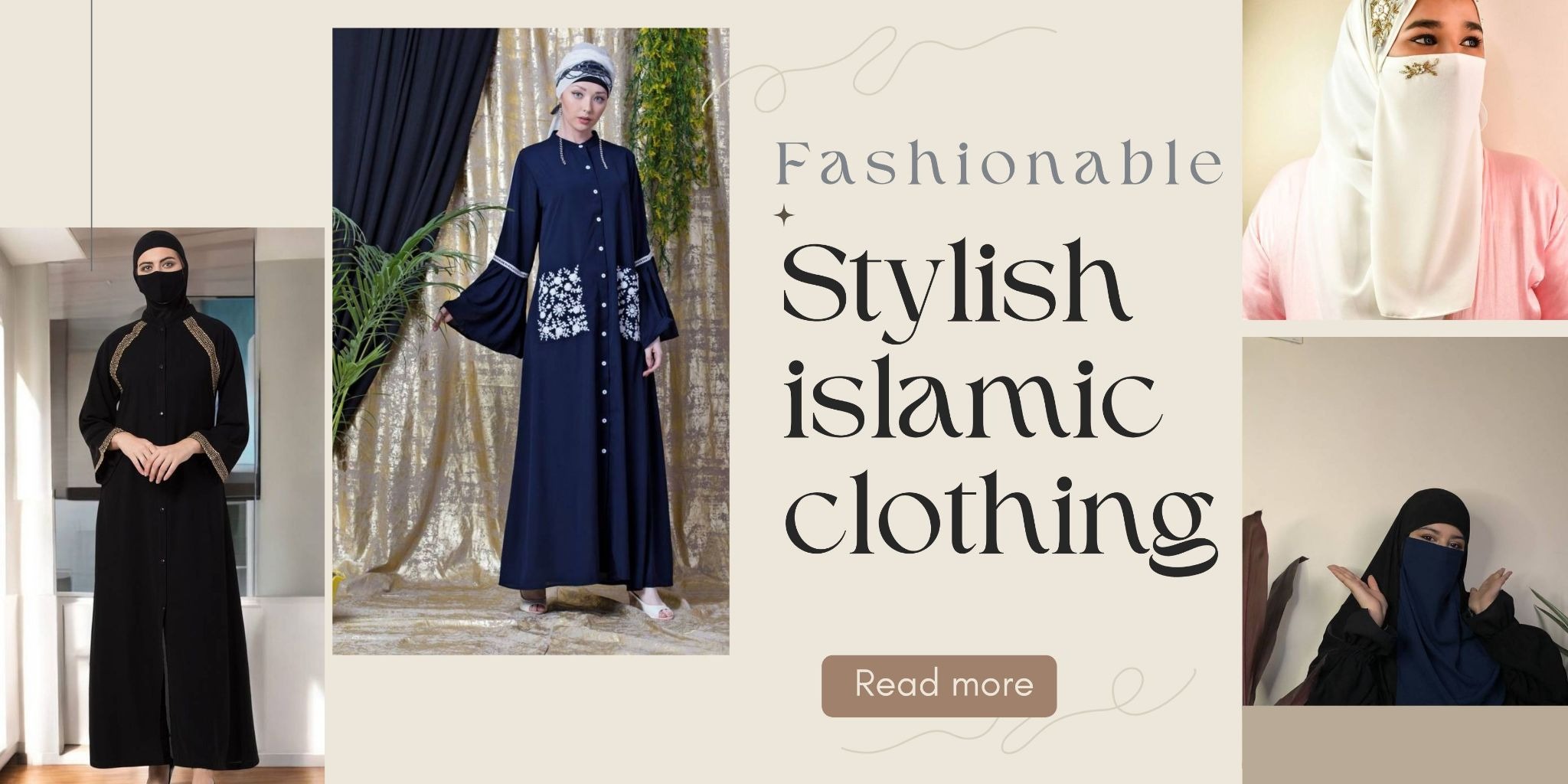
You must have heard many discussions about Islamic clothing, often leaning towards modesty, but the meaning goes way deeper. It is a reflection of faith, culture, comfort, and identity for a majority of Muslims across the world. In fact, today’s modest fashionista proves that styling is possible while keeping modesty intact. And if you have ever had curious questions like what do Muslims wear or how Islamic fashion changes with occasions, this guide is going to have all the answers for you. In this blog, we are going to cover everyday outfits as well as Islamic party and festive wear outfits. We will also explore how traditional Muslim attire blends purpose with the addition of a unique personal style.
Daily Islamic Clothing for Modern Life
The major essence of the Islamic outfit is comfort, coverage, and practicality. All these features of this attire make it a great everyday wear option. The loose-fitting of these outfits provides great ease of movement, along with breathability that’s all you need for humid weather. For women, there are many modest daily wear options such as:
- Loose kurtas with wide pants.
- Long dresses or abaya-style outfits.
- Layered looks with coverage and without heaviness.
And if you are a Muslim man looking for modest options for everyday wear, then you’ve got:
- Thobes or long tunics
- Kurta pajama sets
- Comfortable cotton shirts paired with loose trousers
All these dresses for both men and women are made of comfortable and breathable fabrics like cotton, linen, and lightweight blends. Some modern influences have made these outfits even more trend-relevant by bringing them in softer colors, minimal prints, and modern cuts. These changes have made the Muslim traditional wear more versatile than ever.
For a detailed look at the traditional dress of Islam and how modesty meets fashion across cultures, read the complete guide here:
What Muslims Wear for Salah and Daily Prayers
Prayer clothing is a center of attention in traditional Muslim wear. It is designed for modesty and easy movement during Salah. Some of the most common prayer garments include abayas and jilbab for women. While for men, you can find various thobes which can be paired with turbans for more of a traditional look. All these prayer garments have one thing in common, which is their being free from embellishment. These outfits focus solely on simplicity, and though you see them in many styles across the world, the essence of minimalism remains the same. This aspect of garb Muslim is something that reflects spirituality over aesthetics.
Ramadan and Eid Clothing Traditions
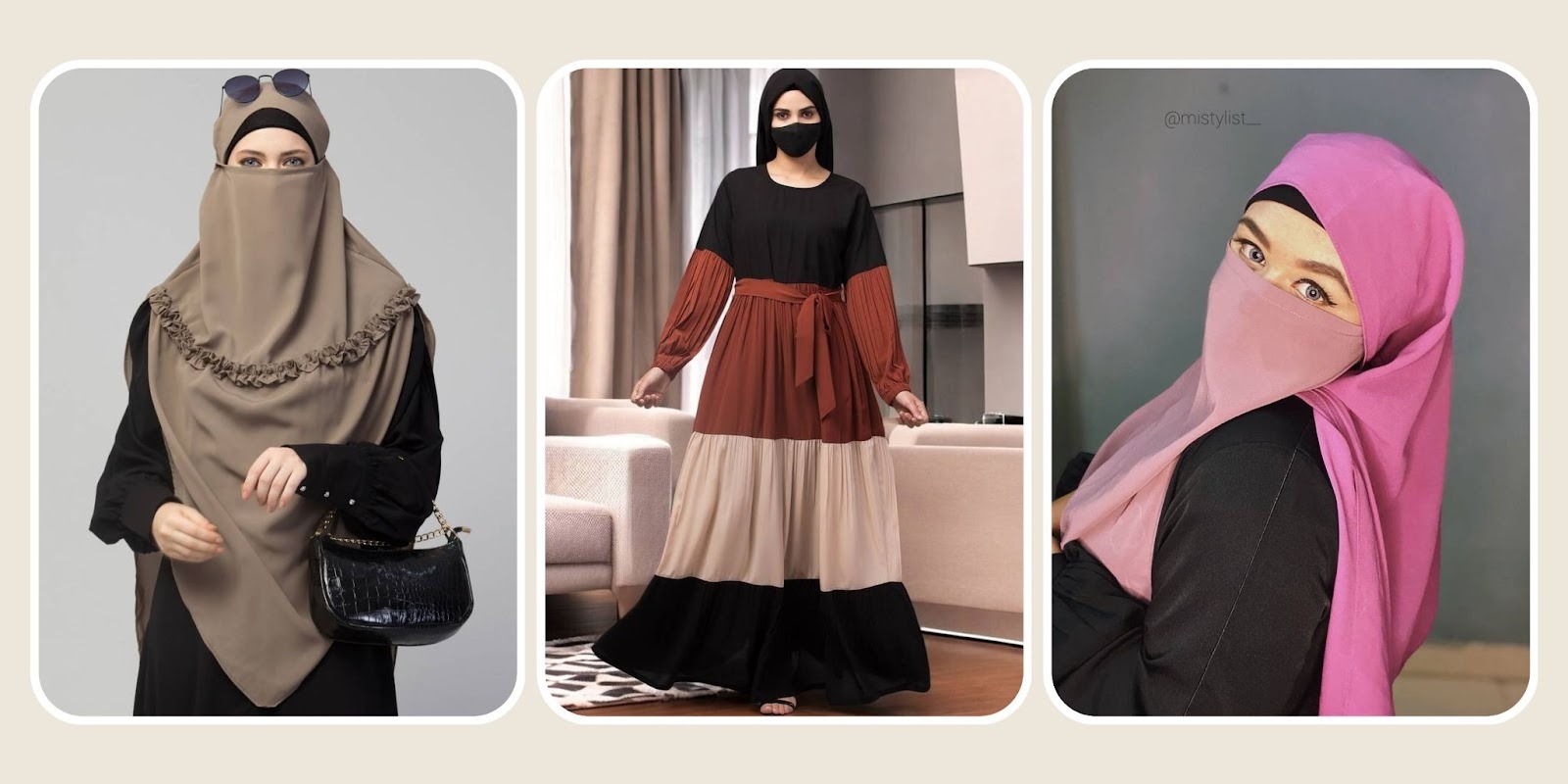
There is quite a visible shift in the traditional dress of Islam around the time of Ramadan and Eid. The clothing seems to be more festive while remaining modest. Some of the popular choices that people mostly go for are flowing abayas with embroidery and coordinated kurta sets for families. Eid dresses mainly come with beautiful work of mirrors, delicate embellishments, or subtle thread embroidery. You can also find many of these outfits in soft pastels, whites, and jewel tones and choose what suits your style preference.
Wedding and Celebration Wear in Islamic Fashion
Islamic weddings and festive occasions are the time when you see the luxury of traditional Muslim wear. It’s the time when you know that these outfits can be modest and classy at the same time. Some of the key elements that you’ll see in most of these festive outfits are:
- Luxurious fabrics: Silk, velvet, and chiffon.
- Traditional embroidery: Hand, zari and zardozi embroidery, stone work, sequins and mirror detailing.
- Coordinated layers: Contrasting scarves and hijabs for women.
Hajj and Umrah Clothing
There is a huge significance of pilgrimage clothing in Islam. During Hajj and Umrah, people are supposed to be dressed in Islam traditional clothing that shifts to functionality and focus. For such spiritual voyages, men wear two unstitched white cloths known as Ihram. While women wear loose and modest garments in neutral and minimal tones. There is no specific Ihram garment for women, but simplicity is the key. Ihram is a garment that symbolizes equality, humility, and devotion. It’s something that makes you look grounded while also keeping you comfortable. This stage of traditional dress of Islam strips fashion down to its purest purpose.
Understanding Islamic Clothing Today
Islamic clothing is not just about one look or a particular way of styling. It is something that evolves with culture, geography, and time. So whether you’re exploring what Muslims wear daily or learning about traditional Muslim attire, the foundation would always be the same. The Islamic outfits are based on modesty, respect, and intention. But the typical Muslim clothing nowadays continues to adapt while staying rooted in faith. Platforms like Mirraw bring you such Islamic attire that speaks volumes about this faith and tradition that have been carried out through generations.