

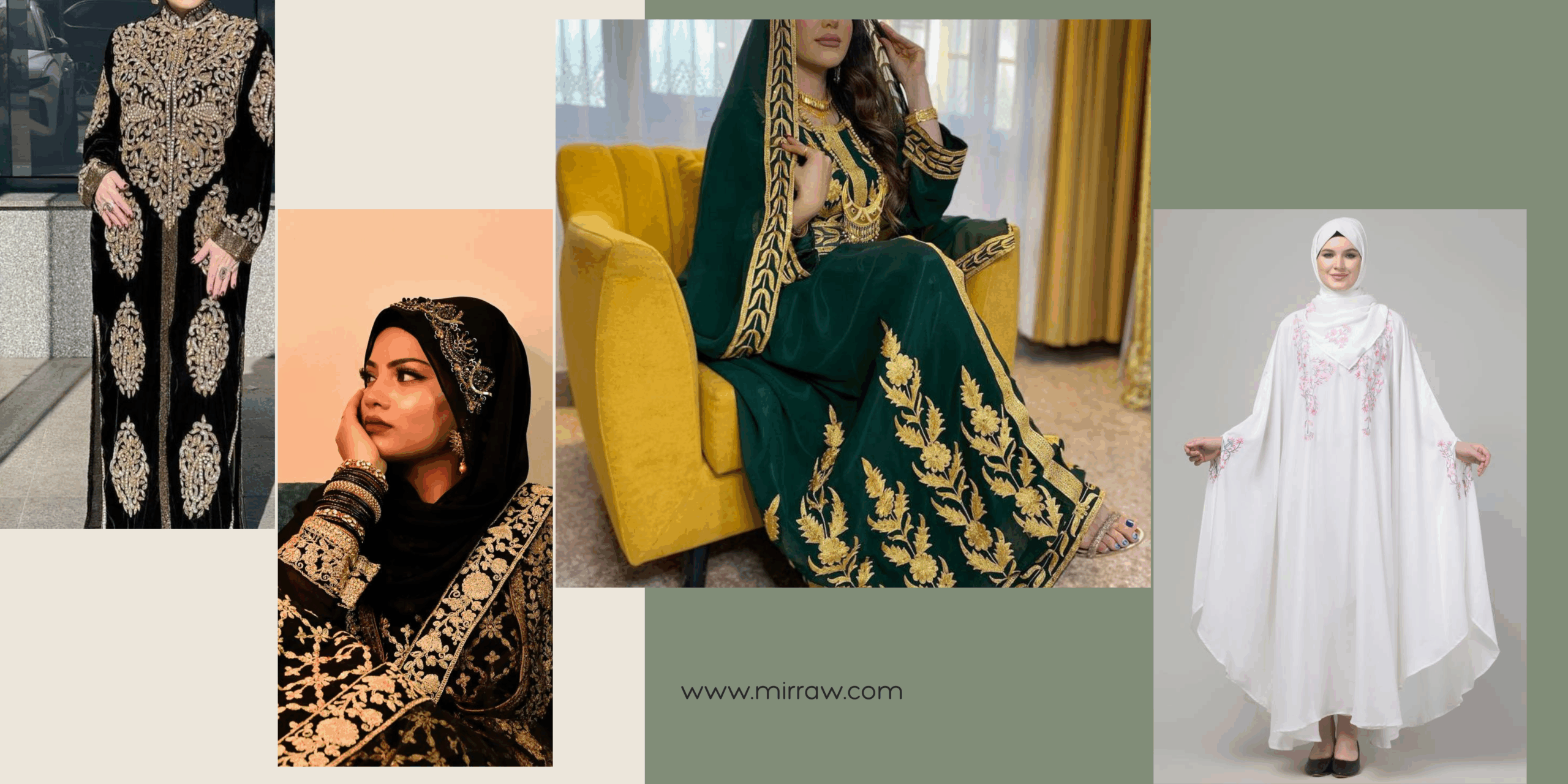
People often think that Islamic clothing is limited to hijab and burqa. But that’s not true. Islam is spread across the world, and each region differs in cultural values and traditions. These factors have a profound effect on the clothing of muslims as well. For instance, people in the Middle East wear Abayas , thobes, and Keffiyahs. While shalwar kameez and hijab are popularly worn in South Asia. Thus, you see traditional muslim clothing is very diverse, and has many layers to it.
In today’s blog, we will be discussing more about traditional muslim clothing that is prevalent in different regions of the Islamic world, the differences and similarities. Read along with us to know more.
What is Islamic Clothing?
A simple definition of Islamic clothing is that it refers to the attire muslim wears based on the principles of Islam. As per the rules of the Quran and Hadith, the muslim clothing is designed on the principle of modesty (haya). The basic principle suggests covering the body appropriately with loose-fitting clothing. Islamic clothing styles do not believe in highlighting the shape and structure of the body.
The best part is that this is not just limited to women. The same rule applies to Islamic men’s clothing as well. Wearing modest muslim clothing is a way to dignify the culture and tradition.
Classic Islamic Wear of Arab Regions
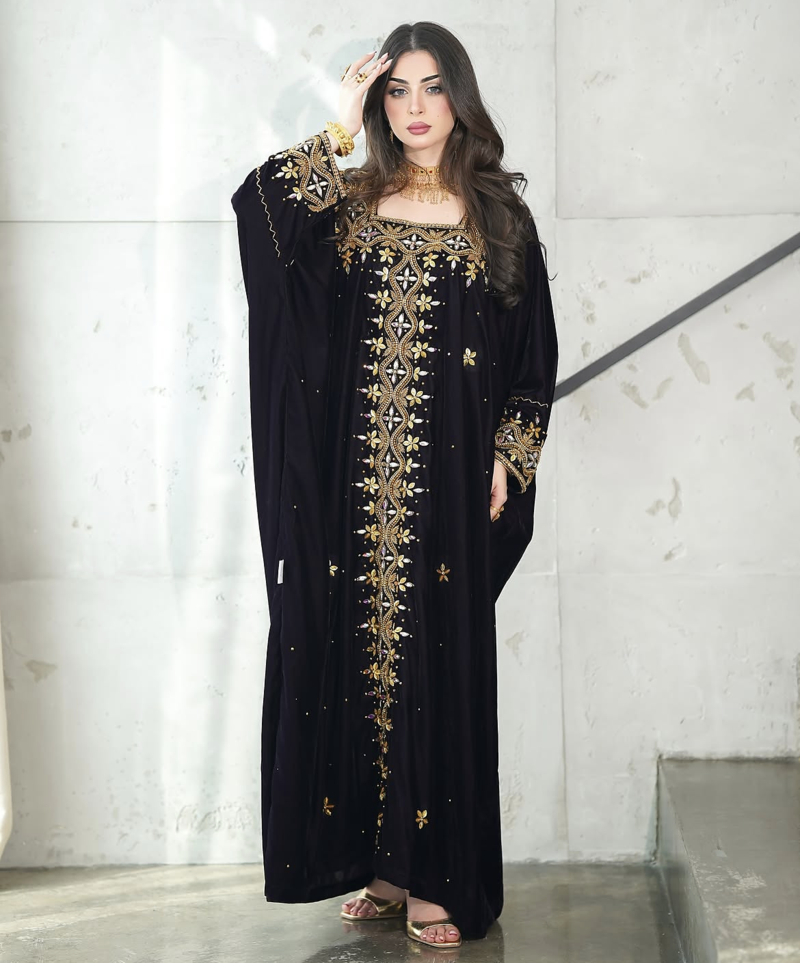
Countries like Saudi Arabia, the United Arab Emirates, Qatar, and Kuwait come under this region. The clothes of Muslims in these regions are based on the hot and humid climate. The women in this region wear different abaya styles, hijab, niqab and burkha and shayla as their primary clothing. These feature subtle embroidery, pleats, and even open front designs.
The men in these regions have their own clothing style. They wear garments like the thobe and Kandura, which are full-length robes in white colour. They are accompanied by head coverings such as the ghutra, keffiyeh, or shemagh, which makes it Islamic trendy clothing.
Ethnic Muslim Fashion Clothing from South Asia
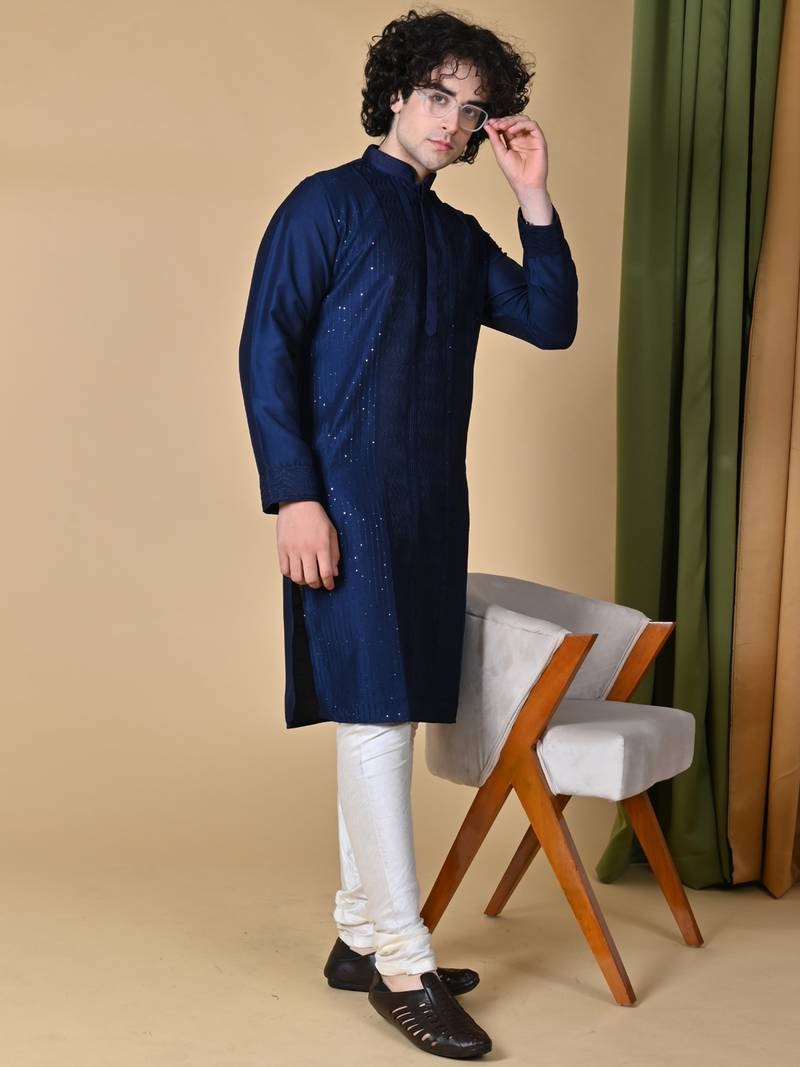
South Asian clothing in the Islamic countries adheres to countries such as India, Pakistan, Bangladesh, Sri Lanka, and Nepal. Women commonly wear shalwar kameez paired with a dupatta or hijab, along with Anarkali suits. Long maxi dresses and modest kurti sets that offer full coverage while allowing graceful movement are also popular.
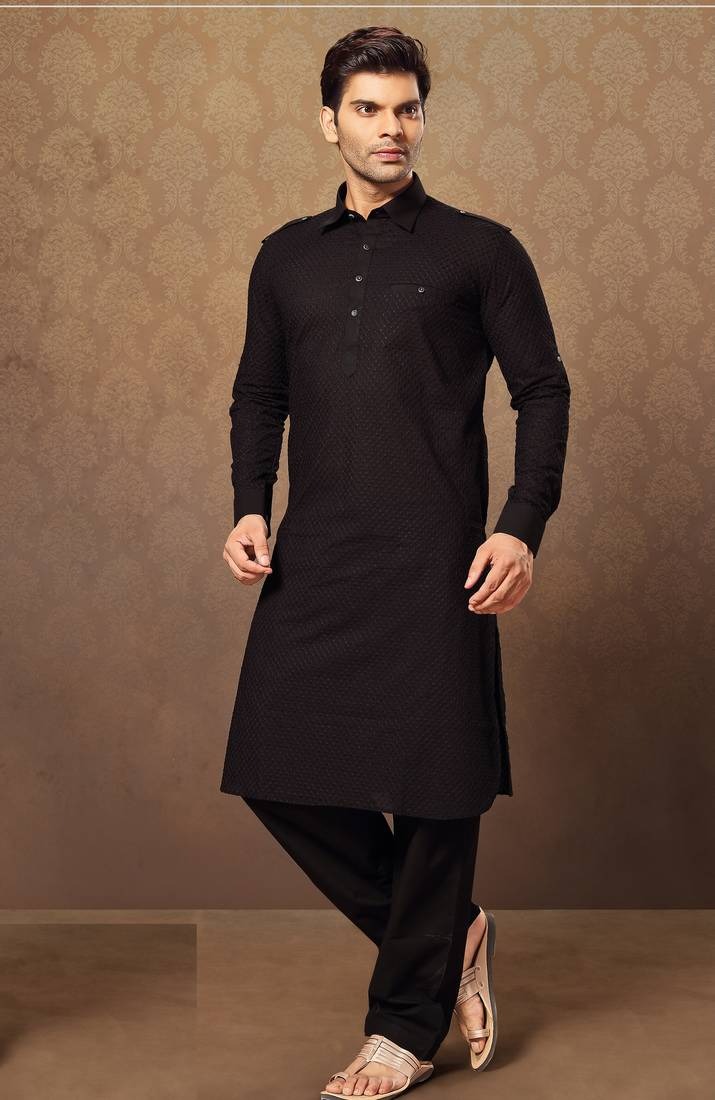
Men typically wear kurta–pyjama, pathani suits, or shalwar with long tunics, often complemented by a prayer cap or shawl. The climate of the tropical countries is slightly warm, thus they use fabrics like cotton, lawn, chiffon and georgette. What makes South Asian Islamic clothing popular is its intricate embroidery, handwork, prints, and vibrant colours.
Islamic Clothing Styles from Southeast Asia
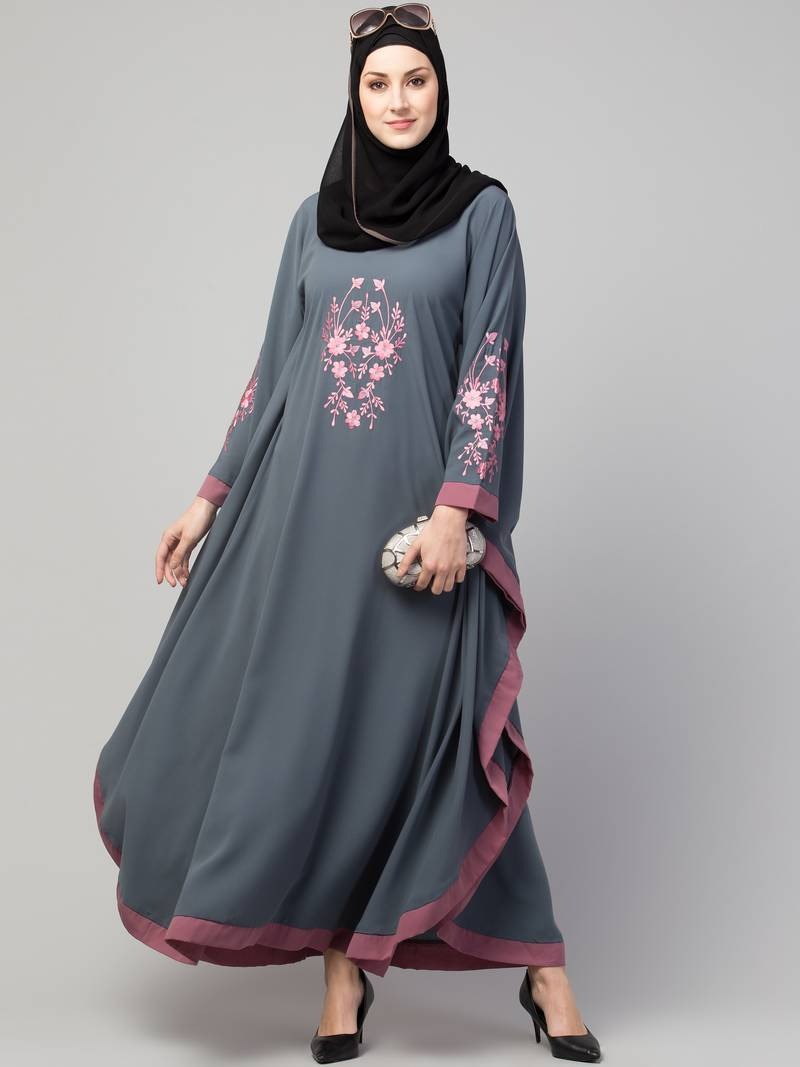
Countries like Indonesia, Malaysia, Brunei, and parts of Thailand are a part of this region. The clothes of Muslim communities here are made for hot and humid weather, so they are light, loose, and easy to wear.
Women often choose the baju kurung, which has a simple shape and gives full coverage. Another great option is a modest kebaya with long sleeves, which is worn with a hijab.
These outfits are a clear example of traditional Islamic dress that works well for daily life as well as special events. Men usually wear the baju melayu, a neat outfit with a long tunic and trousers as part of Islamic wear. It is paired with a sampin and a songkok for prayers and celebrations. Even though this style looks different from Turkish Islamic fashion, both follow the same values of modesty.
Traditional Muslim Clothing in Africa
African Islamic clothing is known for its rich colours, flowing structure, and strong cultural identity. In most African muslim communities, men commonly wear kaftans or dashikis. These are loose, comfortable garments ideal for warm weather and daily prayers. While women choose long and colourful robes that provide full coverage to the body. Style these with graceful hijab fashion or pair them with traditional gele headwraps for special occasions.
Although African designs are visually different from Arab traditional clothing and classic abaya styles. They still fall under wider Islamic clothing styles, and their major focus is on the upkeep of modesty and dignity. In some regions, women also wear jilbab clothing adapted with local fabrics and prints
Islamic Outfits for Special Moments
Islamic clothes have a huge variety when it comes to special occasions as well. For instance, occasions like Eid, Nikkah and parties go for dresses in dark shades and heavy embroideries. Some go to dresses that women usually wear during these celebrations are Abaya, Kaftan dress, Moroccan Kaftan, etc.
Popular Colours and Patterns Used in Islamic Clothing Traditions
People have a misconception that Islamic clothing has a very muted and subtle colour palette. However, this is not true; the dresses also use bright colours and patterns like red, blue, maroon and purple.
Are Islamic Clothing Similar Across Regions?
Islamic clothing is similar across regions in terms of values, but not in appearance. The core rules of modesty and full coverage remain the same everywhere. However, styles change based on climate and local traditions. This is why abayas in Arab countries, South Asian shalwar suits, African kaftans, and Southeast Asian baju kurung all look different yet follow the same Islamic principles.