

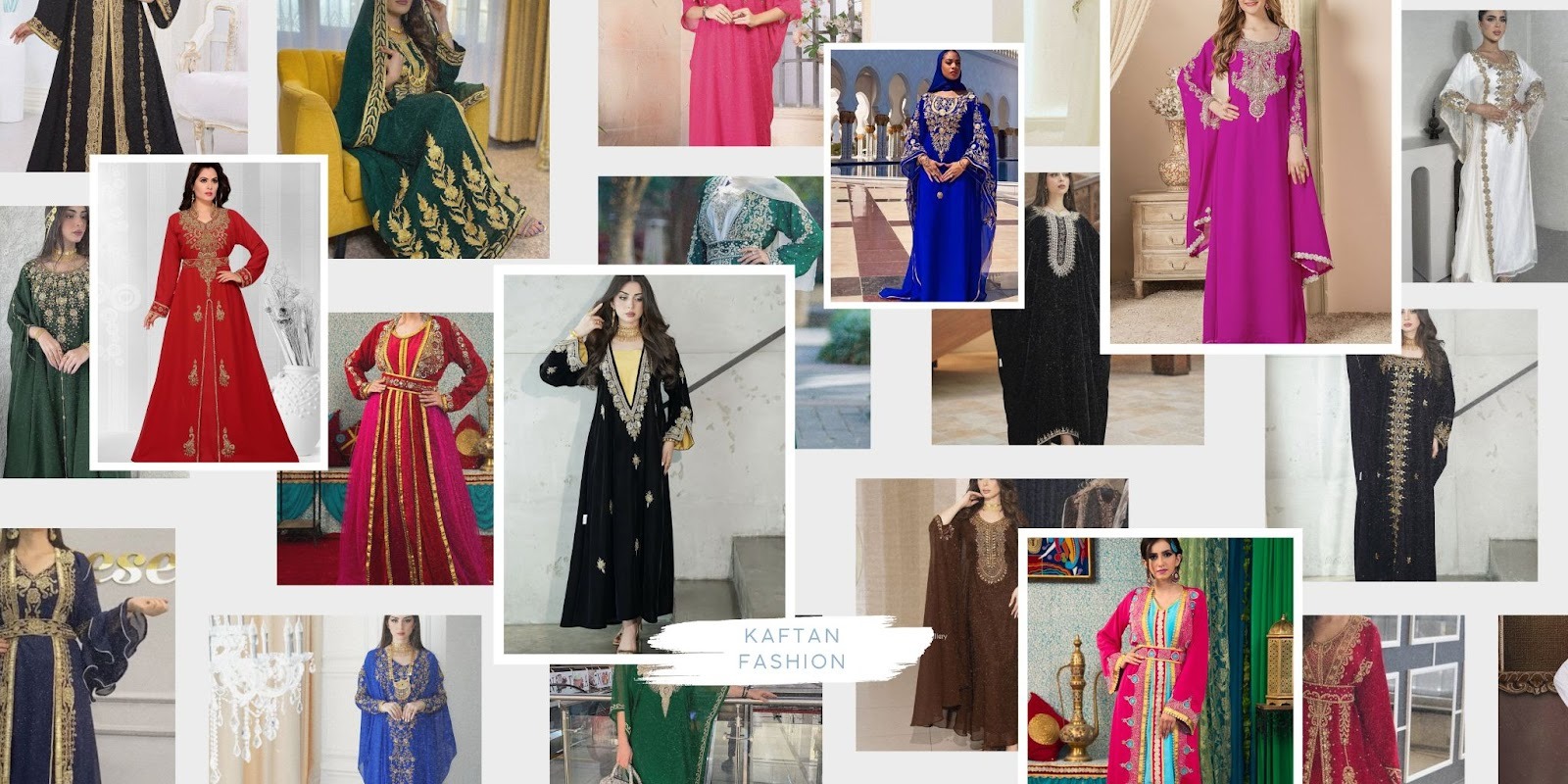
Kaftans are one of those beautiful outfits that never go out of style. Comfortable, graceful, and effortlessly elegant, they suit women of all age groups and body types. Rooted in cultural heritage yet constantly evolving with modern trends, kaftans have transformed from traditional attire into global fashion essentials. Whether you are lounging at home, heading out for a casual brunch, attending a festive gathering, or packing for a beach vacation, a kaftan can be styled effortlessly for every occasion. From minimal everyday looks to statement party outfits, kaftans make it easy for you to express your authority with grace and confidence. They are available in a wide range of fabrics, prints, and embellishments. You can dress them up or down effortlessly. This versatility makes them a timeless favorite in women’s fashion. Let’s explore everything you need to know about kaftans and kaftan styling in this blog.
What is a Kaftan?
Before you jump to how to style a kaftan, you need to understand what exactly a kaftan is. A kaftan is a long, loose-fitting garment that usually flows freely from the shoulders down. You can wear it as a dress or tunic-style outfit. Kaftans are known for their relaxed silhouettes, wide sleeves, and breathable comfort.
Traditionally kaftans were designed to offer you complete ease of movement while still looking graceful and elegant. With time, this simple and beautiful garment slowly made its way across borders and became a part of global fashion. With time kaftan style has become a global fashion.
As the kaftan traveled across different regions each culture added its own touch. In Morocco kaftan evolved into luxurious ceremonial outfits that were often worn at weddings and special celebrations. In Turkey and Persia, they were linked with power and royalty crafted with richer fabrics and detailed embroidery. Today, the modern kaftan dress is worn globally, representing elegance, modesty, and freedom of movement.
Although the kaftan, abaya, and maxi dress look similar, there are some key differences. A Kaftan comes with lightweight clothing material often featuring embroidery or embellishments, while an abaya is a more structured and typically worn as a modest outer garment. A maxi dress usually fits at the top or waist and follows modern Western tailoring.
The journey of Kaftans through history
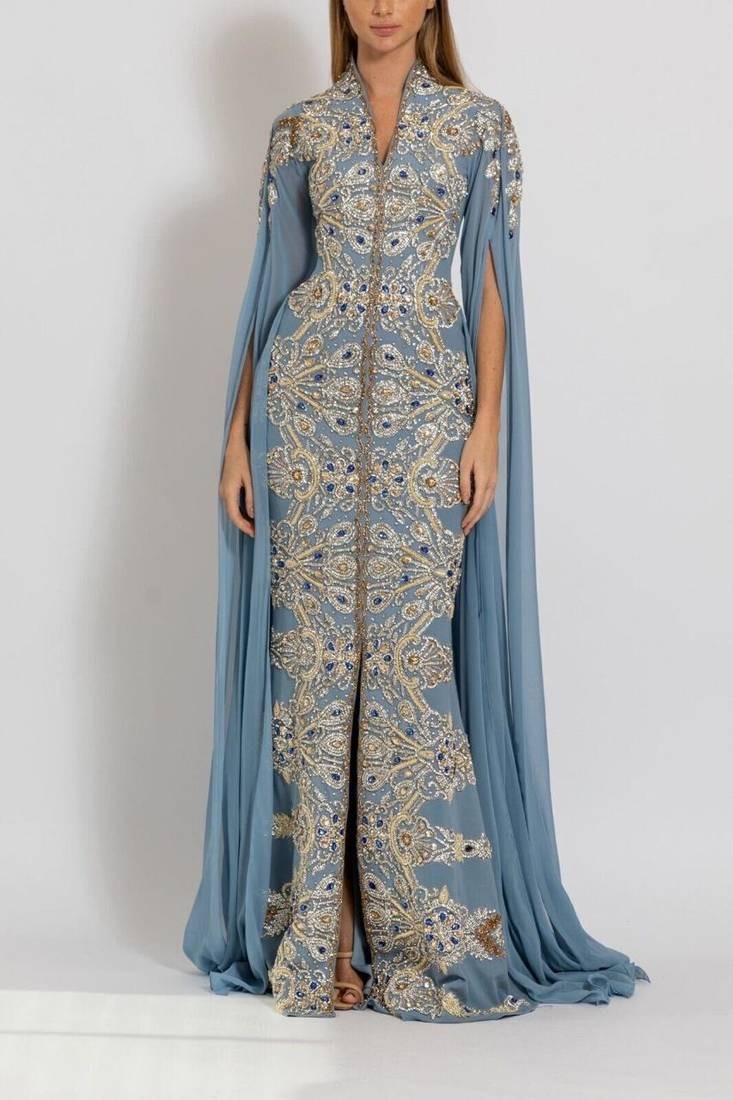
The earliest kaftans were worn in ancient Mesopotamia, Egypt, and Persia. They were crafted from fine fabrics and often decorated with gold thread or delicate patterns. These stylish dresses for women were not only clothing but also symbols of rank and honor.
The earliest kaftans were worn in ancient Mesopotamia, Egypt, and Persia. They were crafted from fine fabrics and often decorated with gold thread or delicate patterns. These stylish dresses for women, along with other Islamic clothing such as abayas and jilbabs, were not only clothing but also symbols of rank and honor.
As times passed, kaftans changed along with fashion and culture. Sleeves became wider or slimmer, length grew longer or shorter, and fabrics were chosen based on the climate. With trade between regions, textiles were introduced, giving kaftans richer and more artistic designs. Fast forward today, you can see that kaftan has become an even more versatile outfit.
You can find it everywhere, from relaxed everyday wear to elegant evening and festive looks. Designers across the world continue to reinvent the kaftan using modern prints and fresh fabrics while still keeping its additional charm alive. That’s what makes the kaftan so special, it blends history, comfort and style in a way only few garments can.
Exploring the best kaftan styles in 2026
Kaftans come in different styles, ranging from traditional to modern designs. Each type serves a different purpose and occasion.
- Classic traditional kaftans
Moroccan caftans are known for their rich embroidery and elegant belts. Turkish kaftans often carry royal-inspired prints and luxurious fabrics, while Arabian kaftans focus on modesty, flow, and subtle detailing. Each traditional kaftan tells you a story of its culture.
- Modern-day caftans
Modern Kaftan fashion trends are lighter and more practical. They generally come in soft colors, digital prints, and minimal embroidery. These are perfect for daily wear, travel days, or relaxed gatherings. They look stylish without feeling heavy.
- Designer and luxury kaftans
Designer kaftans are all about craftsmanship, hand embroidery, sequin beadwork, and premium fabrics. You can wear them for weddings, festive evenings, and special celebrations. They offer glamour without discomfort. To stand out, you can check out the latest Kaftan outfit ideas.
Kaftan Fabrics and Materials
The fabric of the kaftan plays a very important role in how it looks and feels. Choosing the right material enhances both comfort and appearance. Understanding traditional vs modern kaftans makes it easier for you to choose the right fabric.
- Commonly used materials
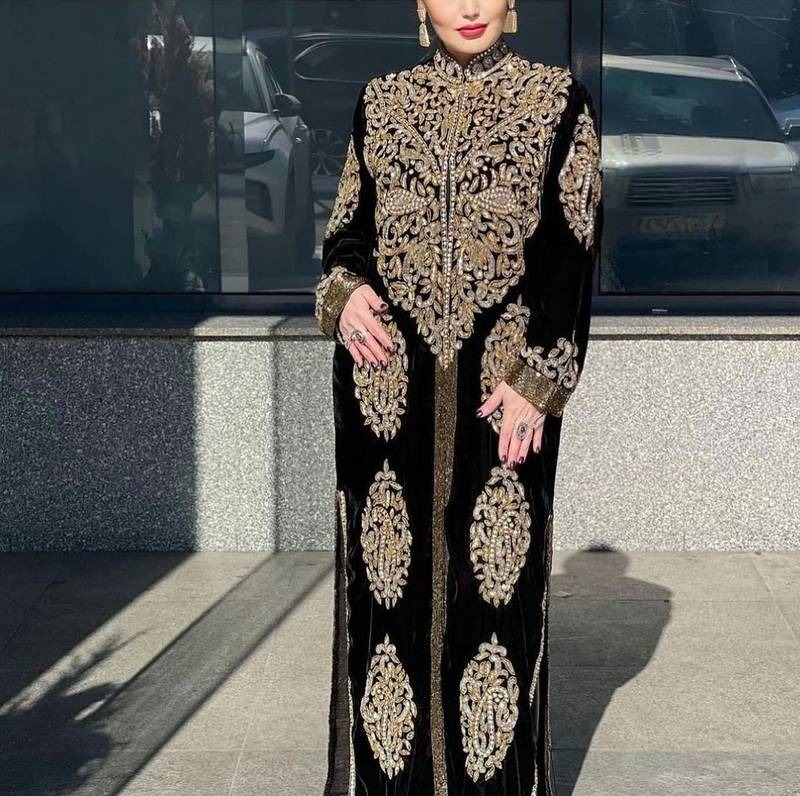
Silk kaftans offer elegance and shine. Chiffon kaftans are light and flowing, while cotton kaftans are breathable and ideal for daily wear. Linen provides you with a natural and airy feel. Velvet kaftans are rich and best suited for winter or evening events.
- Effect of fabric on fit and drape
If you are wondering what fabric for a kaftan works well, then it all depends on your goals. Light fabrics can help you create movement and softness, while heavier fabrics add structure. Breathable materials improve your comfort, especially in warm weather. Fabric choice directly impacts your overall look.
- Seasonal fabric selection
Cotton, chiffon, and linen are perfect for summer. Silk blends suit moderate climates, while velvet and heavy silks are ideal for colder months. Matching the fabric with the weather ensures all-day ease.
How to Style a Kaftan
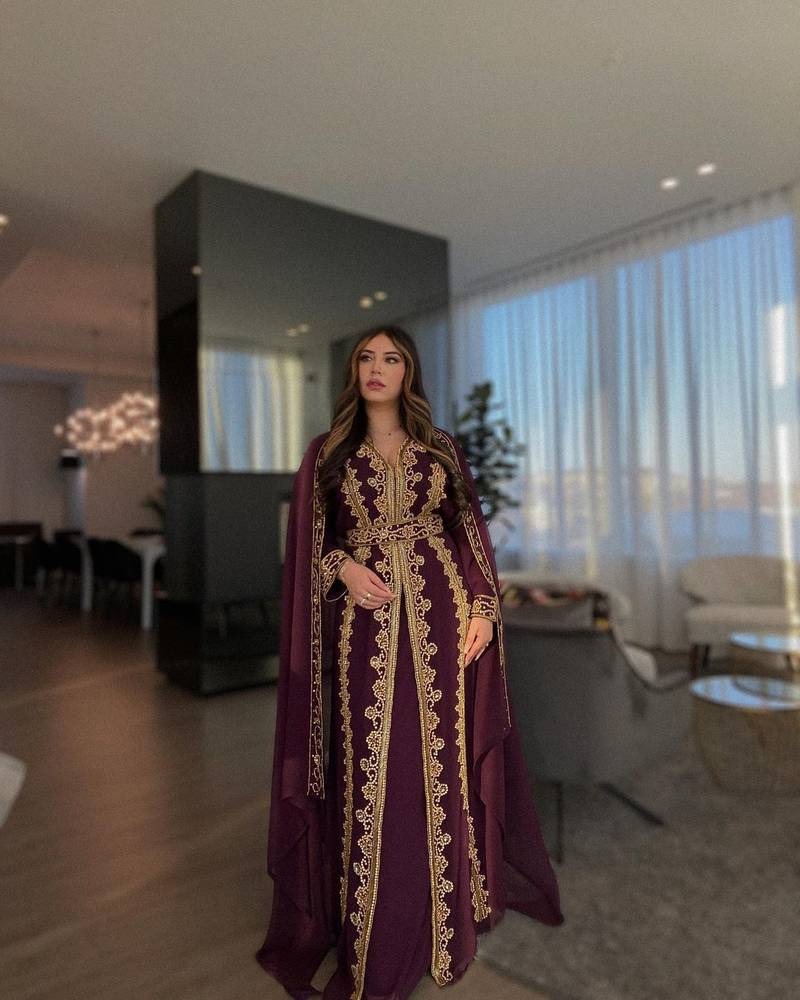
Kaftans are very easy to style and also allow flexibility. With the right kaftan styling accessories, you can create multiple looks with one kaftan.
- Accessory pairing tips
Statement earrings, bangles, or necklaces elevate your outfit. Belts help define the waist, while scarves add color and texture to your look. If you are planning to wear heavily embellished designer kaftans, you must always go for minimal accessories.
- Choosing suitable footwear
Flat sandals are perfect for everyday caftans. For festive styles, you can choose heels or wedges. Depending on the caftan dress pattern, you can go for embellished flats or heels for weddings. Comfort should always guide your footwear selection.
- Layering for added style
Shrugs, jackets, and capes enhance your vintage caftan. Scarves can add warmth during evenings, while inner slips improve fall and coverage. Layering also allows versatility in styling.
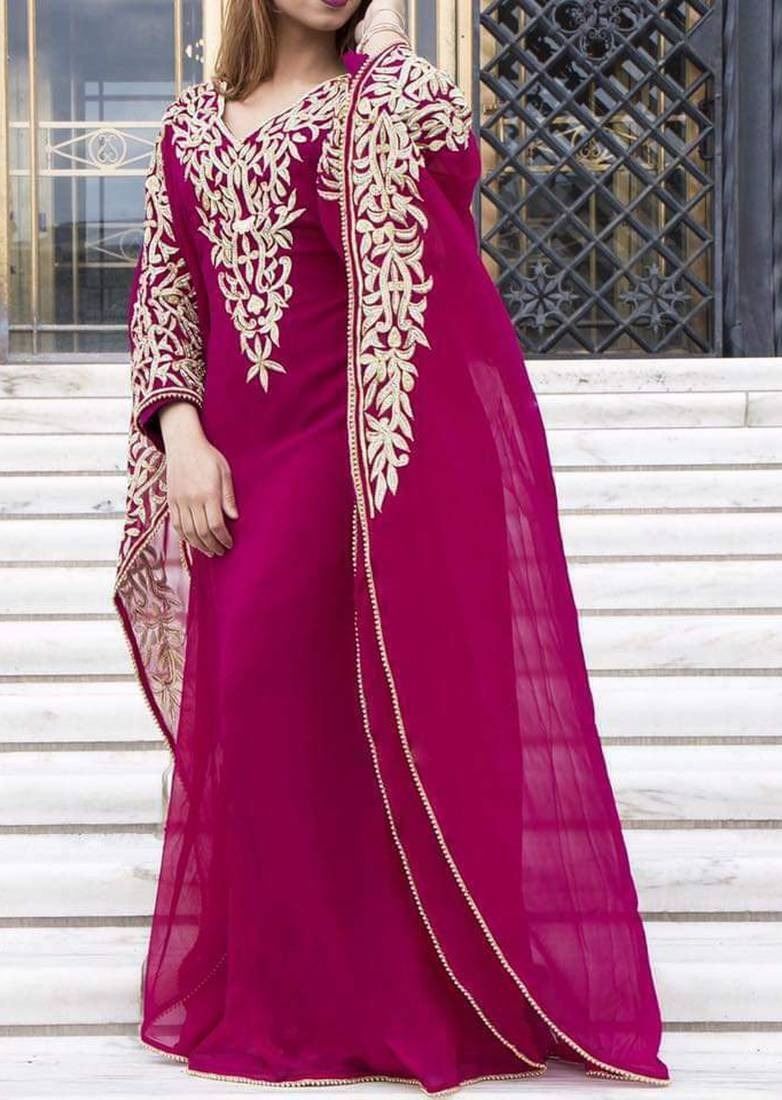
Kaftans for Different Body Shapes
One of the strongest features of kaftans is their inclusivity. As one of the most stylish women’s clothes, they flatter all body types, provided you style them correctly.
- Styling according to body type
If you are a petite woman, then you can benefit from shorter lengths and vertical designs. If you are tall, then you can carry long silhouettes easily. You will look best in soft fabrics that skim your body if you are a plus-sized woman, for kaftans adapt naturally to every figure.
- Finding the right length and fit
Ankle-length kaftan suits most heights. Mid-calf kaftan attire looks perfect for casual wear. The fit should feel relaxed without looking oversized. Comfort always enhances confidence.
- Choosing suitable prints and patterns
Vertical patterns create a lengthening effect. Small prints maintain balance while bold prints make strong statements. Embroidery near the neckline draws attention upward. The right caftan fabric, along with the correct embroidery, completes your look.
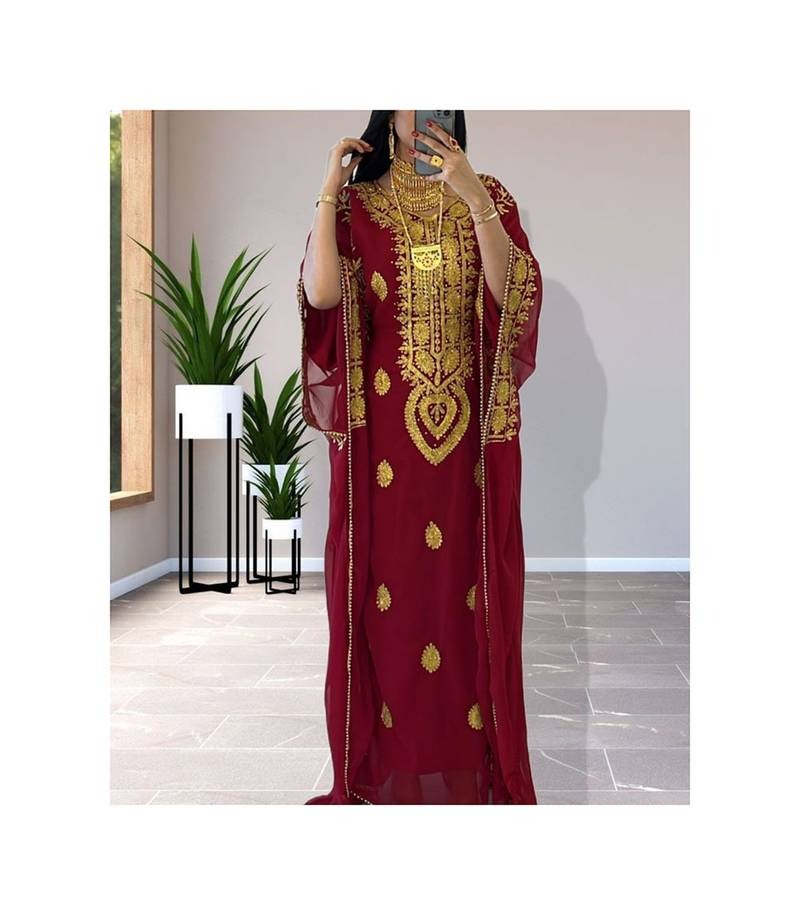
Kaftan dresses for women by occasion
Kaftans are loved because they adapt beautifully to different moments of life. Whether you are relaxing at home or attending a grand celebration, there is a modern kaftan dress that fits your mood perfectly. What makes women’s kaftans special is how easily they move from comfort wear to statement fashion, depending on the fabric and design.
- Casual kaftans for everyday wear
If you are looking for trendy women’s clothing that you can wear every day, then your hunt ends with a casual kaftan. They are made from breathable fabrics like cotton or soft blends. They feature simple prints and minimal embroidery. They are perfect daily activities like working from home or running errands.
- Evening and party kaftan dresses for ladies
Evening kaftan suits for women are slightly more glamorous while still maintaining comfort. They often feature richer colors, stylish necklines, and lighter embellishments. When choosing a stylish kaftan, you can go for deep colors like emerald, maroon, or royal blue. Wedding kaftans are usually styled with belts to add structure and elegance.
- Beach and resort printed kaftan dress.
Beach kaftans are lightweight and effortless. They are designed for warm weather and relaxed surroundings. Usually made from Georgette or cotton, these kaftans are very easy to slip on over swimwear. Bright colors, tropical prints, and loose silhouettes make them perfect for holidays. You can also get printed caftans for plus-size women as they offer full coverage while still feeling breezy and stylish.
Kaftan – Care and Maintenance
Proper care helps luxury kaftan fabrics last longer and maintain their beauty. As kaftans are made from delicate fabrics and handwork, gentle handling is essential. With the right washing, storage, and maintenance routine, your kaftans can stay fresh and elegant for years.
- Washing and ironing tips
Always check the fabric before washing the kaftan. Cotton kaftans can usually be hand-washed in cold water using mild detergent. Silk or embellished kaftan for weddings should preferably be dry cleaned. You must avoid harsh detergents and strong scrubbing. When ironing, use low heat and place a cloth between the iron and fabric.
- Storing delicate fabrics
Kaftans made from silk or velvet require careful storage. Hanging them on padded hangers helps maintain their shape. Avoid folding heavy kaftans repeatedly. This can cause creasing. Store them in breathable fabric covers rather than plastic to prevent moisture.
- Preserving embroidery or embellishments
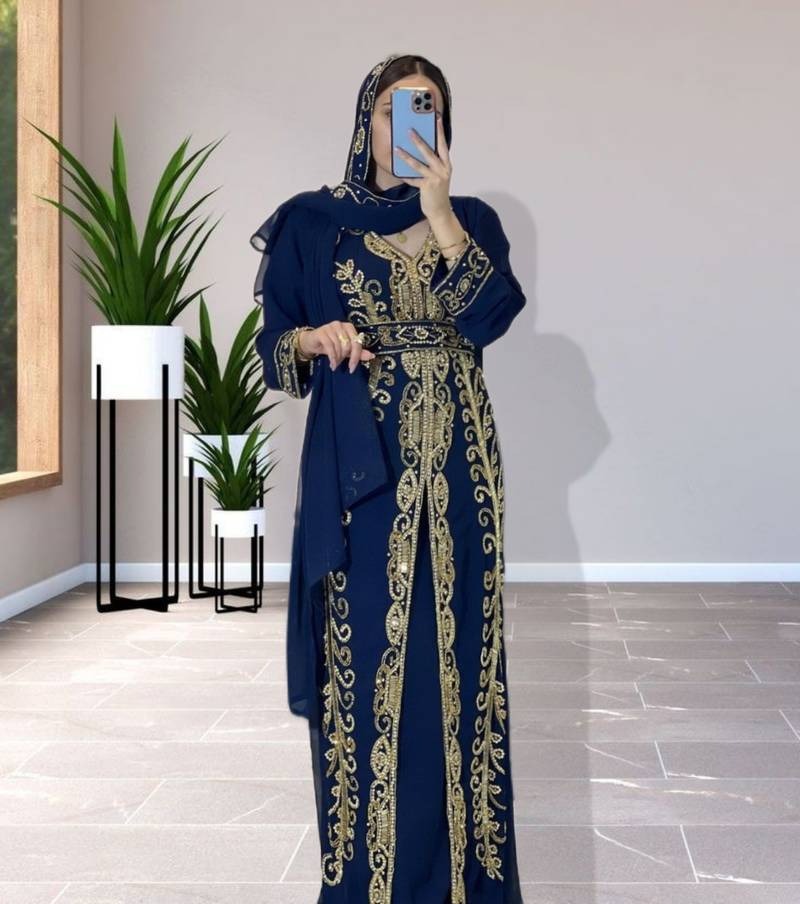
Embroidered kaftans need extra attention. Beads and mirror work can loosen if not handled well. Always store an embellished kaftan separately to avoid friction. Avoid spraying perfume directly on the embroidery as chemicals might dull the shine over time.
Kaftans around the World
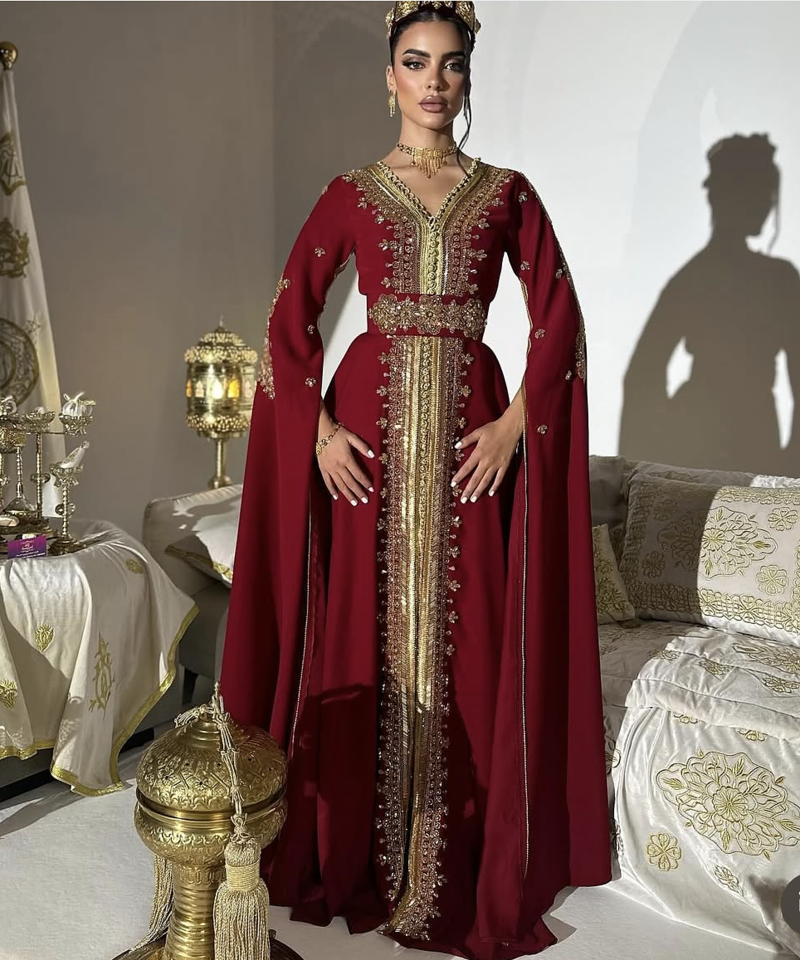
Kaftans are worn across many cultures, each adding its own identity and craftsmanship. Though the silhouette remains similar, the style changes beautifully from one region to another.
- Moroccan kaftans
Moroccan kaftans are among the most luxurious in the world. They are traditionally worn during weddings and major celebrations. These beach kaftan styles often feature embroidery and decorative belts known as mdamma.
- Middle Eastern kaftans
Middle Eastern kaftans focus on elegance and flow. They usually feature long length and soft drapes. Embellishments are often concentrated around the neckline or sleeves.
- Asian and African influences
In Asia, Kaftans often incorporate local textiles and embroidery styles. They blend traditional artistry with modern silhouettes. African embroidered kaftan designs celebrate identity, culture, and individuality through design and color combinations.
- Global fashion trends
Today, kaftans have become a global fashion essential. Designers globally interpret them using modern cuts. From luxury runways to everyday wardrobes, kaftans continue to evolve while maintaining the original essence of comfort.