

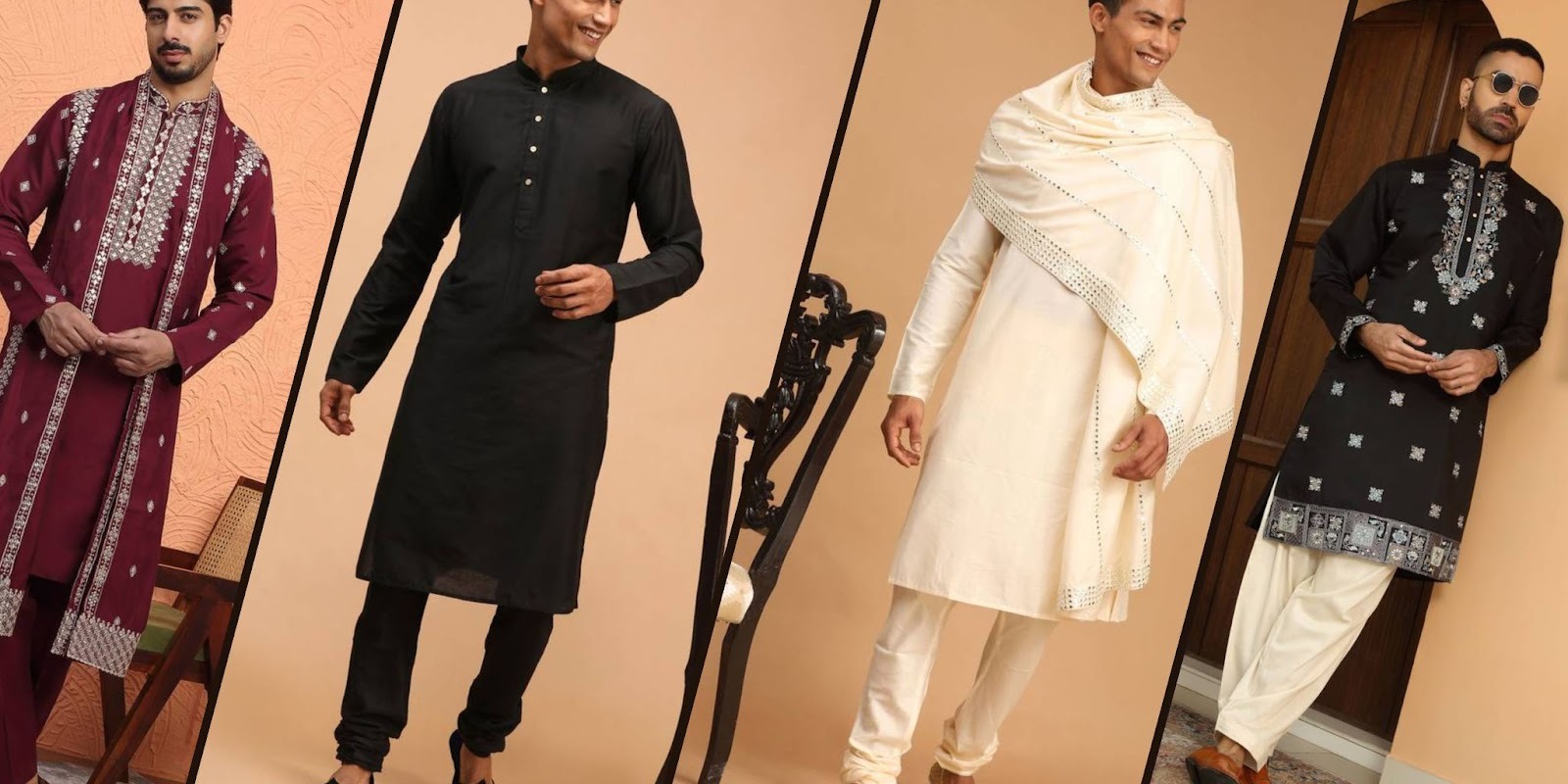
While Islamic women’s clothing has always been in the spotlight, Islamic men’s clothing doesn’t garner just as much attention. Not many know that the principles of modesty and simplicity apply to clothing for men in Islam as well. In fact, in the Quran, the value of modesty was first stressed towards men’s styles before women’s attire. The definition and principles of modesty are simple in Islam. Men are expected to dress up with a certain level of decorum, just as women. Muslim dress for men is supposed to cover from the belly button to the knees. Further, the clothing is meant to be loose and not highlight the shape of the body. However, the requirements don’t just end at clothing choices; men are expected to be careful in their conduct as well to preserve modesty. The Quran just gives its followers the guidelines, but doesn’t specify what clothing is to be worn. Thus, as Islam spread throughout the world, there was a huge cultural influence of each country and region on the Muslim men’s clothing practices. We can see everything from the Thobe in the Arabian Peninsula to embroidered Boubous (Robes) in West Africa. Thus, in this blog, we will journey through the world of Islamic clothing for men and present you with a comprehensive guide about the same.
History Of Islamic Men’s Clothing
The history of Islamic attire for men spans over 1400 years. In fact, many traditional garments worn by Muslim men today can trace their roots to the 7th century Arabia, during the time of Prophet Muhammad. The climate and culture of specific Islamic regions have had a huge impact on Muslim dress for men. For example, the Thobe, which is a tunic-style garment, was adopted for the hot desert climate of Arabia. Whereas for regions with colder climates, such as Central Asia, long coats such as the Jubba are worn over the traditional Thobe. Regional influences are also seen in Chapan coats worn by the Central Asian horsemen. The Ottoman Empire introduced iconic garments such as Turkish Fez caps and Kaftans. In recent years, fashion designers have redefined traditional clothing for men in Islam. Younger generations prefer sleek and well-tailored jubbas and thobes that feature Mandarin collars, minimalistic embroidery, and premium fabrics. These days, Muslim men want to dress stylishly while still retaining the core modesty.
What Are Some Common Types of Islamic Men’s Garments?
- Thobe: The Thobe, also called the Dishdasha or Kandhura, is the most common type of Islamic clothing worn by Islamic men. It is a long, loose robe that is ankle-length and has full sleeves.
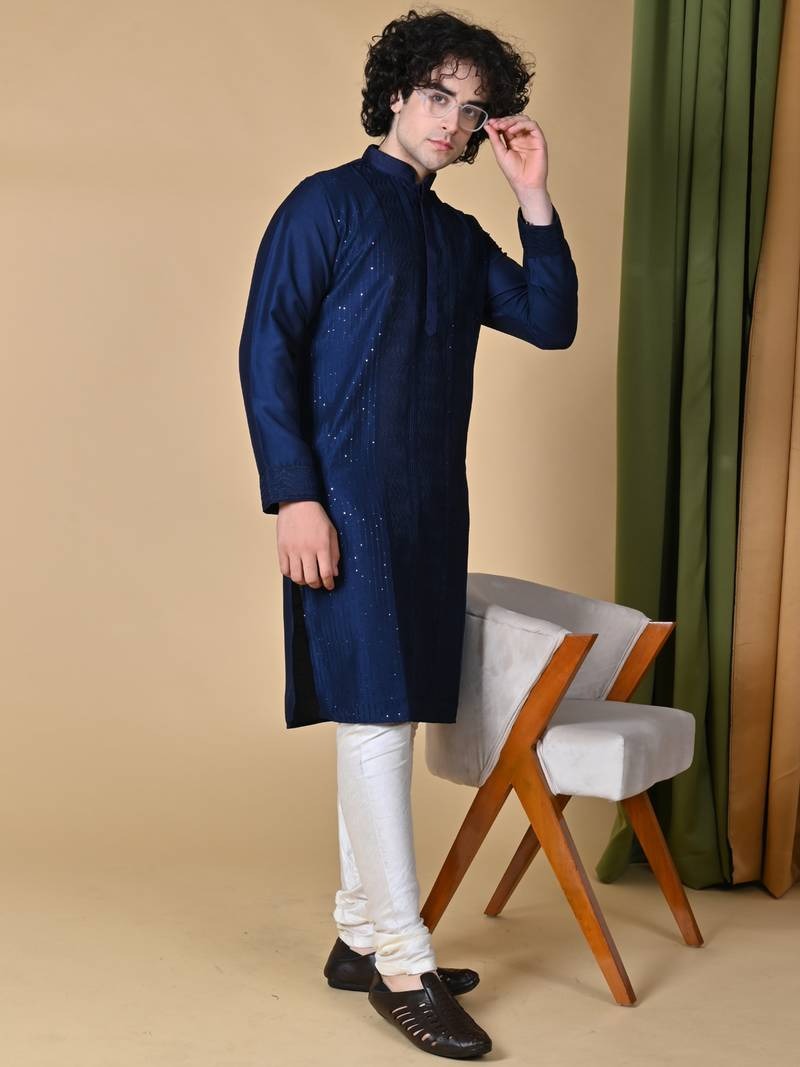
- Kurta and Shalwar Kameez: Popular in South Asia, the Kurta is a loose tunic, often worn with pyjamas. A shalwar kameez is a matching suit coming with loose tunics over loose trousers.
- Jubba: The Jubba is a type of modified Thobe that is often richly embroidered. This clothing style for men is popular in the Gulf countries and is worn during formal occasions and religious ceremonies.
- Ihram Clothing: This clothing is worn by Muslim men when they enter the state of Ihram as they travel to Saudi Arabia for Hajj. This attire is unstitched and simple, focusing on modesty and spirituality.
- Bhist: This refers to the luxurious outer cloak worn over traditional clothing. It conveys status and is worn by leaders and scholars during formal ceremonies.
Islamic Men’s Clothing – Common Types of Fabric and Materials
- Popular Fabrics Used:
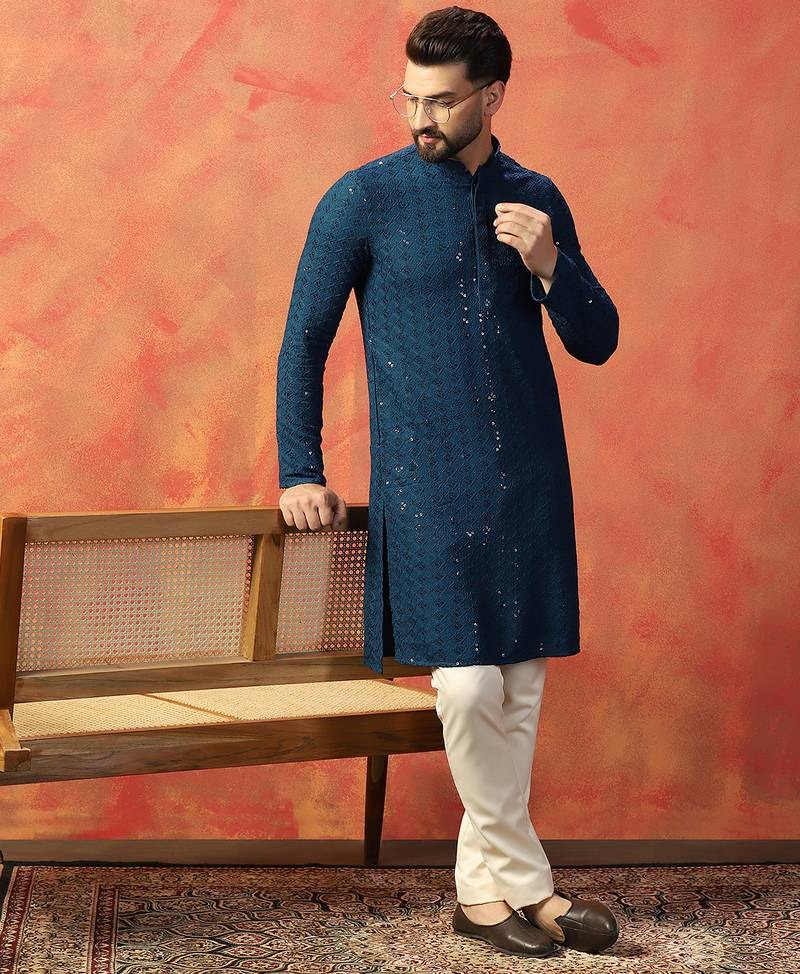
- Cotton: The most favoured material, especially in hot climates, cotton is soft and breathable. Cotton varieties such as Pima cotton are widely used in Islamic men’s styles.
- Linen: Like cotton, it is renowned for its breathability and comfort. This makes it another favourite for crafting Islamic men’s clothing.
- Silk: In Islam, wearing pure silk is prohibited for men. However, garments made from Mashu fabric, which has cotton on the inside and silk on the outside, are popular.
- Wool: Wool is used to craft outer garments, cold-weather wear and formal attire. Most of the ensembles are made from sheep’s or camel’s wool. However, special wool types such as Pashmina, Merino, and Tweed wool are also seen.
- Polyester Blends: These are especially popular for making different styles for men in Islam, as they are soft, strong and easy to care for. These fabrics also hold up well, are wrinkle-free and are considerably cheaper than traditional materials.
- Breathability and Comfort:
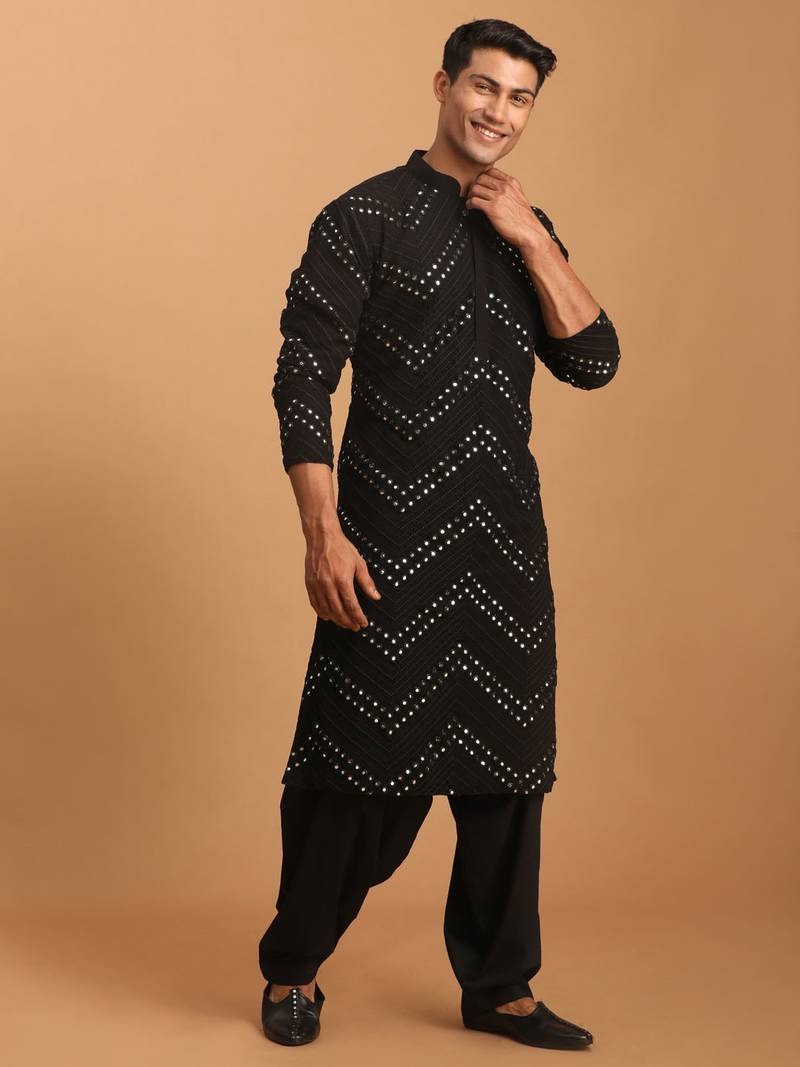
Islamic clothing for men emphasises comfort and modesty. Breathable and soft fabrics such as cotton and linen are preferred. Lightweight polyester and cotton blends are also popular. The ensembles are usually loose-fitting, allowing for air flow. Modern designs also come with moisture-wicking technologies to keep the wearer comfortable and cool.
- Seasonal Fabric Recommendations:
Islamic wear for men has to reflect the changing seasons for the maximum comfort of the wearer. In summer, garments featuring fabrics that promote air flow are chosen. Lightweight and breathable fabrics such as cotton, linen and blended fabrics are the best pick during hotter months. However, during winter, heavier fabrics that provide warmth without feeling bulky are opted for. Garments in fabrics such as wool, cashmere, heavy cotton and flannel are commonplace.
Islamic Men’s Clothing By Region
- Middle Eastern Styles: In countries such as Saudi Arabia, Oman and the UAE, thobes are mostly worn. The Bhist, which is a cloak, is worn over the thobe by grooms and leaders. Apart from this, garments such as the Jubba, Saudi Thobe, Omani Dishdasha, Izar, Keffiyah and collarless shirts are also commonly worn.
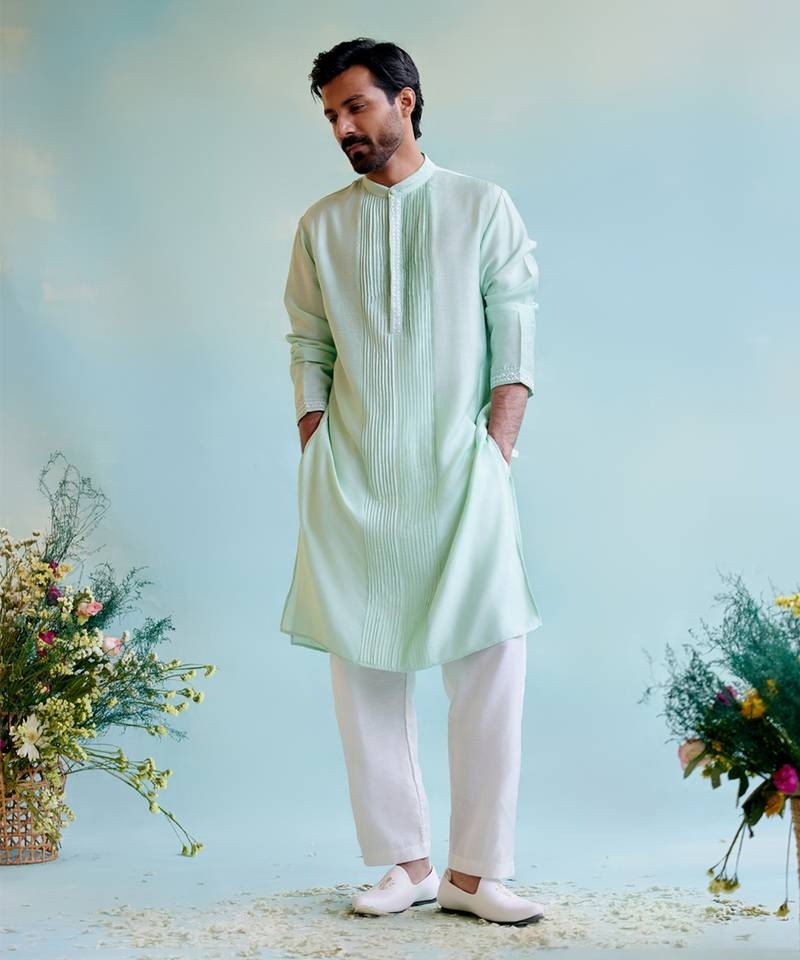
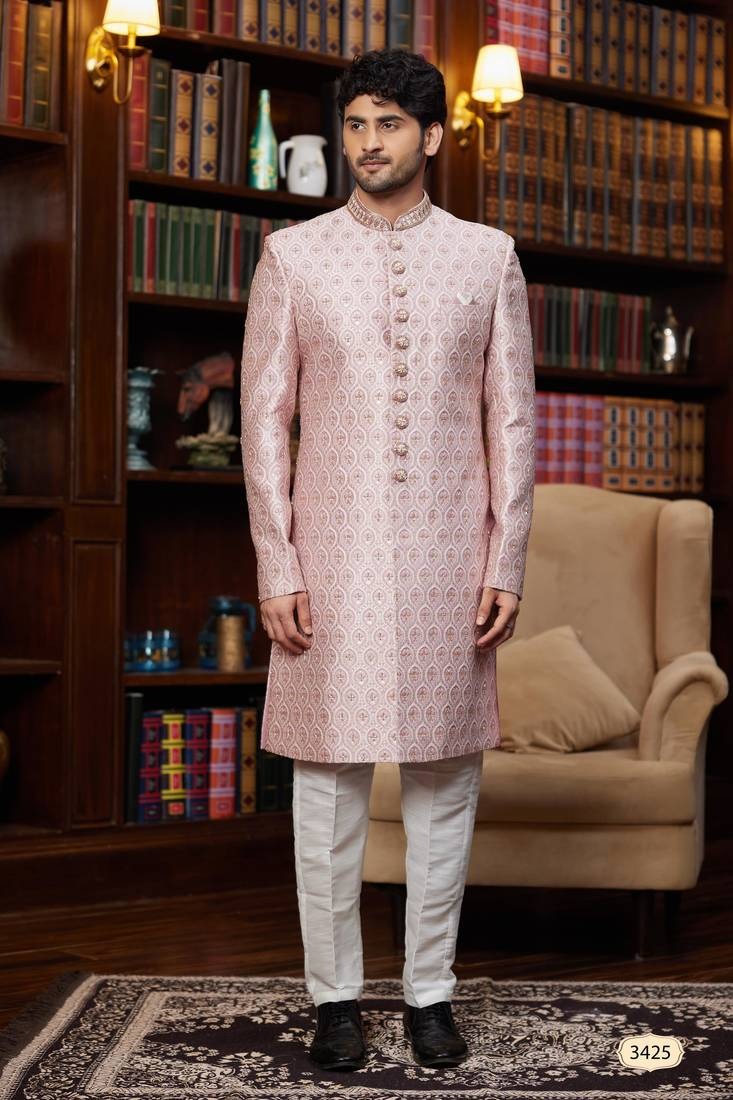
- South Asian Styles: In the south asian countries of India, Pakistan, and Bangladesh, Muslim mens fashion comprises mostly kurta pajama and shalwar kameez. Ensembles such as Sherwani for grooms, Pathani suits, kufi caps, Chapan, and turban are regularly seen.
- African Styles: The question of what do muslim men wear in Africa has a rich and colorful answer. In Somalia, the Macawii, which is a type of sarong is the clothing of choice. Khamees shirts are worn to Friday prayers. Scholars and religious leaders drape the Fiqi shawal. Other popular garments from this region are the Moroccan Djellaba, Gandoura, Babouche slippers, Boubou and the kaftan.
- South Eastern Styles: In Malaysia, the Baju Melayu, which is a hip-length shirt with drawstring pants, is commonly worn. In Indonesia, men pair the collarless Koko shirt with straight trousers. Formal prayer wear in Malaysia and Brunei comprises the Songkok, which is a black velvet hat.
Modest Fashion Vs Traditional Wear
- Cultural vs Religious dress: Knowing the difference between cultural and religious dress is paramount when it comes to Muslim wear for men. In Islam, religious dress conforms to the Sharia and ensures modesty. It also forbids men from wearing certain items, such as gold or silk. On the other hand, cultural dress reflects local, historical and environmental factors. This dress style sometimes pushes the boundaries of religious norms. For example, men’s thobes can be considered to be a form of a cultural dress.
- Modern Modest Fashion Trends:
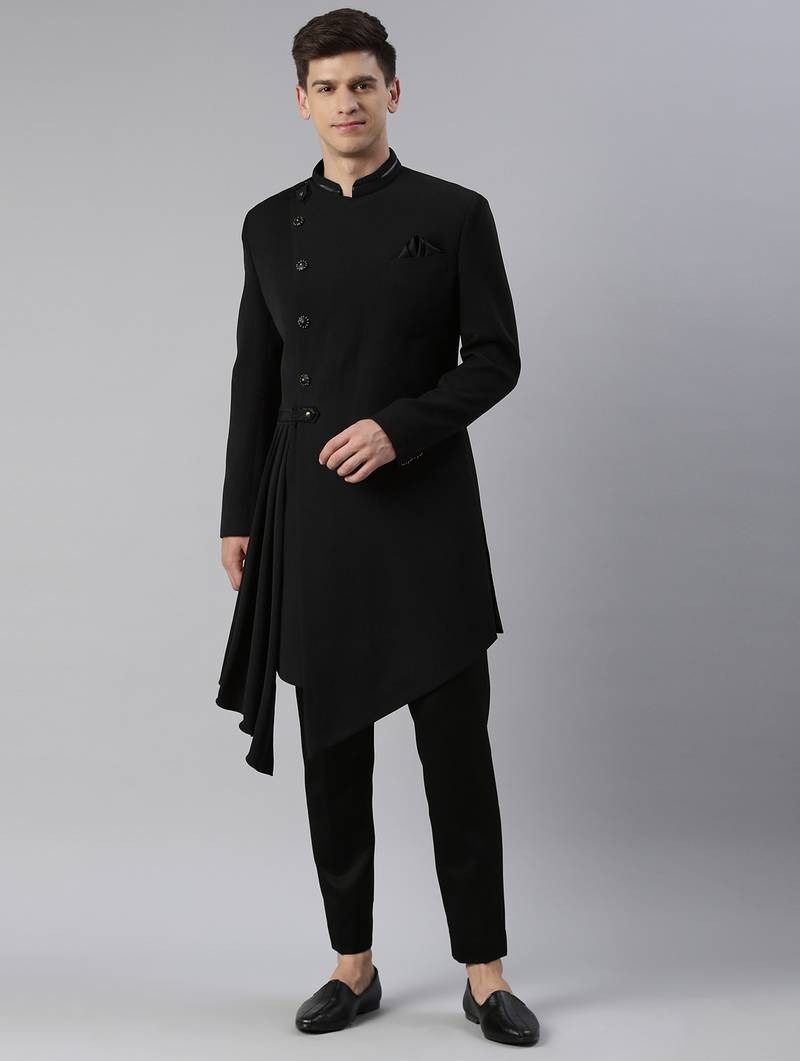
- Dresses such as mens Islamic clothing thobe and kurtas are being revamped with slimmer cuts and asymmetrical designs. We can also see details such as contrast stitches and hidden pockets that add fashionable depth to the modest outfits.
- With the conversation about sustainability getting louder, Islamic stylish clothes for men are now incorporating eco-friendly fabrics such as organic cotton, bamboo, and Tencel.
- As the technology continues to march on, trends such as moisture-wicking summer clothes and lightweight insulated fabrics for winter ensembles are becoming commonplace.
- Latest styles for men also include patterns such as geometrical, abstract prints, strips and checks that add a contemporary edge to traditional outfits.
- Western Influences On Islamic Menswear:
Islamic latest mens fashion has a global appeal to it while still keeping modesty intact. Men are now moving towards modern modest fashion with the adoption of suits, blazers and jeans. Stylish suits for men are replacing the traditional Thobes and Bhists in formal settings. We can also see a rise in hybrid fashion, such as a blazer being worn over a Thobe. Casual wear that adheres to the modest fashion standards, such as t-shirts, polo shirts, and denim are being embraced.
Styling Islamic Men’s Clothing — All The Best Tips
- Fit, length, and tailoring tips: The fit of the clothing should be relaxed, not sloppy. The length should be Sunnah-conscious and proportional. Go for a straight cut instead of a box cut. The ideal length should be mid ankle. If you are tall, then don’t just add length; increase the hem circumference slightly to balance the proportions.
- Footwear Pairings: Polished leather sandals or shoes bring charm to weddings and festive wear. For everyday elegance, go for comfortable loafers or soft leather sandals. If you are going for an all-out traditional look, then traditional Moroccan slippers (Babouche) are a classic choice.
- Accessories: One of the best style tips for men is to accessorise your Muslim men’s look carefully. If your dress is already colorful, then a single bracelet will do the trick. Choose to complete your look with a traditional cap such as a kufi, taqiyah or ghuttra. Scarves add another dimension to your look, while belts help refine the silhouette.
What To Wear To Different Occasions?
While stylish clothes for men in Islam are wide and varied, not all styles suit all occasions. Here’s a simple guide on picking the right Islamic clothing for the right occasion:
- Daily wear and Prayer Clothing: These occasions call for modesty, comfort and functionality. Attires such as thobes, jubbas, kurta pyjama, Shalwar kameez and Pathani suits work well for daily wear and prayers.
- Friday (Jumu’ah) attire: Fridays are a pious day in Islam and are a congregational prayer day. Hence, men take their time to dress with cleanliness, respect and modesty. Thobe, jubbas, and jalabiyas are mostly chosen. For men who prefer a Western look, neat, long-sleeved shirts or polo shirts are popular.
- Wedding and Formal Wear: In Islam, wedding dresses for men include sherwanis and kurta pyjama with a coat. In Southeast Asia, the Sada or Baju Melayu is chosen for the wedding day. Modern Muslim grooms prefer a three-piece suit or a tuxedo.
- Eid and Special events: Eid is the most important festival in Islam, and men go all out with their fashion choices on this day. Best clothes for men include Pathani suits, Dhoti Kurtas, Nehru jackets, and thobes.
Islamic men’s clothing – Colors, Designs and Embellishments
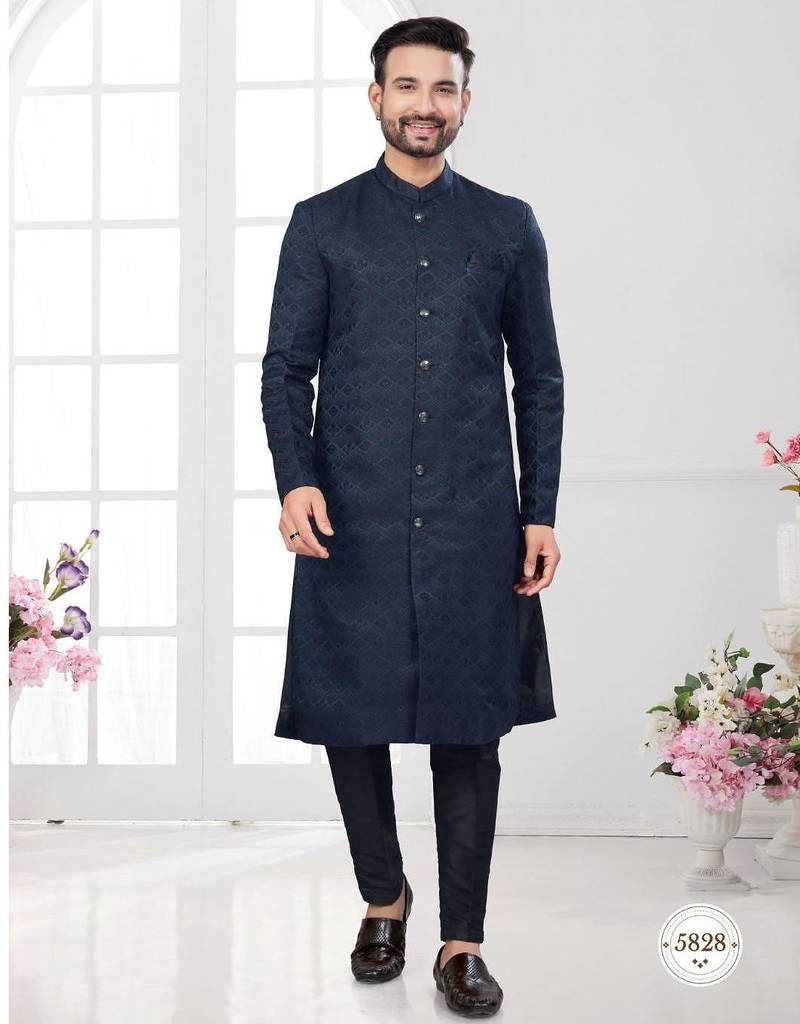
- Preferred and Permissible Colors: Black and white are the most common colors found in Muslim fashion. Apart from these, green, blue, golden, brown, beige and pink are also used.
- Embroidery and Patterns: These embellishments have certain rules to them. Depictions of living beings, such as animals and humans, are avoided. Symbols of other religions are also a big no. Common embroidery styles found in Islamic men’s clothing are geometric, florals, Arabesque motifs, linear and panel embroidery.
- The Art Of Balancing Style With Modesty: The modesty norms, such as covering the Awrah, wearing non-body-hugging and opaque clothing, are non-negotiable. Style comes after these parameters are met. To ensure that a Muslim man looks stylish as well as modest, he can wear clothing that is tailored but not tight. Stylish colors such as white, cream, beige, navy and charcoal make you look fashionable.
How To Care For and Maintain Islamic Men’s Clothing
- Washing and Ironing Tips: Since Muslim clothing comes in various fabric types, it is important to check the fabric before washing it. The fabric label will say whether the piece is dry clean only. Washing by hand with a mild detergent is the safest option. Iron on low heat always, and on the reverse side of the garment so as not to damage the embroidery.
- Storing Tips: You must store Islamic men’s clothing carefully to maintain its longevity. Store the garments in a cool, dry place, away from direct sunlight. This helps prevent any damage or color fading. Use padded hangers and don’t overcrowd your closet to maintain the garments’ shape.
Preserving Fabric Quality: Wear an undershirt to prevent body oils from reaching the outer fabric. Bottom the top button and keep the garment properly aligned to prevent creases. Avoid too many items in your pockets ot heavy accessories to avoid damaging the fabric. Shake out the clothing after wearing and hang it on a broad hanger for a few hours to get rid of any odours and wrinkles.