

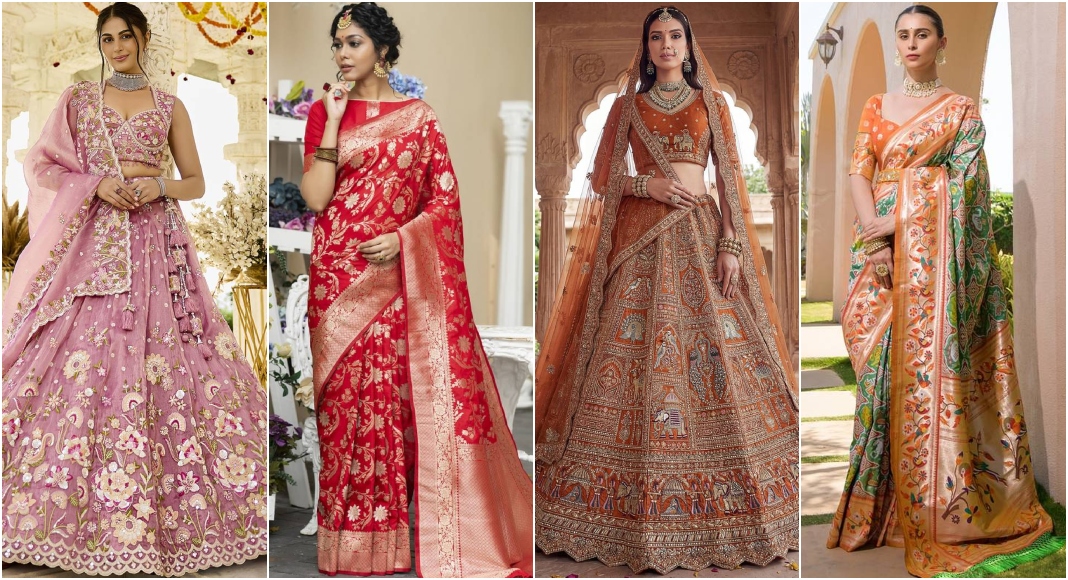
Planning your wedding look is one of those moments you dream about for years. You imagine your outfit, the vibe, the photos and how you feel when everything finally comes together. But then comes the real confusion: should you go for a lehenga or saree? This lehenga versus saree debate is something almost every bride faces. No doubt both are beautiful in their own way. One feels soft, graceful and deeply traditional, while the other feels structured and designed to stand out. The best part is that you really don’t have to follow a rulebook anymore. You can choose what feels right for you, and that’s exactly how it should be.
The Classic Beauty of Sarees
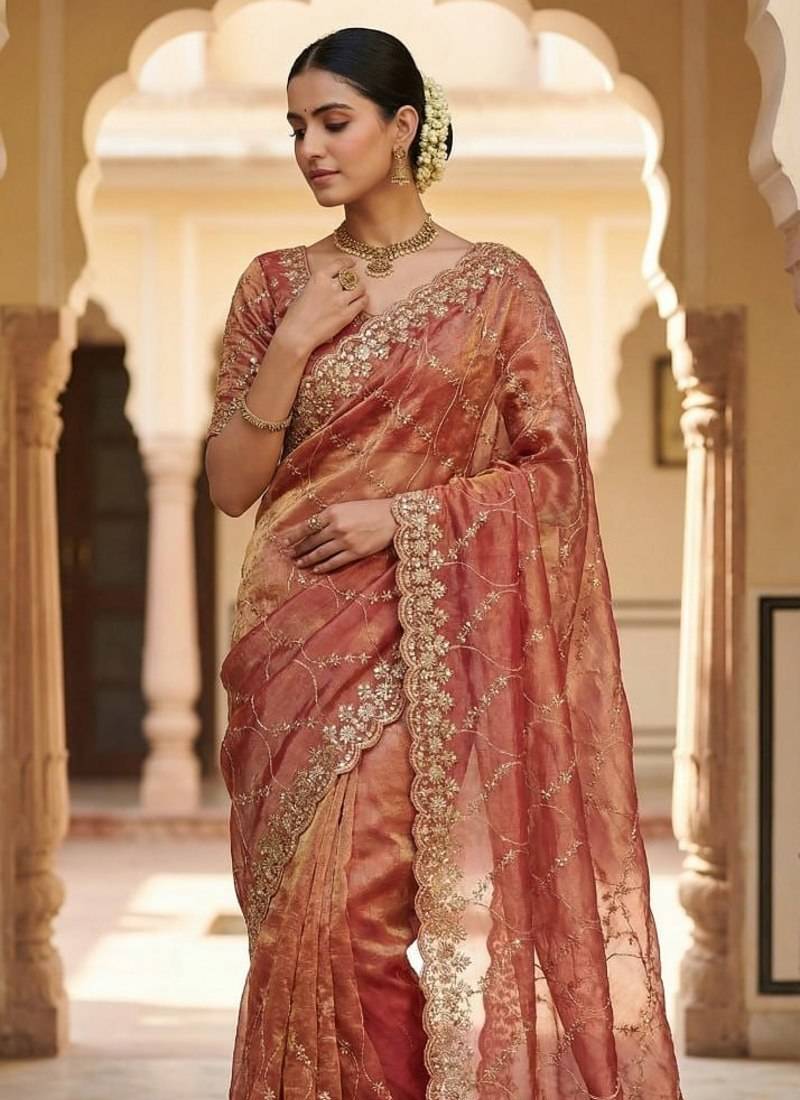
There is a reason sarees never go out of style. They are endlessly versatile and sophisticated. Sarees do not rely on structure or heavy layering; the beauty comes from how naturally they fall and how confidently you carry them. One of the biggest advantages of sarees is how easily they fit into every part of your wedding. A light mehendi saree can feel playful and fresh, while an engagement saree in a softer fabric feels elegant and simple. For the evening, you can go for a more detailed reception saree that adds just the right amount of glamour without being too heavy.
The Statement Power of Lehengas
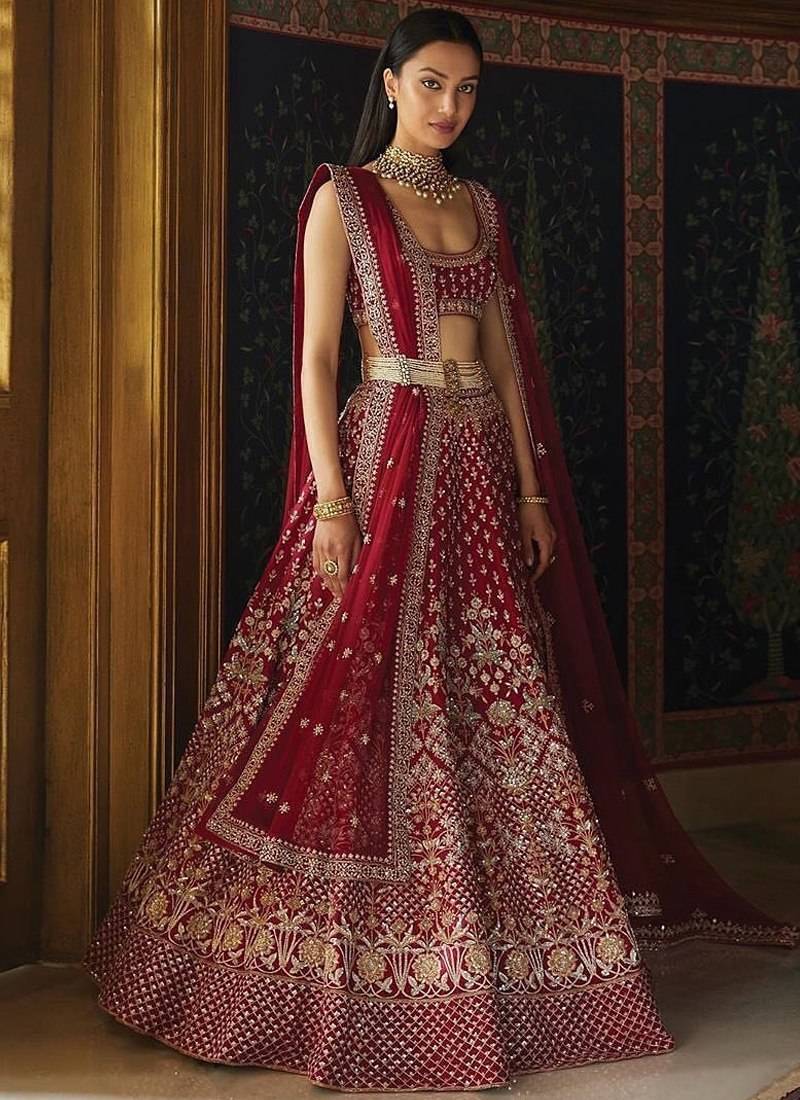
Lehengas feel different the moment you wear them. There is structure, volume and a certain presence that instantly makes you feel like a bride. It feels like a complete outfit designed to stand out. Lehengas naturally create volume and shape, which makes them perfect for a grand entry. The flare embroidery and detailing catch attention without you having to do too much. One of the best things about a lehenga is how flexible it is. You can choose the colors, the embroidery, the silhouette, and everything. Whether you want something minimal or heavily detailed, you can design it exactly the way you like.
Lehenga Vs Saree: What Actually Makes The Difference
When you really think about lehenga vs saree, the difference is not just in how they look but how they feel. A saree is fluid and natural. It moves with you and gives you a softer, more understated elegance. It quietly gets noticed and doesn’t demand any attention. Lehenga is more structured and defined. It creates a stronger visual impact and gives you that classic bridal look in no time.
Fabric Matters: How It Changes the Entire Look
The fabric you choose can completely transform how your outfit feels and looks. With sarees fabrics like silk, chiffon, georgette and organza are prominent choices. A silk sari feels rich and traditional, perfect for wedding rituals while chiffon or georgette gives you a softer flowy vibe and works well for the reception. Organza has a slightly structured elegance without feeling too heavy.
Lehengas on the other hand often come in fabrics like velvet, raw silk, net and brocade. Velvet lehengas look luxurious and are perfect for winter weddings while net or organza feel lighter and more modern for day time weddings. If you want volume without too much weight, layered organza lehengas are trending in 2026.
Choosing the Right Colors: Standout in Every Function
Color plays a huge role in how your bridal look comes together, it sets the tone even before the outfit details are noticed. Sarees beautifully carry classic shades like deep red, maroon, gold, and ivory, giving that timeless bridal feel. If you want something softer, pastel tones like blush pink, mint green, powder blue, or lavender are your best bet for day weddings and intimate ceremonies.
Lehengas make color experimentation easy. Along with traditional reds and pinks, you can even try unconventional shades like rust orange, wine, emerald, green, champagne, and even muted metallics in 2026. Dual-tone lehengas and ombré shades are also gaining attention for adding depth and uniqueness.
Embroidery and Work: What Sets Them Apart
Embroidery plays a big role in how a saree or lehenga looks and feels. Sarees usually keep things elegant and minimal. The work is often focused on the border, pallu, or lightly spread across the fabric. Designs like zari, thread work, or subtle sequins are perfect for weddings and receptions. The overall look stays soft, graceful, and easy to carry.
Lehengas, however, are more detailed and bold. The embroidery is usually heavier and covers the skirt, blouse, and dupatta. You’ll often see rich work like zardozi, mirror work, resham, and stone embellishments that give a grand bridal feel. Because lehengas have structure and volume, they can handle more intricate designs.
Jewellery Styling: What Complements Each Look
Your outfit choice also influences how you style your jewellery with sarees; jewellery tends to be more classic and balanced. Traditional gold sets, temple jewelry or elegant kundan pieces. As the sari itself is fluid, jewellery becomes the highlight without overwhelming your look.
Lehengas allow for bolder styling. You can layer necklaces, go heavier with chokers or even experiment with statement earrings and maang tikas. As the outfit is structured and detailed you can carry heavier jewelry without looking too much.
What Brides Are Choosing in 2026?
Bridal fashion is becoming more relaxed and realistic. As a bride, you don’t have to choose outfits just because they look heavy or bridal enough. You can choose what you can actually enjoy wearing. Lighter fabrics are becoming prominent across both saris and lehengas. Comfort is now just as important as appearance. Fusion styling is also everywhere. Saris are being styled with belts or jackets, while lehengas are paired with capes or minimal dupattas. Color choices are evolving, too. While a red saree will always remain iconic, you can go for softer tones for a fresh and modern feel.
At the end of the day, your wedding outfit is not just about trends or comparison. It’s also about how you feel when you wear it. Whether you choose a sari or a lehenga, what people will remember is your confidence, your smile and how comfortable you looked in your own skin.