Home Blog Page 2

What are Popular Party Wear Lehenga Trends in 2026?

0

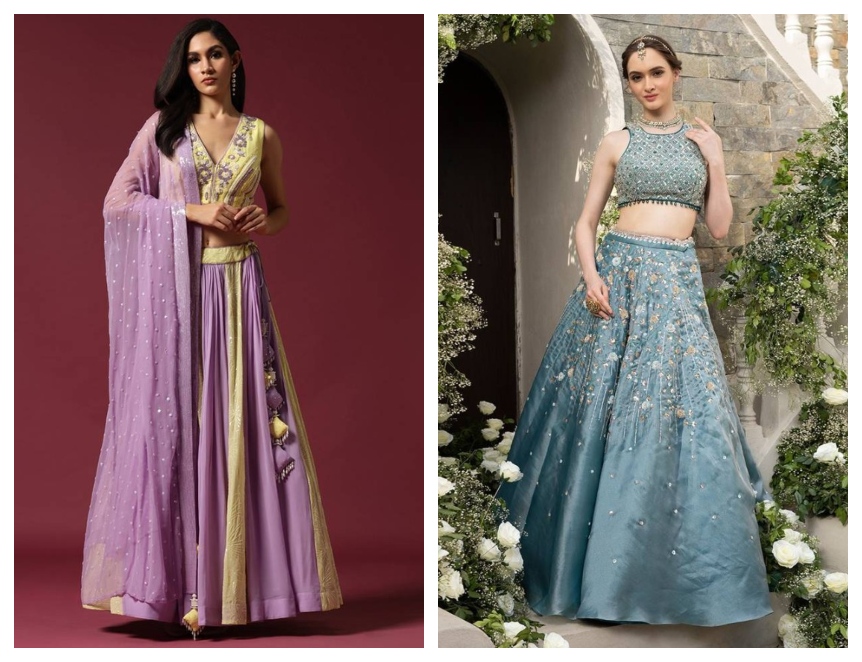
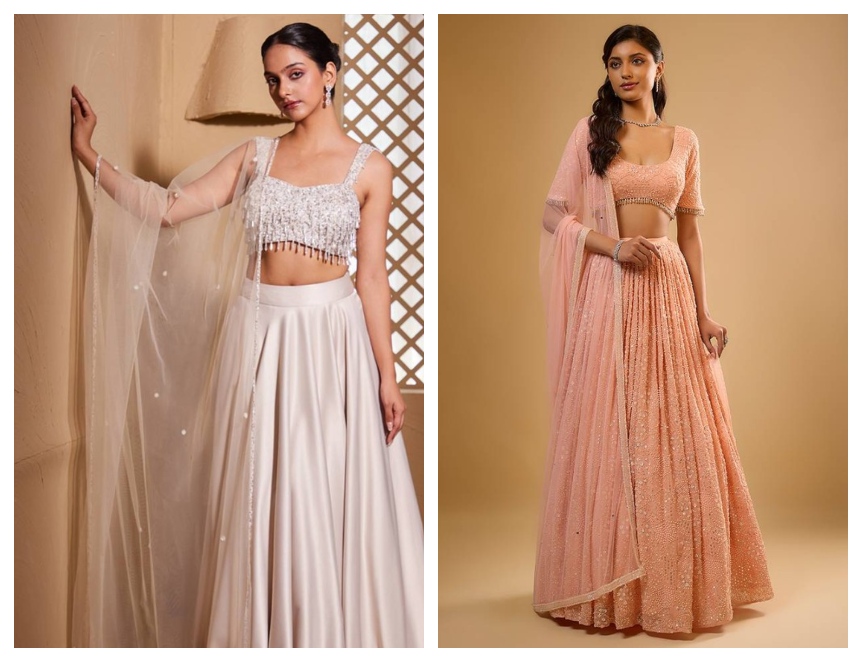
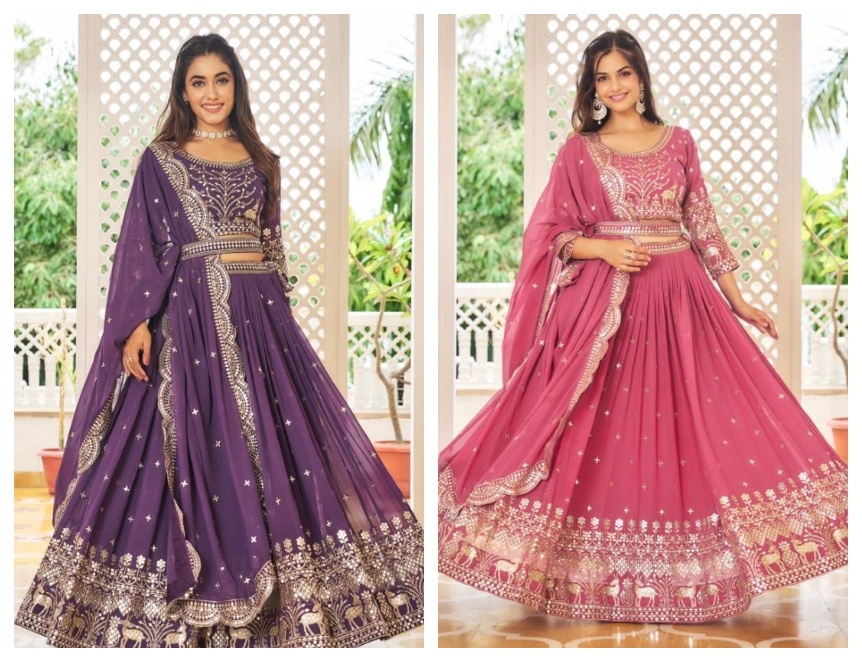
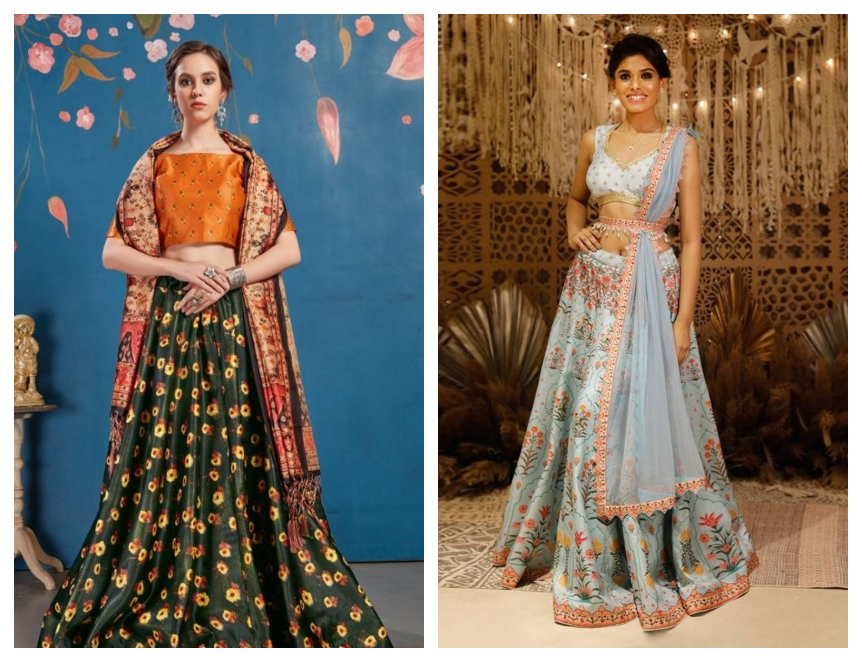
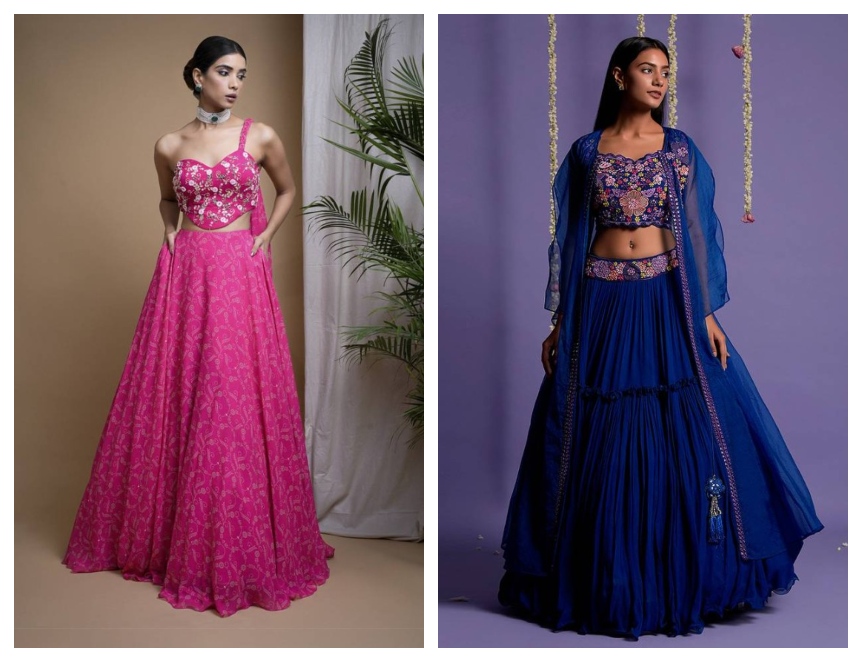
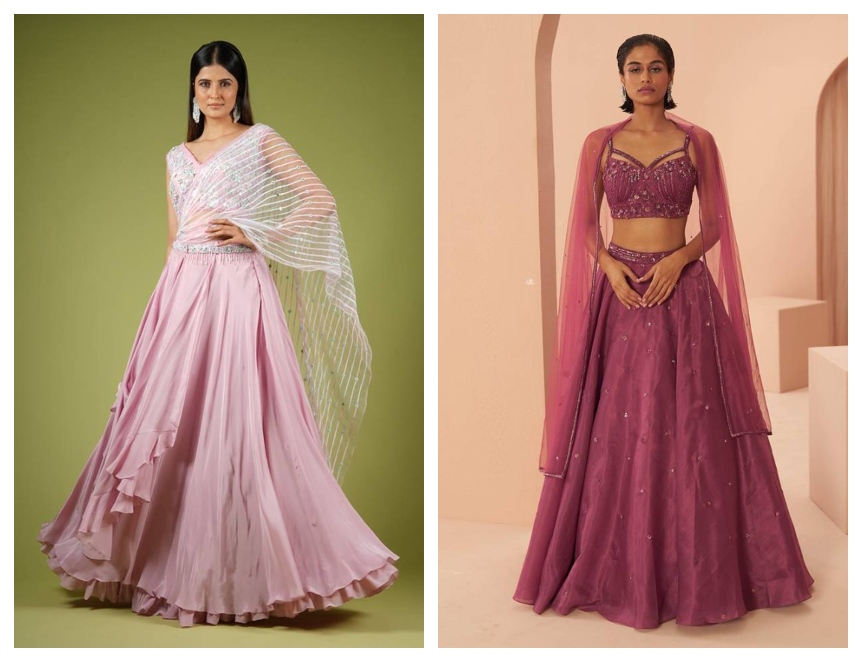
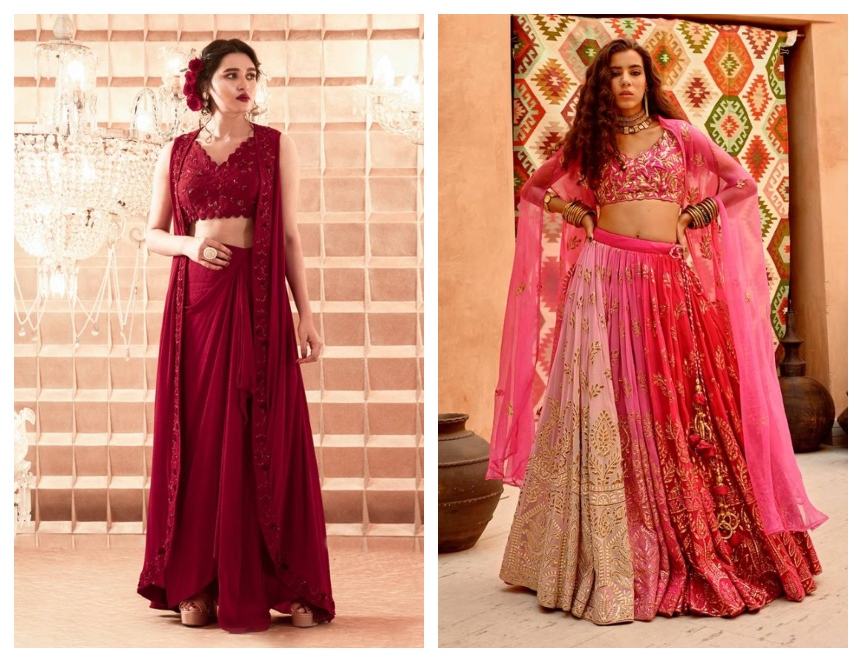
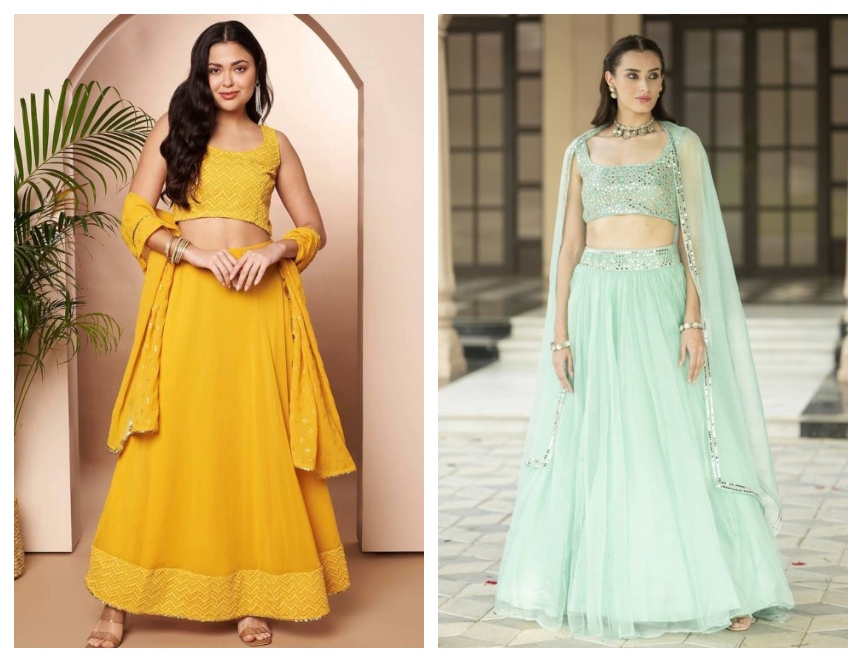
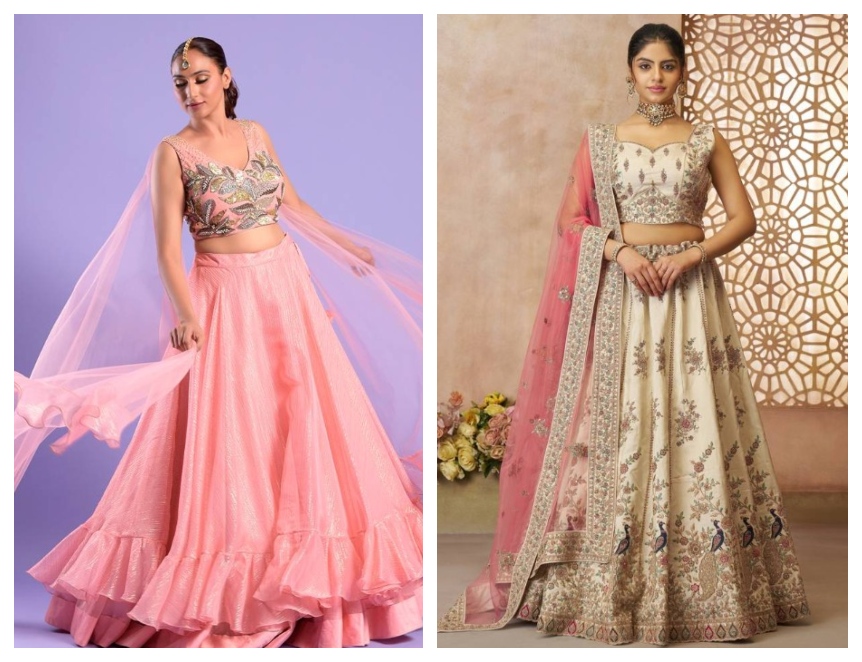
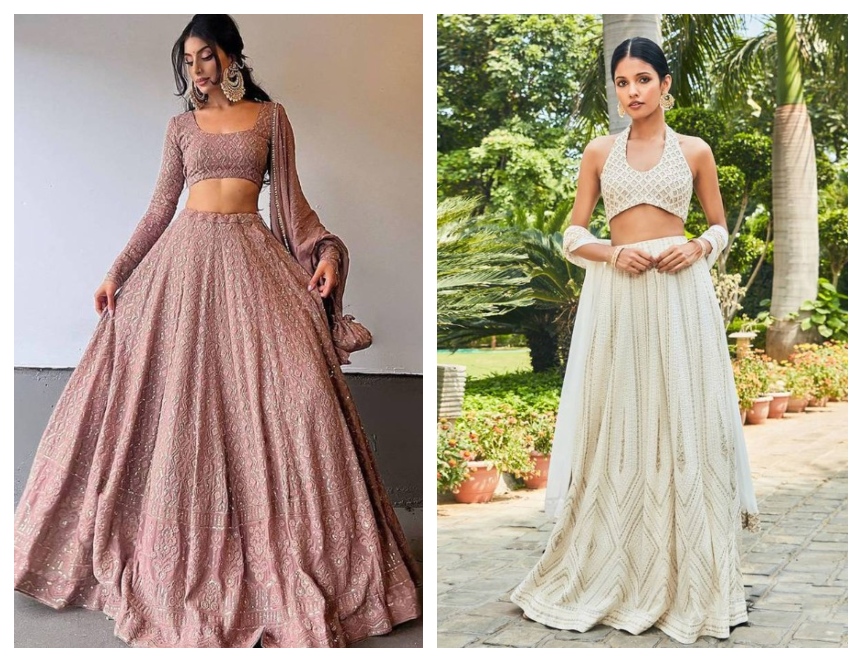
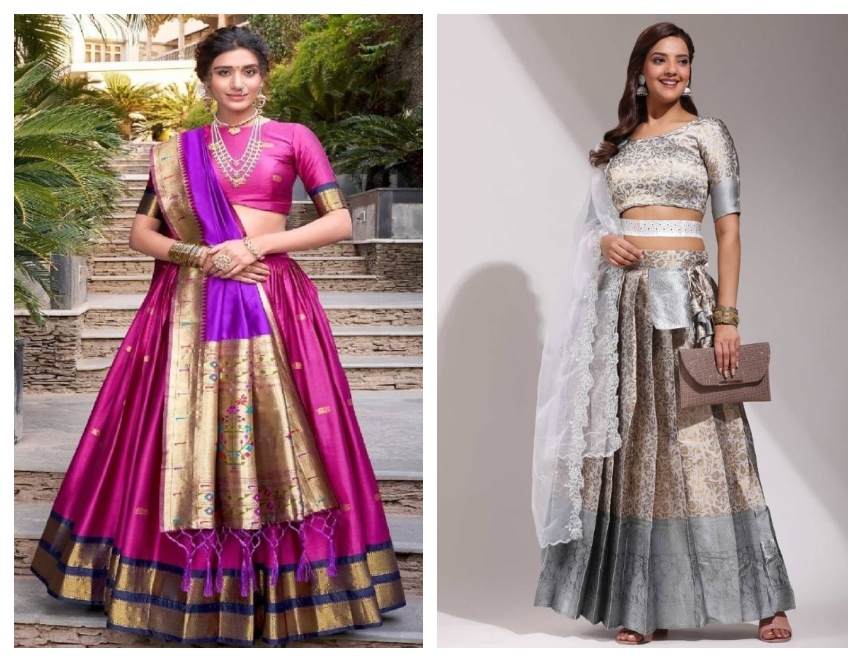
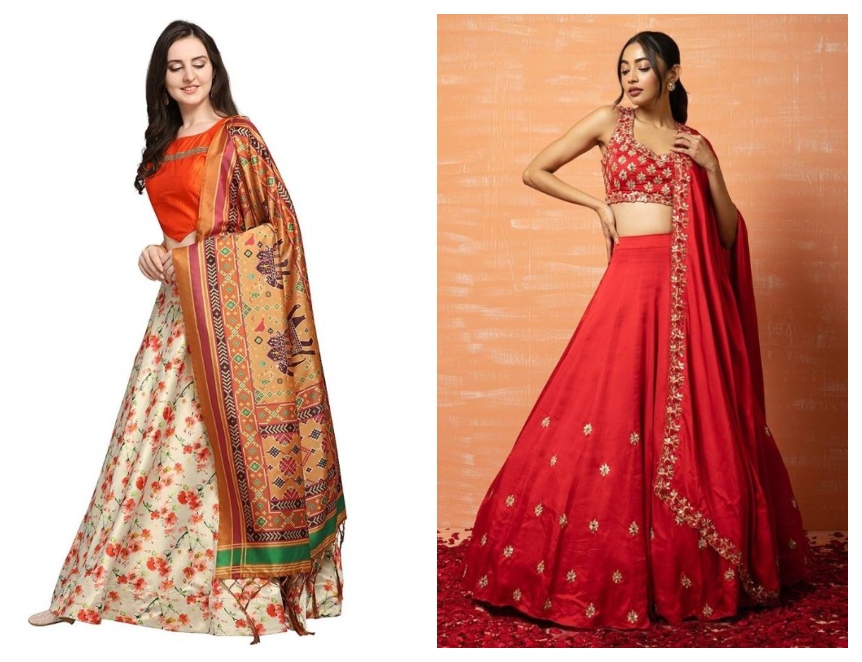
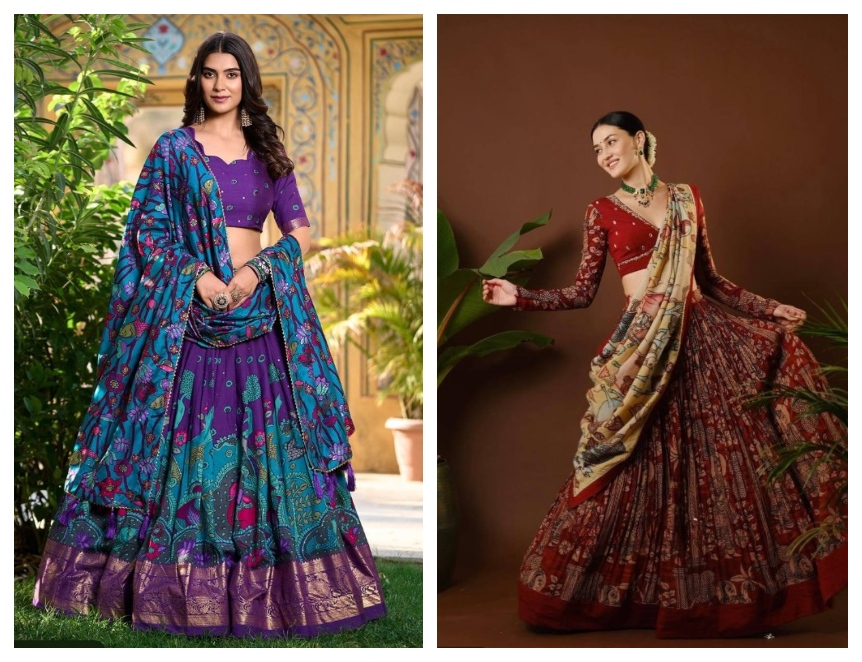
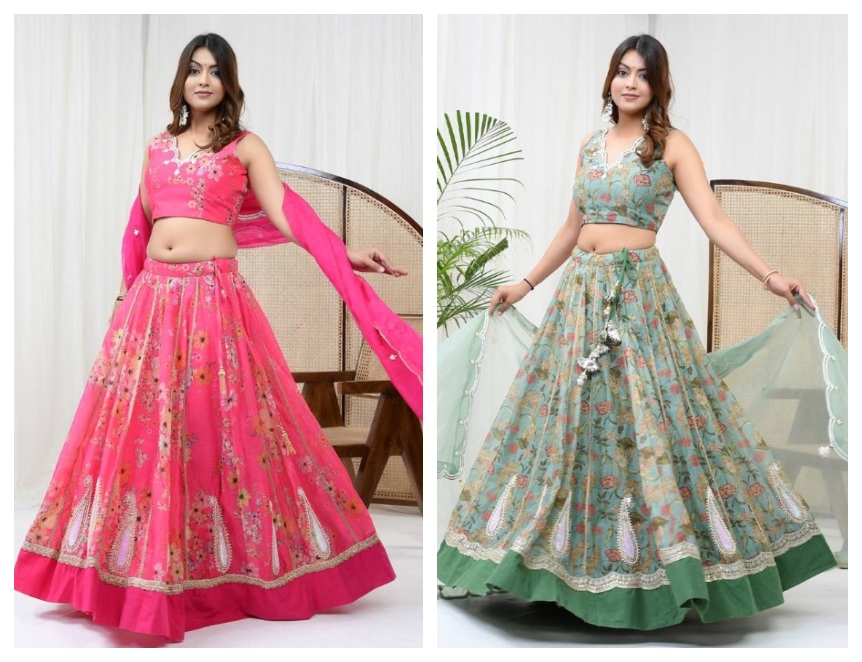
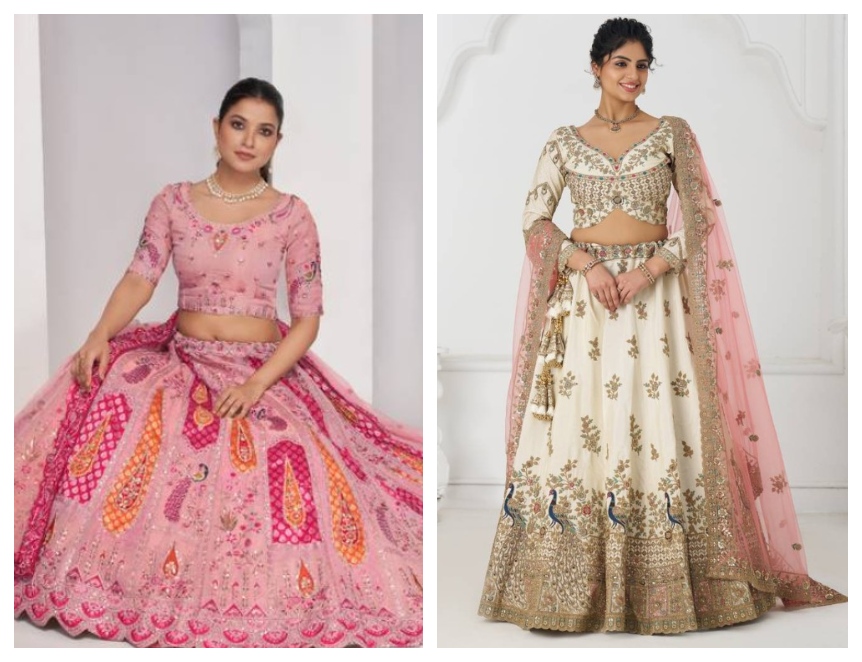
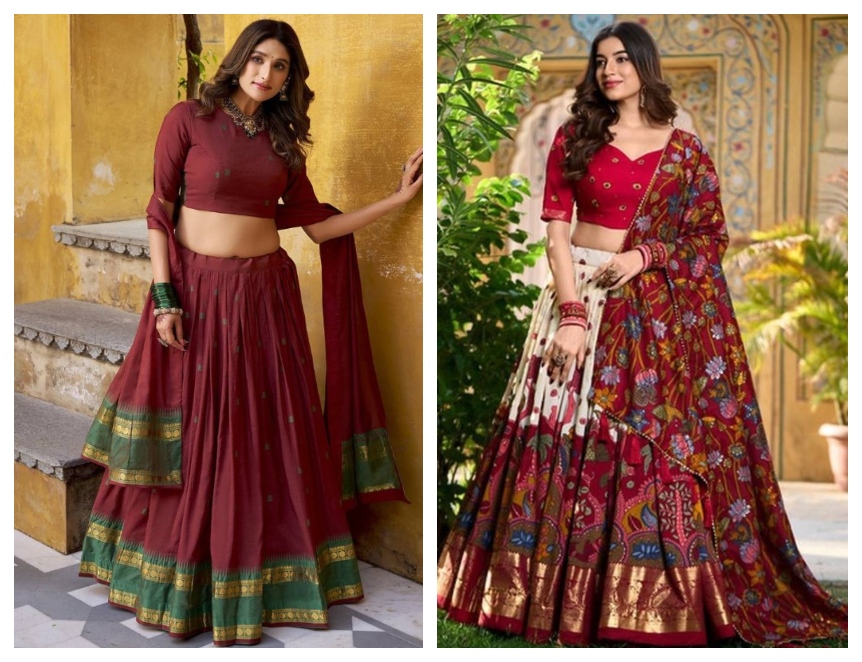
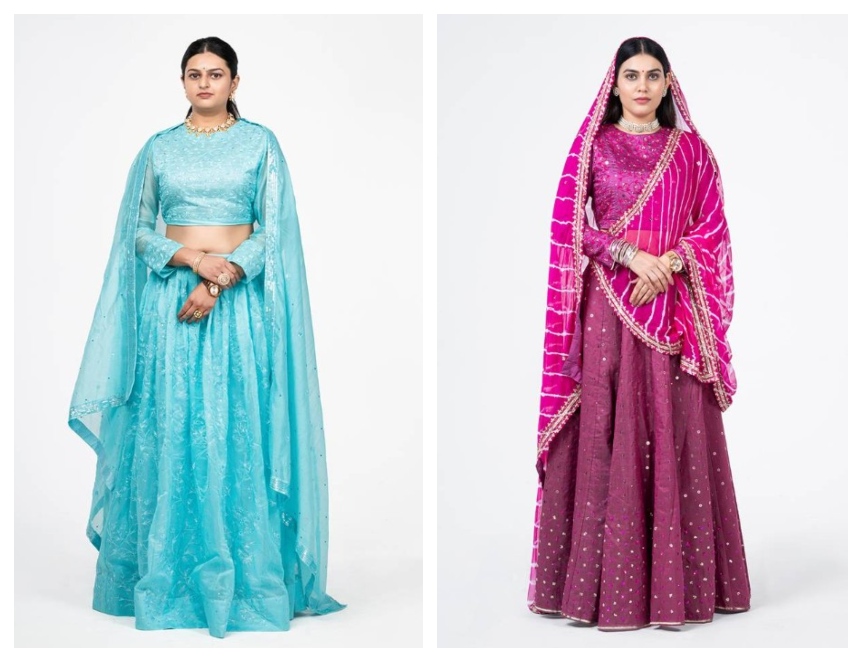
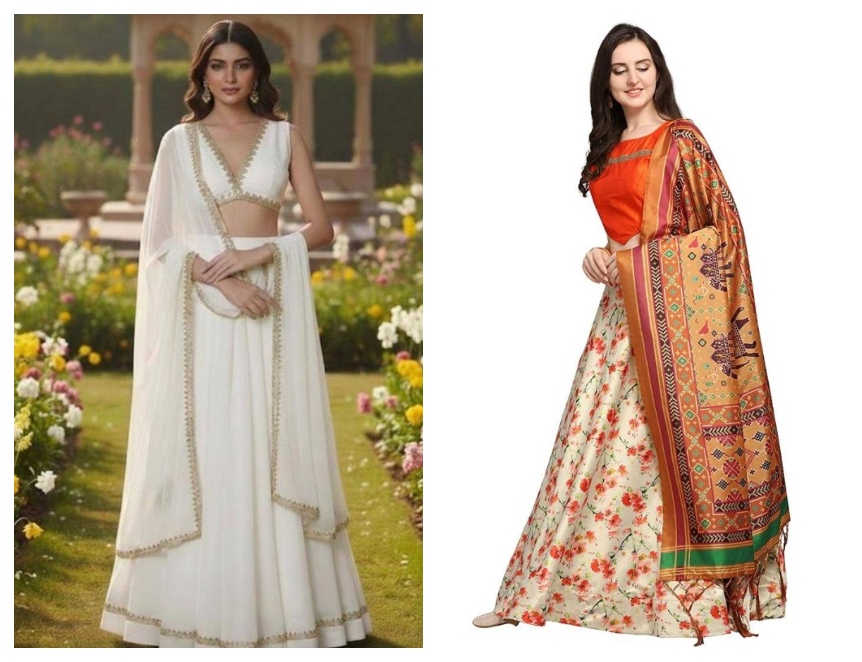
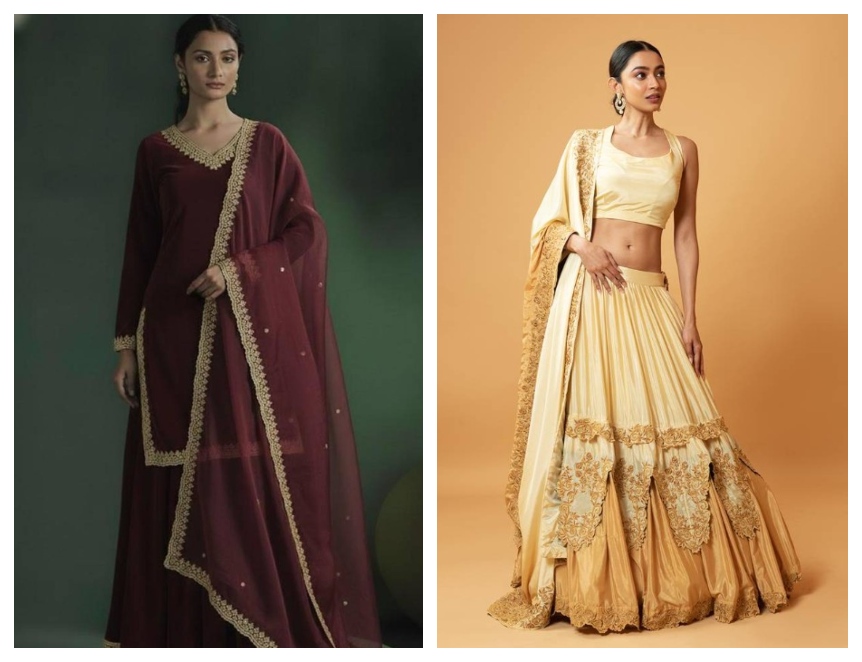
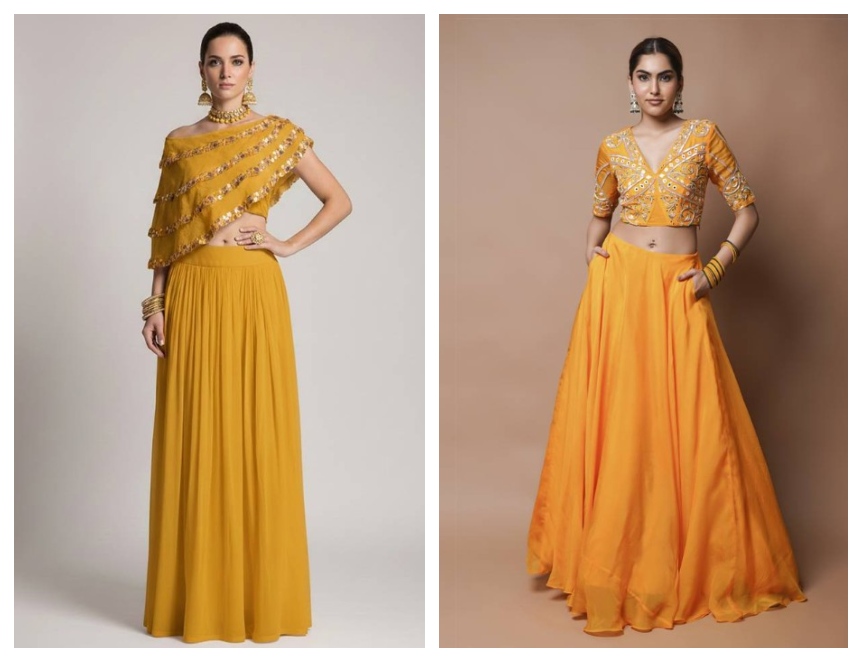
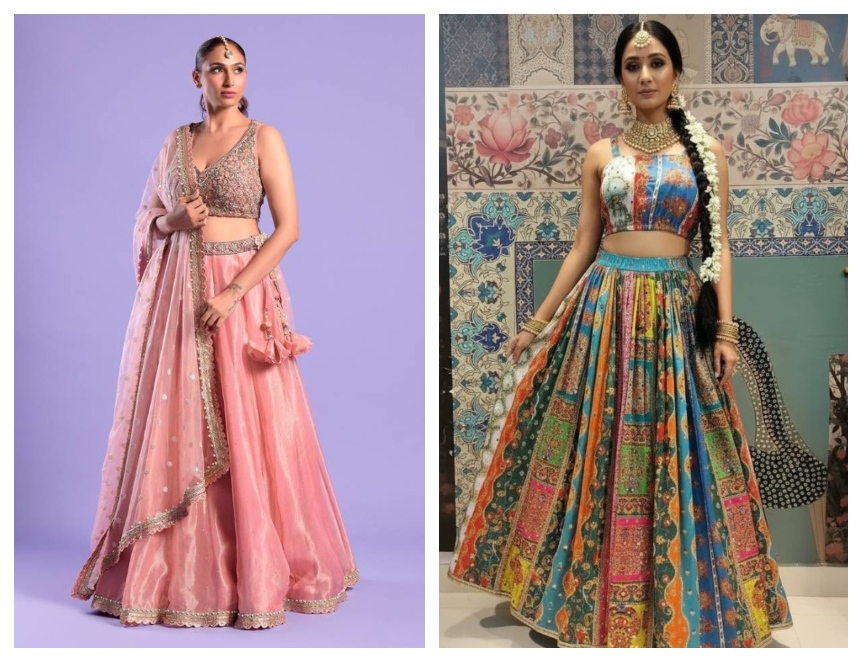
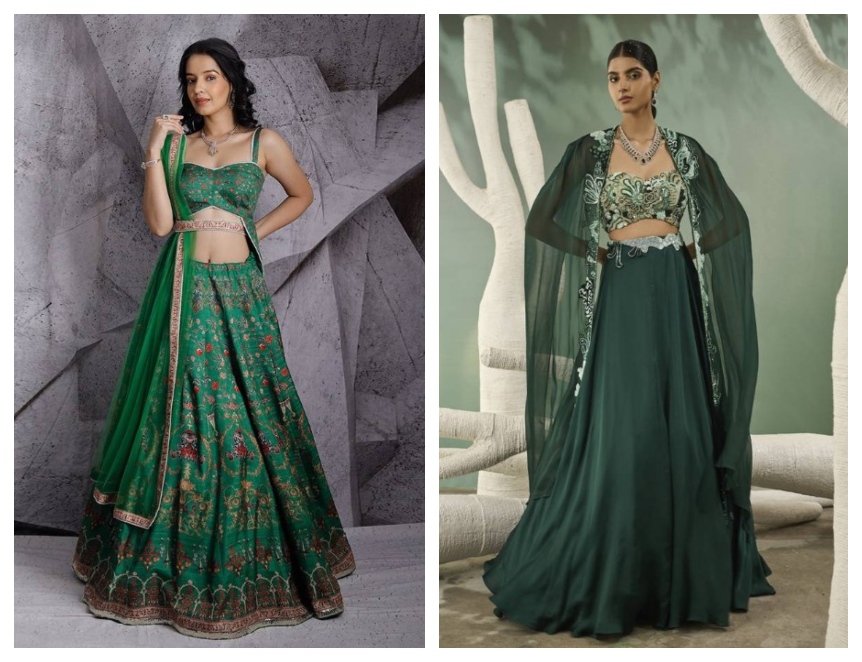
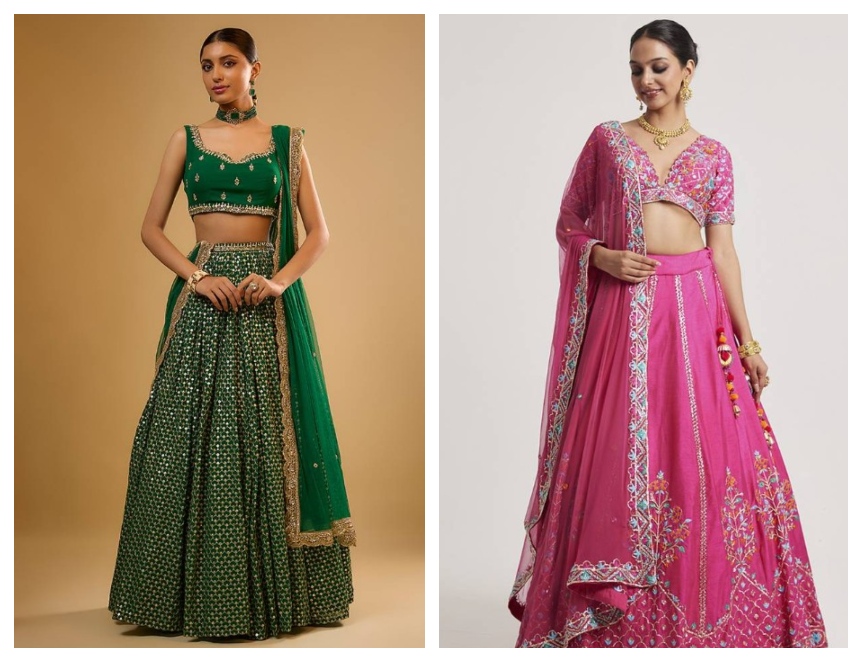
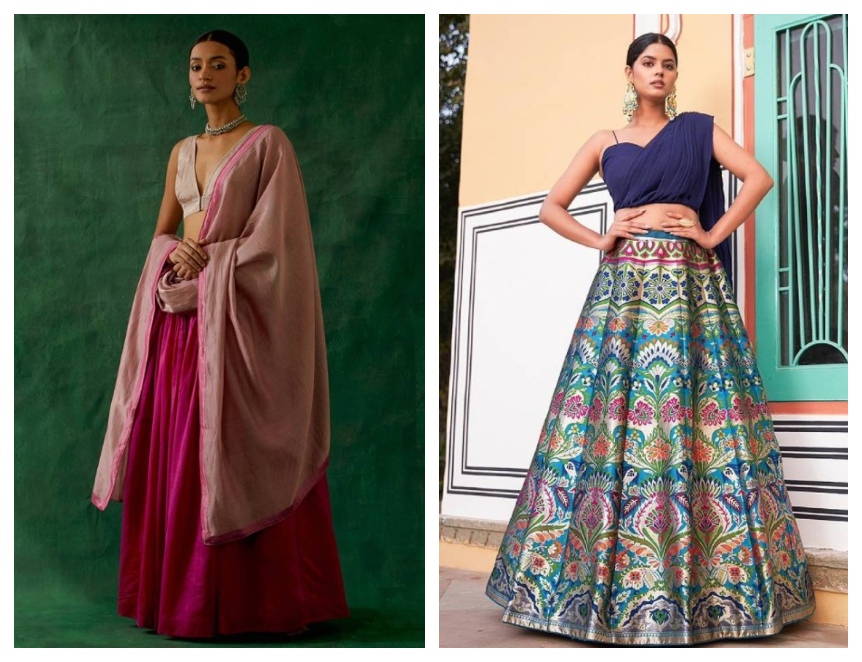
A party wear lehenga is more than just an outfit – it is the embodiment of finesse, class, and sophistication. Party lehengas have always been popular, but they are now garnering fresh love in 2026. Whether you are getting ready for a cocktail party or a pre-wedding celebration, a party lehenga set will instantly add glamor to your look. This year, we are seeing a fashion evolution in party wear lehengas. So, what party wear lehenga trends are going strong in 2026? Read this blog to know all about them.

  • Pastel hues and Modern Color Combinations:

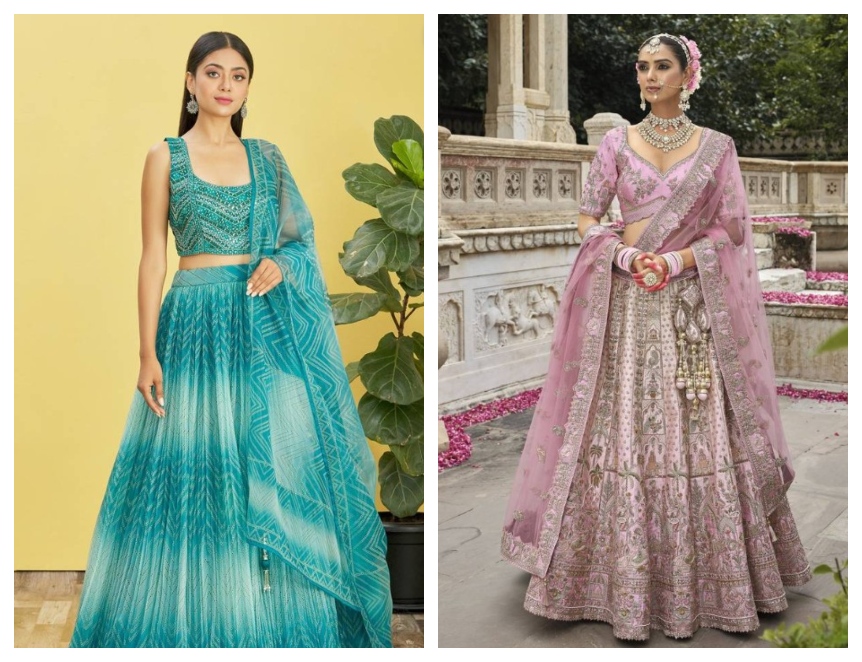
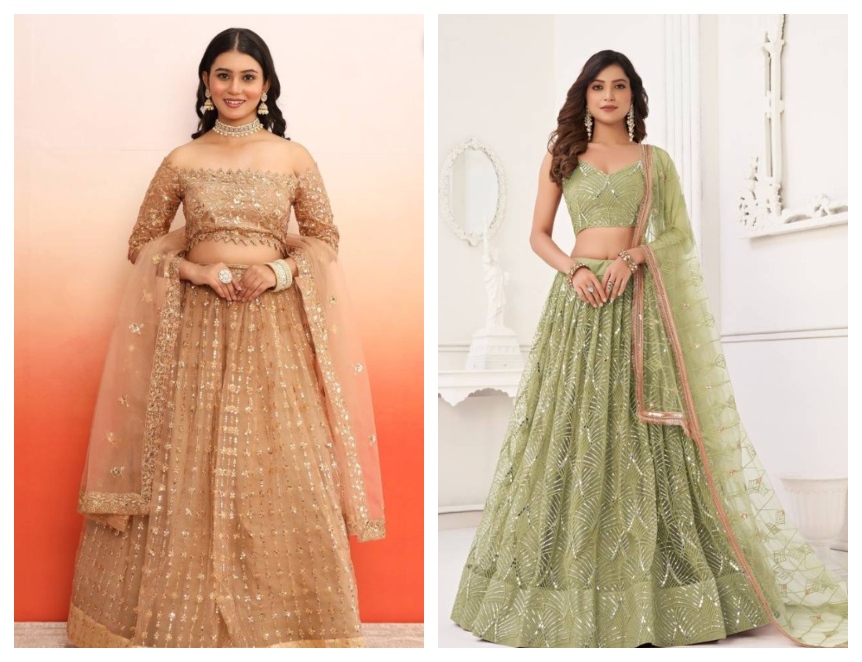
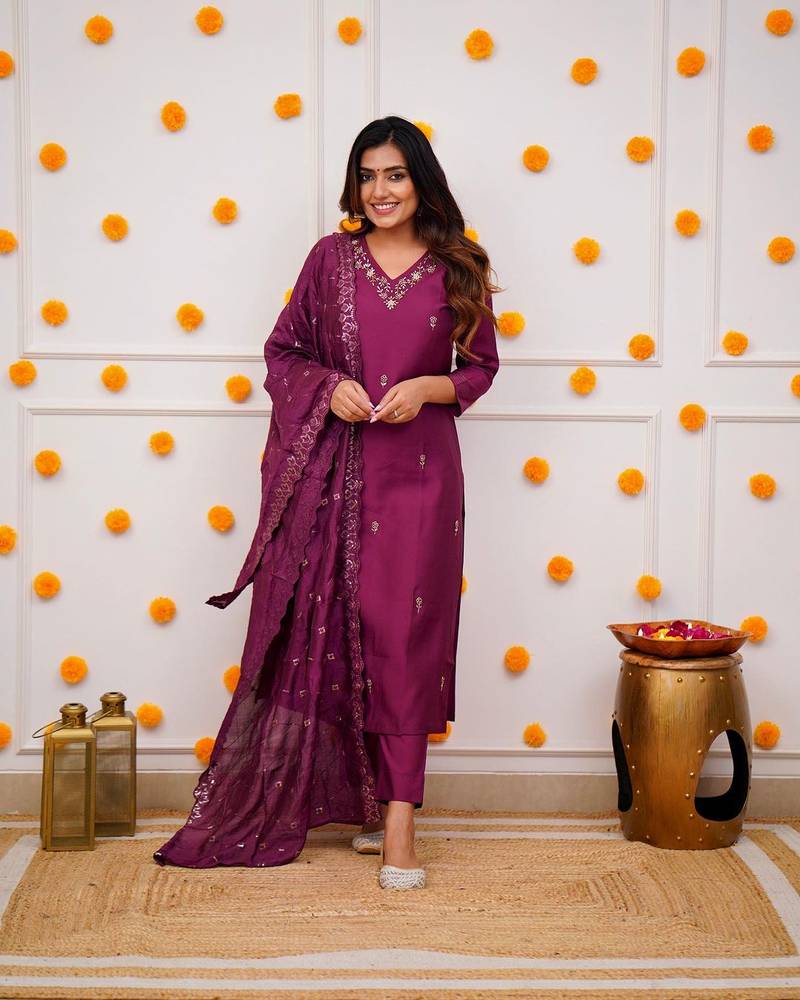
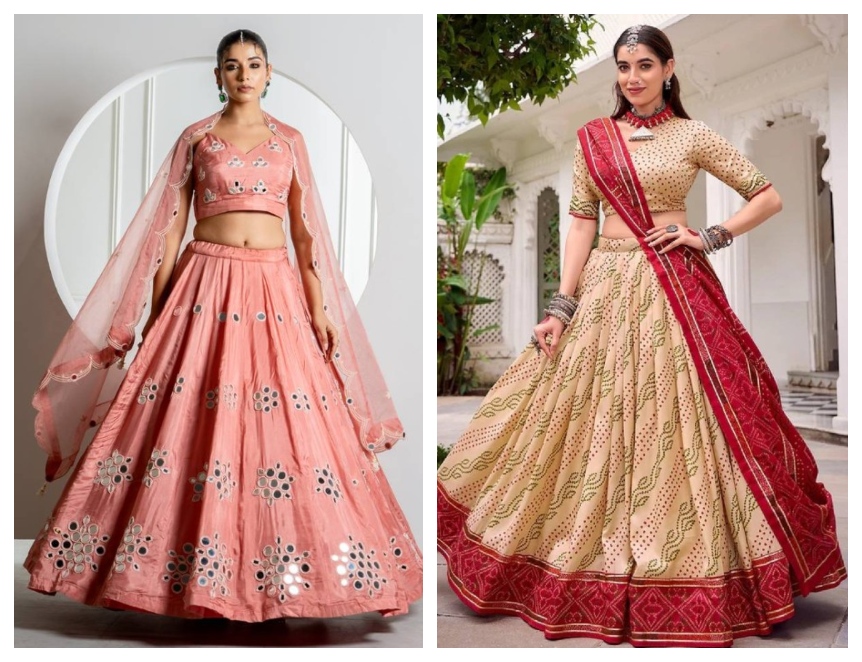
Pastels and unconventional color palettes have transformed the party lehenga. While the traditional reds and maroons are popular, party goers now tend to lean towards softer and muted tones. Pastel shades such as blush pink, lavender, baby blue, and sage green bring freshness to the party lehenga choli. Apart from pastels, out-of-the-ordinary colors like metallic silver, burnt orange, deep wine, and icy grey are also reinventing the party lehenga look.

  • Airy and Effortless Fabrics:

The era of heavy and stiff fabrics is over. Women are now increasingly opting for lightweight fabrics that they can easily move around in. Since the celebrations often involve long hours of dancing, moving, and posing for pictures, this trend makes sense. Fabrics like georgette, crepe, net, chiffon, and organza are popular choices for party wear lehengas. These materials drape gracefully and create a graceful silhouette that moves with you.

  • Minimal Embellishments:

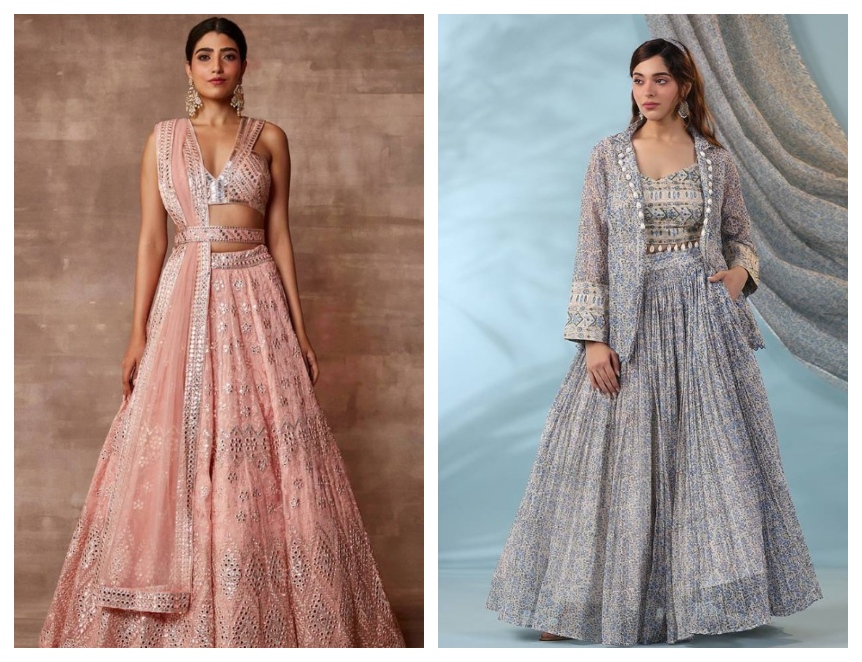
With the advent of the clean girl look and the philosophy of less is more gaining traction, gaudy and heavy party lehengas have taken a back seat. In 2026, party wear lehenga cholis are decked out beautifully with minimal embellishments. You can see details such as cluster sequin work, graceful mirror work patterns, and strategic zari and zardozi work. These embellishments add glamor to the outfit without overpowering it or making it heavy.

  • Fusion Jacket and Cape Style Lehengas:

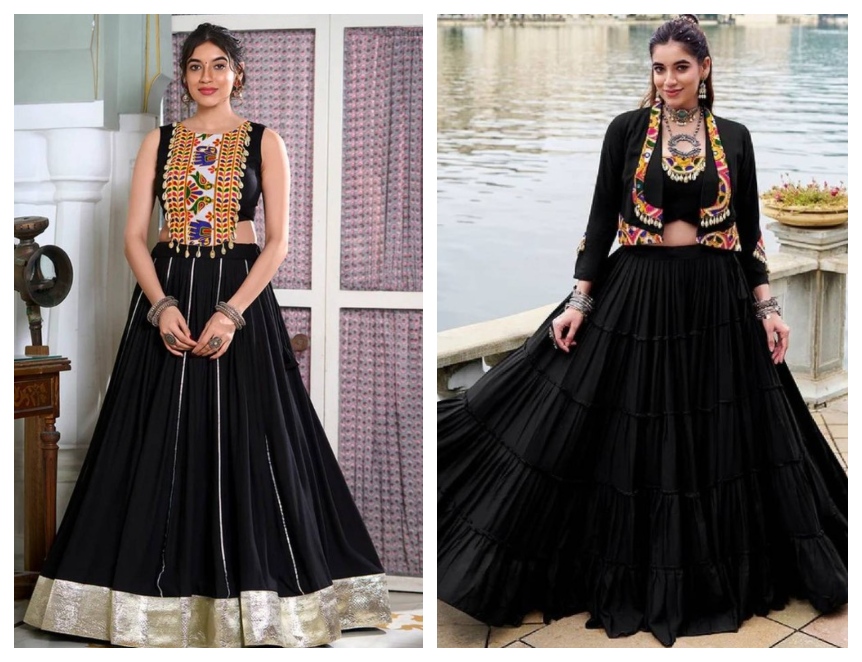
The silhouette of the party lehenga set has been reinvented with the cape style and jacket lehengas. The jacket-style party lehenga involves replacing the traditional choli with a long or short jacket. On the other hand, cape-style lehengas come with a flowy cape instead of a dupatta. Both these styles offer a contemporary appeal as well as add structure and dimension to your look. They are perfect for fashion-forward styling.

  • Party Lehengas with a Belt:

Another much-loved party wear lehenga choli trend this year is pairing a belt with your lehenga. This cinches the waist and adds extra definition to your lehenga silhouette. The belt can be made up of fabric or metal. Beads and sequin embroidered belts paired with an chiffon or organza lehenga look ethereal.

  • Fusion and Indo-Western Details:

Fusion and Indo-Western elements have completely transformed the party lehenga in 2026. Designers are now experimenting with contemporary cuts and layered designs to create unique outfits. One of the most popular fusion trends is wearing a crop top with a choli. Structured silhouettes, plunging necklines and dramatic sleeves add a touch of modernity to the traditional look. If you love experimenting with your style, then this trend is just for you.

  • Digital and Floral Prints:

Printed party lehengas are huge in 2026, and digital and floral prints are leading the charge. They have brought a refreshing twist to the traditional lehenga silhouette. Floral lehengas are always trending. From delicate petals to dramatic botanical blooms, these prints add romance and femininity to your look. On the other hand, digital technology has allowed us to create detailed patterns, abstract art, gradient effects and much more. These prints feel fresh and modern.

Final Thoughts:

Thus, party lehenga choli trends in 2026 are innovative, charming and elegant. The party ensemble of today has seen a complete transformation. Today, the lehenga isn’t just reserved for weddings and festivals — it has transformed into an outfit that celebrates individual style, evolving taste and modern femininity.

Top Reasons Why Party Wear Lehenga Cholis Steal the Spotlight

0

Heading out for a cocktail party or a festive celebration? Leave those sarees and designer dresses behind and try something new. If you want to shine in style, then choosing a party wear lehenga is your best bet. Every occasion deserves an outfit that will match its vibe, and nothing exudes the festive spirit like a party wear lehenga set. Glamorous and easy to wear, you will be looking your very best as you dance to the beat of the music or pose for photos under stage lights. If you want to know more about why party wear lehenga cholis are special, then read along. In this blog, we will go over the top reasons why a party lehenga deserves a spot in your closet.

  • Seamlessly Blends Tradition and Modern Glamor:

In these lehengas, the three-piece set of a skirt, choli, and dupatta remains the same, but designers are now experimenting with crop-top blouses, off-the-shoulder necklines, cape dupattas, and structured corset cholis. This serves to add a stylish, modern look to the age-old silhouette. Traditional embroidery techniques such as zardozi, zari, and mirror work are being imagined in new and innovative ways. Thus, party lehengas are truly the perfect balance of tradition and modern glamor.

  • Features Luxe Fabrics that Up the Style Quotient:

One of the defining features of a party wear lehenga choli is its luxurious fabrics. From the regality of silk and velvet to the contemporary charm of organza and net, the selection of fabrics is endless. These premium fabrics not only refine the lehenga silhouette but also serve to add shine, depth, and movement to the look.

  • Suits all Body Types:

The variety of party wear lehengas is so vast that there is a pattern that will suit any body type. You can go for a mermaid-style lehenga if you would like to flaunt your curves or an A-line lehenga if you have an apple-shaped body. Flared or circular lehengas look amazing on pear body types, while petite body shapes will shine in high-waisted party lehengas.

  • A Statement of Glamor and Celebration:

Party lehenga sets are grandeur and festivity come to life. They feature vibrant and modern color palettes, such as the traditional red and maroon, as well as modern hues like emerald green, champagne, pastels, and metallic tones. Apart from this, party lehengas also transform how you feel. They infuse confidence and charm in every step that you take, making you festive-ready in moments.

  • A Huge Variety of Designs:

Party lehengas come in a plethora of designs. You can explore traditional A-Line lehengas and circular lehengas. Or you can go for a stylish mermaid lehenga. If you want a contemporary touch, jacket-style and cape-style lehengas are your pick. However, if you want to keep things traditional, then opt for a Kali-style lehenga. Thus, there is a party lehenga set for every mood and moment.

  • Loved By Celebrities:

Whether it is a red carpet moment or a wedding function, celebrities love to flaunt their party lehengas. Bollywood divas like Deepika Padukone and Alia Bhatt are often spotted in heavily embellished party wear lehengas. These lehengas are also a runway staple, with top designers like Sabyasachi and Manish Malhotra including them in their collections.

  • Perfect for All Seasons and Celebrations:

The beauty of the party lehenga choli lies in its versatility. These designs go well with all seasons and occasions. Lightweight lehenga fabrics like georgette and organza are perfect for the summer. For winter, you can go with silk or velvet party wear lehenga cholis. From wedding receptions to festive celebrations, the design, make, and colors of these lehengas are such that they can be worn for any occasion.

  • They Are Elegant and Confident:

Very few outfits manage to exude elegance and confidence together like the party wear lehenga. The magic of this outfit is such that you feel different the moment you put it on. You exude charm, twirl around in style, and dance with joy. These lehengas give a major boost to your confidence as they not only look good but also feel good. Confidence comes from within, but party lehengas help elevate it to the next level.

How Vijay Deverakonda Raised The Bar For Groom’s Jewelry Styling

0

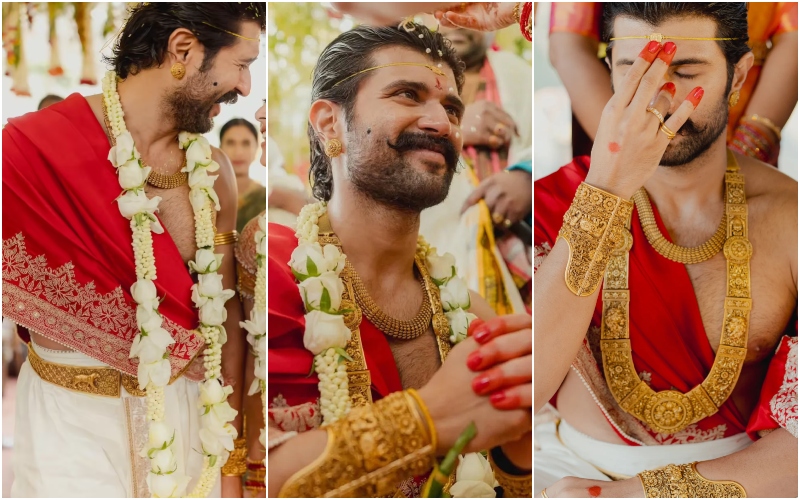
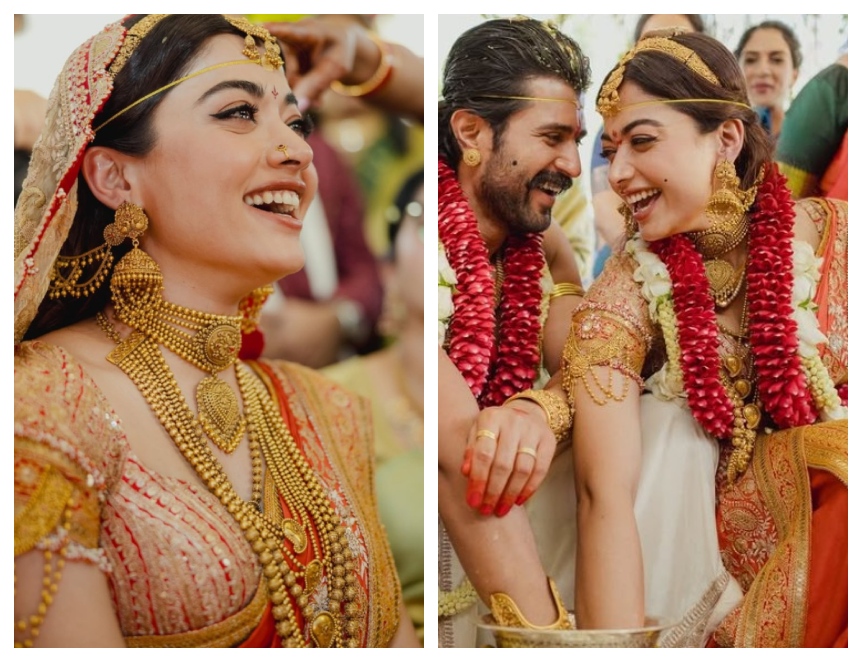
Rashmika Mandanna and Vijay Deverakonda tied the knot in Udaipur on Feb 26 and set the entire internet on fire. Their South Indian wedding with its red and gold palette, temple jewelry, and traditional attire was a refreshing break from the monotonous pastel tones of Bollywood. However, what got people talking the most was their jewelry look. As expected, Rashmika adorned temple jewelry like a goddess. But what stole the spotlight was Vijay’s jewelry look. The groom embraced maximalism and went all out with his jewelry. From layered necklaces to solid kadas, he donned them all. In this blog, let’s decode Vijay Deverakonda’s wedding look and get to know what made it so special. 

Breaking Stereotypes

Let’s face it. Indian weddings are all about the bride. Her dress, her makeup, and her jewelry take centre stage. Grooms look to play it safe. They choose a conservative approach by opting for pastel safas, minimal jewelry (if any), and maybe embroidered juttis. Vijay instead channeled the energy of a Mythical king and went all out with his jewelry look. His style redefined what masculine energy is, as well as set new goals for men’s wedding style. By embracing his cultural roots, the Arjun Reddy actor showed the world how to move away from the less-is-more trend plaguing celebrity weddings for years. 

Regal Wedding Attire

For his big day, the star chose a custom look by Anamika Khanna. Instead of going the traditional route with a Sherwani, he instead opted for a simplistic ivory Dhoti. He was keen on honouring Hyderabad’s textile legacy and wanted to create something grounded, timeless, and deeply meaningful. A Dhoti is one of the most underrated wedding garments of today. When worn correctly, it shapes the body stylishly. He chose to pair his elegant Dhoti with a decadent vermillion silk Angavastram, which gracefully draped his torso. The attire was woven with gold temple and forest motifs that were inspired by the Vanasingaram weave. 

Breaking Down the Jewelry Look

Ditching the contemporary minimalistic aesthetic, both the bride and groom wore heavy gold jewelry pieces. The sets crafted by Shree Jewellers took over ten months to conceptualise and craft. While Rashmika looked stunning, it was Vijay’s look that captured imaginations. The goal was not just to accessorize him but to make him look royal. Let’s decode his jewelry style in detail: 

Necklaces

The groom chose two decadent necklaces. One was a Kasu mala with coin designs, and the other was a long Haram. The Haram had a beautiful floral motif in the centre and looked absolutely regal. The Kasu Mala framed his neck beautifully and went phenomenally with the Angavastram’s golden borders. 

Hand Pieces

Invoking the images of ancient men who presented themselves as powerful, adorned, and sovereign, Deverakonda chose to accessorise with a wrist piece and an armlet. The temple wrist jewelry added refinement, whereas the Bajuband exuded royalty. 

Waist Jewelry

To shine even more, the award-winning actor wore a thick gold band on his waist. This belt is called an Oddiyanam, and it holds the Dhoti in place. It also makes for a powerful addition to the wedding look. 

Earrings

To round off his look, Vijay picked out gold earrings called Kadukkan. These large earrings are a part of the traditional adornment for men in certain regions, especially in historical and ceremonial contexts. 

Final Thoughts

The jewelry Vijay chose for his special day reminded us of pieces historically worn by kings, gods, and warriors, depicted in Indian art and mythology. His jewelry looks draw inspiration from the rich Indian cultural heritage rather than Western trends. This fresh new look is sure to inspire grooms to be — especially those who want to honor their heritage and culture. Vijay’s jewelry look proves that men’s wedding fashion can be just as expressive and culturally rich as the bride’s.

See Also: Rashmika Mandanna’s Bridal Look 

Discover Wedding-Ready Pre-Stitched Sarees Designed for Modern Brides

0

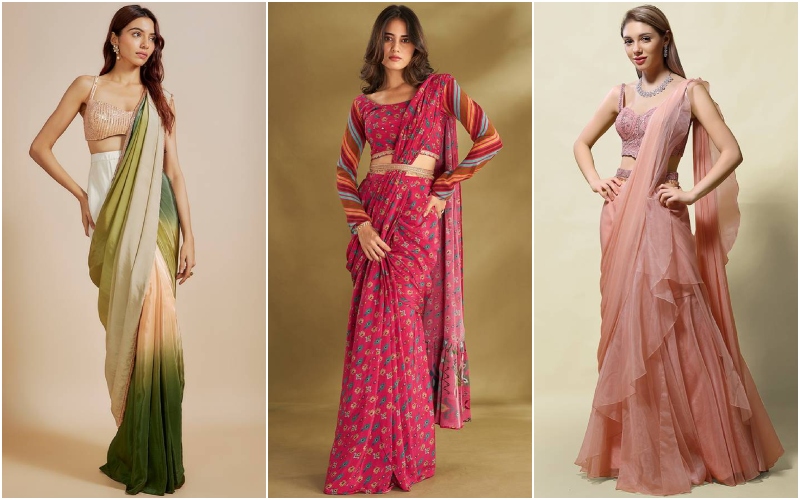
Pre-stitched sarees are among the most trending outfits for modern women. Women are not only focusing on wearing pre-stitched saris for parties or occasions, but they are also adorning them during weddings. Nowadays, brides also wear them on their big day. Today’s bride is more than just traditional –  she is confident, pragmatic, and on the go. That is why pre-stitched bridal sarees are the latest talk of the town. The ready to wear saree is a modification of the centuries-old traditional saree. It is draped in a new age, ready-to-wear form, and it is perfect for brides who want to look modern, strong and beautiful without a clash.

See Also: A Beginner’s Guide on Pre-Stitched Sarees: Styles, Fabrics, and How to Wear Them

Here is why pre-stitched sarees are trending in the world of bridal wear, and why they really do have a wedding-ready status.

Why Modern Brides Are Choosing Pre-Stitched Sarees

Comfort is the key – Modern brides are looking for comfort, style and ease. That’s the reason why most women are choosing to buy pre-stitched sarees. These styles are much like a standard saree except that it has been pre-pleated. Brides have to take just as little time to wrap or drape the saree, and the drapes never fall off, unlike normal sarees. It’s a time and stress saver, which can come in handy when you are deep in the whirlwind of a wedding.

Ready-to-wear wedding sarees are a trend that has picked up pace in the last few years. For brides, readymade sarees come in silk, georgette, velvet and net materials. Thus, these sarees offer the exact grand bridal look yet are convenient. Lots of brides also love them for the sheer freedom they provide — you can move freely, dance and say hello to guests without fearing that you’ll trip or fiddle with pleats.

Are Pre-Stitched Sarees Suitable for Brides?

Many girls ask about whether the pre-stitched sarees are for brides. The answer is yes. They’re perfect for the bride who wants tradition and comfort. They are a lifesaver for destination weddings, long ceremonies, reception & wedding parties, when the bride has to sit & stand for long hours. 

What Makes a Pre-Stitched Saree “Wedding Ready”?

First, it should be made of beautiful fabric that is fragile and luxurious. Second, it’s typically embellished with something elegant, such as zari, sequins, stones or embroidery, at least for a bridal touch. Thirdly, the fit has to be correct. When you wear a pre-draped saree, it should drape nicely. Attached pallu designs, belts or stylish blouses have been the selfie-worthy add-ons with several Wedding Ready styles.

Amazing Pre-Stitched Sarees That You Should Know About 

Mehendi Green Pre-Stitched Designer Saree Set

This gorgeous cancan green pre-stitched saree set is created for the chic modern woman who cannot resist classic with a touch of contemporary. Made with a rich, flowy fabric, this ready-to-wear slip-on saree is designed to beautifully drape your body just the way you dream.

It has a soft set of firm stitches that make the legs look lean and long, in this case, even more than they are naturally. This set comes pre-tucked for a hands-down, hassle-free experience. In just a few simple steps feel like you are wearing the ultimate formal accessory.

Golden Mustard Tissue Crush Saree

This outstanding golden mustard saree is a combination of subtle luxury and timeless appeal. Crafted in the sparkle tissue crush fabric, this saree lifts and radiates light, glowing with every slight motion.

The fluid drape eases the soft, natural shape, and a whisper of texture suggests refinement. It falls beautifully and has a discreet luster, it’s an easy choice for brides, holidays, cocktail parties or wedding parties.

Dark Green Pre-Stitched Saree With Elaborated Border

Looking for effortless elegance? Then this perfect wedding wear saree in dark green color, will help you create wonderful memories. Made with a flowy fabric, this saree flows elegantly and offers an amazing feel. 

The dark green colour is bursting with classic allure, and features a finely beaded border for subtle shimmer. Elaborate beaded details along the edges add a touch of luxury, ideal for weddings, receptions and other fancy evening parties. A matching sleeveless blouse completes the look while traditional elegance meets modern flair.

Lemon Green Sequin Embellished Pre-Stitched Saree

Stand out in true diva style with this gorgeous lemon green sequin saree – tailored from a lightweight & flowing fabric. The saree flows and falls beautifully to flatter any body type and offers comfort during long hours of celebration. The rich green shade offers warmth and richness; it’s an ideal option for sangeet evenings, wedding reception and cocktail parties. Wear this amazing V-neck blouse with full sleeves and sequin detailing. The beaded waistband detail provides structure and definition, striking a beautiful balance between modern glamour and classic beauty. 

Red Designer Pre-Stitched Saree with Border in Sequence

Get ready to make a bold statement with this pre-stitched red saree, which is an epitome of elegance, confidence and timeless beauty. This red saree is made of soft and flowy fabric and falls naturally to offer timeless elegance. Vibrant red color adds an air of sophistication and celebratory cheer. It is a perfect choice for weddings, receptions, parties, and special occasions. The soft beaded edge detail provides just the right amount of sparkle to deliver an elegant look in a simple design. This saree set is lightweight and easy to carry, it is perfect for travel or those days you want to look effortlessly stylish.

Beige Embellished Pre-Stitched Saree

Give yourself a distinguished look by wearing this amazing beige pre-stitched saree. It features a decent border with motif work. This set features a maroon satin georgette blouse that provides a delicate yet romantic canvas.  The saree is made of lightweight material and the border is richly detailed with mirror and sequin embellishments to complement that contemporary look without compromising its traditional beauty. 

Salmon Pink Embroidered Pre-Stitched Saree

Mirraw’s stunning blush pink pre-stitched saree is designed to exhibit elegance and contemporary allure. The soft, pink romantic color is timeless and easy to match, while the detailed leaf-pattern embroidery in this design adds texture, depth and luxurious detailing throughout the drape. This saree comes with lightweight and drapey fabric, and it falls as smoothly as it looks on you. The pallu is delicately wilted and enhanced, giving it more character and making it ideal for your D-days like weddings, receptions, engagement parties and upscale festive soirees.

Purple Georgette Pre-Stitched Saree Set

Indulge in pure effortless grace with this purple pre-drape saree set tailored for women who appreciate understated elegance and a touch of contemporary charm. This calming shade has a refreshing feel and charm that’s ideal for daytime weddings, garden party celebrations, mehendi ceremonies and festive occasions.

The saree is designed perfectly in a lightweight material that makes it easy to drape and perfect for sleek and simple styling! The pre-stitched design allows for effortless wear with a polished, structured feel. 

Pre-Stitched Sarees for Beginners: Styles, Fabrics, and How to Wear Them

0

Do you belong to the group of women who don’t have enough time for draping a saree amidst their hectic schedule? Or perhaps you love sarees, but the art of draping them has eluded your grasp? Pre-stitched saree designs have become a modern solution to all of these questions and beyond! As the name suggests, these sarees come ready draped and are as easy to work with as you would a dress.

Many women are choosing pre stitched sarees for various occasions – right from daily wear to special occasions. It easily merges form and function, making it a favourite of fashionistas. They not only reduce prep time, but actually promise the perfect drape every morning you wear them. Sleek, effective and easy to slide into, they negate the need to constantly pin or tuck.

As said earlier, pre stitched sarees suit women with bustling lifestyles and also newbies to the sari world. This blog is your perfect guide to pre-draped sarees. We’ll talk about the different styles, appropriate fabric selections and when to wear them. Keep reading to discover more.

Pre-Stitched Saree – The Basics 

Before we get into the nitty-gritty details, let’s first understand how the pre-stitched saree works. Unlike traditional sarees, the pleats are pre-folded and machine-stitched in place. These sarees are constructed over a stitched skirt with a zipper or a hook closure. The Pallu is pre-set in soft pleats. A typical readymade saree set comprises a pre-pleated saree, a base skirt, and a blouse piece or a readymade blouse. This saree style significantly differs from the traditional saree, which is just a piece of cloth. It comes pre-stitched, pre-pleated, and the Pallu is neatly in place. It is extremely easy to wear and elegant to the core. 

Fabulous Types Of Pre-Stitched Sarees

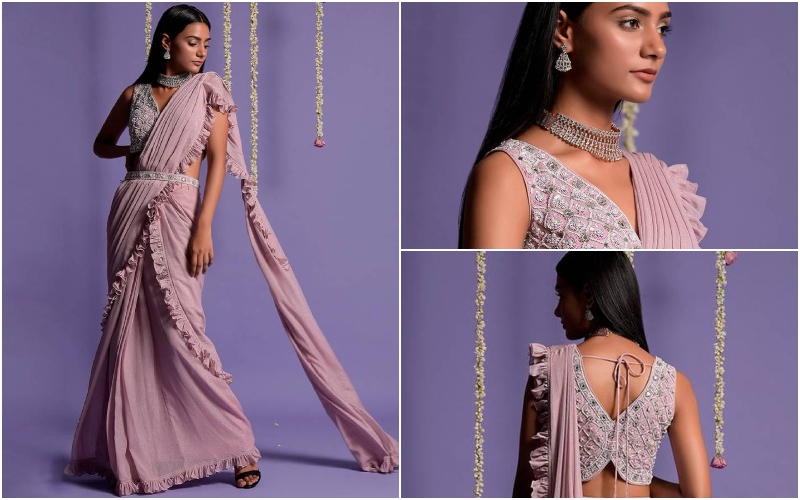
Ruffle Pre-Stitched Saree

This fashion-forward version adds ruffles, layers, and asymmetrical hems. The ruffle pre-stitched saree is youthful, stylish, and a fresh new spin on the traditional saree. It is perfect for fashion shows, parties, and evening soirees. 

Belted Pre-Stitched Saree

In this elegant variation, a structured belt is used to cinch the waist and secure the Pallu. It’s extremely popular because it defines the waistline. Adds dimension to the saree and exudes a contemporary look. 

Pre-Pleated Saree

This is the most common form of the pre-stitched saree. It usually features a stitched skirt, a pre-pleated front, and a pre-draped pallu. This style gives off a traditional look and is perfect for weddings, festivals, and formal events. 

Gown Style Pre-Stitched Saree

Known as a saree gown or a drape gown, this is a one-piece outfit that mimics the saree silhouette. It doesn’t require a separate bottom and comes with a seamless silhouette. It exudes a modern, red carpet aesthetic that is all the rage currently. You can wear this style to receptions, evening events, as well as Indo western themed parties. 

Saree With Attached Pallu

In this type of pre-stitched saree, the pallu is permanently attached to the saree base. You can wear it quickly and also get a consistent drape at all times. The need for manually draping and pinning the pallu is eliminated.  

Pre-Stitched Sarees – Fabric Options

  • Georgette: This lightweight and flowy fabric drapes beautifully over the body. It is also easy to pleat and holds stitched pleats well. It strikes the perfect balance between structure and fluidity, making it a top choice for pre-draped sarees. 
  • Satin: Smooth and supple, satin has its own glow. It is also renowned for its smooth texture and luxurious drape. Even though it is slightly heavier than georgette, its glossy surface makes it ideal for formal events, weddings, and gala nights. 
  • Organza: Crisp and translucent, Organza adds structure and volume with ease. Pre-stitched sarees in organza have a formal statement quality that makes it great for festive occasions as well as parties. 
  • Silk: If you want to go for a rich and luxurious look, then silk pre-draped sarees are your best bet. The fabric holds structure well and is perfect for formal and bridal settings. Some silk types that you can try are raw silk, Tussar silk, blended silks, and art silk. 

The Best Styling Tips for Pre-Stitched Sarees 

A Step-by-Step Guide on Wearing a Pre-Stitched Saree

  1. Prepare the base: Step into the pre-stitched skirt or pants and secure it using the hook or zipper. 
  1. Adjust the Pre-Pleated Front: The pleats come stitched to the waistband. Make sure they are even and centred at the front. 
  1. Position the Pallu: Place the attached pallu over your shoulder or arm. Adjust the length to ensure elegance. Many pre-stitched sarees also come with a hook or pin to attach the pallu to your shoulder. 
  1. Secure Any Additional fastings: Pre-stitched sarees also come with hidden hooks or clips at the waist or side. Make use of these to secure your pleats and pallu. 
  1. Smooth and Style: Smooth the waistband with your hand to secure the pleats. Adjust the pallu to showcase the embroidery or prints. 

Blouse Designs That are Perfect for Pre-stitched Sarees

In pre-stitched sarees, the drape is fixed, and hence your blouse can make or break your look. 

  • You can go for a structured corset blouse for a snatched waist effect.
  • Embroidered blouses are always a classic. 
  • Cape blouses add drama without altering the saree structure. 
  • Belted blouses define the waistline as well and help to keep the pallu near. 

Jewellery that Suits Pre-Stitched Sarees 

Pre-Stitched sarees combine efficiency with elegance, and the right jewelry can easily up their style quotient. 

  • Go for statement earrings such as Jhumkas, Chandbalis, or long danglers.
  • Chokers work well with these sarees as well. 
  • Bracelets and bangles add a bold style and modern feel. 

    Footwear Ideas for a Cohesive Look 

    The right footwear can tie your whole Pre-Stitched saree look together.

    • If you want a modern vibe, then go for heels. 
    • Wedge and platform heels are a comfortable option. 
    • However, if you are leaning into the traditional style, then go for embroidered or embellished juttis or mojaris. 
    • Kholapuri chappals are also a great option for infusing traditional charm into a contemporary look. 

    What Occasions Can You Wear Pre-Stitched Sarees To?

    • Weddings: Pre-stitched sarees are an amazing outfit option for wedding guests and bridesmaids alike. They can be adorned for pre-wedding events as well as receptions. These sarees are easy to manage and remain secure while walking and dancing. 
    • Parties: Pre-stitched sarees for parties are a total game-changer. Go for sarees with corset blouses, ruffles, metallic fabrics or statement belts. These offer an instant party-ready look without any additional hassle. 
    • Office Events: Pre-Stitched sarees aren’t just limited to weddings or parties; they can be styled for formal occasions like office events as well. For these events, go for structured fabrics like crepe or silk blends. 
    • Bridal Look: More and more brides are ditching the traditional way and going for pre-draped sarees for their big day. These sarees provide flawless drape all day and comfort as well as ease. Since there is no pinning, tucking, or adjusting involved, bridal pre-stitched sarees are convenient and easy to carry. 

    How To Buy The Perfect Pre-Stitched Saree? 

    • Pick the right size: Since pre-stitched sarees are worn like garments, the size and fit matter a lot. Ensure that your saree is snug at the waist yet comfortable. Its length should be perfect, and it should gracefully skim the floor. If shopping online, then go through the sizing charts carefully and compare the measurements thoughtfully. 
    • Buying a Pre-Stitched Saree Checklist: You must check out the fabric quality, fit and measurements, pleat placement and symmetry, pallu handling, closure and fastening before you select a pre-stitched saree. 
    • Best Sites to Buy Pre-Stitched Sarees Online: When buying pre-stitched sarees online, you must buy from reputable websites only. Check customer reviews, product images, sizing charts, and return and exchange policies. Mirraw.com is an amazing place to shop for pre-stitched sarees, as we have a huge collection, great quality and affordable prices. 

    Pre-Stitched Sarees – Maintenance and Care Tips 

    • Storing a Pre-Stitched Saree: Pre-stitched sarees are more delicate than traditional sarees as it has fixed pleats, an attached pallu and a stitched waistband. Proper storage is required to hold its shape. Fold your saree along the existing pleats and use breathable fabric covers. For lighter fabrics, use padded hangers, but heavy or bridal pre-stitched sarees must be folded and stored flat. 
    • Washing and Caring: Check the care label thoroughly. If your saree has heavy embroidery, then dry clean only. Cotton blends and light georgette can be washed in cold water with a mild detergent. Always remember to air dry in a shaded area only. Avoid direct contact with sunlight. When ironing, use the steam iron on low heat. Also, avoid spraying perfume or hair spray directly on the saree. 
    • Can a Pre-Stitched saree be altered? Yes, a pre-stitched saree can be altered. However, the process is time-consuming and technical. You can make waist adjustments, length alterations, pleat adjustments, as well as hip and thigh fits. 

    FAQS

    1. Are Pre-stitched sarees beginner-friendly? 

    Absolutely! Since these sarees can be slipped on like a dress, they are perfect for beginners who are starting to explore the saree world. 

    1. Can a Pre-stitched saree be reused in different styles? 

    Yes. Pre-stitched sarees are incredibly versatile. While they do come with fixed pleats and an attached pallu, many designs allow for creative styling. 

    1. Does the Pre-Stitched saree look like a normal saree? 

    You will find no difference in the overall look of a normal saree and a pre-stitched saree.  

    1. Are pre-stitched sarees suitable for plus-size women?

    For sure! Pre-stitched sarees come in a variety of styles and shapes. They are in fact even more comfortable than a traditional saree as they come with secure fabrics, comfortable waistbands, and eliminate constant re-tucking. 

    How Rashmika Mandanna Created the Perfect Bridal Look for Her Wedding

    0

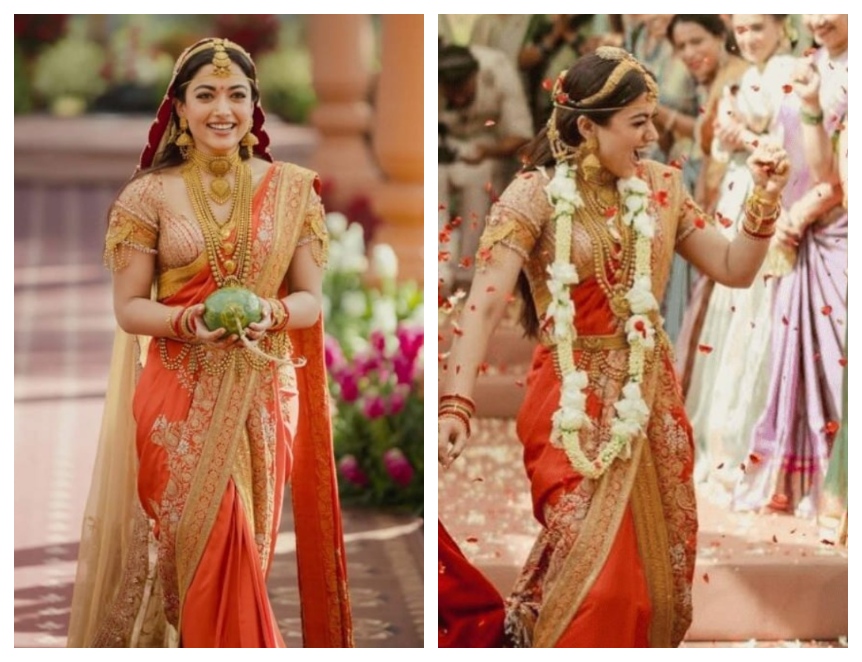
    #Virosh fans are on cloud nine as their favourite stars Rashmika Mandanna and Vijay Deverakonda have finally gotten hitched on 26th February 2026, in a beautiful South Indian wedding ceremony that has instantly taken the internet by storm. But what has gained the most attention is Rashmika as a bride. Going against the Bollywood pastel wedding color palette, the Animal actress was smouldering in a gorgeous orange silk saree by Anamika Khanna. She made her saffron-hued ensemble pop with elaborate gold temple jewelry, which is in line with South Indian tradition. Join us as we decode her trend-setting bridal look together and explore what makes it truly unforgettable.

    An Iconic Saree by Anamika Khanna

    Rashmika wore a very traditional silk saree designed by ace designer Anamika Khanna for the wedding. Its subtle saffron color was fresh, and the sumptuous fabric added depth and richness. The saree also had a stunning red and golden zari work, which made the look even more striking. The saree also made the look more intimate, for it was a gift from Vijay’s mother. The color choice of saffron was also appropriate as the shade symbolizes purity, positivity, and festivity. The overall look had a royal charm about it, an ideal balance between contemporary grace and traditional South Indian elegance.

    The Unique Blouse Design

    The saree was completed by bringing in an additional touch of sophistication with the statement blouse. With cap sleeves and a sweetheart neckline, it struck just the right balance between elegance and modern style. The sleeve ends had been embellished with golden fringe tassels that danced and glimmered every time she moved. Thin vertical golden thread work paired with delicate sequins created a glamorous yet understated look. The blouse had an opulent effect that balanced richness and sophistication. A gorgeous combination of elegance and contemporary elements, it brought the whole charm of the saree to another level effortlessly. 

    The Exquisite Temple Jewelry

    No South Indian wedding is complete without temple jewelry; the #Virosh celebration was no exception. The Pushpa 2 actress paired the saree with a decadent array of traditional temple jewelry. It is reported that her jewelry took ten months to create. She had on antique-style armlets and a broad choker necklace, multilayered necklaces with traditional coin and mango style motifs — hallmarks of South Indian jewelry. A well-structured golden waist belt lent definition to the saree.
    Completing the look, she wore a maang tikka along with a head ornament and stylish gold jhumkas, golden bangles, and kadas. All in all, the jewelry complemented the richness of her look and celebrated the couple’s South Indian heritage.

    The Decadent Veil 

    The veil truly stole the limelight in Rashmika’s wedding look. The soft gold veil dramatically flowed into a long, dramatic trail. Delicate scalloped lace and fine threadwork bordered it.  Across the body of the veil were temple-inspired embroideries, arches, motifs, and sacred symbols, all etched with a muted gold thread. Then came the most intimate touch – the words “in every lifetime” delicately hand-embroidered near the hem. It was a wonderful personal touch that infused the eternal love shared by the couple into the outfit. 

    Final Thoughts

    Rashmika’s bridal look broke a lot of celebrity wedding stereotypes and was a masterclass in heritage styling. It was classy, elegant, and deeply personal. We are sure #Virosh will be inspiring a lot of wedding trends in the years to come, and we are here for it!

    The Complete Style Guide to Party Lehengas

    0

    A beautiful party lehenga can completely transform your presence at any celebration. The moment you step into a room wearing a well-fitted party lehenga, a natural grace and charm follow. Whether it’s a wedding reception, festive evening, cocktail party or family function, the right party wear lehenga set helps you feel confident and festive without looking overdone.

    These days, party lehengas are designed to balance comfort and glamour. They are lighter than bridal outfits, but still rich enough to make a statement. From modern silhouettes to traditional embroidery, from soft pastel to bold jewel tones, the options are endless. In this guide, you will learn everything about choosing a style and carrying a party lehenga beautifully.

    Understanding the Beauty of the Party Lehenga Set

    A lehenga is a traditional Indian outfit that includes three main pieces — a flared skirt, a blouse, and a dupatta. A party lehenga is a specially designed outfit for festive and social gatherings rather than weddings or heavy bridal ceremonies. Unlike bridal outfits, the party lehenga set focuses on elegance without being overly heavy. It balances style, comfort and glamour. You can find options in light embroidery, sequin work, mirror work, thread work and even modern fusion patterns. The beauty of a lehenga lies in its versatility. It can look royal and traditional or modern and bold, depending on how you style it. You can also refer to it as a lehenga dress because it gives the appearance of a complete statement-making outfit in one go.

    Why is the Party Lehenga Choli still a favorite?

    Before you look at the reasons in detail, you need to understand why this outfit has remained timeless. The popularity of party wear lehenga is not about fashion trends only, it’s about how they make you feel confident, graceful and celebration-ready.

    • They Instantly Elevate your Look

    When you wear a party wear lehenga choli, the flare of the skirt naturally creates a moment and drama; even simple embroidery or subtle shimmer can make you stand out beautifully. The structure of the outfit itself adds elegance without extra effort. You don’t need heavy styling because the lehenga already carries a festive vibe.

    • They Suit Many Different Events

    One of the biggest advantages of party wear lehengas is their convenience. You can wear it to receptions, festive celebrations or formal gatherings. With small changes in color and fabric, the same style can suit multiple occasions. This makes it a practical and stylish wardrobe investment.

    • They Offer Endless Design Choices

    From traditional embroidery to modern fusion cuts, the party wear lehenga set comes in a variety of styles. Whether you prefer minimal design or glamorous detailing, there is always something available. Designers experiment with fabrics and embellishments, giving you unlimited options. The flexibility ensures that every woman can find her perfect look.

    • They are Easy to Restyle and Reuse

    Unlike bridal outfits, party wear lehengas can be styled in different ways for future events. You can pair the skirt with a crop top or wear the blouse with a saree. The dupatta can be styled with a simple kurta set. This makes the outfit more practical and sustainable in the long run.

    Party Lehenga versus Bridal Lehenga

    Before choosing your outfit, it’s helpful to know how a party wear lehenga differs from a bridal one. While both might look similar at first glance, their purpose and design approach are quite different.

    • Comfort and Weight

    Bridal lehengas are usually heavy with layered embroidery and thick fabrics like velvet or silk. They are designed for a once-in-a-lifetime event. A party lehenga set, however, focuses on comfort. It allows you to move freely and enjoy long celebrations without feeling tired.

    • Level of Embellishment

    Bridal outfits often feature delicate stone and hand embroidery throughout the skirt and dupatta. Party wear Lehenga keeps the embellishment balanced and elegant. It might include sequin or thread work, but it is less dramatic. The overall look is festive but manageable.

    • Color Flexibility

    Traditional bridal colors include deep reds and gold tones. In contrast, party wear lehenga choliexperiments with pastels, metallic shades and jewel tones, even modern neutrals. This allows more freedom to match the theme of the event and your personal style.

    • Practical Reusability

    A bridal lehenga is usually only worn once or twice. A party wear lehenga, however, can be styled differently for multiple events. With new accessories or a different drape, it can look fresh every time. This makes it a more versatile investment.

    Blouse and Choli Designs that Transform the Look

    Before selecting a lehenga skirt, it’s important to think about the blouse design. The choli plays a major role in defining your final appearance.

    • Embroidered Classic Blouse

    If you prefer timeless elegance, an embroidered blouse is always a safe choice. It adds richness even if the skirt is simple. This style creates a balanced and refined look for formal evening settings.

    • Off Shoulder or Contemporary Cuts

    Most modern neckline styles, like off shoulder or one shoulder designs, add a fashionable twist to your party lehenga. They are perfect for cocktail or reception parties. The cuts highlight your collarbone and also give a chic finish.

    • Mirror Work or Sequin Blouse

    For festive occasions, mirror work or sequin detailing can create a lively effect. The reflective surface catches the light beautifully during evening celebrations. This style reduces the need for heavy accessories and adds sparkle without overwhelming your outfit.

    • Full Sleeve Designer Blouse

    Full sleeves with embroidery or sheer fabric give a royal and sophisticated vibe. This style is just perfect for winter events or traditional weddings. It adds coverage while still looking elegant. The structured silhouette enhances your grace and maturity.

    Popular Trends in Party Lehenga Styles

    Fashion trends keep evolving, and party wear lehenga is no different. Understanding current trends helps you choose something stylish and timeless.

    • Soft Pastel Shades

    Pastel colors like blush pink, lavender, mint green, and powder blue are extremely suitable for daytime events. They create a soft and refreshing look in natural light. The shades feel elegant without being overpowering. They’re also very easy to accessorize with subtle jewelry.

    • Metallic and Shimmer Finishes

    For evening parties, metallic tones like champagne, gold, silver and rose gold are trending. The fabric shines beautifully under artificial lighting. They create a glamorous effect without heavy embroidery. Metallic lehenga dresses are perfect for reception nights.

    • Floral Printed Lehengas

    Printed lehengas are ideal for summer weddings and daytime celebrations. They are lightweight and comfortable to carry. Floral patterns give you a cheerful vibe. They are a great choice if you prefer minimal embellishment.

    • Jacket-style Lehenga Sets

    Long embroidered jackets paired with lehengas are becoming very popular. They add structure and drama to your outfit. This style is perfect if you want a royal look without carrying a dupatta. It also provides extra comfort and coverage.

    Choosing the Right Party Lehenga for Every Occasion

    Before buying your party lehenga set, think about the type of event that you are attending. Different occasions call for different styling approaches.

    • Evening Parties and Receptions

    For night events, darker shades like wine, emerald green or black look stunning. You can choose sequin or metallic embroidery for added shine. A well-fitted party lehenga and statement jewelry look elegant under evening lights. Keep your makeup slightly bold to complete the look.

    • Day Weddings and Brunch Events

    For daytime functions, you can choose light fabrics and pastel tones. You should avoid overly heavy embellishments as they might look too dramatic in daylight. Subtle embroidery or prints work beautifully. Keep your makeup fresh and natural to match. 

    • Festive Occasions

    Festivals are the perfect time to experiment with vibrant colors. Light yellow, royal blue, orange, and magenta enhance the festive mood. Mirror work or traditional embroidery helps you add authenticity. You must choose something comfortable so you can enjoy the celebrations fully.

    How to Accessorize your Party Lehenga Perfectly

    Before stepping out, remember that styling plays a huge role in completing your look. Even the most beautiful party lehenga needs the right finishing touch.

    • Jewelry Selection

    If your lehenga is heavily embellished, keep your jewelry minimal. Simple earrings or a delicate necklace can balance the look. For simpler outfits, statement jewelry adds drama. Always maintain a balance between outfits and accessories.

    • Hairstyle Choices

    Soft curls create a romantic and youthful feel. A sleek bun adds sophistication and elegance. Braided hairstyles with accessories look really amazing for festive events. You can choose a hairstyle that complements your blouse’s neckline.

    • Footwear Comfort

    Comfortable heels or embellished sandals complete the outfit. You need to make sure that you can walk and dance easily. Avoid extremely high heels if you are not comfortable wearing them.

    • Dupatta Draping Styles

    You can drape a dupatta over one shoulder for a modern look. A traditional front drape gives a classic appearance. You can experiment with different styles to see what suits you the best. The draping style can completely transform your outfit. A party lehenga is way more than just festive clothing; it’s an expression of style, culture and personality. Whether you choose a simple party wear lehenga or a glamorous party lehenga choli, the most important thing is how you carry it. Fashion trends will change, but confidence and comfort will always remain timeless. Always choose colors and designs that make you feel beautiful. When you feel happy in what you wear, you naturally look stunning.


    How to Style Your Hijab for Daily Wear, Work, and Special Occasions

    0

    Hijabs are so much more than something you wear on your head. For many women they represent modesty, identity , dignity and faith but they are also beautiful ways to express your personal style. Over the years hijab fashion has grown in the most amazing way. Today you can find hijabs in different fabrics, length , texture and styles that fit every lifestyle and mood. Whether you love timeless traditional looks or enjoy experimenting with modern trends, there is always a hijab style that feels you. Understanding different types of hijab and how to wear them makes choosing the right one easier and more enjoyable when you know how each style works you can dress with complete confidence while staying true to your values. Hijab fashion today beautifully balances tradition and individuality. You can stay modest while still expressing your personality and that’s what makes hijab so versatile and meaningful.

    Popular Hijab Styles That You Should Know About

    • Square Hijab styles and wearing techniques

    Square hijabs are one of the most classic types of hijabs. Usually folded into a triangle, they are easy to style and stay in place well. You can wear them neatly around the face for a traditional look or style them loosely for a softer appearance. They work well for daily wear and formal occasions.

    • Pashmina hijabs and flexible styling options

    Pashmina hijabs are rectangular and loved for their versatility. The long length allows you to experiment with layering and wrapping. These hijabs are ideal if you enjoy trying different hijab styles and want more control over how the fabric falls.

    • Shayla and Khimar Hijab for graceful coverage

    Shayla Hijabs are long and narrow, often wrapped around the head and shoulders for an elegant finish. Khimar hijabs provide fuller coverage and are commonly worn for religious or formal settings. Both styles offer comfort while creating a refined look, making them suitable for everyday and special occasions.

    • Al Amira and turban hijabs for modern styling

    Al Amira hijabs come as ready-to-wear sets with an inner cap and outer layer, making them convenient and beginner-friendly. Turban hijabs wrap the fabric around your head without covering your neck, offering a bold, contemporary look. The styles are popular in modern hijab fashion and work well for casual or creative outfits.

    Hijab fabrics and how they change the look

    Fabric choice plays a very important role in comfort and practicality. The same hijab style can look completely different depending on the fabric you choose.

    • Cotton hijabs for daily wear

    Cotton hijabs are breathable and very easy to manage. They are perfect for everyday use, especially in warm weather. If you are a beginner to the world of Hijabs, cotton is a reliable choice.

    • Chiffon hijab for elegant looks

    Chiffon hijabs are soft and flowy, giving you a graceful finish. They are ideal for formal events and festive occasions. Because chiffon is lightweight, you usually need pins on an inner cap to keep it secure.

    • Silk hijabs for special moments

    Silk hijabs offer a smooth texture and subtle shine, making them suitable for celebrations and formal gatherings. Wearing silk instantly elevates your outfit, but pairing it with an under scarf helps prevent slipping.

    • Jersey hijabs for comfort and stretch

    Jersey hijabs are stretchy and soft, making them extremely comfortable for long hours. They do not require pins and stay in place naturally. If comfort is your top priority, a jersey works well for casual outings. 

    Styling hijabs for Different Occasions

    Once you know your styles and fabrics, the next step is learning how to wear hijab based on where you are going. Small styling changes can completely transform your look.

    • Casual hijab styling for everyday routines

    For daily wear, keep your hijab relaxed and natural. Cotton or jersey fabrics with loose drapes work the best. Neutral shades and minimal pinning create an effortless look that feels comfortable all day.

    • Formal hijab styling for work or events

    For professional or formal settings, you can choose chiffon or silk hijabs in solid colours. Neat wrapping and clean lines help you look polished and put together. 

    • Festive hijab styling for celebrations

    Festive occasions allow more creativity– Rich fabrics, subtle prints, coordinated colors, and elegance. Matching your hijab with your outfit helps create a balanced and refined festive look.

    How To Accessorize Your Hijab Elegantly 

    Accessories help secure your hijab and add finishing touches without overpowering your look. When used thoughtfully, they improve both comfort and appearance.

    • Pins and brooches for support and detail

    Pins help hold your hijab in place, especially with slippery fabrics. Decorative brooches can also add a subtle style element to formal or festive outfits.

    • Layering ideas for structure and comfort

    Inner caps and layered wrapping techniques help your hijabs fit better. Layering also lets you try different hijab styles while maintaining coverage and balance.

    So exploring different types of hijab helps you understand what works for you, from square hijabs to modern turbans; every style offers something unique. When you choose the right fabrics and styling methods, wearing a hijab becomes effortless and expressive.

    A Definitive Guide to Salwar Kameez Silhouettes 

    0

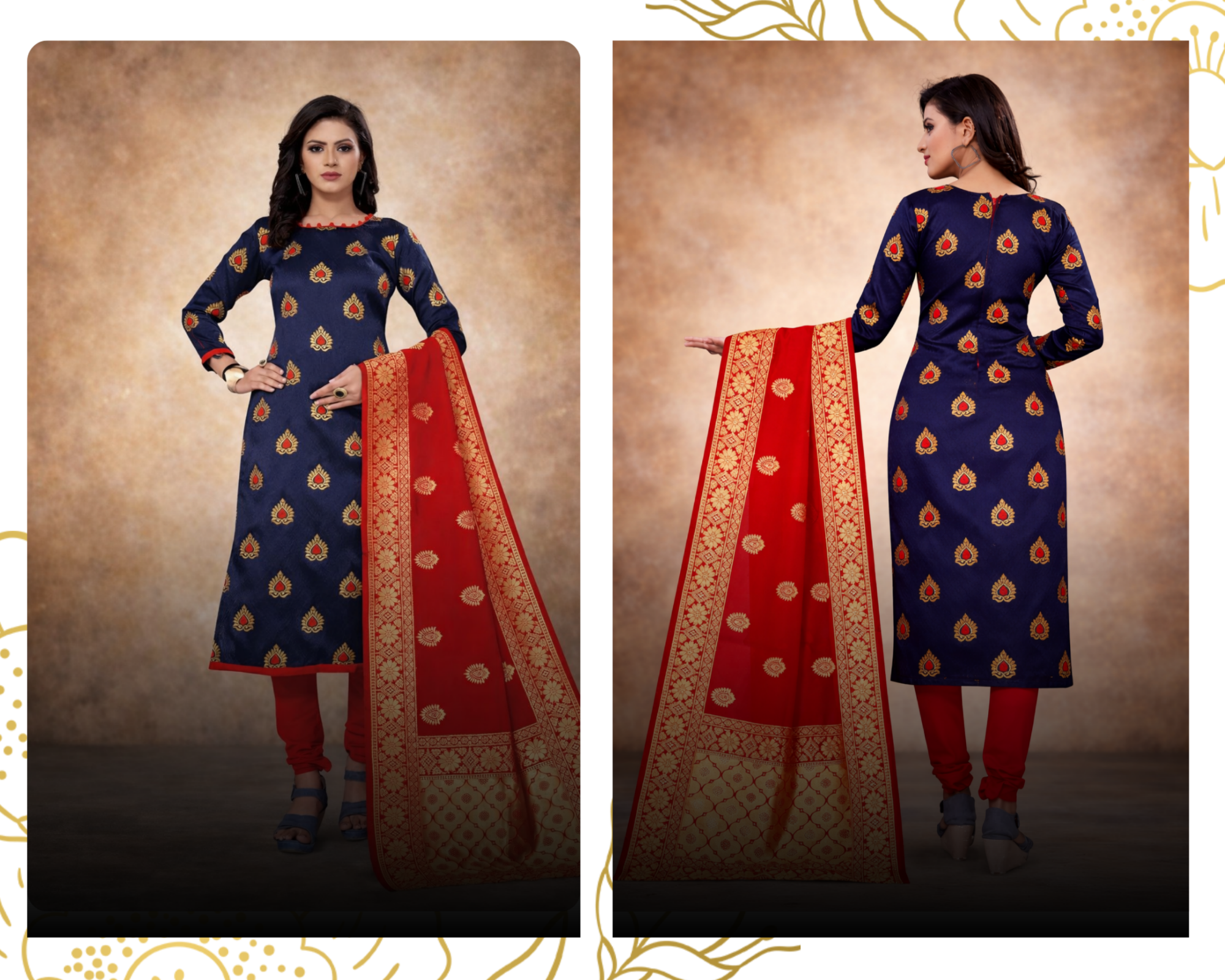
    When buying a salwar kameez, most of us focus on the obvious details – Color, fabric and embroidery. But there is one crucial element that often goes unnoticed: the silhouette. And that can completely change the way the outfit looks on you. 

    The silhouette is the overall structure created by the bottom, the kurta and the dupatta. 

    From flowy Anarakalis to formal churdiars, each silhouette shapes the outfit’s personality. It determines if the look is casual, formal, or festive. 

    In this blog, we will explore why the salwar kameez silhouette matters, how it influences the look of the outfit, and break down popular salwar kameez styles that you should know about before your purchase. 

    Why Silhouette Matters More Than Fabric or Color 

    The salwar kameez’s silhouette has the power to completely transform your look. No matter how beautiful the embroidery or how trendy the color is, if the structure doesn’t suit your body, the outfit won’t work. To illustrate:  

    • An Anarkali adds length and fluidity to the frame.
    • A Straight-cut suit creates a sharp vertical line.  
    • A Sharara infuses volume and drama. 

    The silhouette plays a major role in determining proportion and balance in turn shaping the overall appearance of your outfit. Apart from this, the same fabric can look totally different in two silhouettes: 

    • Georgette Anarkalis flow gracefully 
    • Straight-cut georgette suits look flatter. 

    Also, to note: Design is visual, whereas silhouettes are functional. The length, flare and cut play a major role in determining: 

    • How freely you can move 
    • If the outfit feels restrictive or comfortable 
    • Determines your confidence. 

    Colours and fabrics can be easily swapped, but the silhouette remains solid. Thus, if you shop for a salwar suit totally based on color, it can lead to a complete mismatch if the silhouette doesn’t suit you. 

    Popular Salwar Kameez Silhouettes Explained 

    Anarkali:

    Considered to be the queen of salwar suits, the Anarkali suit is renowned for its refined silhouette. It comes cinched at the bust and then dramatically flares down towards the bottom. 

    Straight Cut:

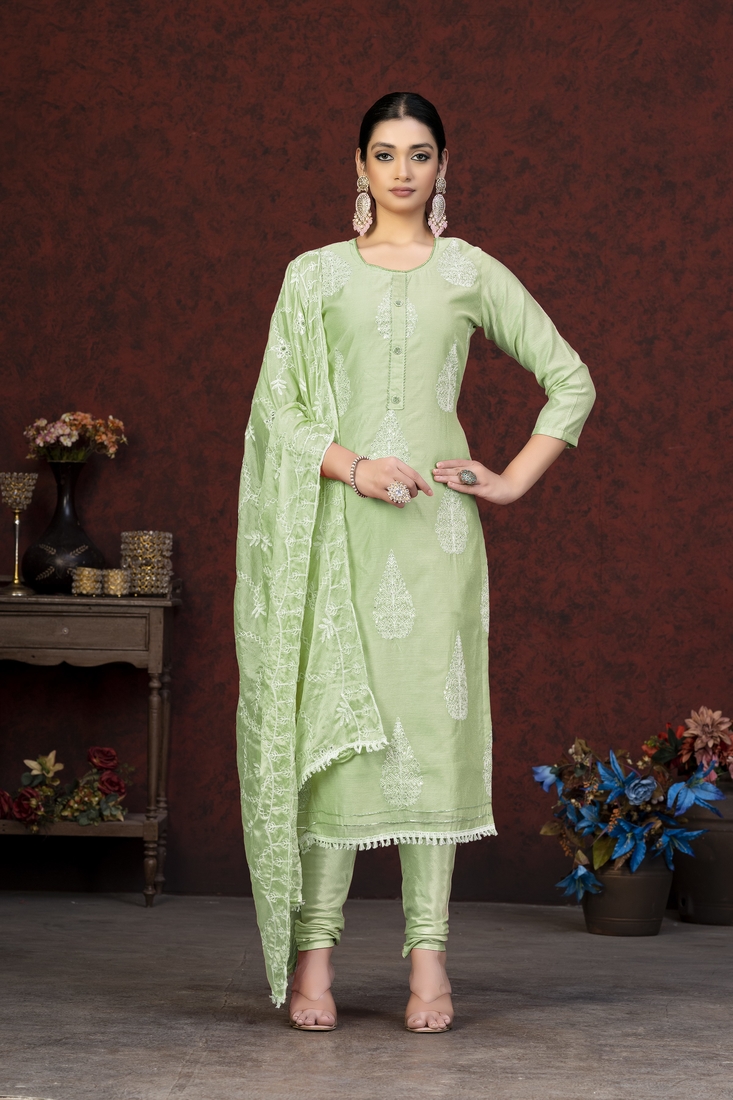
    These suits feature bottoms that fall in a straight vertical line from the waist to the ankle. Its clean and refined structure is very popular. 

    Sharara:

    This beautiful salwar kameez style goes all in on the drama. It is fitted till the knees and then flares down elegantly towards the floor. 

    Patiala:

    The pride of Punjab, this suit is distinguished by its heavily pleated bottoms. Voluminous yet comfortable, this silhouette is a wardrobe staple 

    Palazzo:

    No other salwar kameez silhouette exudes contemporary glamor like the palazzo. Its bottoms are wide and relaxed, making it a perfect fit for daily and office wear. 

    Churidar:

    If you want to go for a sleek and formal look, then a Churidar suit should be your pick. The fitted bottoms follow the natural line of the legs and then taper down to form delicate gathers at the ankles. 

    Salwar Kameez Bottoms and Their Impact on the Entire Look 

    Even the most beautiful kurta can look totally different based on the bottoms that are paired with it. For example, a fitted churidar creates a sharp silhouette and makes the kurta appear longer. On the other hand, pairing the same kurta with palazzos introduces movement and softness, shifting the look towards a relaxed vibe.  Here are some ways the bottoms transform the look of the kurta: 

    Narrow Bottoms:

    Fitted bottoms such as churidar, cigarette pants, and straight pants follow the natural line of the leg, creating a streamlined appearance. They are the perfect pick for heavily embellished kurtas as they don’t add extra volume to the look. This balances out the salwar suit and creates a sharp and refined look. 

    Flared Bottoms:

    Shararas, Ghararas, and Palazzo are all wide bottoms. They are voluminous and shift the focus downwards. These also create drama and a stunning flow. A sharara creates dramatic movement, whereas the palazzo offers gentle contemporary flare. 

    Pleated Bottoms:

    The Patiala bottoms have a unique silhouette that is charming and elegant. They create dimension and softness, while introducing width and fluidity. This gives the outfit a more relaxed and playful appeal. Since the bottoms are so voluminous, they are often paired with shorter kurtis to maintain proportion. 

    Fit vs Volume- Which One Should You Choose? 

    When selecting a salwar kameez, the most important question remains: should you go for a fitted look or embrace volume?

    Fitted look:

    Fitted silhouettes such as straight cut suits, Churidars, and cigarette pants form clean lines and exude a streamlined appearance. They elongate the frame and give the outfit a polished appearance. If you are dressing up for work, a formal gathering or just prefer minimal styling, this silhouette should be your pick. 

    Voluminous Look:

    These silhouettes comprise flared bottoms like the sharara, gharara, patialas and palazzos. They introduce fluidity and flair as well as create a graceful movement. Voluminous looks also add a sense of celebration and are ideal for festivals, parties and wedding functions.  

    Movement and Practical Considerations

    Long Events vs Short Ceremonies:

    Duration of the event should influence your silhouette choice as much as the occasion itself. For long events like weddings, receptions and festivals, choose structures that provide easy movement and breathability. Flowy palazzos and Pataila suits work amazingly well for these occasions. However, if you are attending a short ceremony, you can embrace the drama and experiment boldly. Fitted churidars help create a polished look. You can also go for dramatic shararas that add a statement appeal. 

    Sitting Comfort:

    When opting for a salwar kameez silhouette, the sitting comfort is something many people ignore. However, it is a very important parameter that should be considered. Fitted churidars and cigarette pants look sleek but can feel restrictive, especially while sitting cross-legged for extended periods of time. On the other hand, Patiala salwars offer excellent comfort while sitting due to their relaxed fit and generous pleats.   

    Walking and Dancing:

    Your salwar kameez silhouette should move with you– not against you. Whether you are walking to the venue or dancing at a sangeet, your salwar kameez silhouette plays a major role in how effortlessly you carry yourself. For easy walking, fitted silhouettes like Churidars work best as they provide you with a neat stride. If you are dancing, then shararas create dramatic flow and movement with every step. 

    Climate Considerations:

    The silhouette of your salwar suit should also align with the climate. Weather conditions directly impact the comfort, fabric choice, and silhouette choice. For hot and humid weather, go for palazzos and straight-cut suits that allow air circulation. For cold weather, heavy Anarkali suits and Shararas in silk or velvet provide insulation while looking regal. 

    Silhouette Length and Proportion – Their Impact on the Look 

    The length of the kurta, the width of the bottom and the flare should work harmoniously with each other. When proportions are balanced, the outfit looks intentional and polished. The kurta length, especially, has a huge impact on the balance. 

    • Long Kurtas: Long kurtas draw the eyes vertically and create an illusion of height. When paired with narrow bottoms like Churidars or straight pants, they created a stunning, streamlined look. However, if they are paired with voluminous bottoms, the outfit can appear heavy and overwhelming. 
    • Short Kurtas: Short kurtas dramatically change the balance and visual structure of the silhouette. They shift the attention to the waist and hips. As they end above the knee or mid-thigh, they beautifully accentuate the bottoms. They showcase the details on the salwar, palazzo or sharara elegantly. 

    Common Silhouette Buying Mistakes 

    • Choosing Based Only on Trend: This is one of the most common mistakes that one can make while selecting a salwar kameez silhouette. While fashion trends can be inspiring, not all of them suit everyone. For example, oversized palazzos and heavily flared shararas might be trending right now, but if they don’t suit your proportions and body type, the look won’t work. 
    • Ignoring Event Duration: An outfit that looks stunning in photos might not work well for a six-hour wedding function. Snug Churidars and stiff flares quickly become tiresome and restrictive after a few hours. Hence, be mindful of the event duration while selecting your silhouette. 
    • Overlooking Comfort: It used to be said that beauty is pain, but that is not the rhetoric in 2026. If you truly want to look comfortable and elegant in your outfit of choice, then prioritise your comfort first. If your outfit is comfortable enough, the rest follows through naturally. 

    Salwar Kameez Silhouettes – A World to Explore 

    As we extensively discussed in this blog, each salwar kameez silhouette serves a different purpose. However, they are a part of the border salwar kameez category. 

    To learn about these Silhouettes in depth,— Click here

    Final Thoughts

    Thus, choosing the right salwar kameez silhouette totally depends on the movement, comfort and setting. Silhouettes have a major impact on your final look. Understanding them in depth helps you avoid common buying mistakes. Thus, next time you shop for a salwar kameez, first consider the silhouette of the outfit and then go for fabric and color.  

    The Moroccan Kaftan: A Story of Tradition, Identity, and Reinvention

    0

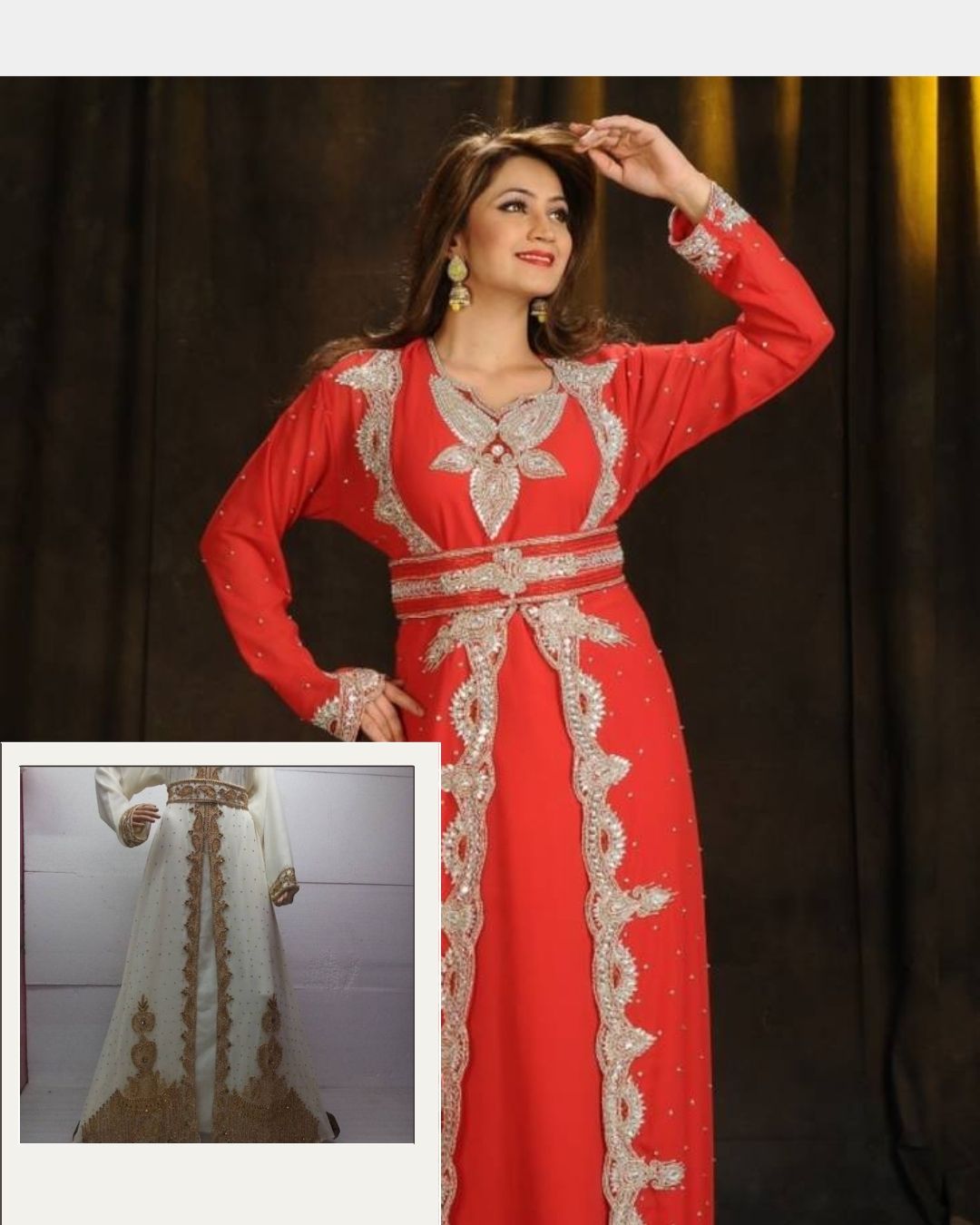
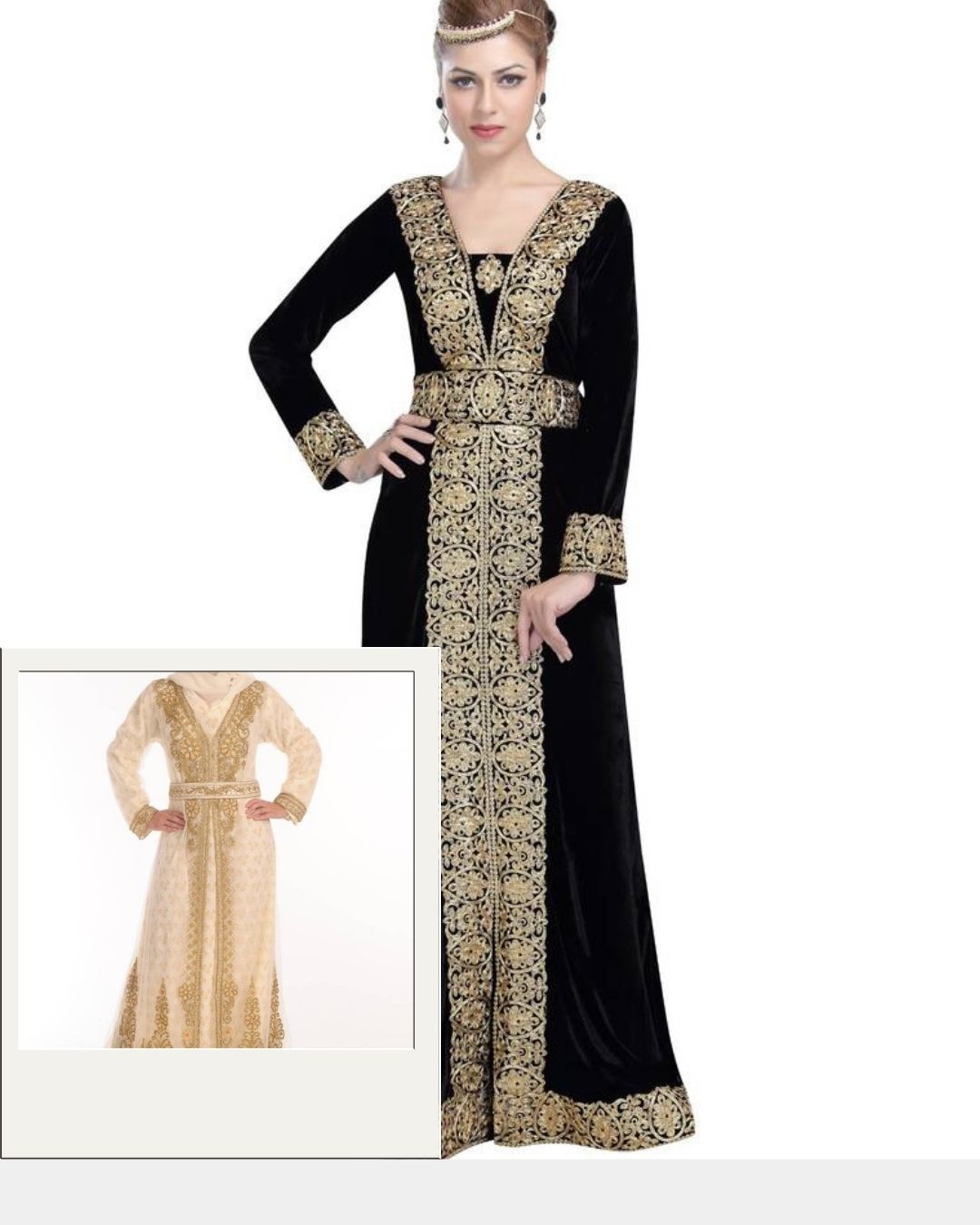
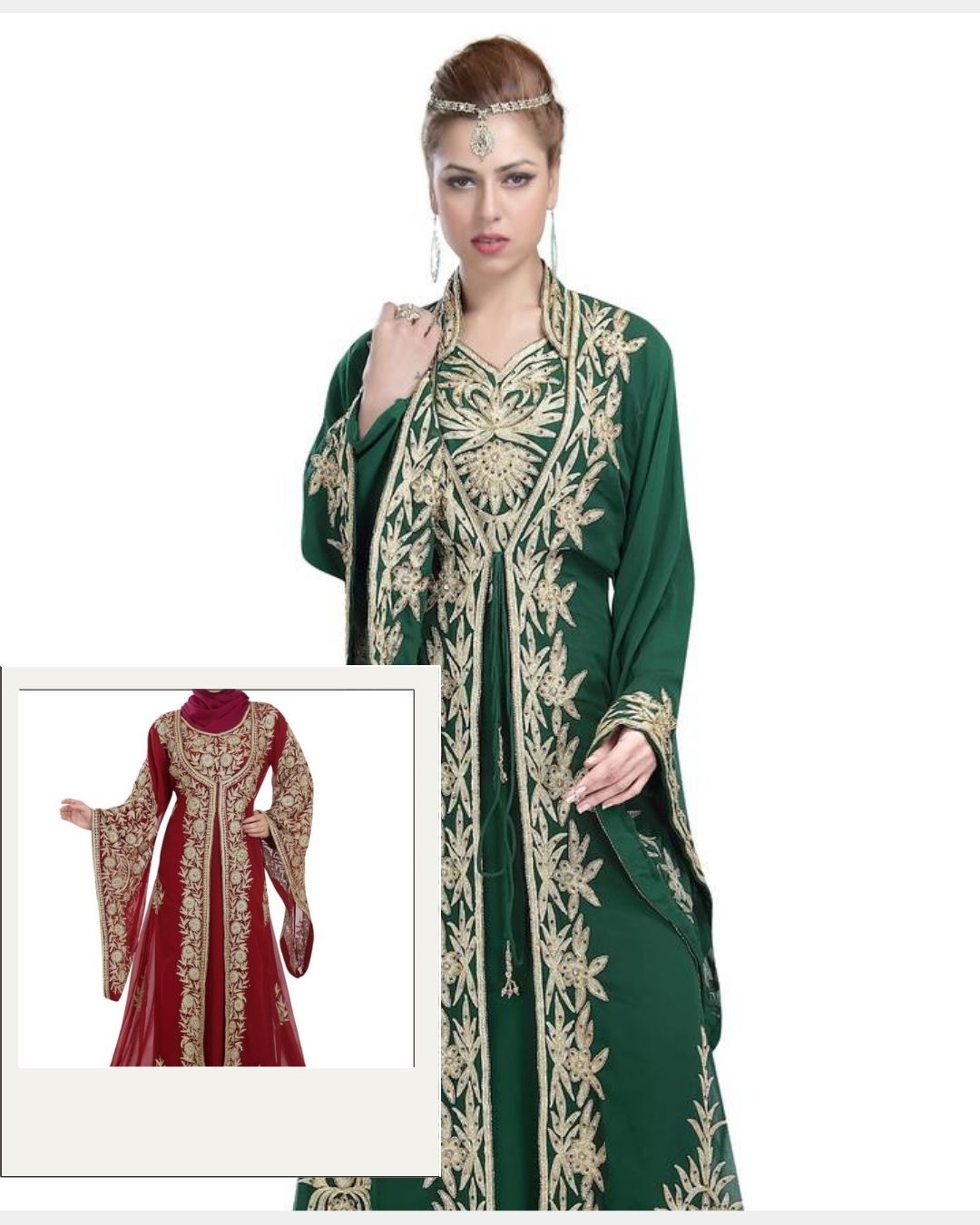
    The Moroccan kaftan isn’t just a piece of clothing – it’s a reflection of history, identity, and personal expression. For generations, it has held a special place in Moroccan culture, quietly evolving while still holding onto its roots. What makes it truly remarkable is how naturally it blends tradition with modern style. It doesn’t feel outdated, and it doesn’t feel forced into trendiness either. It simply adapts.

    Centuries ago, the kaftan was linked to royalty and prestige, especially within the Ottoman world. When it arrived in Morocco, it didn’t stay the same for long. Moroccan artisans reshaped it, adding their own techniques, fabrics, and decorative details. Over time, it became something uniquely Moroccan – recognizable, symbolic, and deeply meaningful.

    Even today, the kaftan remains grounded in modesty and cultural values, yet it never feels plain. The richness of the fabrics, the care put into the embroidery, and the thoughtful use of color all give it a presence that’s hard to ignore. It carries elegance in a quiet, confident way.

    What’s beautiful about the Moroccan kaftan is that it tells a story without saying a word. Every thread, every stitched pattern, every carefully chosen shade reflects heritage passed down through generations. At the same time, modern designers continue to reinterpret it, making it lighter, simpler, or more experimental depending on the moment.

    In many ways, the kaftan represents balance – between past and present, tradition and innovation, modesty and glamour. That balance is what has allowed it to remain relevant for so long. It’s not just surviving through history; it’s moving with it.

    Moroccan Kaftans — The Origins 

    The kaftan dress began as a long, flowing, robe-like garment worn by royalty and the elite of the Ottoman Empire. In the 16th century, when Morocco formed diplomatic connections with the Ottoman world, the kaftan made its way into Moroccan society. Rather than simply adopting it, Moroccans redefined the garment, infusing it with their own cultural identity and craftsmanship. Sultan Ahmed al Mansour played a key role in popularizing this Islamic dress, and during his reign, the garment was often referred to as Al-Mansouria in his honor.

    By the 17th century, Moroccan women had embraced the kaftan, crafting it from luxurious fabrics and adorning it with intricate embroidery. Over time, each region of Morocco added its own distinctive flair, further enriching the garment’s diversity. Today, it is often said that there are as many caftan designs as there are regions in Morocco. Among the most well-known regional styles are Chamali, Fez, and Rbati. Interestingly, the earliest versions of the kaftan were unisex, worn by both men and women. It was not until the late 19th century that the garment became exclusively associated with women. Today, the Moroccan kaftan stands as a proud symbol of Moroccan heritage, transcending borders and gracing women across the Middle East, Africa, Asia, and Europe.

    Traditional Fabrics of Moroccan Kaftans 

    Moroccan kaftan dresses are easily distinguishable by their luxurious fabrics and embellishments. Here are some common fabrics used to craft the Moroccan caftan dress:

    • Silk: The silk fabric easily elevates the kaftan and makes it more polished and sophisticated. Silk kaftan is inherently luxurious and very lightweight. It boasts a smooth texture and a graceful drape that flows beautifully with every step that you take. 
    • Velvet: Velvet is elegance redefined. This plush fabric is known for its soft texture and regal appearance. It also has excellent insulation properties, making it a top pick for kaftans worn in cold climates. 
    • Brocade: This stunning fabric is popular because of its rich texture, weight, and ability to hold embroidery well. Typically worn to special occasions like weddings and festive events, kaftans crafted from brocade feature raised patterns woven with gold or silver metallic threads. 
    • Satin: Another elegant fabric that you can go for is satin. Its beautiful sheen and supple texture are truly beautiful to look at. Satin is used for both modern and traditional designs alike. 

    The Art of Sfifa, Aakad, and Hand Embroidery

    An authentic handmade kaftan can be easily identified by its Sfifa (braided embroidery) and Aakad (Hand-knotted buttons). So let’s get to know these elements in detail: 

    • Sfifa: This is the ornamental braid band that finishes the edges of the garment. Handmade sfifa is created using silk, gold, or silver threads and is sewn directly onto the fabric. It helps add weight and structure to Moroccan dresses. It also ensures that the kaftan drapes properly. 
    • Aakad: These are signature knots or buttons that close the front of the Moroccan dress. The process of knotting these buttons is intricate, with each button hand-rolled and knotted by a skilled artisan. The Aakads are firm to the touch and are placed extremely close to each other. 
    • Hand Embroidery: Hand embroidery on a Moroccan kaftan is incredibly detailed and labour-intensive. It is called Tarz and features intricate symmetrical, geometrical, and floral patterns. It is crafted by skilled artisans (Maalems) using gold/silver threads (Squalli) or silk. 

    Regional Influences On The Moroccan Kaftan 

    The Moroccan kaftan has been influenced over the centuries by the Andalusian, Arab, Amazigh, and Ottoman traditions. However, regions of Morocco have also had quite an impact on the kaftan dress. Here are some regional kaftan styles that you should know about. 

    • Fez: Also known as the Fassi style kaftans, these garments are known for incorporating metallic (Saqly) threads and detailed handiwork like the Tarz Fassi. These kaftans are historically known for their high-quality craftsmanship. They incorporate luxurious fabrics and intricate embroidery. 
    • Tetouan: The Tetouan kaftan is a part of the Chamali (Northern) style and is heavily influenced by the Andalusian, Spanish-Jewish, and Ottoman cultures. This Moroccan dress is characterized by a unique, shorter silhouette. It also features intricate and heavy embroidery called Berberisca. 
    • Marrakech: The Berber influence is vividly present in this caftan style. It comes in earthy tones, geometric patterns, and simpler cuts. It is decorated with hand-stitched embroidery like the Sfifa and Aakad. Rich fabrics such as velvet and silk are prevalent. 

    Color Symbolism in Traditional Kaftans

    The color symbolism in kaftans has a deep cultural and historical significance. They are a vivid expression of status, emotions, and heritage. Here are some key Moroccan kaftan colors: 

    • Red: Historically, in the Ottoman Empire, red was associated with sovereignty, power, and the sultan. The color retains its power to this day and often represents passion, love, joy, and strength. It is a top bridal pick as well as signifies fertility, marital bliss, and prosperity. 
    • Green: Green kaftans are strongly connected to Islam, representing paradise, fertility, and growth. It also symbolizes nature, prosperity, and harmony, and is often picked for Eid dressing. 
    • White: White stands for purity, cleanliness, and innocence. White kaftan dress are often worn for Friday prayers in Morocco as well as during Hajj. This color signifies new beginnings and peace. 
    • Gold: This hue represents wealth, prosperity, and opulence. It also signifies happiness and spiritual knowledge. Gold is often used in the embroidery of the kaftan to denote luxury and status. 
    • Black: A black kaftan exudes a powerful spiritual and fashion statement. It signifies elegance, sophistication, and mystery. Often used for formal and evening occasions, the color also speaks of wisdom and dignity.  

    Takchita — A Layered Variation of The Kaftan 

    While the Moroccan kaftan has its roots in various societies and cultures, the Takchita is a 100% Moroccan garment stemming from the country’s rich cultural heritage. Unlike Kaftans, the Takchitas are composed of two pieces. The inner layer is called Tahtiya and is similar to kaftan. It is long and basic with no ornaments and is used as the first layer. The outer layer of the ensemble is called Fouqia or Dfina. It is open, transparent, and covered with gorgeous embroidery and beading. Apart from this, the Takchita is worn with a belt called the Mdamma. This belt is crafted out of silk, gold, or silver and is decorated with precious stones, giving the Takchita a tailored silhouette.  A dress crafted for the pure purpose of adding a touch of modernity and creativity to the kaftan, the Takchita is elegance redefined. 

    Kaftans in Moroccan Wedding Ceremonies

    In Moroccan wedding ceremonies, brides often wear Kaftans and Takchitas to showcase elegance, heritage, and tradition. Here are a few ways kaftans are worn during Moroccan weddings: 

    • The Seven Outfits: Brides usually change into seven outfits during the wedding festivities. These include various styles of kaftans, takchitas, and regional dresses such as the Fassi, Soussia, and Sahraouia
    • Mehendi:  A traditional green and gold kaftan is worn during Mehendi for good luck and prosperity. 
    • Wedding day: Moroccan wedding dresses are white in color, symbolizing purity. Usually, heavily embroidered kaftans or Takchitas are picked. 

    Modern Minimalist Kaftan Designs

    The modern Moroccan kaftan has moved beyond its traditional origins and has truly become an international garment embraced by women from all over the world. In 2026, the kaftan dress looks quite different from its original version. Here are some modern minimalist kaftan designs that are trending right now: 

    • Artisanal Printed Kaftans: Traditional printing techniques are revolutionizing Moroccan kaftan designs. For example, the Bagru print from Rajasthan brings a fresh new vibe with its geometric motifs and floral patterns. Similarly, Shibori, which is an ancient Japanese tie and dye technique, has left a mark on the latest Caftan dress trends.    
    • Asymmetrical Hemlines: In 2026, the kaftans feature dramatic asymmetrical cuts that create flowing silhouettes. These hemlines serve to add movement and drama to every step. These cuts preserve the garment’s modest values while making it fashionable for everyday wear. 
    • Sustainable Luxury: With the world taking the concept of fashion waste seriously and taking steps to reduce it, sustainable Kaftans are becoming commonplace. Artisans are using organic fabrics, natural dyes, and sustainable production methods. These techniques make the modern kaftan appealing to environmentally conscious fashionistas. 

    Fusion of Western Fashion with Moroccan Elements

    The best of both worlds, fusion fashion blends the traditional, Bohemian styles of Morocco with modern silhouettes and western cuts. Here are some of the best ways in which designers are incorporating Western fashion with Moroccan elements: 

    • The Kaftan integration: Traditional kaftans are being worn as an overlay over jumpsuits, jeans, and trousers. 
    • Focus on breathable fabrics: The new-age kaftans are being crafted with breathable materials like cotton, silk, and wool. 
    • Boho Chic: The Boho look is the new cool. Kaftans are being used as maxi dresses and paired with skinny jeans for contrast. 
    • Accessories: Traditional Moroccan accessories such as pointed slippers (Babouche), handcrafted jewelry, and vibrant scarves are now popularly being paired with Western outfits like dresses and skirts. 

    The Global Fashion Industry’s Embrace of the Moroccan Kaftan

    With its fashion-forward look and amazing silhouette, it is definitely not a surprise that the Moroccan kaftan dress has not just been adopted but celebrated in the global fashion industry. Here are a few ways the international audience has embraced the Moroccan kaftan: 

    • International Runways: From Paris to New York, the kaftan dress has elegantly graced the fashion runways. They have featured in high-profile fashion events like the fashion week. These platforms have showcased the Moroccan kaftan as a top choice for formal wear on the global fashion scene.
    • Celebrity Love: Top celebrities such as Oprah, Beyoncé, and Jennifer Lopez have all been spotted rocking the Moroccan kaftan. They have donned these outfits for red carpets, movie premieres, and galas. These figures have played a significant role in popularizing the kaftan as an ensemble beyond traditional Islamic wear.
    • Media Coverage: Fashion magazines and blogs have played a significant part in popularizing the Moroccan kaftan. Fashion articles, editorial spreads, and listicles have covered the comfort and beauty of the caftan dress in detail. This coverage has educated a wider audience on the elegance of this attire.

    Churidar vs Straight Cut Salwar Kameez- Which is the Better Choice? 

    0

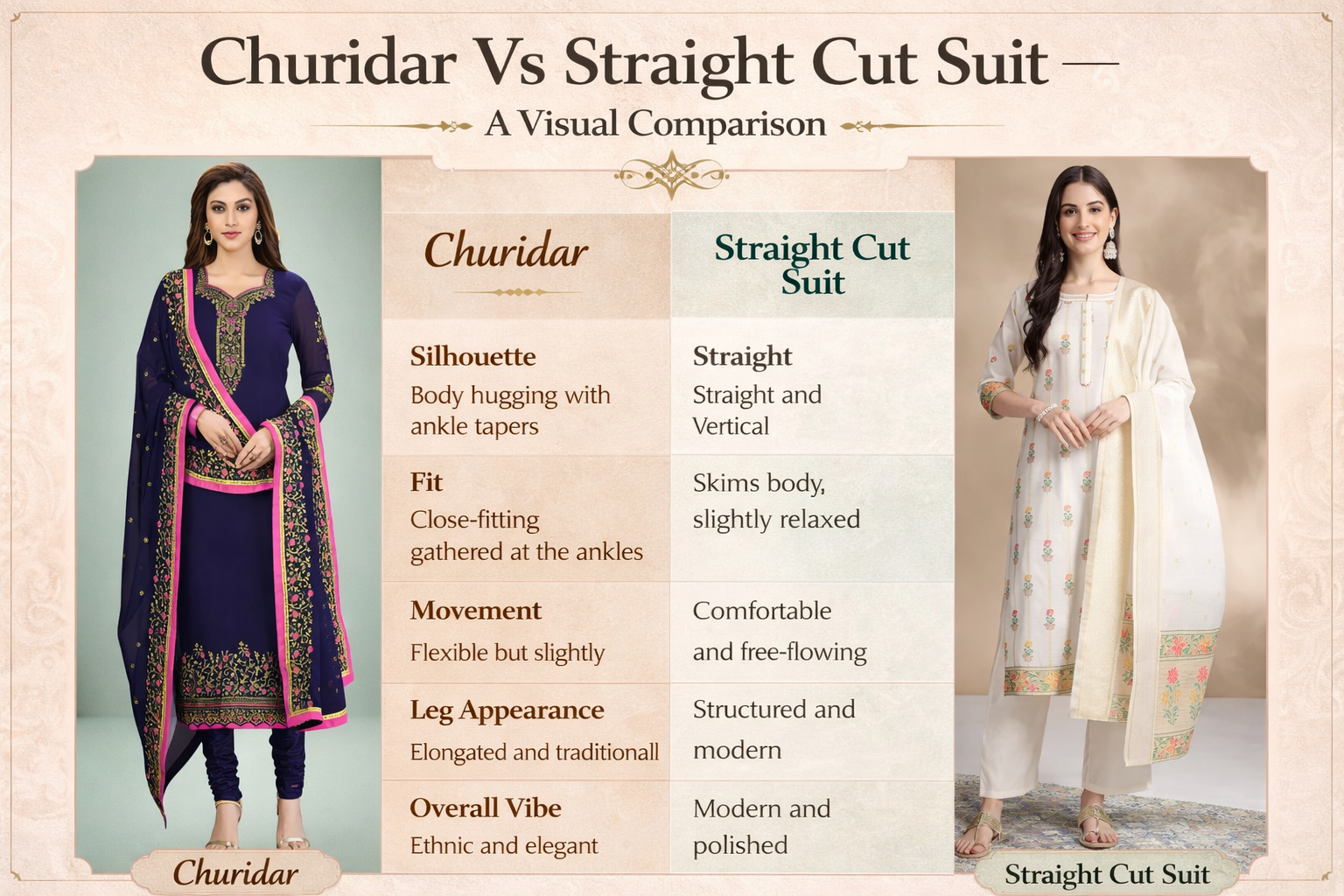
    The Churidar and the straight-cut suits are two of the most popular varieties of the salwar kameez. Both share similarities but are fundamentally different in their fit. But why does the fit matter in salwar kameez? For one, it changes the entire look of the outfit. Apart from this, the fit also influences comfort, movement and overall appearance. The silhouette of the bottom has a major impact on how the top looks. Slim bottoms like churidars and straight pants create a sleek and elongated look. However, these two fits can create very different outlines. The churidar is slim-fitting throughout the leg, whereas straight pants fall straight from the hips to the ankles. Today, in this blog, we will compare the fits of these two iconic salwar kameez styles. Let this blog be your guiding light when choosing your salwar kameez.

    The Churidar Fit- Elegant and Classy 

    When we think about the Churidar, we can easily visualise its tight, tapering fit. A major emphasis is placed on the vertical line of the body. And how can we forget about the classic ankle gathers or Churis, which give this style its name. Since the churidar hugs the legs so closely, it creates a structured and polished appearance. It also follows the natural shape of the leg and thus exudes a slim and elongated silhouette. Manufacturers usually make churidars from stretchable fabrics like cotton, lycra blends, soft silk blends, and knit fabrics.

    The Straight Suit Fit- Structured and Balanced 

    Sophistication takes on a new form with straight-cut suits. These bottoms fall elegantly from the hip to the hem.  Straight cut suits have significantly less tapering than the Churidar and are looser as well. They allow more airflow, making them perfect for long functions, standing and walking. These ensembles exude a clean and balanced outline that feels balanced and easy. Furthermore, they are definitely less restrictive than the Churidar. They are definitely less restrictive than the Churidar. The relaxed silhouette is not body-hugging, and the bottoms are tailored just enough to look polished.  

    Churidar Vs Straight Cut Suit – A Visual Comparison 

    Comfort & Movement- Real Life Considerations 

    While zeroing in on a particular salwar kameez style, you must consider real-life practical considerations. You will be moving, sitting and walking in your suit, and hence it needs to be comfortable. If long hours wear is your goal, then opt for straight cut suits as they are more relaxed and breezy. With a Churidar, you are restricted at the ankles, which might not be comfortable for some women. A straight-cut suit, on the other hand, gives a relaxed fall. Choose a churidar made from stretchable fabrics like cotton, lycra blends, or silk blends to ensure comfort and a better fit. If the fabric of the Churidar is not stretchy enough, then it can majorly restrict movement. The breathability of the Churidar is also low, as they hug the skin. Hence, there is less airflow from the leg to the fabric. Opt for churidars in cooler climates, indoor events or short durations where a tight fit is desired. 

    Churidar and Straight Cut Suit– Occasion Wise Picks 

    Churidar:

    Choose churidar on occasions when you want a smart, tailored look. It works exceptionally well when attending weddings, religious ceremonies, festivals and family occasions. It looks beautiful with Anarkali suits, floor-length kurtas, high slit kurtas and heavily flared silhouettes. 

    Straight-cut suits:

    These suits are perfect for occasions when comfort is your priority. Go for a straight-cut suit if long hours are expected. They look good during office wear, business meetings, corporate events, and formal presentations. You can also style them for day weddings, brunches, family functions and casual festive celebrations. 

    When To Choose Churidar Over Straight Cut Suits 

    To summarise, choose churidar over straight-cut suits when you want a polished and formal appearance. Go for one if the event is structured and is on the shorter side. Flared Kurtas go stunningly with churidars as they help balance out the silhouette. Also, if you want a fitted, sculpted look, then a churidar is a better option. You can also choose one during cooler weather, as they retain heat well. 

    When to Choose a Straight Cut Suit Over a Churidar

    Choose a straight-cut suit when you expect long hours. It provides comfort while keeping your look polished. Opt for a straight-cut suit when you want understated elegance with effortless style. They are particularly suitable for hot and humid climates, where you need air flow and outfits that don’t cling to the legs. 

    Churidar and Straight Cut Suits- Defining The Salwar Kameez World 

    Both these salwar kameez styles are shining gems in the salwar kameez category. While both are beautiful and extremely elegant to look at, they serve different fashion purposes. The churidar is formal and refined, the straight cut suit is relaxed and comfortable. 

    To explore the Churidar in detail– Click here. 

    To dive deep into straight-cut suits– Click here. 

    For detailed information about other Salwar kameez styles– Click here

    Final Thoughts

    Both the Churidar and Straight cut suit are equally stunning and will make an amazing addition to any fashionista’s wardrobe. Make your choice bearing in mind your comfort level, the event that you are attending and most importantly, what vibe you want to exude. If a sophisticated and polished look is what you are going for, then choose a churidar. However, if you want to embrace the easy breezy, comfortable vibe, then go for a straight cut suit. There are literally no wrong answers to the question of “Churidar vs Straight cut salwar kameez– which is better” 

    From Thobes to Kurtas– Men’s Islamic Clothing and Their Style 

    0

    What you wear says more than you think —especially when it reflects your faith, modesty, and culture. From Friday prayers to Eid celebrations, muslim dress for men carries meaning far beyond style. Whether you are a Muslim man looking to upgrade his style or just a curious reader wanting to learn more about Islamic clothing for men, you are at the right place. This blog provides a clear and informative overview of Muslim men clothing. Understanding these garments in detail will give you the confidence and poise to carry them gracefully in adherence to the rules of modesty. Some popular garments that we will talk about are Thobes, Kurtas, Jubbas, Kufis, and much more. So read along to know all about the different styles of Islamic men’s clothing in detail. 

    •  Thobe/ Thawb – Stylish Long Robes

    The Thobe, also known as Thawb or Dishdasha, is a classic Muslim garment that is a beacon of simplicity and elegance. It comes with a minimalistic design that comprises long sleeves and a high neckline– embodying the values of modesty and humility. These robes appear simplistic at first glance, but are a product of fine craftsmanship and detailed design. This alluring garment comes from the Middle East and has now spread all across the world. It also comes in various types, such as the Saudi Thobe, Emirati Thobe, Omani Thobe, and many more. 

    • Jubba – Classical Overgarments

    More formal than a Thobe, this mens islamic clothing, is also a long robe. However, it is traditionally worn over clothes. It is the garment of choice for prayers, Friday mosque visits, or special events. It is a decorated attire that comes with buttons, collars, and fancy designs. You can also find ornate Jubbas constructed out of shiny fabrics and gold threads. Encompassing the values of respect and tradition, the Jubba effortlessly blends culture and class.  

    • Kurta – Shirt Style Tunic

    The Kurta, especially worn with a pajama, is probably the most popular clothing for men in Islam. The Kurta is nothing but a long shirt, and pajamas are loose trousers. It can be worn for daily wear as well as for special occasions. They come in simple designs, which can be worn casually, as well as embroidered versions that are perfect for special events like weddings and Eid. Their loose-fitting design makes them a practical and comfortable attire. The kurta is also a significant reflection of South Asian Muslim culture. 

    • Sirwal/ PantsContemporary Bottoms

    The Sirwal, also known as harem pants, are a type of traditional, loose-fitting trousers that are baggy around the thighs but taper towards the ankles. They originated from central Asia and are now worn by Muslim men all across the world. For durability, the Siwarl is constructed out of sturdy fabrics such as cotton. Linen and polyester. Often, the cuffs of these pants are decorated with embroidery. Furthermore, they are cinched at the waist with a drawstring. They are a unisex garment that is a part of everyday Islamic clothing. The Sirwal comes in two types– long and short. The short Sirwal is popular in Saudi Arabia, whereas the men of Western regions wear long Sirwal. 

    • Kufi and Other Headwear – Completing The Look

    Islamic men’s clothing is incomplete without headwear. These come in many forms, such as the Kufi, turban, and Keffiyeh. The Keffiyeh is a chequered scarf made out of cotton and features red or black checks on a white base. It originated in the Arab world and is wrapped around the head and secured without any pins. The African countries have adapted the kufi, which is a knitted hat that is worn for religious purposes. Turbans are a part of Muslim men fashion that are found across the Middle East and South Asia. They come in countless styles and often denote ethnicities, religious sects, and social status. 

    • Bisht – Formal Ceremonial Robes 

    Muslim traditional clothing also includes the Bisht, which is a traditional outerwear popular in the Arab world. It is usually worn over a Thobe. Islamic wedding outfits for men comprise the Bisht as well. It is a sign of prestige and is worn on special occasions such as weddings or Eid. The Bisht is the garment of choice for officials and clergy such as tribal chiefs, kings, and imams. It is also considered to be a status garment and is associated with royalty, religious positions, and wealth.  This attire usually comes in black, beige, brown, cream, or grey in color. The outerwear is made from camel’s hair and goat’s wool, and hence provides comfort and durability.  

    • Styling Islamic Wear – Accessories and Footwear  
    1. Waistcoats and Vests: These are commonly added to Islamic men’s clothing for style and structure. For example, a neat Thobe with a waistcoat will make the perfect Eid clothing for men.
    1. Watches and Jewelry: Stainless steel and leather-strapped watches are popular. Silver rings are also used to elevate the look. However, gold for men is forbidden in Islam. 
    1. Fragrances: Alcohol free perfumes and scented oils can be used for a fresh appearance. 
    1. Footwear: Arabic sandals, Babauche (African slippers), Leather loafers, and casual shoes can all be paired with men’s Islamic outfits for a polished look. However, for Hajj and Umrah, sandals and slippers that leave the ankles and top of the foot uncovered are mandatory. 
    • Islamic Men’s Clothing– Regional Variations 

    As Islam spread across the world, the Muslim men’s outfits absorbed the regional practices of different Islamic countries. It also adapted to suit regional weather and climatic patterns. Here are some stunning regional variations in Muslim men’s clothing: 

    1. The Middle East: In the Middle Eastern countries like Saudi Arabia, Oman, the UAE, and Iran,  garments such as Thobe, Bhist, and Jubbas are popular. You can also see regional variations like the Saudi Thobe and Omani Dishdasha. In Yemen, trousers are swapped for an Izar wrap. Keffiyeh and Shemagh are also wardrobe staples. 
    1. South Asia: South Asian men’s Islamic clothing is vibrant and colorful, and reflects the rich culture of the region. Salwar kameez, which is a tunic and trousers, is the preferred clothing choice for men. Apart from that, the Sadri or men’s waistcoat is worn on formal occasions. Prayer caps and turbans are also commonplace.
    1. Africa: In Africa, most men choose to dress up in Macawii sarongs, which are plaid sarongs. Friday prayers call for Khamees shirts. Older scholars opt to drape a stripped fiqi shawal over their shoulders. In the desert country of Morocco, the Djellaba is commonly worn. The Africans choose to accessorize with Babouche Slippers.  

    Thus, the world of Islamic clothing is vast and varied. It is not only reflective of the style of various Muslim regions in the world, but also upholds the prime principle of modesty and culture of this beautiful religion. From casual Thobes and Kurtas to ceremonial Bishts and Jubbas, the selection is vast. Pick an outfit that is not only stylish but also exemplifies your inner faith and individuality. 

    Trendy Lightweight Party Wear Sarees for a Glam Look

    0

    Sarees have been an integral part of women’s wardrobe for their grace. But traditional sarees, like heavy silk, do not look good everywhere. Therefore, for this reason, women now consider lightweight party sarees. These sarees have a delicate yet attractive design that makes them a must-have for those cocktail and tea parties. These have lightweight fabrics like chiffon and georgette, thus you are not occupied with correcting your saree. Read this blog as we discuss why lightweight party wear sarees are a must-have for your wardrobe.

    Trendy Lightweight Party Wear Sarees Online

    Looking to shop for some designer party wear sarees which are both beautiful and add a glam appeal? Then here are some designer easy-to-carry sarees that you can choose from.

    1. Net Pink Sequin Embroidery Party Wear Sarees

    This Net Pink sequin saree is something that you can carry to your farewell party and even tea parties. The design of this saree is a bit different as it has subtle silver sequin embroidery all along the border and even on the bottom right of the pleats. The rest of the pink saree has a jaal like pattern with sequins. The best part of the designer saree is the fluffy fabric that makes it look good on lean women. The blouse features a simple vine-like pattern that you can get stitched in any pattern and design. 

    2. Beige Net Party Wear Saree

    A list of trendy lightweight party wear sarees is incomplete without this beige net saree. The design is extremely beautiful, and it features a net saree with champagne coloured sequins all over it. While the border has heavy embroidery, which also makes it a must-have for your wardrobe. The main USP of this saree is the heavy blouse that features a deep sweetheart neck and elbow sleeves, which also has sequin embroidery. 

    3. Baby Pink Silk Saree

    What’s one saree that anyone can easily carry, irrespective of their age? It’s this baby pink colour saree. This shimmer saree has a beautiful, heavy sequin embroidery on the border and even on the pallu. While the rest of the saree is plain and features small sequins on it. It comes with a heavily embroidered blouse with a boat neck that elevates its beauty to the next level.

    4. Pink and Gold Net Party Wear Saree

    If you are looking for that Bollywood-inspired net saree, then this lightweight saree for a party is for you. The saree has dual tone colours– pink and gold. The saree has a simple sequin and thread embroidery, which is simple yet looks beautiful with the rest of the design. The saree has small sequins in the form of buttis that make it a standout piece. The main attraction of these comfortable party wear sarees is their soft art silk fabric that makes it an appealing piece for your next occasion. 

    5. Ivory Sequin Georgette Saree

    It’s Ivory season again, and thus we bring to you this saree. The saree features heavy sequin embroidery in a vertical pattern on the whole saree. This simple party wear saree is crafted with Georgette fabric that beautifully complements the heavy embroidery. It comes with an unstitched blouse that has similar sequin embroidery as well. Complete the saree look with regular kitten or platform heels to look beautiful. 

    6. Pista Green Silk Saree

    This pista green silk saree is all you need to look glam in a festive or housewarming party. Coming to the design, this saree is by Reboot Fashions and features a beautiful appeal with its subtle look. The party-wear saree has subtle embroidery along the border that becomes heavy on the pallu. It comes with a silk blend light green blouse, which is heavily embroidered with silver sequins. The blouse also features net sleeves that accentuate its overall beauty manifoldly. 

    7. Black Pre-Stitched Saree

    This black pre-stitched saree is something that you need to have when creating your party wear saree collection. The dress features a skirt and a heavily sequin-embroidered pallu. The saree is pre-stitched, therefore you have to just slide into it, and you are good to go. The fabric saree is organza, which makes it a must-wear for cocktail parties. The main USP of these easy-to-carry black sarees is their heavily embroidered pallu with gold sequin embroidery. 

    Lightweight Saree Designs That Look Stylish

    Ruffle Sarees for Party Wear

    The first on our list is the ruffle saree that looks beautiful for any party. These sarees look dramatic without a heavy feeling. The layered frills along the border or pallu create a stylish and modern look. Choose soft fabrics like chiffon or georgette to keep it comfortable. Ruffle sarees are perfect for cocktail parties and evening events where you want a trendy yet lightweight outfit.

    Pre-Pleated Lightweight Sarees

    Pre-pleated sarees are easy to wear and save time while getting ready. As the name says, these sarees come with stitched pleats that look beautiful. Made mostly from light fabrics, they are comfortable for long hours. These sarees are ideal for weddings and parties.

    Sequin Sarees 

    Sequin sarees can look glamorous without being bulky if designed with fine, evenly spaced embellishments. Lightweight base fabrics prevent the outfit from feeling stiff or uncomfortable. Subtle shimmer adds party charm while keeping the look balanced. Pair with minimal accessories to maintain a classy appearance.

    Minimal Embroidery Party Wear Sarees

    Another beautiful addition for your party wear saree collection is minimal embroidery sarees. You can buy sarees with small motifs, or one with delicate thread work or zari border. These designer sarees look beautiful for formal parties, receptions and festive celebrations.

    Printed Lightweight Sarees

    Printed lightweight sarees are stylish, comfortable, and versatile. Some popular designs that look fabulous for small parties are floral, abstract and even geometric print. The softer fabrics like chiffon and georgette make it a worthy addition to your wardrobe. 

    How to Style Lightweight Party Wear Sarees

    Light Blouse Designs 

    Blouses have the ability to transform your simple, boring saree look into something stylish and beautiful. Therefore, when styling party wear sarees, choose fabrics like georgette, chiffon or soft silk for your blouses. You can personalise its sleeves as per your style, like sleeveless, cap sleeve and even sheer full sleeve. 

    Simple Jewellery Sets

    Jewellery is another integral part that completes your saree look. However, when dressing for a party, choose a delicate jewellery set instead of heavy pieces. You can go for layered chains, chandbalis and even statement earrings. You must avoid heavy chokers and oversized necklaces. 

    Footwear Ideas for Long Party Hours

    Comfort is key during long party hours. Choose block heels, wedges, or cushioned sandals that offer support without compromising style. Metallic tones like gold, silver, or nude shades pair well with most sarees. Comfortable footwear ensures you enjoy the event confidently and effortlessly.

    Soft Hairstyle Ideas 

    The last on our list is soft hairstyle ideas for party wear sarees. You can choose loose waves, a low bun or simple side-swept hair. Fresh jasmine flowers or pearl pins look beautiful, especially for new brides. Try to keep it as simple and sober for a graceful look.

    17 Stunning Lehenga Styles from Every Indian State You Must Know

    0

    There are a lot of lehenga styles in India. A lehenga is a long skirt paired with a blouse and a dupatta. Lehengas are the festive or wedding attire. Each state in India creates lehengas differently. The material, the colors, the patterning, and working of the fabric are transformed from one state to another. This blog will tell you about 16 lehenga styles from various states. You will figure out what is unique about each style, so that all people can read and get informed about the lehenga styles.

    Rajasthan Royal and Sequins Lehengas

    Rajasthani lehengas are heavy and bright. They commonly employ bandhani tie and dye along with mirror work. Bandhani is a small dotted pattern made on the fabric. Mirror work is when little mirrors are embroidered onto the fabric. These lehengas feature heavy borders and lots of layers and are available in colors like red, pink, orange, and yellow. Rajasthani lehengas are meant for opulent weddings and regal style soirees. Bandhani and mirror work have been native to this region for centuries.

    Gujarat Colorful Chaniya Choli Styles

    The chaniya choli looks like a lehenga – these outfits are very colorful and frequently adorned during the Navratri festival. Gujarat lehengas are feature mirror work, thread embroidery, and vibrant prints. The skirts are wide and full, which allows women to move and dance. The designs frequently contain flowers and geometric motifs. These lehengas are joyous and energizing.

    Punjab Flared and Lively Lehengas

    Punjabi lehengas come in bright and loud colors. Many use phulkari embroidery & that means flower work patterns in big florals. These lehengas are also available in red, bright pink and green. The skirts flare and are very swingy. These lehengas are worn by women on weddings and other festivals. The dupatta can even be heavily embroidered. And bright colors, and a few heavy stitches combine to form the happy look of a Punjabi lehenga.

    Uttar Pradesh Elegant Lucknowi Lehengas

    Chikan is the specialty of Lucknow in Uttar Pradesh. Chikankari is a technique in which white thread is embroidered onto soft, muslin-like fabric such as muslin, chanderi and silk. It’s very tiny, and it’s so neat and these lehengas appear soft and subtle. Chikankari lehengas are a hit among brides during day weddings and functions. There are many varieties of stitches in chikankari all of which lend an exquisite look to it. 

    Maharashtra Traditional Nauvari-Inspired Lehengas

    The nauvari saree style even becomes a source of inspiration for some lehenga designs in Maharashtra. Paithani fabrics are famous here. Paithani has a rich contrast pallu and borders of glittering silk and gold. The lehenga style here has taken a cue from the heavy borders and temple patterns of Paithani. These lehengas are regal and perfect for mega weddings. 

    Graceful Lehengas of West Bengal

    While a Bengali lehenga may not always be bright and festive, it’ll certainly have a story to tell. A few lehengas borrowed from Baluchari and Jamdani motifs. These are lehengas with good weaving and sublte prints. Red and white also make up the colors of Bengali traditional attire. They are usually finished in a clean and discreet way. They are selected as the perfect attire for simple but memorable ceremonies.

    Bihar Folk-Inspired Lehengas

    Madhubani painting is a traditional art form of Bihar. A few lehenga choli designs use prints and patterns derived from these folk paintings. The colors can alternate between earthy and intense. The designs narrate stories of village life and nature. These are artistic lehengas and they seem closer to the regional culture. They are a means of continuing folk art on modern clothes.

    Madhya Pradesh Handloom and Tribal Influence Lehengas

    A few lehenga styles have tribal patterns or prints. It’s a traditional, honest look. These lehengas are suitable for those girls who want to look beautifully classic yet simple. Madhya Pradesh has its own handloom fabrics, such as Maheshwari and Chanderi. Feature a lightweight fabric lehengas with a slight shine. The borders are sometimes woven and the motifs are not overly done, but strong.

    Tamil Nadu Silk Centric Lehenga Designs

    Made with the finest silk, Kanchipuram and Pochampally lehengas give a bride a luxurious traditional look. Kanjeevaram silk is well-known from Tamil Nadu. Kanjeevaram is known for its broad silk and golden zari border. Lehengas that go by the look of this silk are full rich and heavy. They frequently have temple borders and woven patterns that resemble old temple art. These are the lehengas, great for grand weddings, big festivals etc. 

    Andhra Pradesh and Telangana Temple Motifs & Rich Weaves

    These lehengas are based on intricate geometric patterns and temple designs from Andhra and Telangana handwoven style. Here the colors are vivid, and the weave is rich. These lehengas appear rich and have access to old weaving art. The weaves tend to be slow and cautious, and they pack decades of skill.

    Karnataka Heritage Silk Lehengas

    Mysore silk and rich handlooms are accepted from Karnataka. Lehengas here can be slick and shiny. They are endowed with plain designs and firm silk value. A Mysore silk lehenga appears sleek and crisp. The style is straightforward, but touches of silk make it feel rich.

    Kerala Minimal and Elegant Lehengas

    Kasavu cloth of Kerala, which uses golden and white colors. Lehengas derived from this are soft in colour and modest in appearance. These are lehengas that exude cool, unflappable beauty. The end result is clean and classic, a popular option for weddings and classic ceremonies.

    Woven Traditions of Assam in Lehenga Silhouette

    Muga silk lehengas have a warm and rich feel. This silk was formerly for kings now adored as a “golden” coated fiber. Muga silk in a lehenga looks rich and unique. Assam makes Muga silk. You won’t have to modify the muga silk itself – it has a natural golden hue. It is strong and rare. 

    Odisha Ikat and Handwoven Beauty

    Sambalpuri ikat with Lehengas have tidy and neat motifs and colors play. These are precious wares, because they require many steps to create them. Odisha is better known as Sambalpuri Ikat. This is a Daboo technique where threads are dyed and then woven. The patterns frequently soften at the edges and resemble soft forms.

    J&K Soft and Luxurious Lehengas

    Jammu and Kashmir produce soft fabric such as pashmina and employ fine thread embroidery. These types of Lehengas here would be warm and rich. The embroidery motifs are tiny and fine. These lehengas are best for cold temperatures and to give a soft and royal look.

    Himachal Pradesh Lehenga Style

    These lehenga styles are pretty warm and basic here. They’re made out of wool and heavy cloth. The aesthetic is more sweatpants and local craft. These lehengas keep women warm and traditional-looking at the same time.

    Modern Regional Fusion Lehengas

    Today, designers blend numerous regional styles. A lehenga might fit bandhani dots, chikankari stitches, ikat shapes and silk borders all together. These fusion lehengas have the best of several worlds. Young women love these mash-ups because they feel fresh, and they are laced with all kinds of stories.

    Conclusion

    They are now the ticket to enjoying India’s craft and color. Each state contributes, it’s own folktale to the lehenga. Some lehenga designs are heavy and royal. Some are soft and simple. Some are artful and handwoven. Every time you slip into a lehenga, you aren’t just wearing an ensemble – you’re dipping yourself in heritage and art. You’re also helping keep the craft of many weavers and artists alive. Hike in them and you will discover new cultures, people and their arts all over India.

    Unique Lehenga Choli Ideas for Different Occasions

    0

    Lehengas are no longer reserved only for weddings. Today, they have evolved into versatile ethnic wear that adapts beautifully across pre-wedding functions, grand ceremonies, receptions, and even festive celebrations. Women are choosing a lehenga for different occasions. Be it a wedding ceremony or a cocktail function, the lehenga dress comes up as the most preferred choice among women across the globe. 

    Mirraw holds plenty of lehenga cholis for distinctive occasions. From silk lehenga choli to Banarasi embroidered lehenga dress, there’s something for everyone.

    Lehengas For Haldi – Colorful and Vibrant 

    Haldi is a wedding function that mostly takes place during the daytime. This occasion asks for an outfit that is comfortable and lightweight for long hours. Shades like yellow and golden have always been a Haldi ceremony thing. But these days, colors like ivory, off-white, pastel orange, or soft green are also becoming popular choices. These colors are trending because they align with the traditional tone of the ceremony very well.

    For lehengas for haldi, go with minimal embellishment. Mirraw showcases a collection of subtle embroidery in lehenga dresses, delicate lace borders, or even a combination of plain skirts paired with stylish blouses. Sleeveless or strappy cholis can be a good choice as the soft fabrics ensure comfort throughout the event. Many women prefer flowy lehenga skirts that allow ease of movement while still looking festive and well put together.

    Lehenga For Sangeet – Lively and Glam 

    Sangeet nights are lively, energetic, and usually extend late into the evening. This is the perfect occasion to experiment with statement lehengas that balance glamour with comfort. Choose sequins, mirror work, metallic embroidery, or layered ruffles for this occasion and let the people stare at you. The collection Mirraw offers to its customers worldwide is exclusively meant for sangeet nights. The fabric choices and the unique embroidery are something you would never find at other platforms.
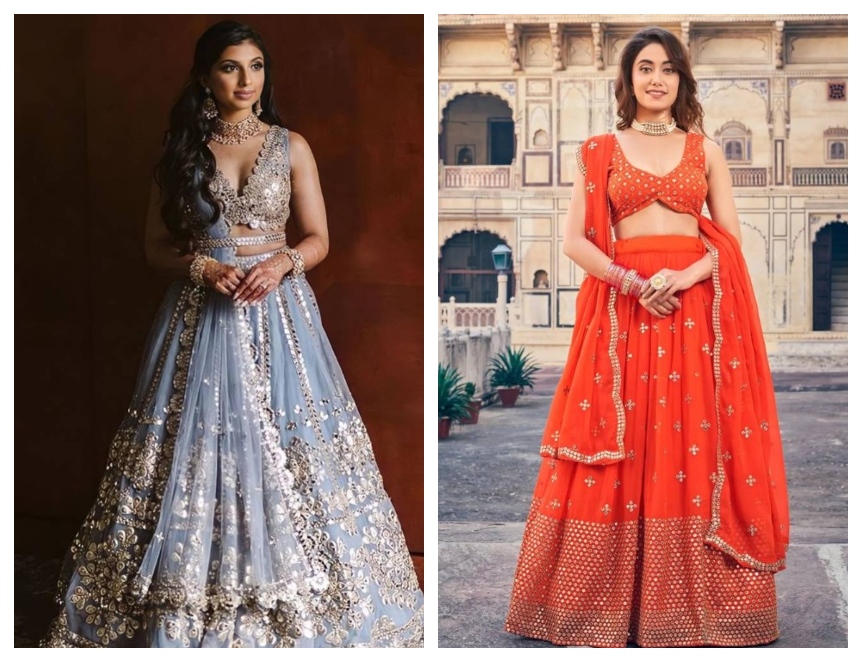
    Choose darker shades like navy blue, wine, emerald, magenta, or jewel tones that photograph beautifully under stage and ambient lighting. Opt for lehengas with lighter skirts and fitted cholis to allow easy dancing. Jacket style lehengas, cape blouses, or contemporary cuts add a modern edge without compromising comfort.
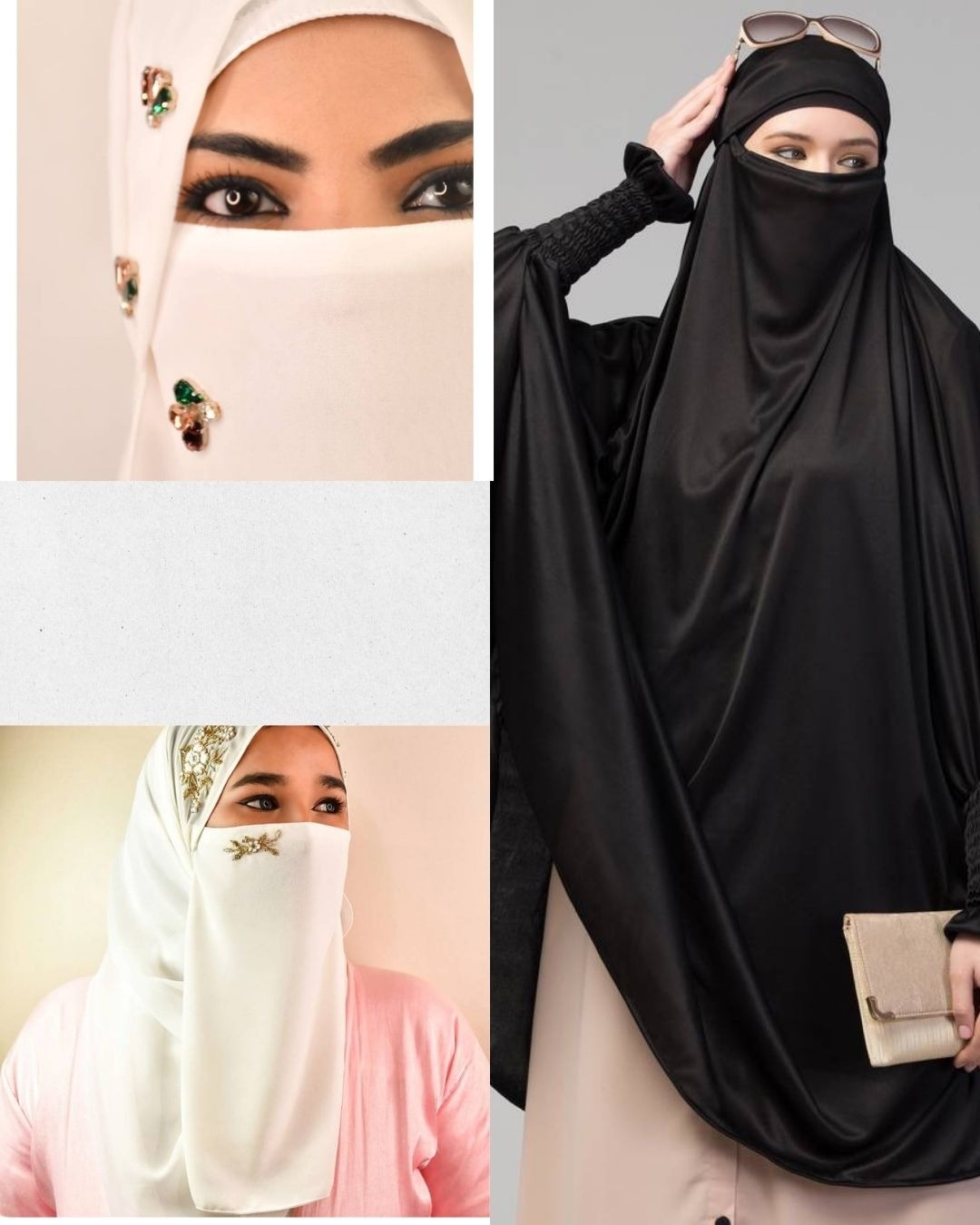
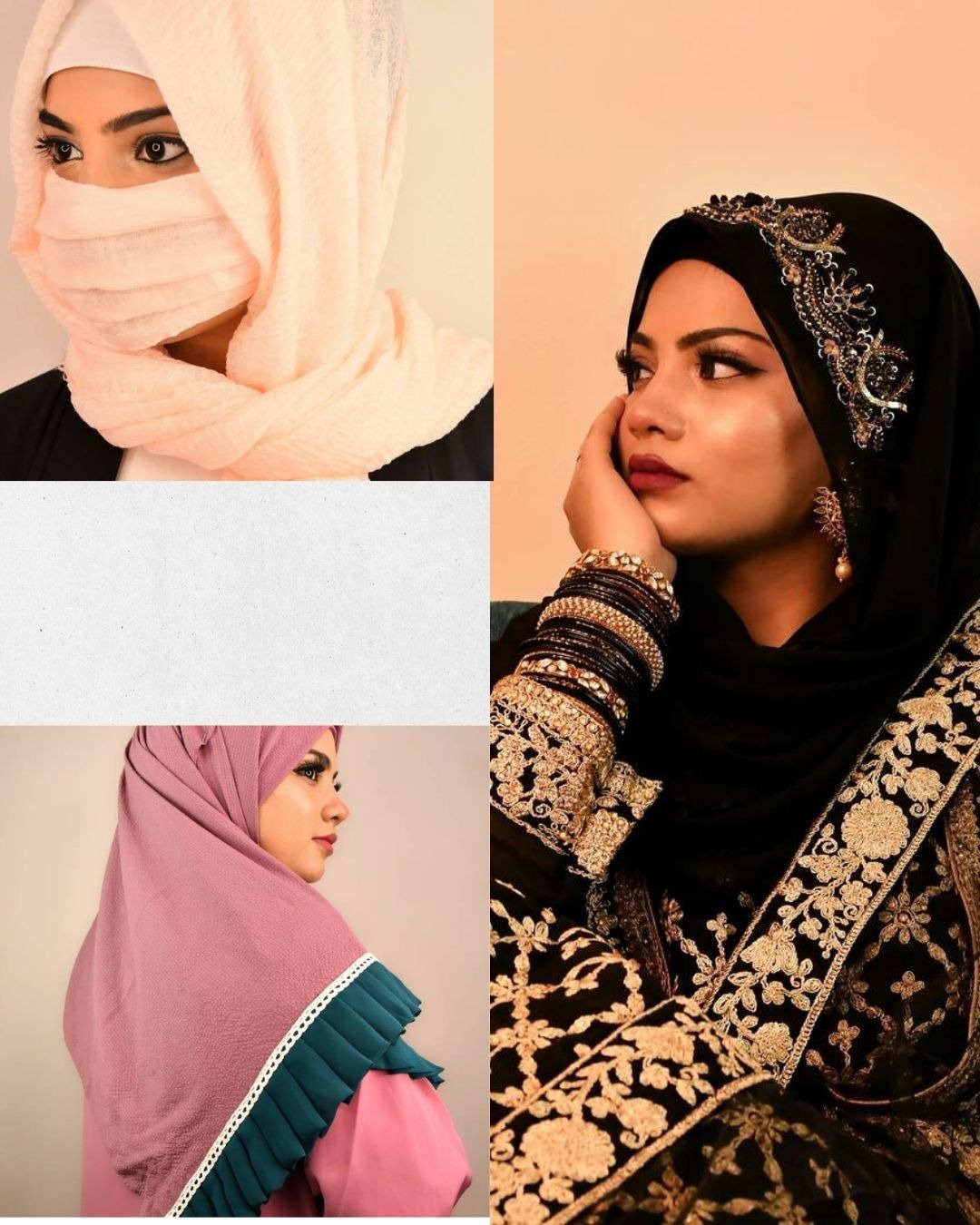
    Lehenga For Mehendi – Ceremonial and Comfortable 

    Mehendi functions are joyful, relaxed, and usually held during the day, which means comfort should be your top priority. Lightweight lehengas in breathable fabrics like cotton blends, georgette, or organza work best for this occasion. Opt for bright and cheerful colors such as yellow, green, lime, peach, or soft pinks that complement the festive mood.

    Floral prints, minimal embroidery, mirror accents, or threadwork add visual interest without making the outfit feel heavy. A simple lehenga paired with a short choli, crop top, or cape blouse works well for easy movement during the ceremony. Avoid heavy dupattas and instead choose light drapes or skip them altogether for a fuss-free mehendi look.

    Lehenga For Wedding – Regal and Grand 

    The wedding ceremony is the most significant event, and lehenga outfits for this occasion often lean towards grandeur and tradition. Rich fabrics such as silk, velvet, raw silk, or brocade are preferred for their structured fall and luxurious appearance.

    Traditional color palettes like red, maroon, deep pink, ivory, or gold remain timeless choices, though modern brides and guests are increasingly exploring softer pastels and muted tones. Heavy embroidery, zari work, resham detailing, or handcrafted motifs add depth and richness to wedding lehengas. Pairing the outfit with a well-draped dupatta and balanced jewelry completes the ceremonial look.

    Lehenga for Reception – High Fashion and Sophisticated

    The reception ceremony calls for elegance, sophisticated yet contemporary approach. While sarees are trending, wearing a soft colored lehenga dress would only add to your charm. Unlike the wedding ceremony, receptions allow more flexibility in styling and color choices. Avoid reds and greens for this occasion. Opt for neutral shades, metallic tones, monochrome palettes, and jewel colors to outshine the crowd.

    Opt for sleek silhouettes with refined embroidery rather than overly heavy designs. Satin, georgette, silk blends, or embellished tulle fabrics work beautifully for receptions. You can even pick solid lehenga skirts, and explore statement blouses such as corset-style cholis, off-shoulder designs, or structured crop tops to get a complete party look.

    Lehenga Outfits for Festivals

    Festivals are as special as a wedding occasion. Hence, it is very important you dress well, celebrate and go out with your friends and family to enjoy it all together. For occasions like Navratri and Diwali, a dual-tone lehenga choli stitched with mirror work is a beautiful choice. Besides this, ones with vibrant prints and lightweight flared skirts allow free movement for garba and dandiya nights. 

    Bright colors, traditional motifs, and breathable fabrics are ideal for long hours of celebration. Mirraw ensures to stick by this fact. The festive wear lehenga collection at Mirraw’s online store is vibrant, attractive, heavily embellished and stitched perfectly. For many other festivals, Mirraw tends to offer lehengas in elegant tones as well. Opt for mid-weight fabrics that strike a balance between festive appeal and wearability. Festive lehengas can be styled with statement jewelry or layered dupattas to enhance the look without making it feel overwhelming.
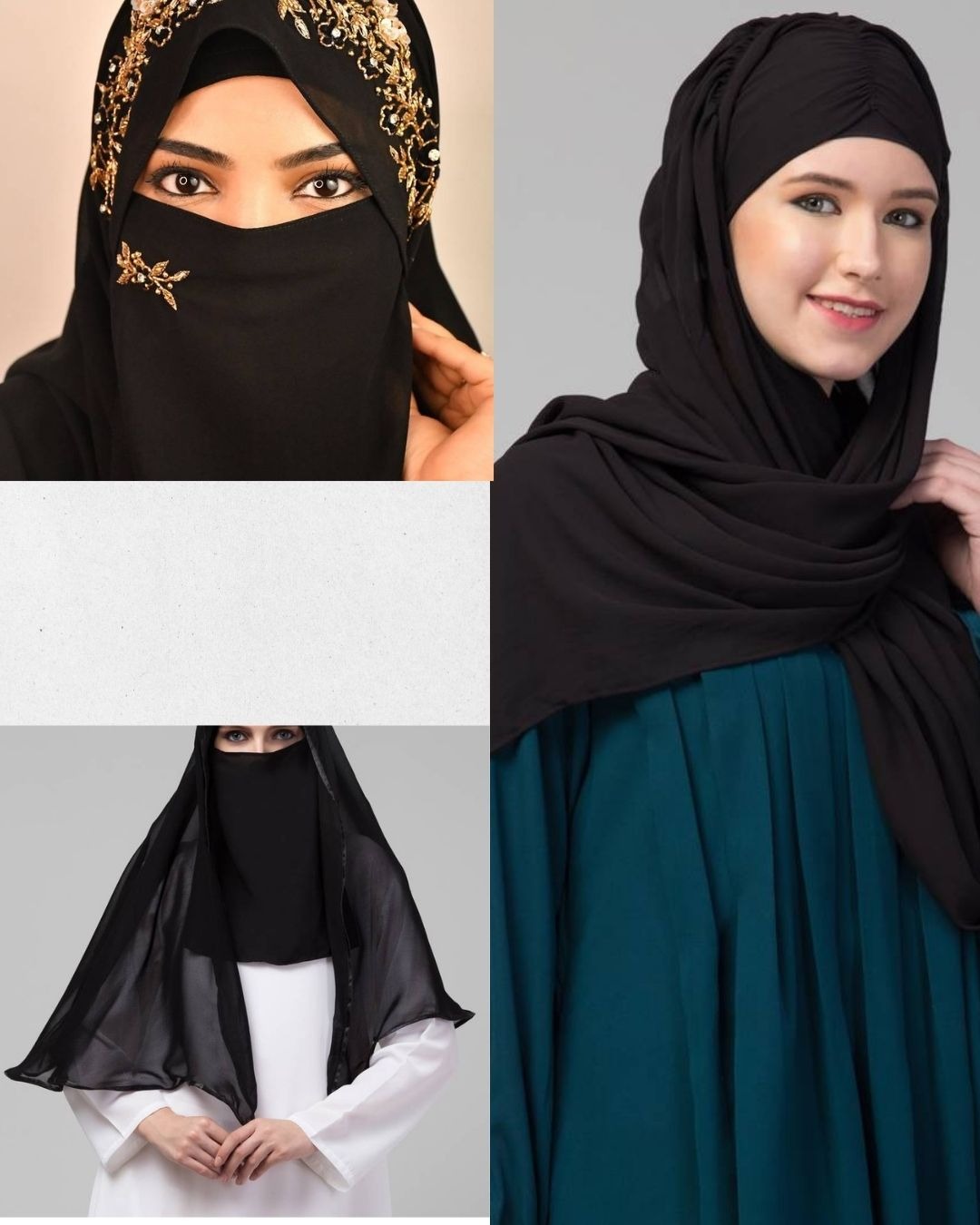
    Understanding The Churidar in Depth– Defining its Slim Fit Silhouette 

    0

    Graceful, elegant, and completely feminine, the churidar has been a wardrobe staple for many South Asian women since time immemorial. The magic of this stunning salwar suit is such that it is a top pick for a variety of occasions, from daily wear to festivals and weddings. With its flattering fit and timeless design, the churidar continues to evolve and find new admirers everyday. 
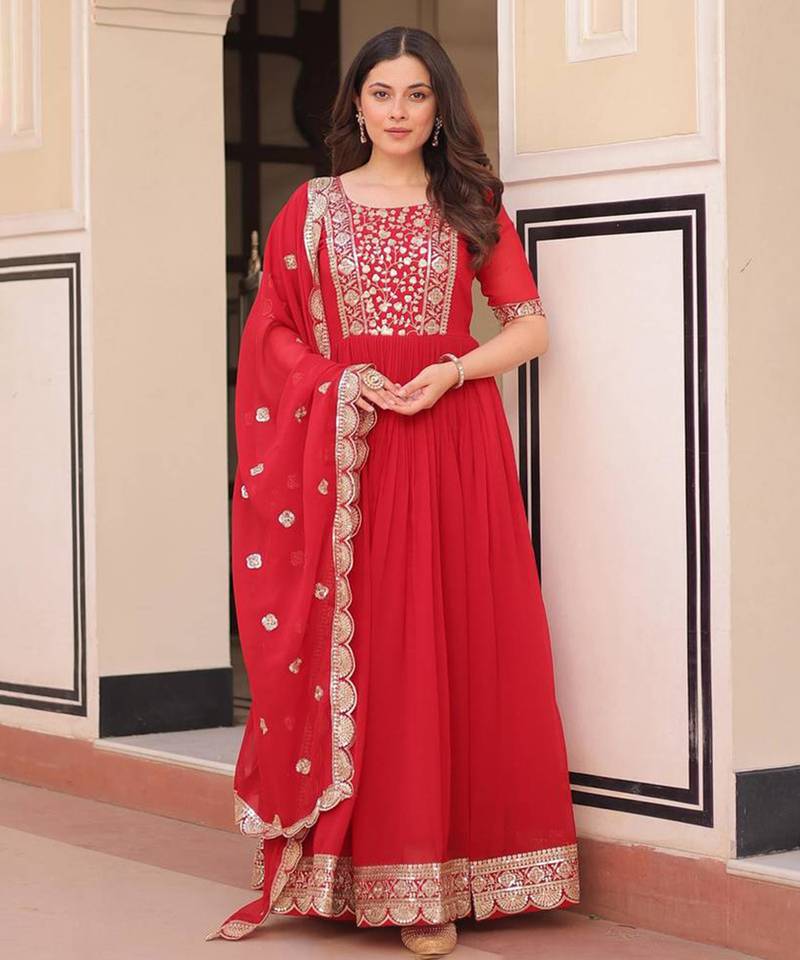
    But what exactly is a churidar? In layman’s terms, it is a fitted bottom often worn with a kurti or kurta. However, its essence is much wider than this basic definition. Its design is such that it is closely fitted from the waist to the ankle. However, its defining characteristic is the formation of Churis or gathers at the ankle, which break the straight silhouette and add another dimension. One of the most celebrated salwar kameez categories, the churidar stands apart for its refinement, panache, and contemporary style. 

    In this blog, we will go over the basics of what a Churidar is, its constitution and how it compares to the other salwar kameez styles. Stay tuned to know more. 

    The Classic Slim Fit Construction Explained 

    The beauty of the churidar lies in its body-hugging, sleek construction. Unlike traditional salwars, the churidar is designed to closely hug the legs from the waist to the ankle. This creates an elongated and refined look that is beyond elegant. It follows the contours of the legs closely, thus giving you a shapely look. The Churidar’s pattern is cut to gradually taper down from the hips to the ankles, maintaining that sculpted look. The ankle opening is narrow and very slim and may include a small slit or a button. Because of its structured design, there is no room for error and tailoring a Churidar requires precise measurements. Some measurements that are needed are for the waist and hip, Thigh, knee and calf, as well as full leg length. A finely tailored Churidar speaks the language of refined sophistication and precision tailoring. 

    Churidar Ankle Gathers– Elegance Redefined 

    These beautiful folds at the bottom of the Churidar are what give it its name. These are the most defining characteristics of the Churidar. The soft, stacked folds are called Churis or bangles. They transcend being just a mere decorative element and are what sets the garment apart from traditional leggings or straight pants. These folds add elegance and visual interest without using embellishments.  They further enhance the tapered, slim silhouette of the bottoms. A traditional, graceful finish is achieved because of these tiny folds. They also serve to balance out long kurtas and heavy Anarkalis. While constructing a Churidar, 2-6 extra inches are added to the leg measurement to achieve these delectable folds. 

    Why Churidar Fabric Matters

    Since the construction of the Churidars is so snug and tight, the fabric used to construct them plays a large role in fit, movement and overall look.  The churidar fabric should offer both structure and flexibility. The perfect balance between the fabric drape, weight and stretch is a crucial factor in determining how flattering the garment will be. Since churidars are slim fit, without some degree of stretch, they might feel restrictive and hinder movement. Stretch prevents sagging at the knees and allows for easy movement while sitting or walking. Fabrics such as cotton, cotton blends and cotton lycra are mostly used while crafting Churidars as they are soft, breathable and maintain sharpness throughout the day. On the flip side, if stiff fabrics are used, then movement is restricted. Fabric choice also affects how folds are formed at the ankle. Another reason why cotton Churidars are popular is that they feature crisp and defined ankle gathers. 

    Why the Right Fit is important and Its Impact on the Churidar Silhouette

    Since Churidars are a precision garment, the way they are tailored and fit has a major impact on the overall look. Here are some reasons why the Churidar fit is important:

    Polished Appearance:

    When you choose a Churidar fabric that is properly fitted, it creates a structured and polished appearance. The bottoms look better, feel better. 

    Defines Kurtas:

    The overall appearance of the Churidar is such that it enhances the elegance of the kurtas and kurtis paired with them. The right fit ensures that the top wear looks structured and defined. 

    Provides Balance:

    The snug fit of the Churidar contrasts beautifully with flared or long kurtas. The tight structure of the bottoms provides a sublime balance to heavy or layered kurtas. 

    Gives a Formal Appearance:

    The structured silhouette of the Churidar pants exudes a polished and formal appearance. This is especially true when you compare them to traditional salwars, which are slightly informal. 

    Churidar vs Other Bottom Styles 

    Compared to Patiala:

    Churidars are slim and tapered, whereas the Patiala is loose and pleated. There are vast differences in the ankle design as well. Churidars come with tight silhouettes with gathers, whereas the Patiala is relaxed and has minimal taper. 

    Compared to Palazzo:

    Palazzos are wider and more flared than the traditional Churidars. They also feature a wide leg opening. While the overall look of the Churidar is elegant and traditional, the Palazzo exudes a modern and flowy vibe. 

    Compared to Sharara:

    Shararas are renowned for their fitted tops and flared bottoms. They are known for their distinctive flare– something not present in the structured churidars. 

    Compared to Straight pants:

    While the straight pants and the Churidar look similar, they have a few difference to them. Straight pants are renowned for their straight and uniform structure. They also feature a clean, straight hem, while the Churidar is tight with gathers. 

    Churidar – Formal Elegance Come to Life 

    The Churidar suit has long been beloved as formal wear. Its structure, fit and polished look natural leans towards formal dressing. Here are reasons why the Churidar is considered to be the best of formal wear: 

    Tailored Fit:

    The Churidar’s precision tailoring creates a sleek line that feels refined and intentional. The structured taper instantly elevates the look and makes it suitable for office wear, formal gatherings and work parties. 

    Pairs well with Formal Kurtas:

    Churidars are often styled with long straight kurtas, Anarkalis and embroidered Kameez. These combinations create a polished look that works well for formal events. 

    Elegant Churis:

    The signature stacked folds at the bottom of a Churidar add subtle detailing without overwhelming the outfit. Unlike flares and pleats, the Churis are controlled and neat, adding to the sophistication of the look.

    Elongated Silhouette:

    The tight-fitted structure of the Churidar elongates the legs visually. The streamlined effect gives the wearer a polished and poised look– essential in formal fashion. 

    How Churidars Fit Into The Broader Salwar Kameez World 

    Churidar sit right there in the Salwar Kameez category with another amazing silhouettes such as Palazzos, Anarkalis and Straight Cut suits. They are not a separate category but a part of the Salwar Kameez umbrella.

    To explore other Salwar Kameez styles in detail — Click here. 

    Final Thoughts

    Thus, it is their slim fit, tapered construction, ankle gathers and structured appearance that sets the Churidars apart. Wear them with your favorite long kurta or style them with a dainty short kurti– the Churidar never disappoints. Thus, embrace comfort, style and elegance in one outfit and trust us, you will elevate your fashion game in an instant.