Home Blog Page 4

Trending Islamic Clothing For Women 2026 – From Everyday Glam to Luxe Looks

0

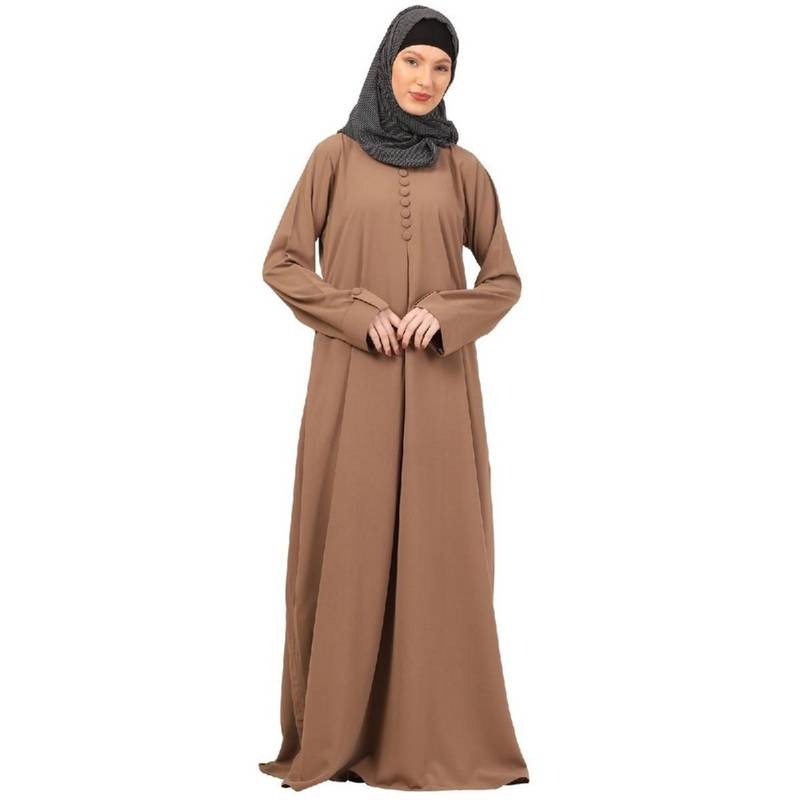
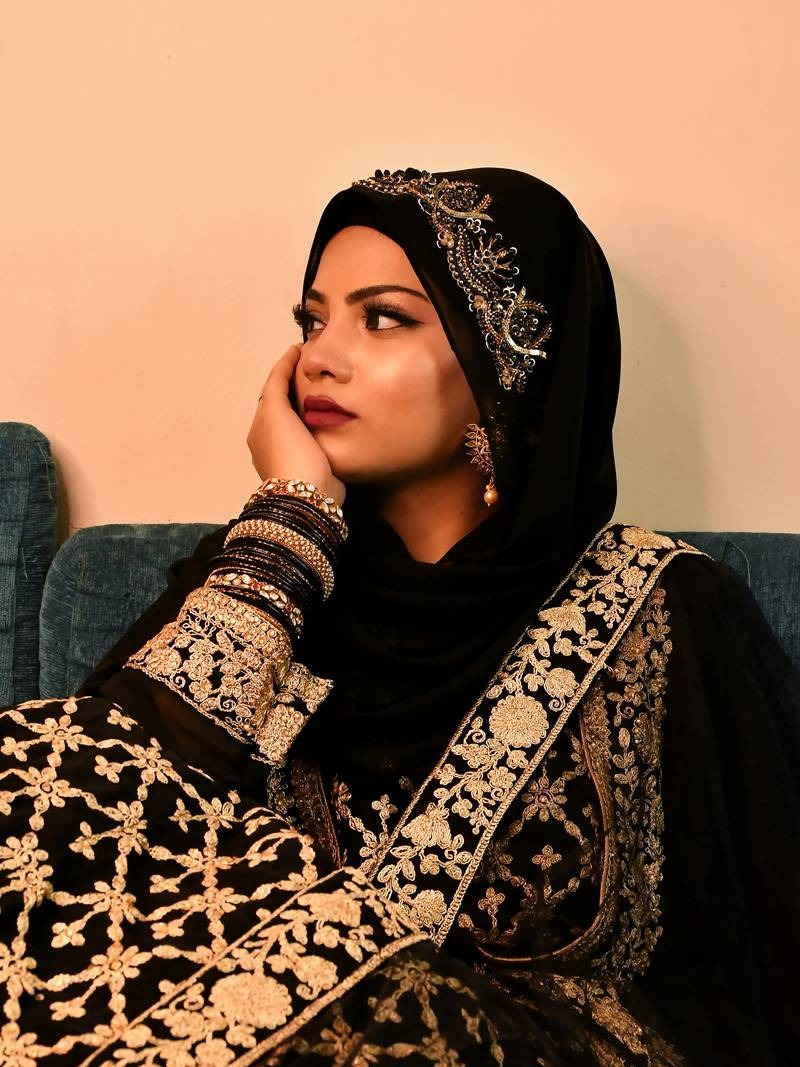
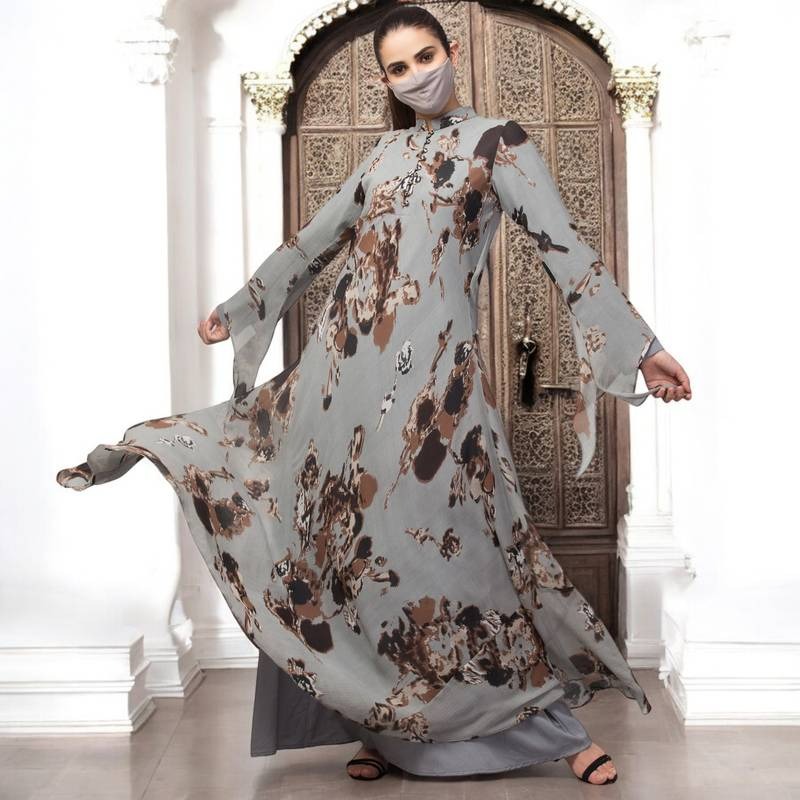
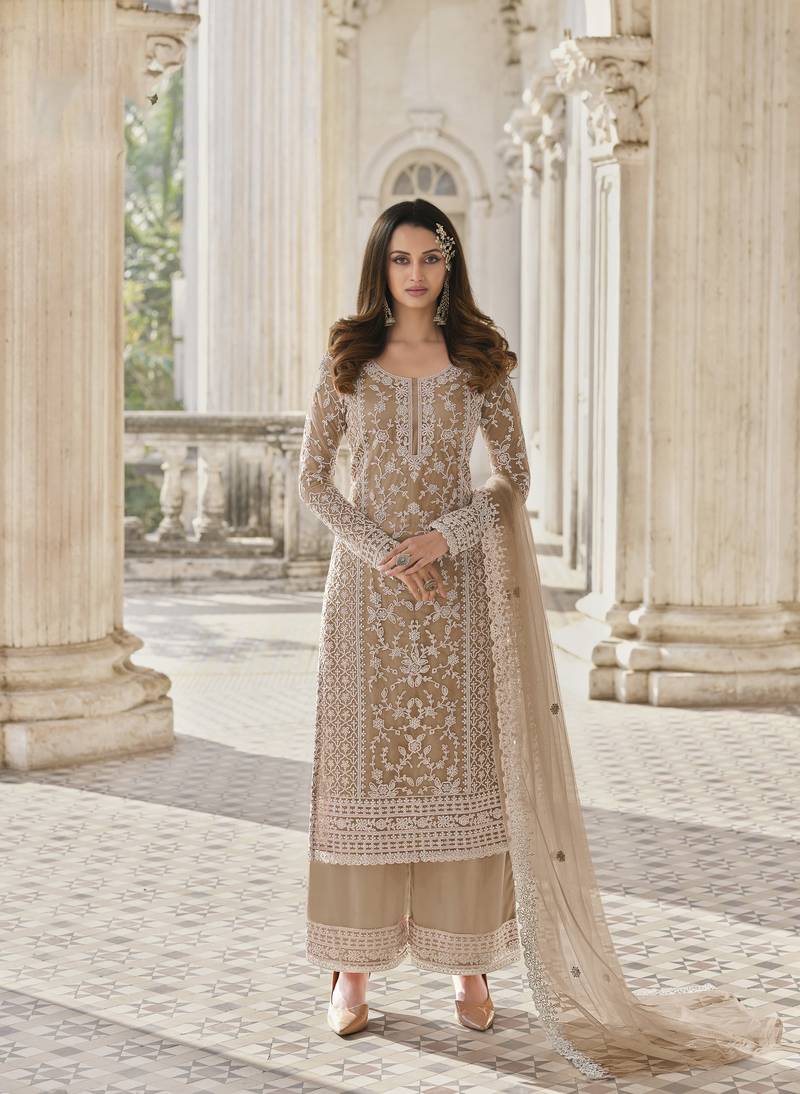
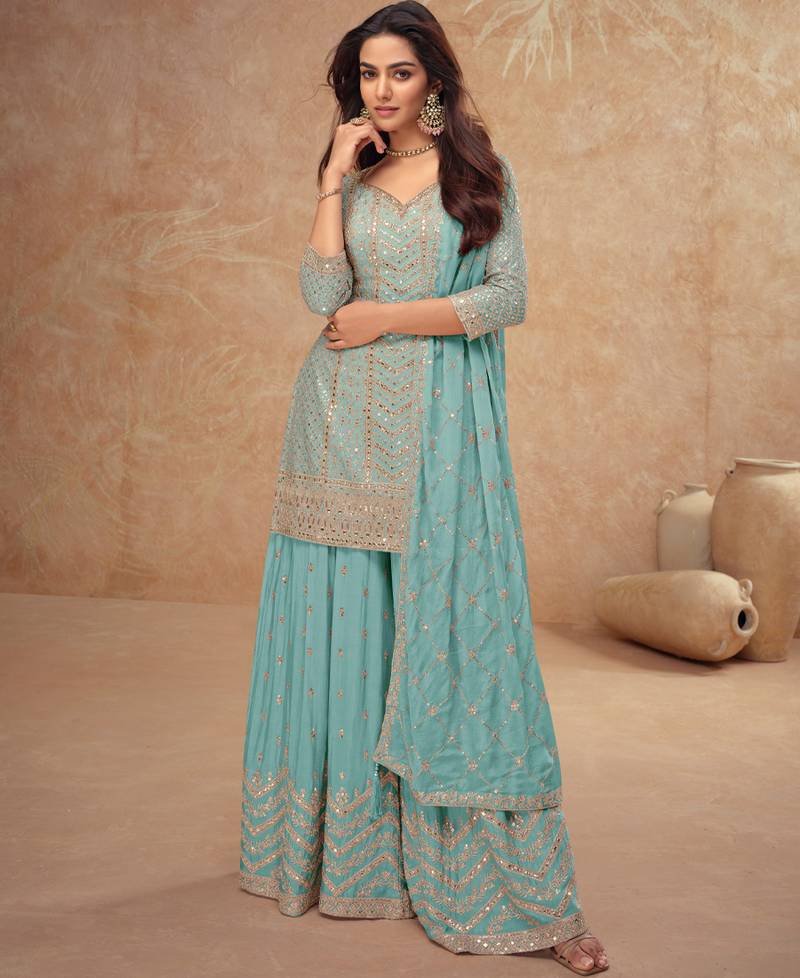
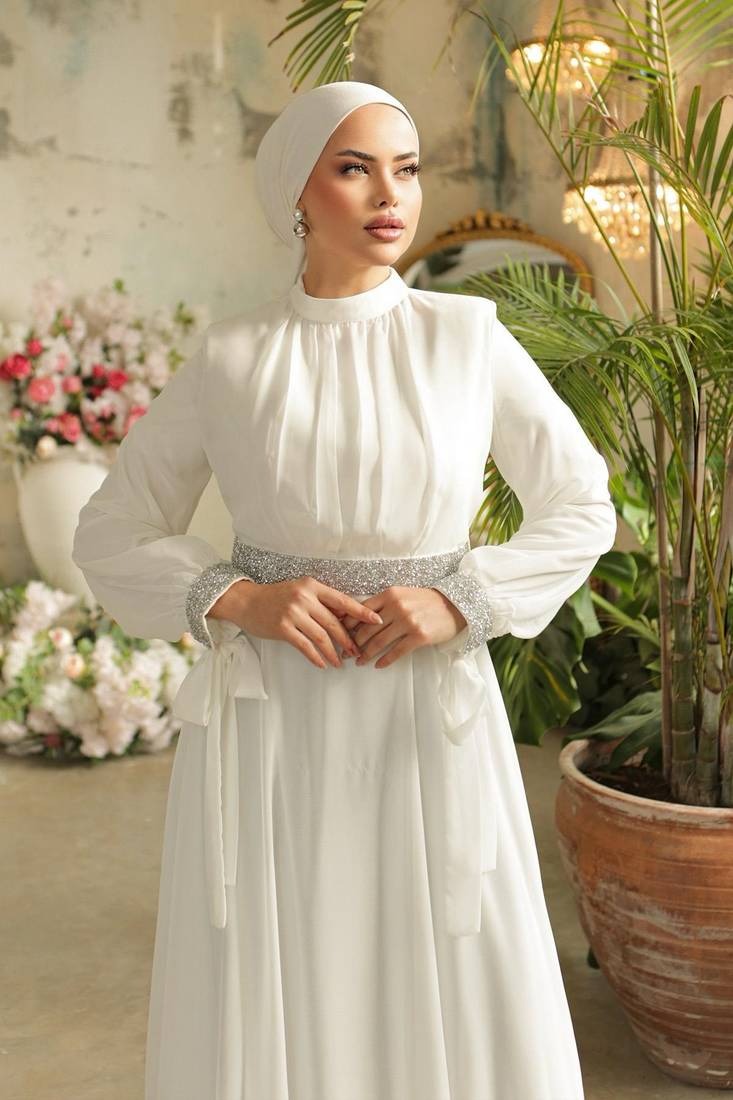
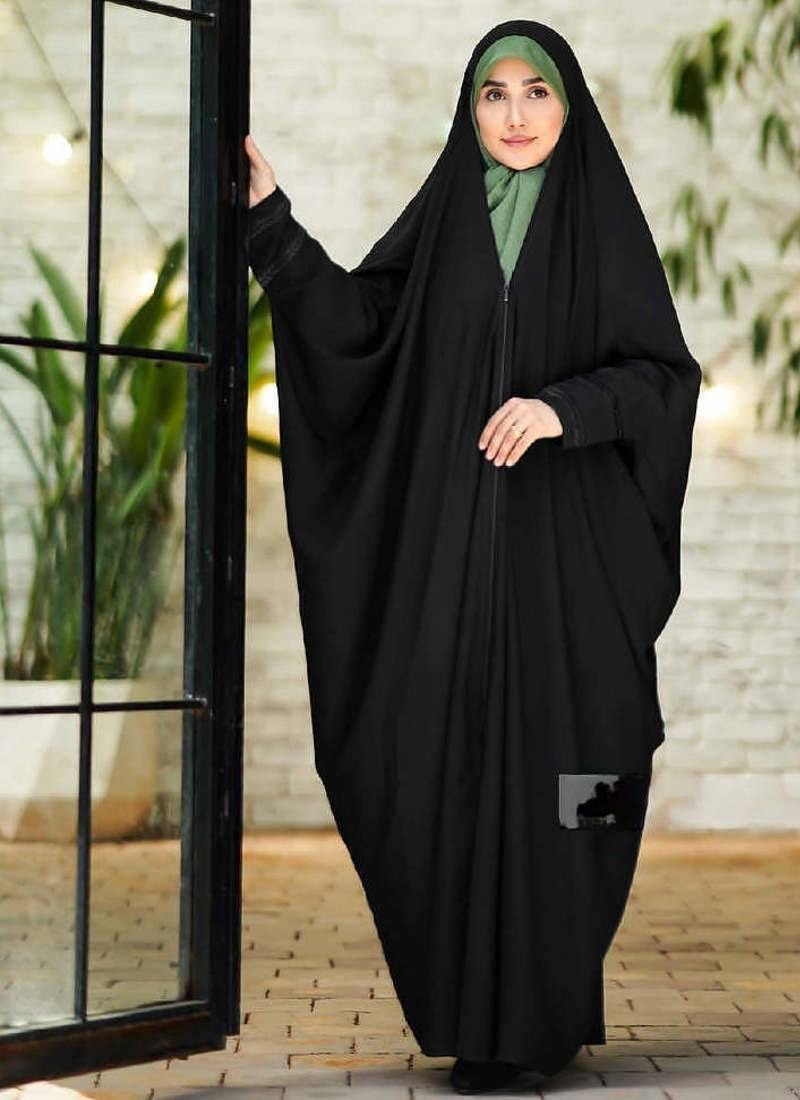
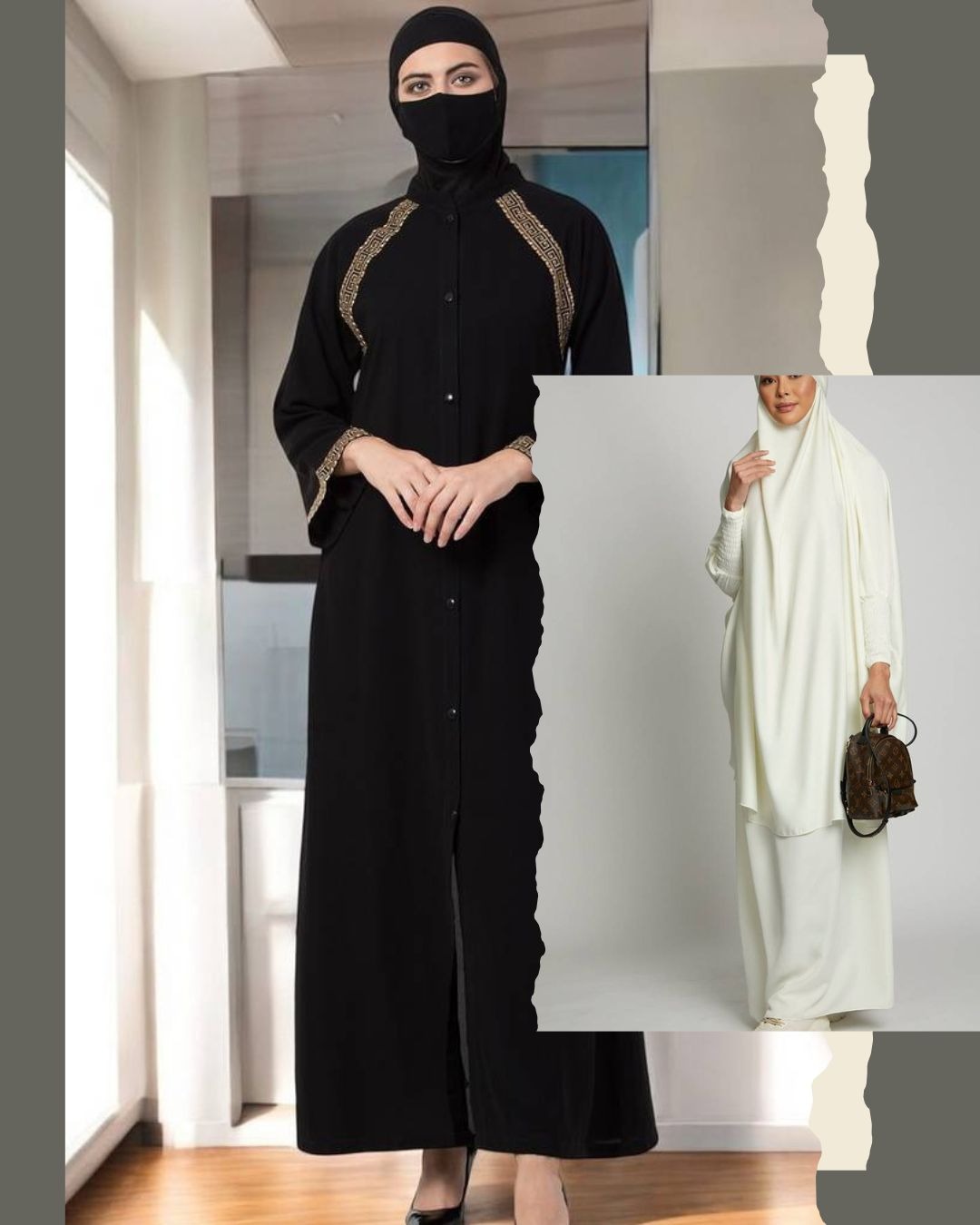
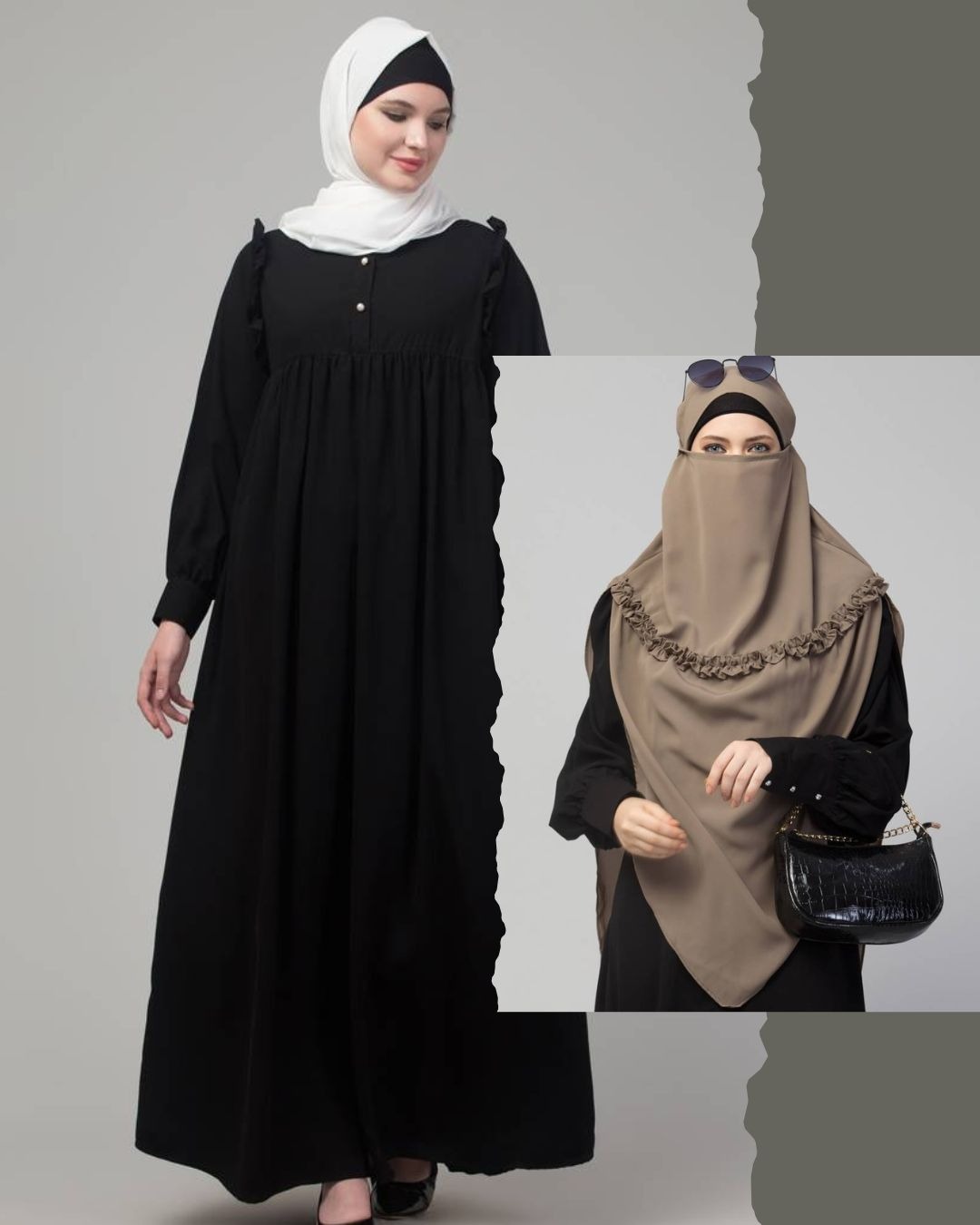
For the longest time, there was a misconception in the fashion industry that women’s Islamic clothing was just limited to the hijab and burqa. However, with the advent of styles such as the Abaya, Jilbab, Kaftan, Farsha, Fustan, and many more, Muslim women have more options than ever. In 2026, women want to look stylish while still adhering to the principles of modesty. The Muslim clothing is gently evolving to encompass the changing modern sensibilities while staying true to its core. Women now have multiple options to wear across various occasions. A casual Abaya for daily wear differs significantly from embellished kaftan dresses worn to weddings. In this blog, we will take a closer look at what Islamic women’s fashion entails and explore the stunning array of ensembles available. 

  • Everyday Elegance – Abayas For Daily Wear 

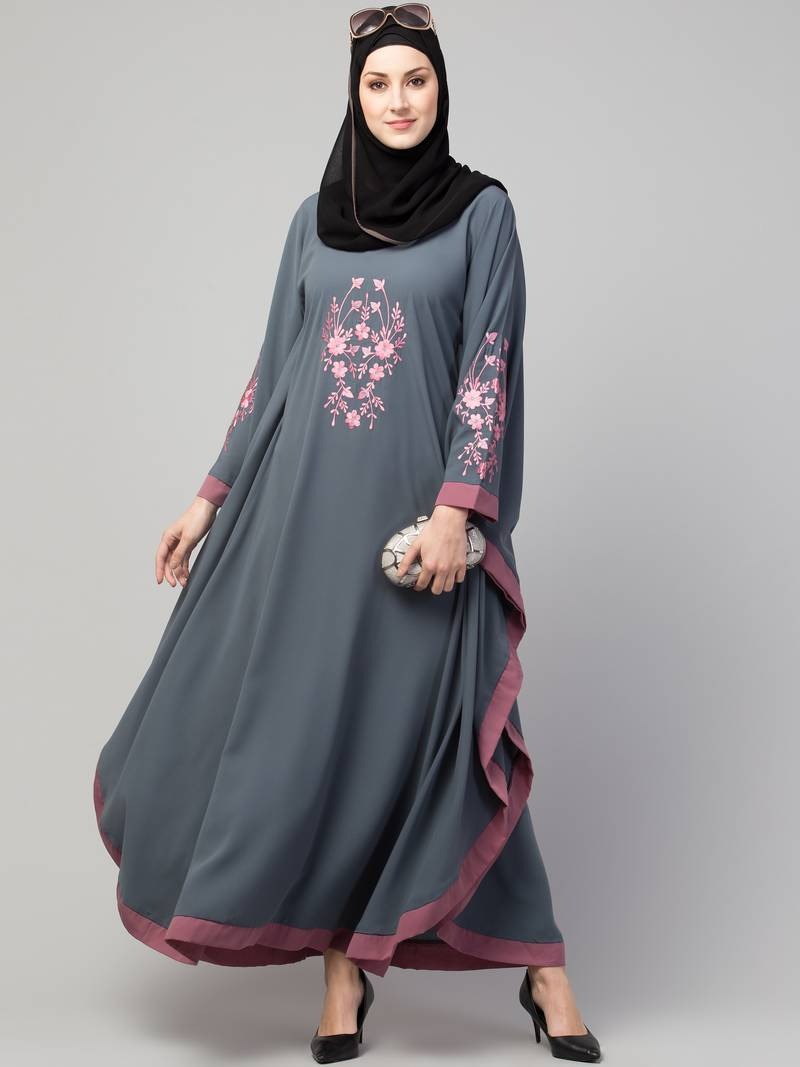
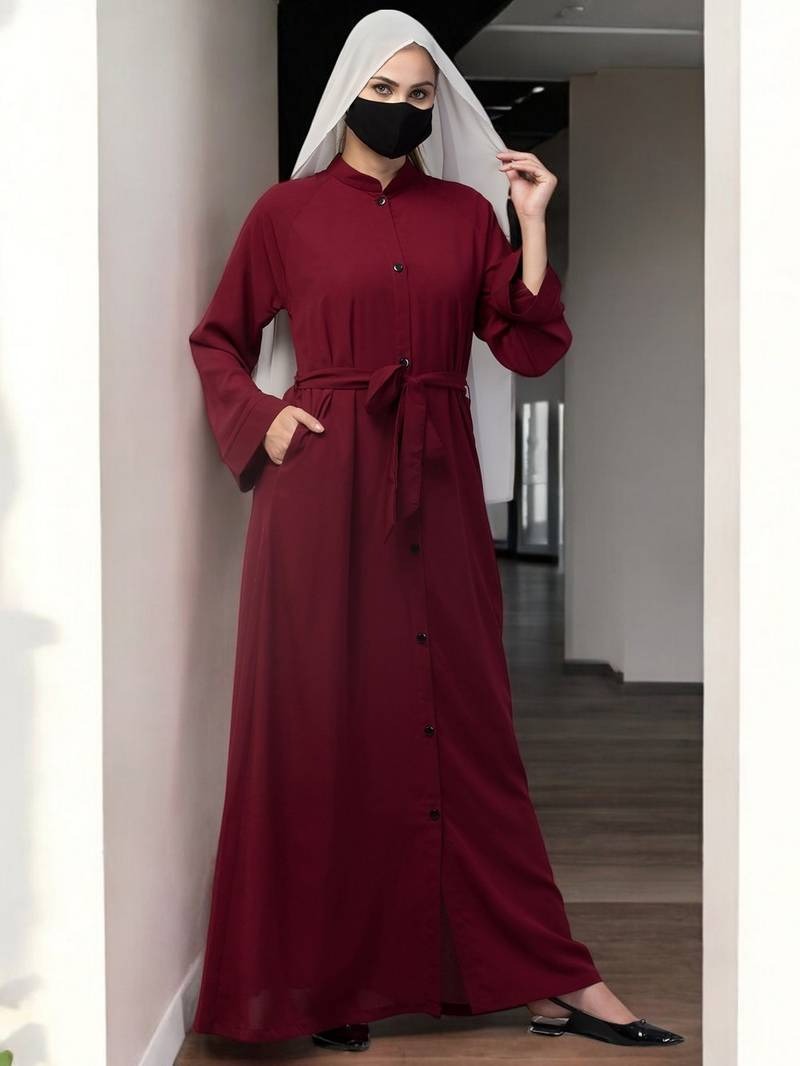
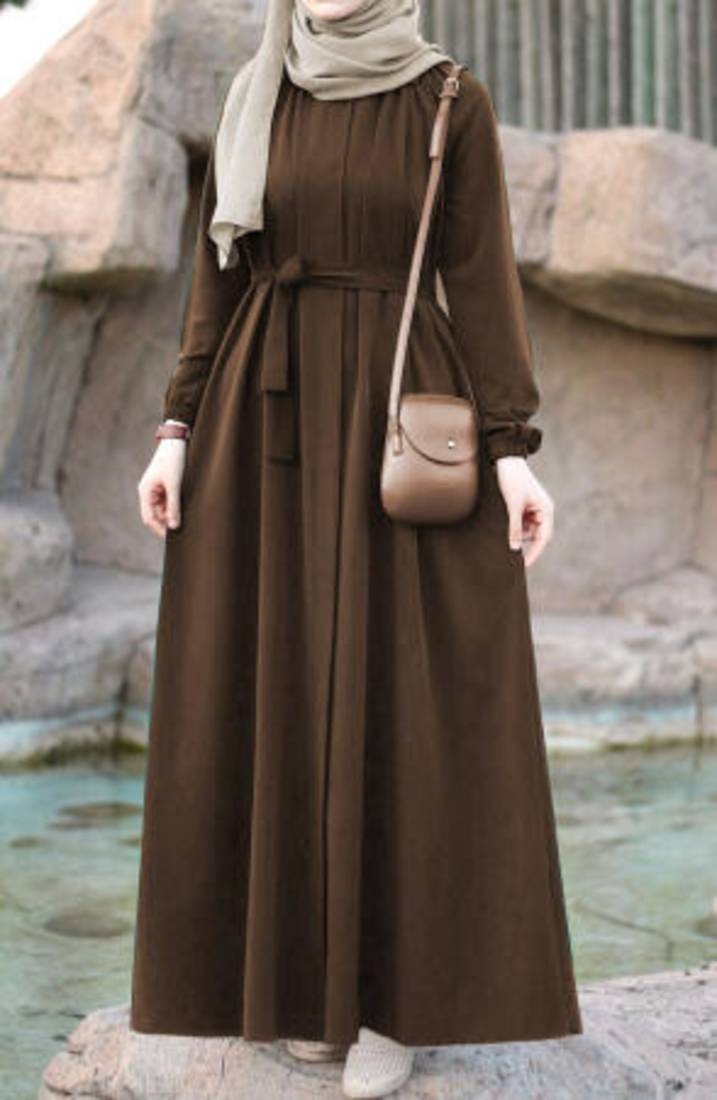
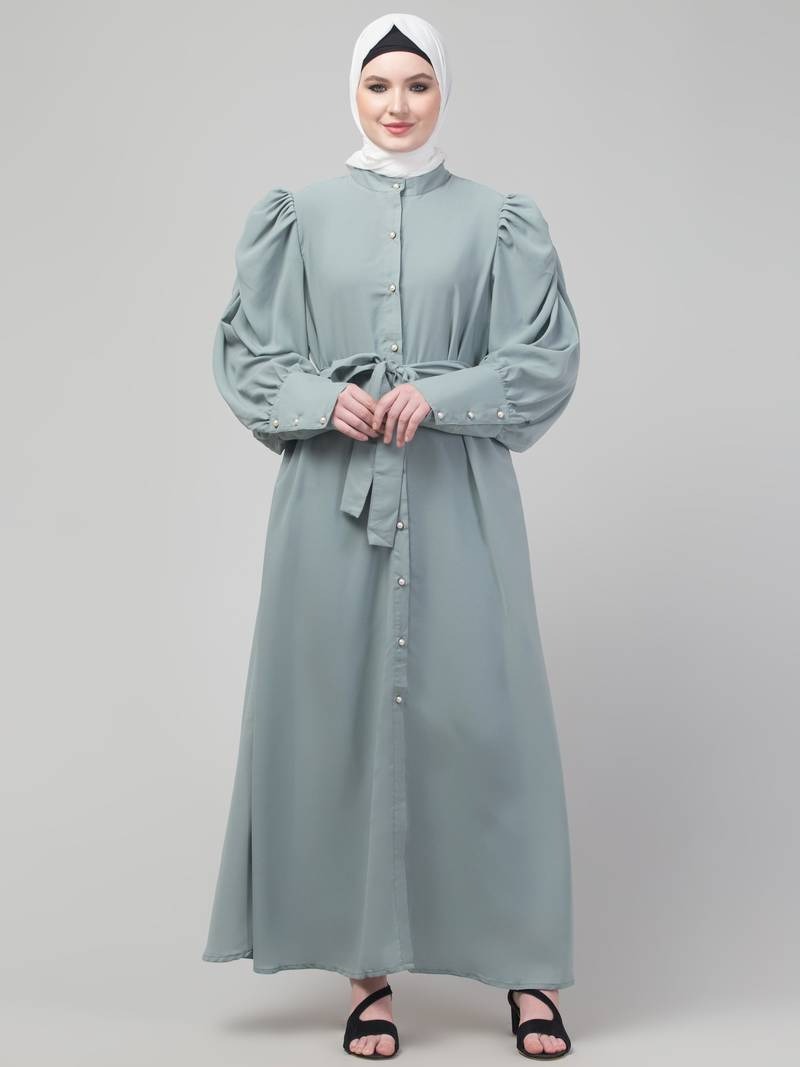
An Abaya is traditional Muslim wear that is loose and full-length, akin to a robe. It is an excellent daily wear choice because of the comfort and modesty it provides. However, if you are opting for a daily wear abaya, you should consider a few things. Choose lightweight fabrics such as cotton, linen, and jersey that encourage air flow and keep you cool and dry, especially in hot and humid weather. You can also explore a variety of abaya cuts that are suitable for daily wear. The classic straight cut abaya, Open-front abaya, kaftan cut, or belted abaya mesh comfort with style brilliantly. If you want to take the comfort factor up a notch, ditch the high heels and go for comfortable flats or modest sneakers that let you move throughout the day effortlessly. 

  • Work Appropriate Islamic Outfits

As more Muslim women started entering the workforce, the need for trendy modest fashion that also works for office settings became a necessity. Stylish Islamic clothing such as Tailored blazers, cigarette trousers, maxi dresses, shirt dresses, and tunic tops and blouses aling with the Islamic principles of modesty while looking professional. Hijab styles such as the classic wrap style, turban style, and loose drape style are also prominent. The trick to an elegant, professional look is to choose the right colors. Neutral tones such as white, beige, and slate gray are the perfect pick. Apart from this, pastel colors like baby pink, powder blue, and sage green work well. In an office setting, keep the accessories on the down low. A simple pendant necklace and classic studs will do the trick. 

  • Hijab styles for Everyday and Work settings 

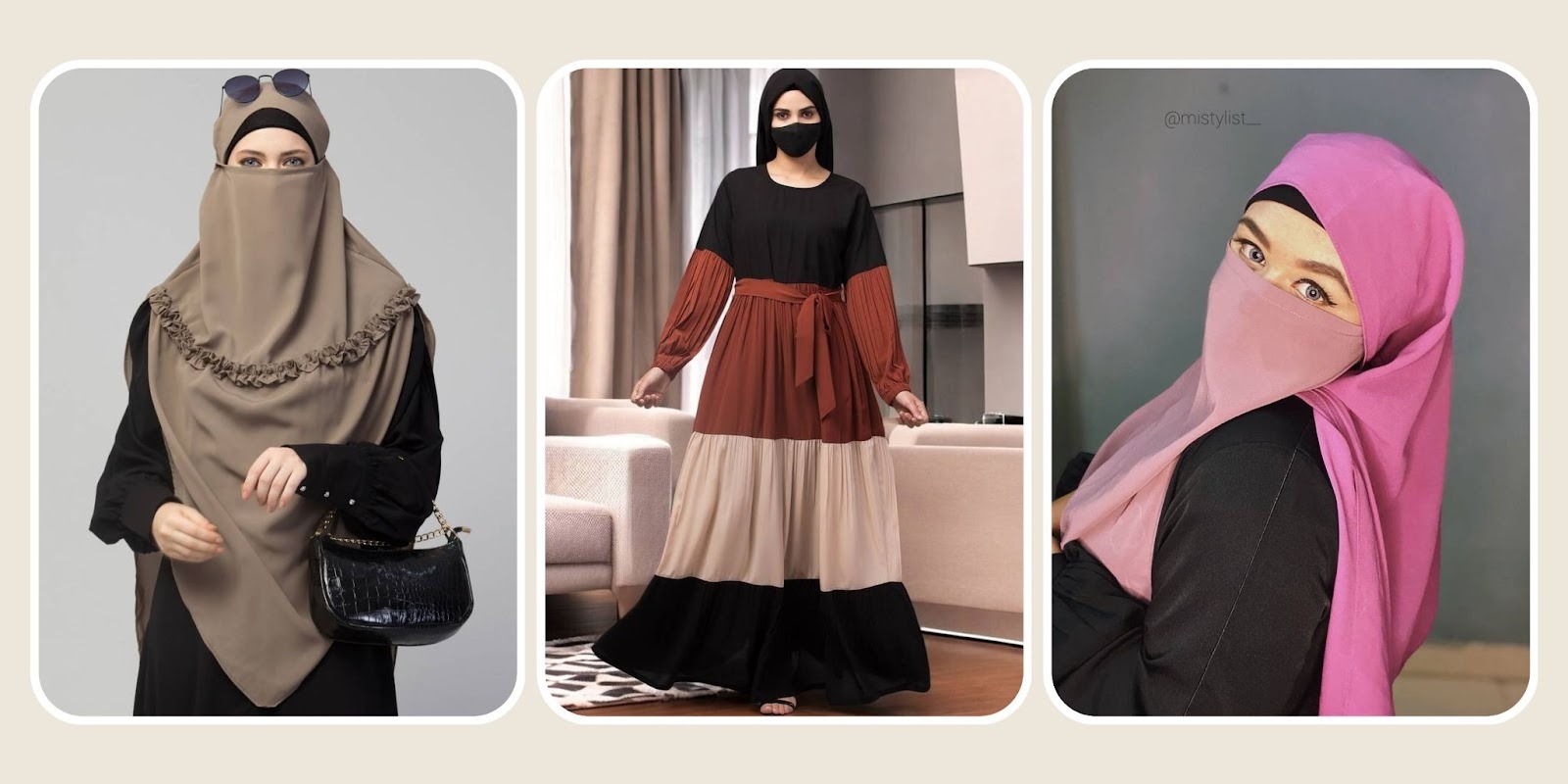
Hijab is a crucial part of the Muslim garb for women and hence must be chosen carefully. Some popular hijab styles are: 

  1. The Square Hijab: These comfortable hijab styles come in a fabric that is cut in a square shape and has the same width and length. Most common sizes for this hijab are 90*90 cm or 110*110 cm. It gives you a neat, structured look and is great for formal occasions. 
  1. The Rectangular Hijab: Also known as the Shayla, it is a long rectangular scarf that is wrapped around the head and the shoulders. It pairs easily with abayas and gives you a classic look. 
  1. The Instant Hijab: These hijabs make dressing simple and stress-free. They are designed to be worn in seconds and still look modest and elegant. They are often made from soft, breathable fabrics that allow air flow– perfect for long everyday and office hours.

What are the best Hijab Fabrics? 

The fabric of your hijab not only impacts your comfort but also how it will look and feel. If you are wearing a hijab for long hours, be sure to choose breathable fabrics such as cotton or jersey. These fabrics are known for their soft feel and lightweight texture. They will help you be comfortable for all hours of the day. 

Simple draping styles for comfort: 

How you wrap your Hijab plays a crucial role in how your casual or professional look turns out to be. Some easy and comfortable wrapping styles include the classic wrap style, the turban style, the loose drape style, the under cap hijab, and the layered hijab style.  

Kaftans for Parties and Festive Wear

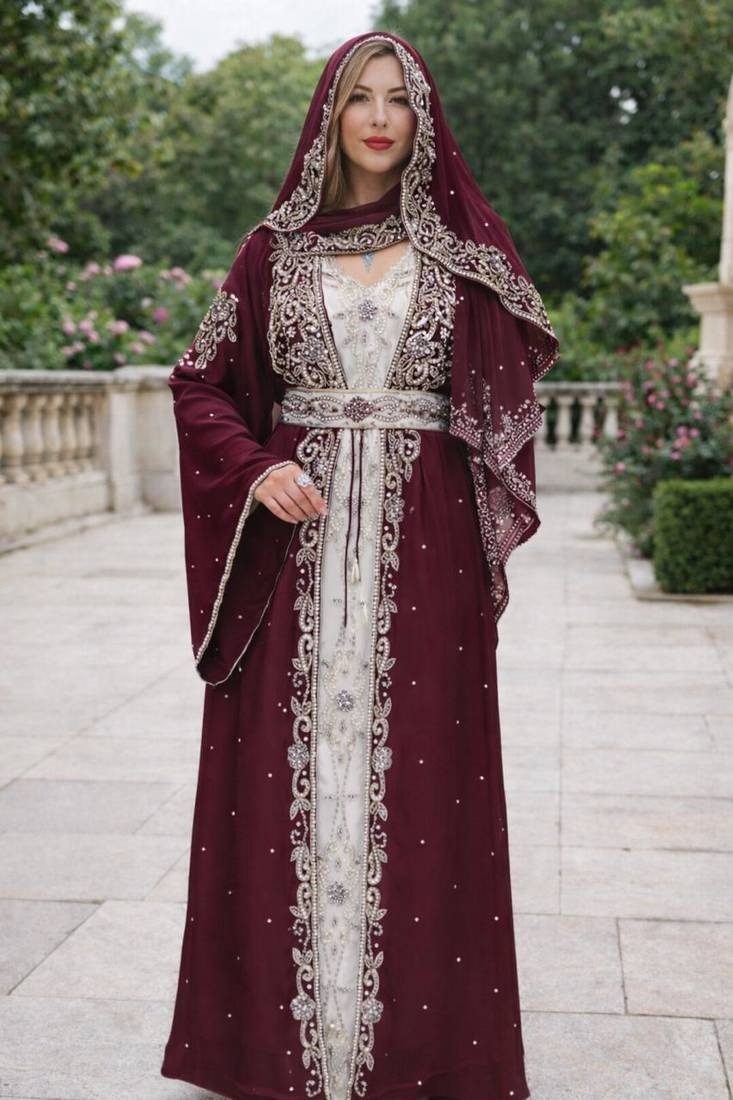
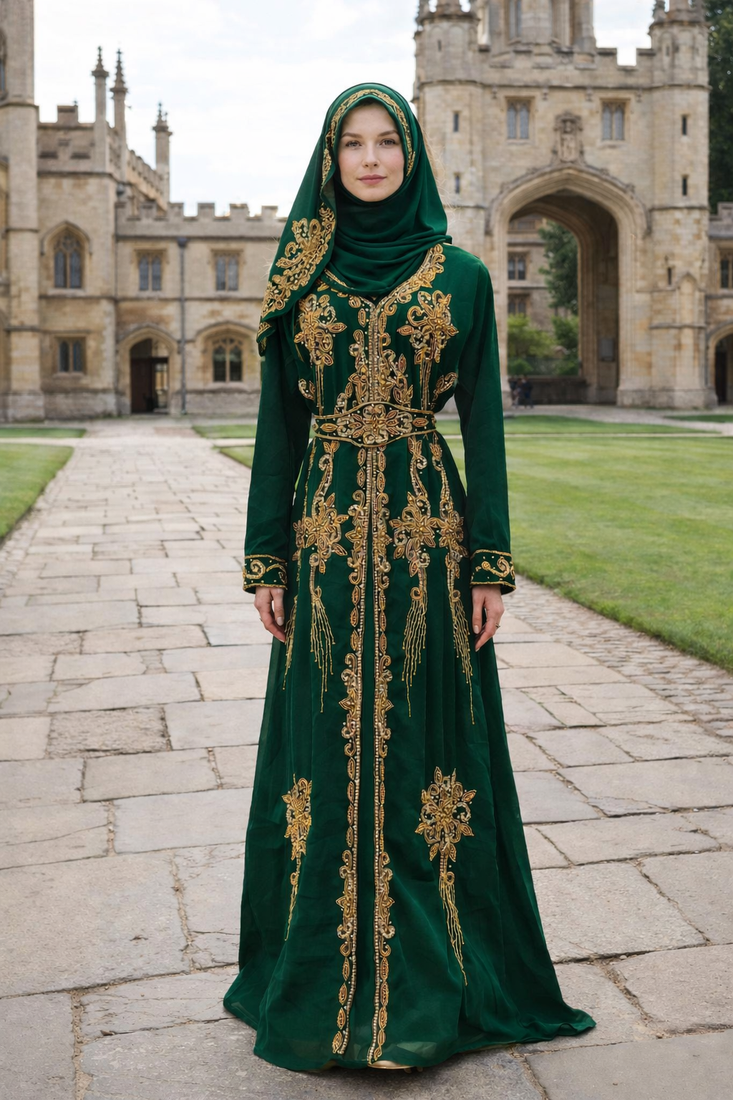
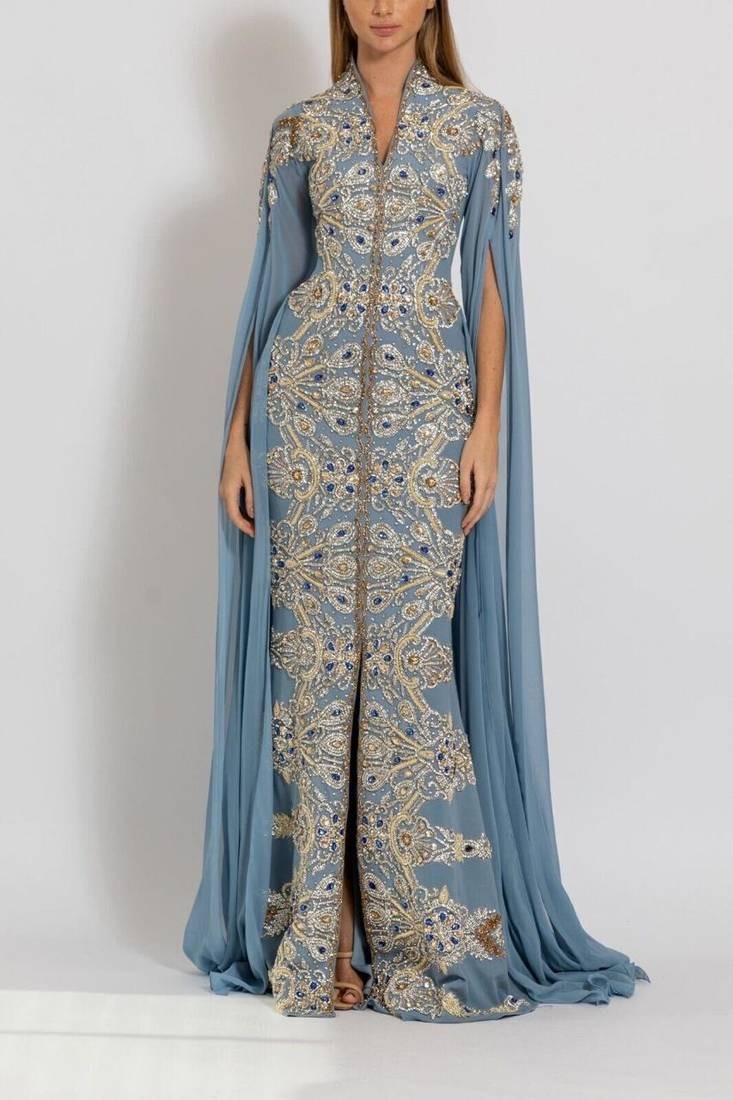
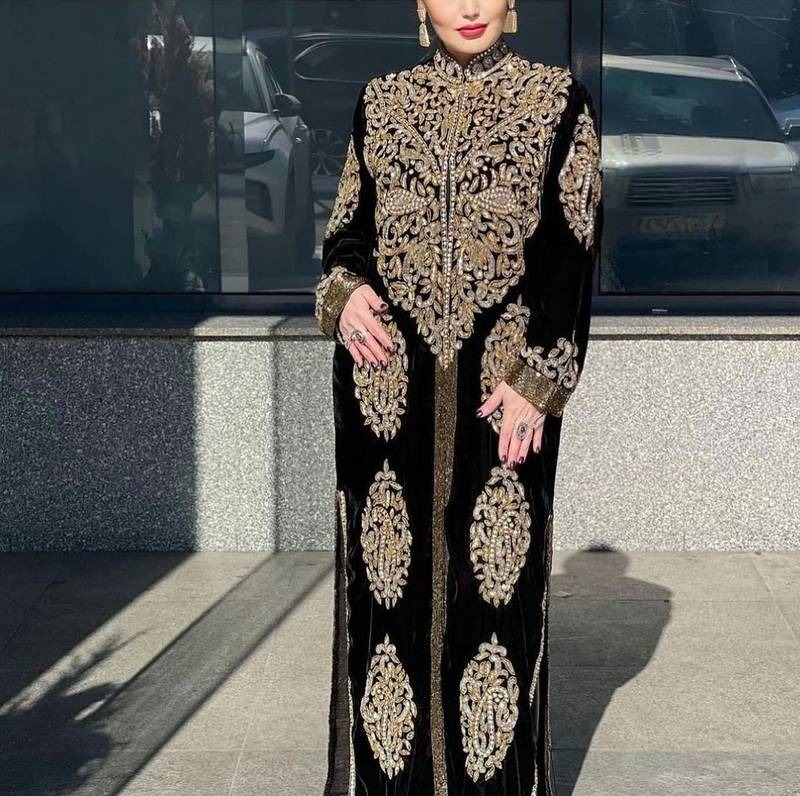
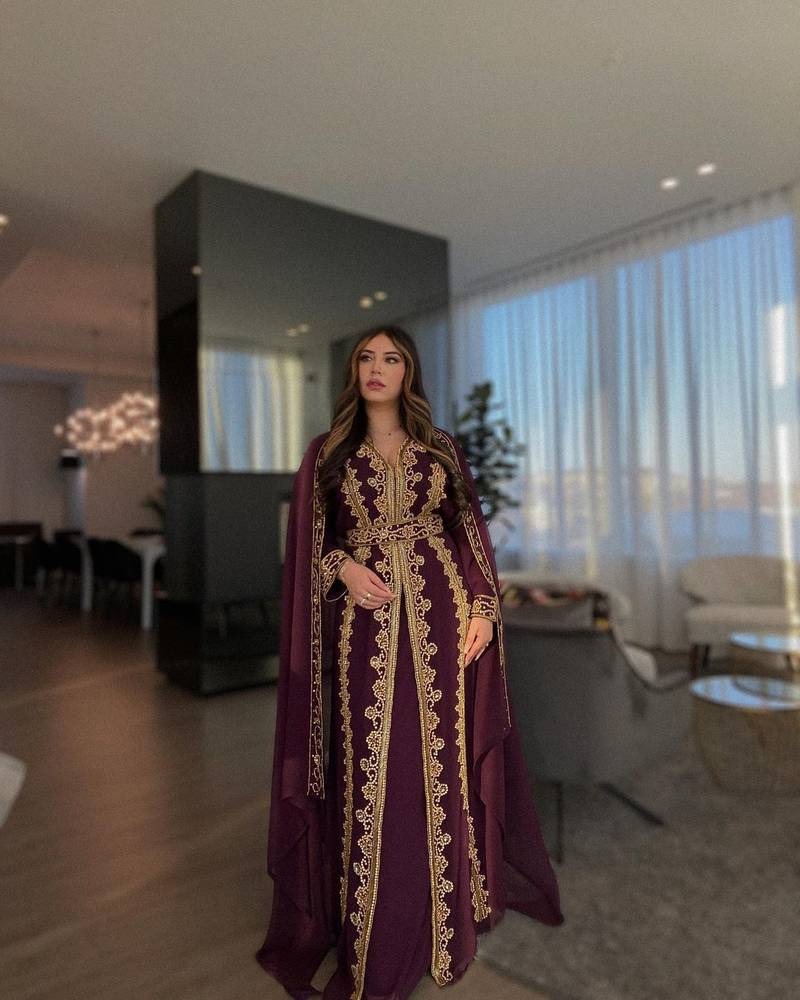
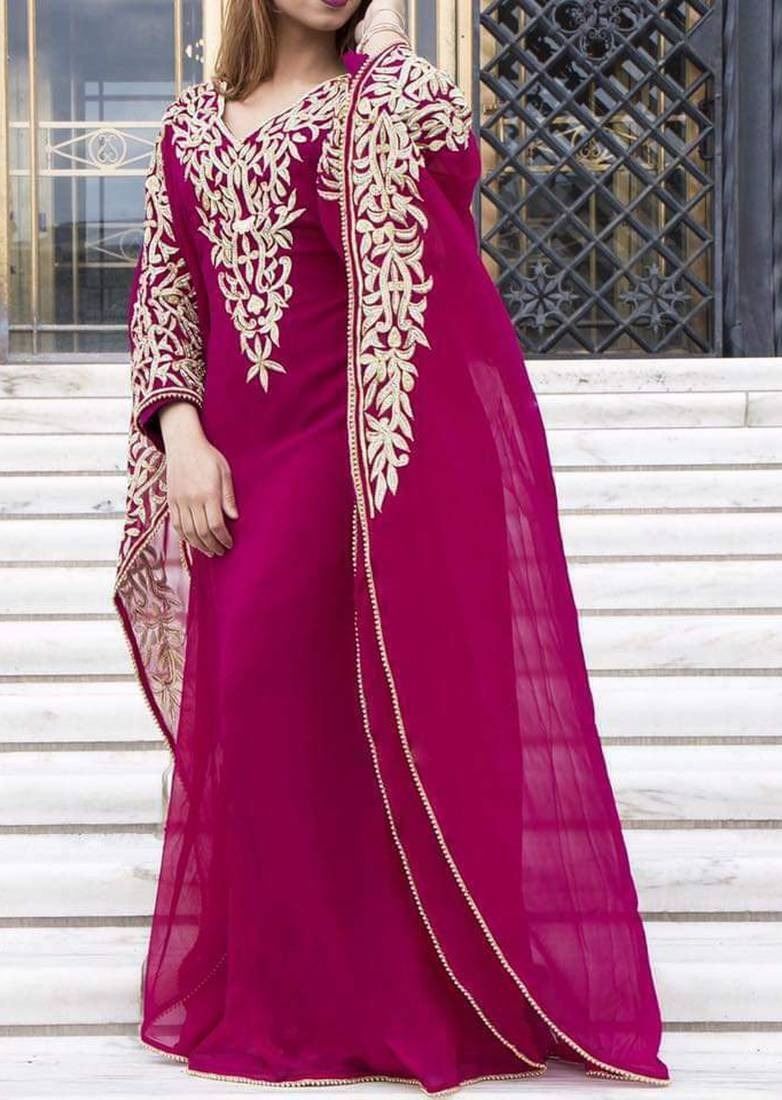
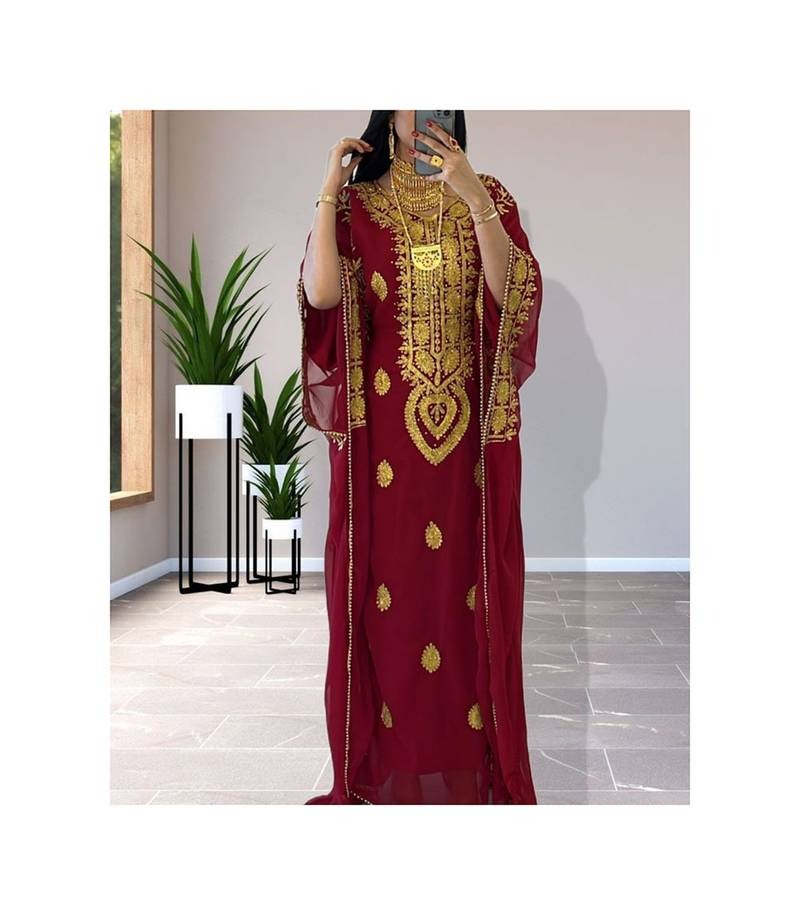
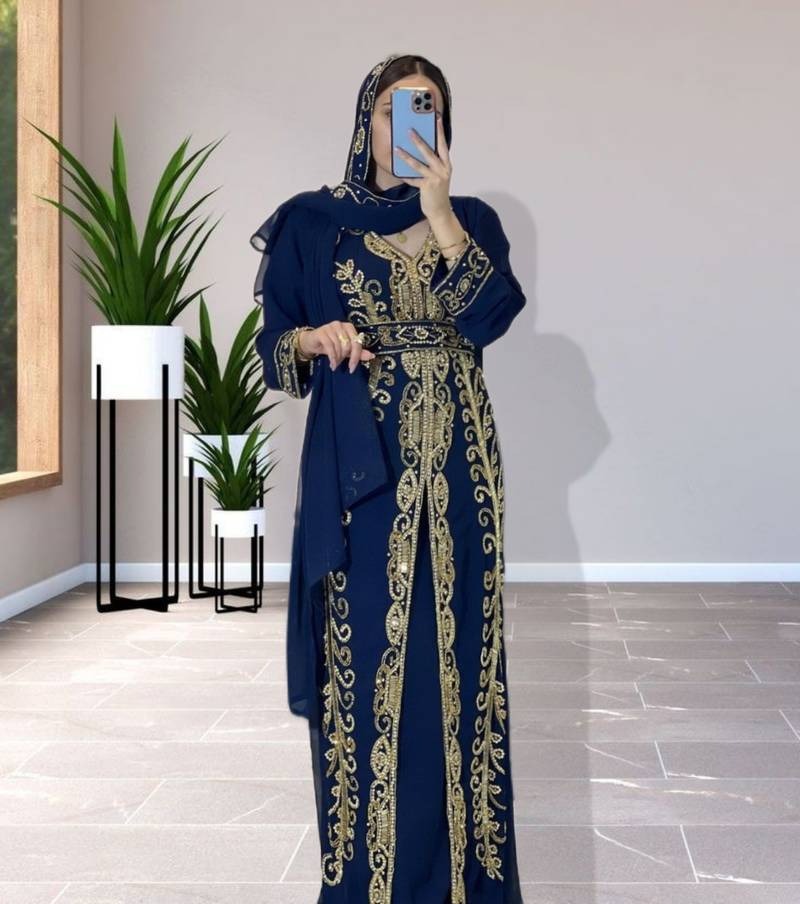
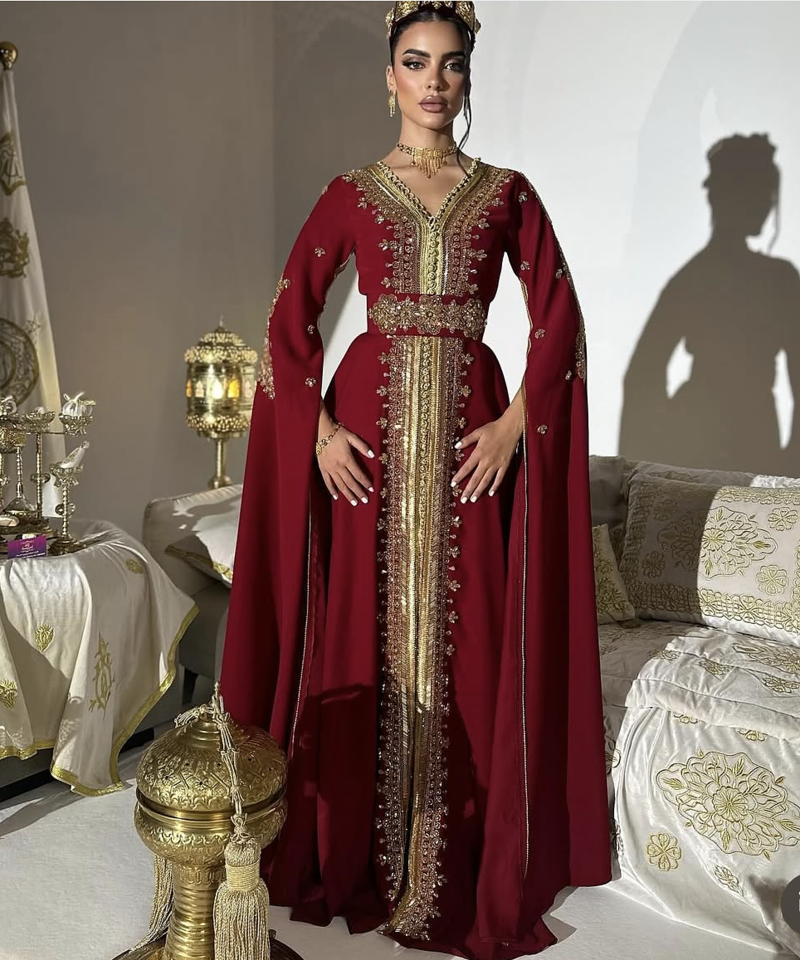
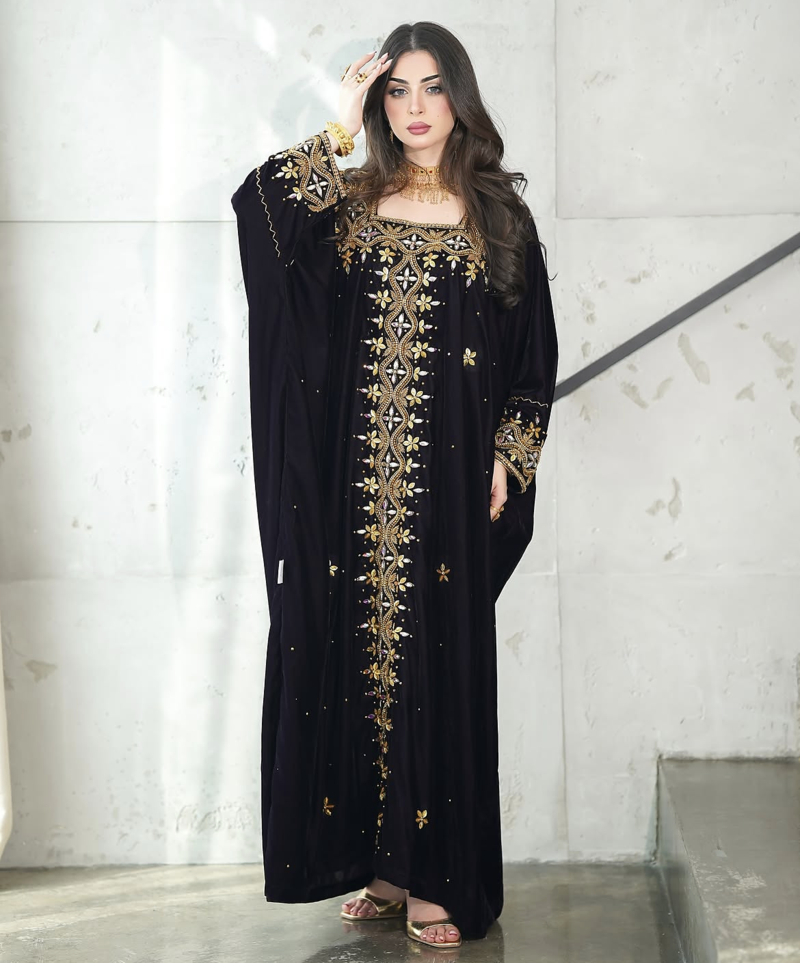
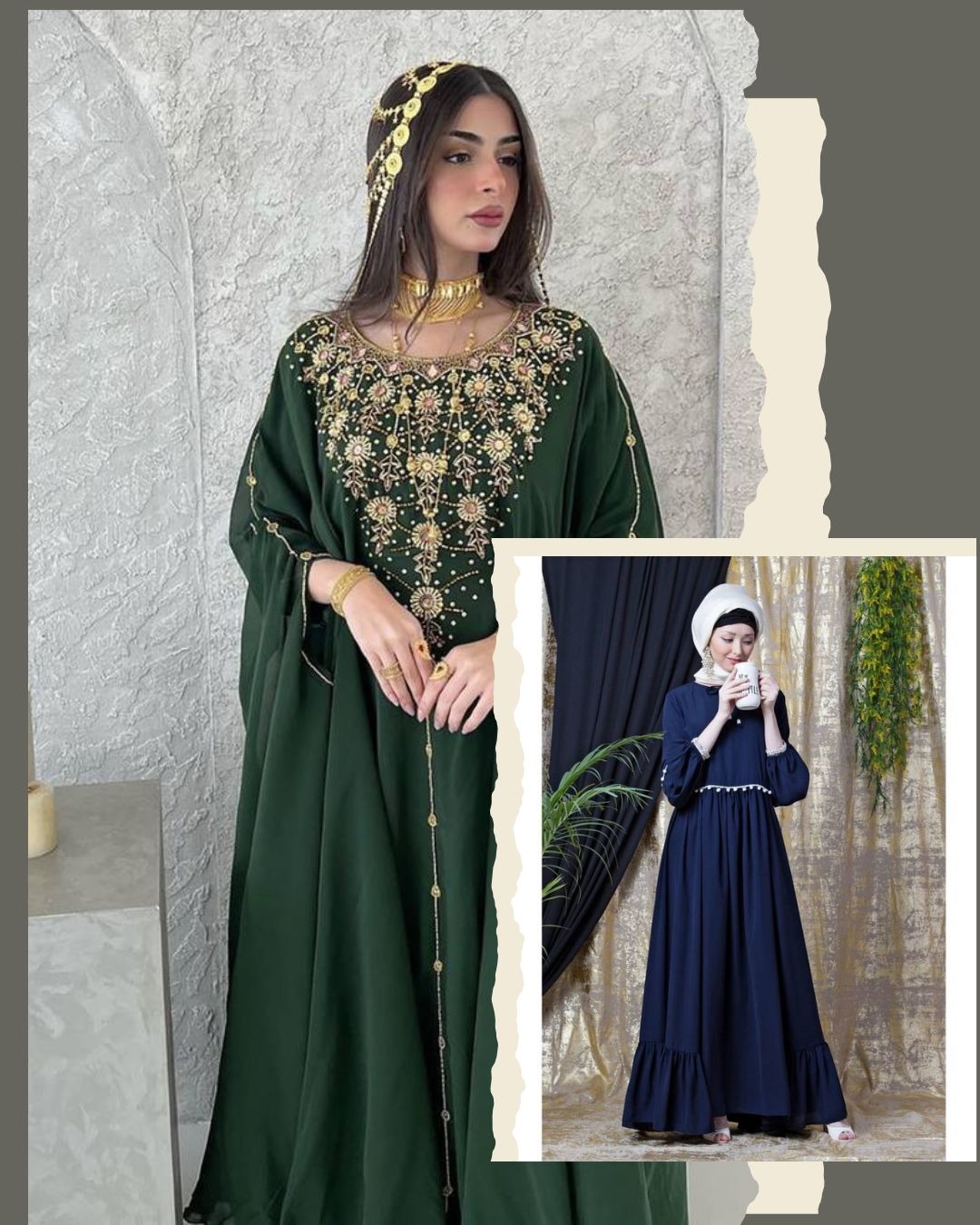
Kaftans have emerged as a statement piece in Islamic women’s fashion, especially for parties, weddings, and festive celebrations. Known for their flowing silhouettes and regal appeal, kaftans strike the perfect balance between modesty and luxury. In 2026, embellished kaftans featuring intricate embroidery, beadwork, sequins, and metallic accents are highly sought after. Designers are experimenting with rich fabrics such as silk, satin, velvet, and georgette to create elegant drapes and structured looks. Printed kaftans with floral, geometric, or abstract motifs are also trending for festive daytime events. When styling a kaftan, focus on refined accessories, statement belts, elegant clutches, and minimal yet striking jewelry to enhance the outfit without overpowering it. A well-chosen kaftan effortlessly delivers glamour while staying true to Islamic principles of modest fashion.

  • Color Trends 2026 – What’s Trending? 
  1. Pastels: Soft pastel colors like blush pink, mint green, powder blue, and lavender are stealing the show in 2026. They exude a gentle, graceful look that is beyond gorgeous. They are perfect for daytime events, garden parties, and Eid celebrations as they add light and femininity to your look with ease. 
  1. Earth Tones: These colors are inspired by the beauty of nature and include hues such as olive green, terracotta, camel, and brown. They bring a serene, grounded aesthetic, reflecting both heritage and modern trends. They work especially well with heavier fabrics like wool and textured cotton, making them a must-have for winter occasions. 
  1. Pairing Prints and Solids: Typical Muslim clothing trends also include mixing and matching prints with colors. For example, you could wear a multicolored floral hijab with a black abaya, or you could wear a solid red hijab with a printed abaya. There are so many styles to explore in this trend, and we just can’t get enough of them. 
  • How to Layer Islamic Clothing for a Fusion Look

If you are a Muslim fashionista who would love to experiment with your outfits while staying modest, why not explore the world of fusion styling? In this trend, traditional Muslim wear is paired with Western pieces such as jackets or cardigans to create a totally unique look. Abayas are paired with outerwear to add another layer of sophistication to the ensemble. Apart from this, traditional and contemporary pieces are combined to create new looks. An example of this would be pairing your Kaftan with knee-high boots to bring together contemporary flair and traditional aesthetics.

  • Accessorizing Tips — From Everyday To Festive Wear  
  1. Footwear: For all-day comfort, go with embellished flats or chunky sneakers. If you are dressing up for a special occasion, then modest heels or wedges will do the trick. 
  1. Handbags: Handbags like metallic clutches or potli bags are not only stylish but are also functional. Avoid carrying large totes or bags as they might overpower your look. 
  1. Scarves: For the retro beauty look, add a scarf to your outfit. Satin scarves or printed cotton scarves elevate the look with ease. 
  1. Jewelry: Being in line with modesty, go for minimal jewelry. Dangling pendants, diamond studs, and thin gold bangles do wonders for your final look.
  • Fabric Trends 2026 – All Day Style and Comfort 

Since many parts of the Muslim world have a hot and arid climate, muslim religious clothing has to be breathable and lightweight. Hence, fabrics such as cotton, Nida, jersey, and crepe are popularly used to craft Islamic traditional clothing. For special occasions like weddings and Eid, luxury Islamic clothing is the need of the hour. Women would prefer fabrics that are not only stylish but also comfortable. Luxe fabrics like silk, satin, and georgette are mostly used to craft Islamic clothing for these occasions. 

  • Day to Night Looks– Effortless Transition from Daily Wear to Festive Styles 

In today’s fast-paced world, there is no longer time to change outfits between events. Women of now want styles that they can carry from a casual working day to a festive evening. What if we tell you that you can take your outfit from night to day in a few tweaks? Yes, that’s true. Here’s how you do it: 

  1. Add Accessories: A simple, plain abaya is suitable for work wear, and it can easily transition into a party wear abaya by adding in a few accessories. Go for chunky necklaces, statement earrings, or stacked bangles. Upgrade your bag to a metallic clutch. Change from your ballet flat into high heels, and you are good to go. 
  1. Layer like a pro: Switch up the look of your Islamic clothing by adding in a long cardigan or a coat. You can also try layering with an open front abaya for more style. 

Do Your Hair and Makeup: Style your hair in a classy updo or side-swept waves for an effortlessly stylish look. Makeup can make a huge difference. Go for light blush, bronzer, and highlighter for the glamorous look.

What Is Islamic Men’s Clothing? History, Types, and Fabrics

0

While Islamic women’s clothing has always been in the spotlight, Islamic men’s clothing doesn’t garner just as much attention. Not many know that the principles of modesty and simplicity apply to clothing for men in Islam as well. In fact, in the Quran, the value of modesty was first stressed towards men’s styles before women’s attire. The definition and principles of modesty are simple in Islam. Men are expected to dress up with a certain level of decorum, just as women. Muslim dress for men is supposed to cover from the belly button to the knees. Further, the clothing is meant to be loose and not highlight the shape of the body.  However, the requirements don’t just end at clothing choices; men are expected to be careful in their conduct as well to preserve modesty. The Quran just gives its followers the guidelines, but doesn’t specify what clothing is to be worn. Thus, as Islam spread throughout the world, there was a huge cultural influence of each country and region on the Muslim men’s clothing practices. We can see everything from the Thobe in the Arabian Peninsula to embroidered Boubous (Robes) in West Africa. Thus, in this blog, we will journey through the world of Islamic clothing for men and present you with a comprehensive guide about the same. 

History Of Islamic Men’s Clothing 

The history of Islamic attire for men spans over 1400 years. In fact, many traditional garments worn by Muslim men today can trace their roots to the 7th century Arabia, during the time of Prophet Muhammad. The climate and culture of specific Islamic regions have had a huge impact on Muslim dress for men. For example, the Thobe, which is a tunic-style garment, was adopted for the hot desert climate of Arabia. Whereas for regions with colder climates, such as Central Asia, long coats such as the Jubba are worn over the traditional Thobe. Regional influences are also seen in Chapan coats worn by the Central Asian horsemen. The Ottoman Empire introduced iconic garments such as Turkish Fez caps and Kaftans. In recent years, fashion designers have redefined traditional clothing for men in Islam. Younger generations prefer sleek and well-tailored jubbas and thobes that feature Mandarin collars, minimalistic embroidery, and premium fabrics. These days, Muslim men want to dress stylishly while still retaining the core modesty. 

What Are Some Common Types of Islamic Men’s Garments? 

  • Thobe: The Thobe, also called the Dishdasha or Kandhura, is the most common type of Islamic clothing worn by Islamic men. It is a long, loose robe that is ankle-length and has full sleeves. 
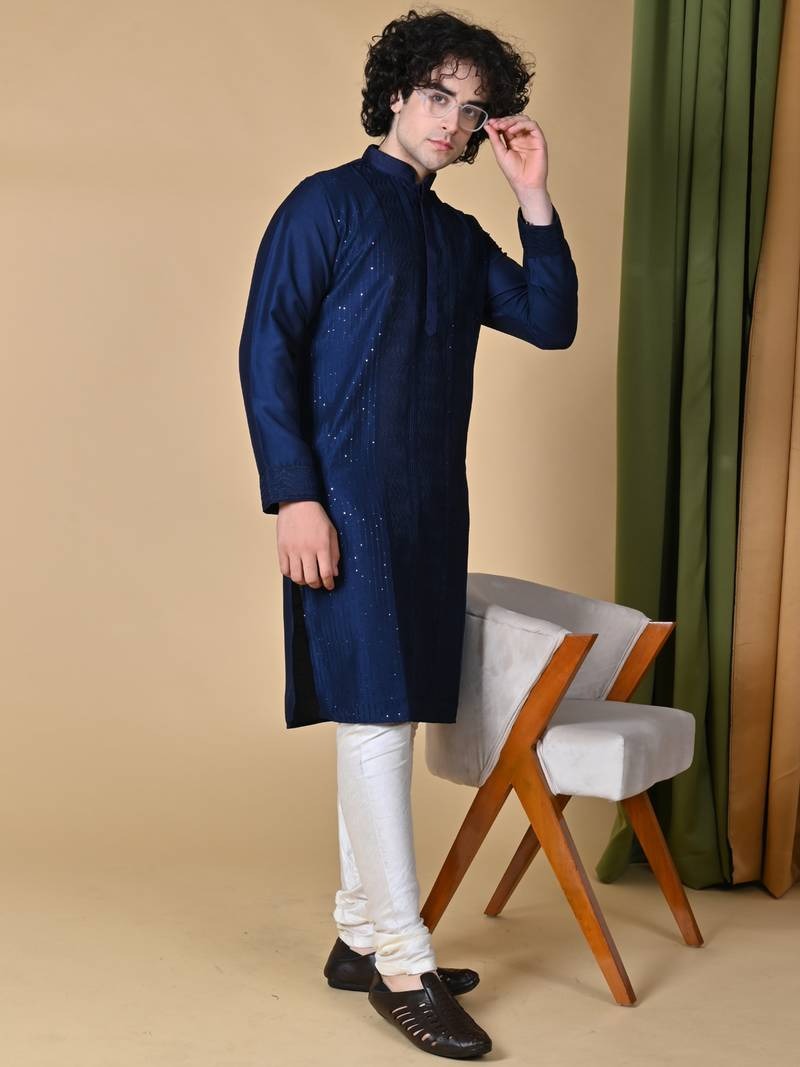
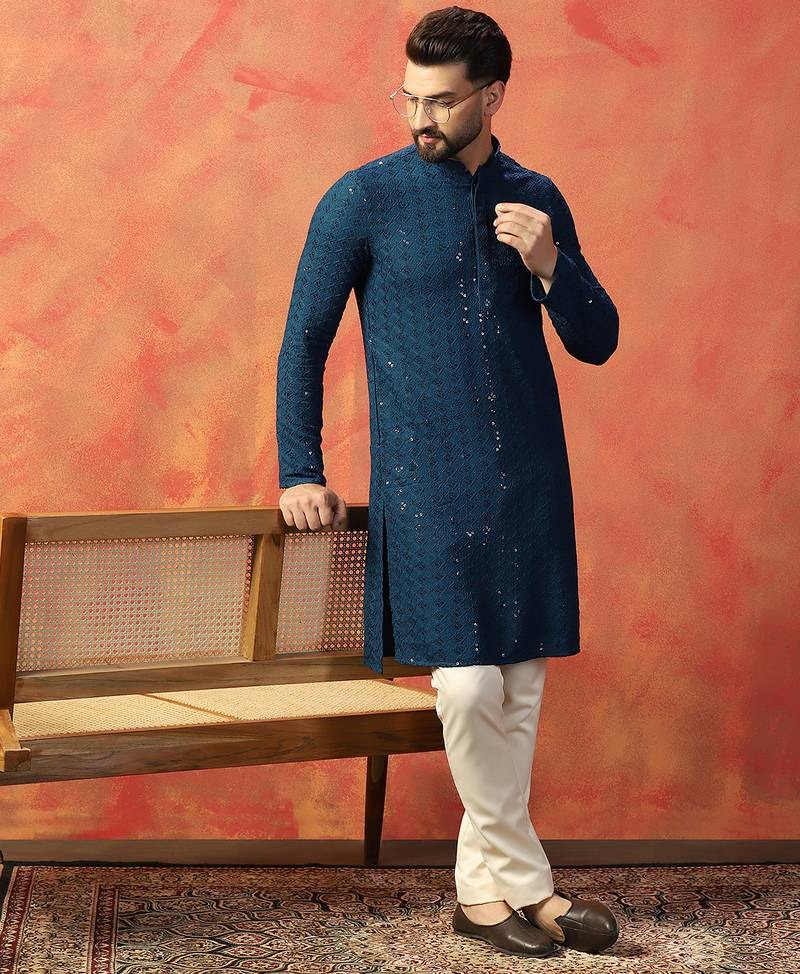
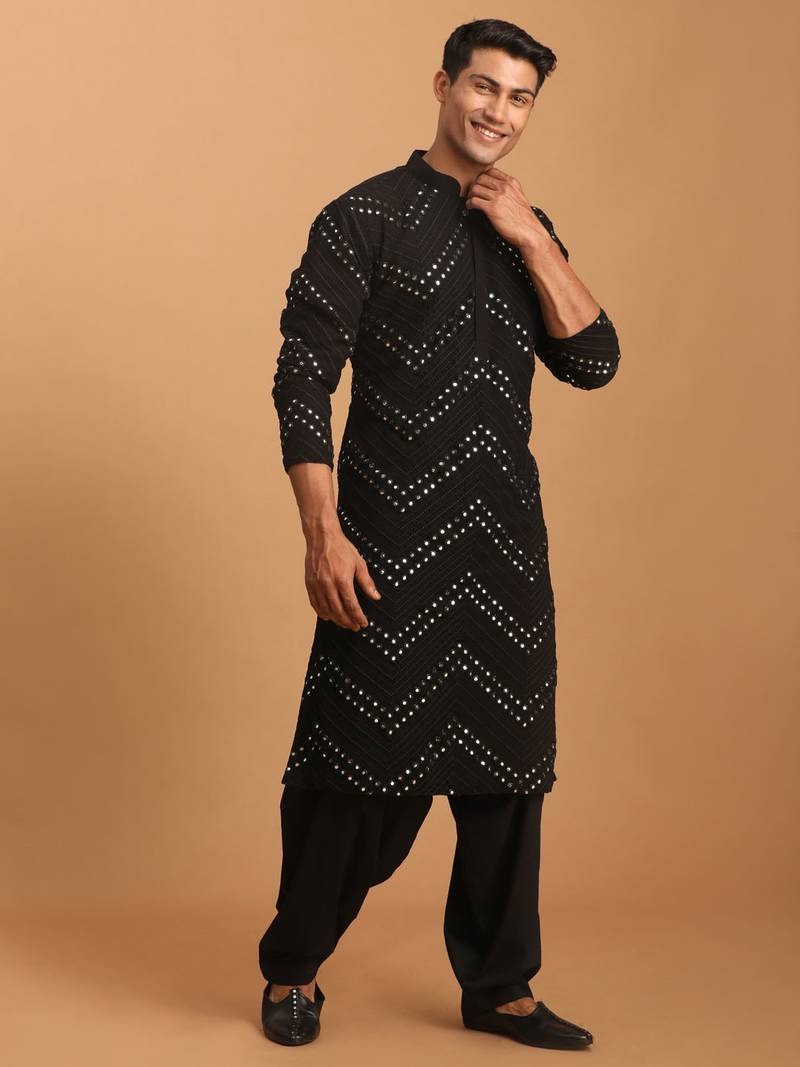
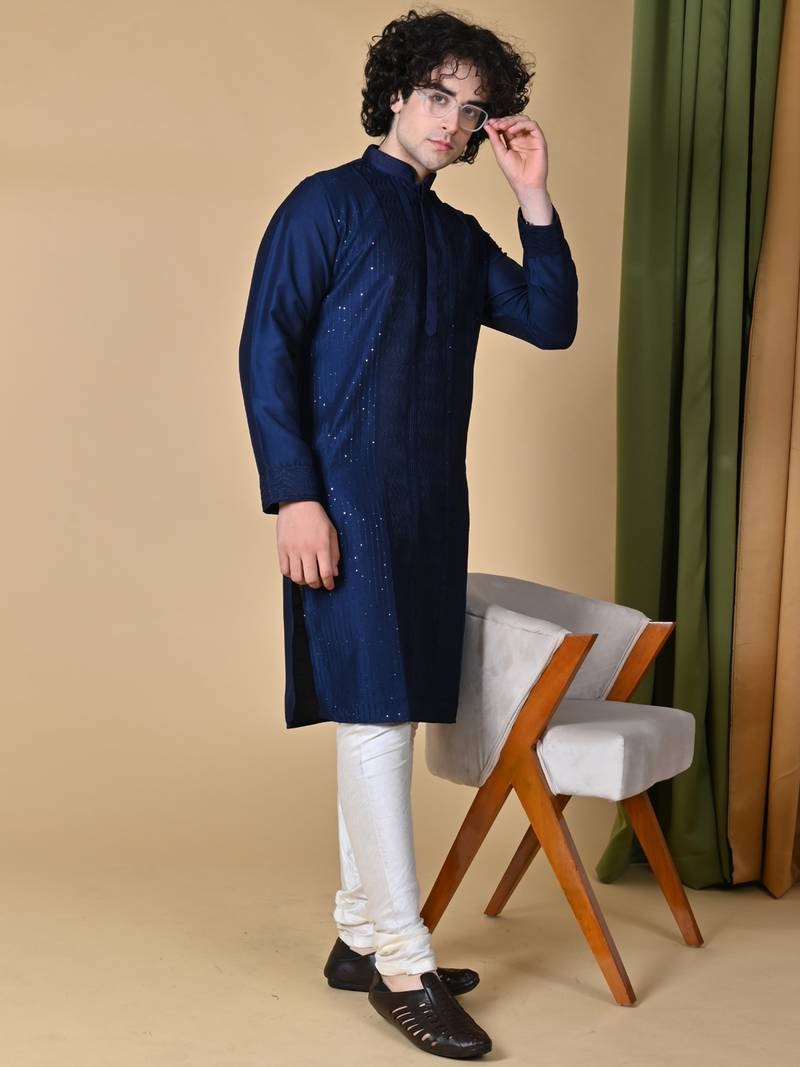
  • Kurta and Shalwar Kameez: Popular in South Asia, the Kurta is a loose tunic, often worn with pyjamas. A shalwar kameez is a matching suit coming with loose tunics over loose trousers. 
  • Jubba: The Jubba is a type of modified Thobe that is often richly embroidered. This clothing style for men is popular in the Gulf countries and is worn during formal occasions and religious ceremonies. 
  • Ihram Clothing: This clothing is worn by Muslim men when they enter the state of Ihram as they travel to Saudi Arabia for Hajj. This attire is unstitched and simple, focusing on modesty and spirituality. 
  • Bhist: This refers to the luxurious outer cloak worn over traditional clothing. It conveys status and is worn by leaders and scholars during formal ceremonies. 

Islamic Men’s Clothing – Common Types of Fabric and Materials 

  • Popular Fabrics Used: 
  1. Cotton: The most favoured material, especially in hot climates, cotton is soft and breathable. Cotton varieties such as Pima cotton are widely used in Islamic men’s styles. 
  1. Linen: Like cotton, it is renowned for its breathability and comfort. This makes it another favourite for crafting Islamic men’s clothing. 
  1. Silk: In Islam, wearing pure silk is prohibited for men. However, garments made from Mashu fabric, which has cotton on the inside and silk on the outside, are popular. 
  1. Wool: Wool is used to craft outer garments, cold-weather wear and formal attire. Most of the ensembles are made from sheep’s or camel’s wool. However, special wool types such as Pashmina, Merino, and Tweed wool are also seen. 
  1. Polyester Blends: These are especially popular for making different styles for men in Islam, as they are soft, strong and easy to care for. These fabrics also hold up well, are wrinkle-free and are considerably cheaper than traditional materials. 
  • Breathability and Comfort:

Islamic clothing for men emphasises comfort and modesty. Breathable and soft fabrics such as cotton and linen are preferred. Lightweight polyester and cotton blends are also popular. The ensembles are usually loose-fitting, allowing for air flow. Modern designs also come with moisture-wicking technologies to keep the wearer comfortable and cool.  

  • Seasonal Fabric Recommendations:  

Islamic wear for men has to reflect the changing seasons for the maximum comfort of the wearer. In summer, garments featuring fabrics that promote air flow are chosen. Lightweight and breathable fabrics such as cotton, linen and blended fabrics are the best pick during hotter months. However, during winter, heavier fabrics that provide warmth without feeling bulky are opted for. Garments in fabrics such as wool, cashmere, heavy cotton and flannel are commonplace. 

Islamic Men’s Clothing By Region 

  • Middle Eastern Styles: In countries such as Saudi Arabia, Oman and the UAE, thobes are mostly worn. The Bhist, which is a cloak, is worn over the thobe by grooms and leaders. Apart from this, garments such as the Jubba, Saudi Thobe, Omani Dishdasha, Izar, Keffiyah and collarless shirts are also commonly worn. 
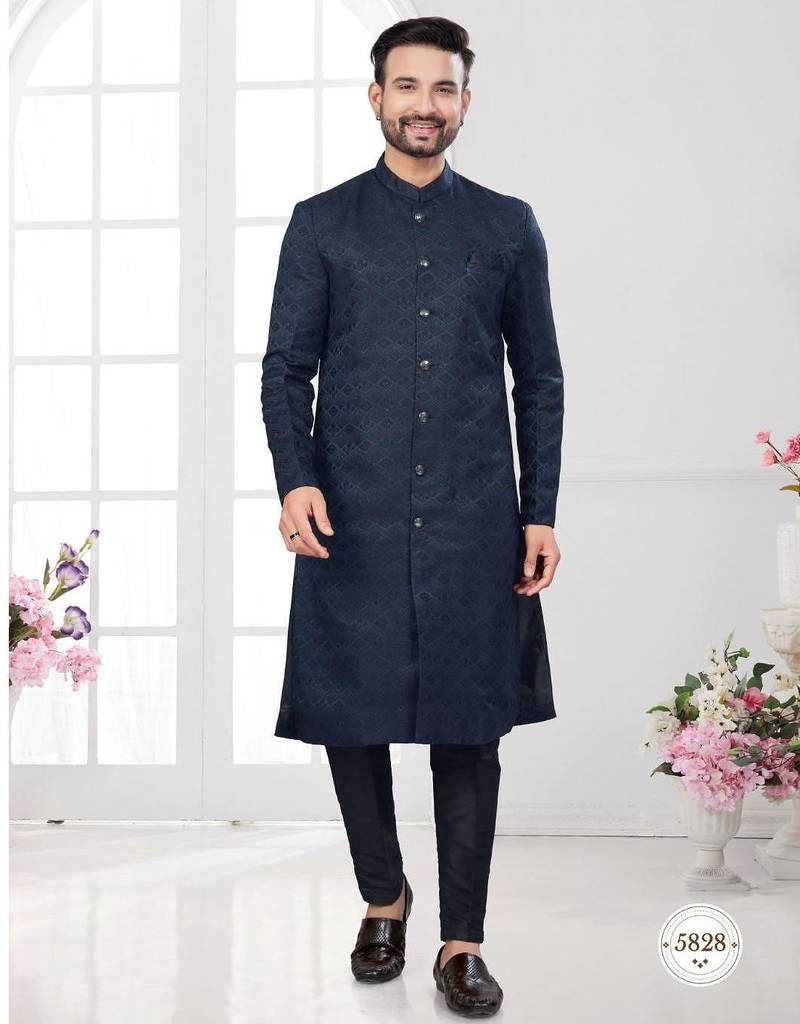
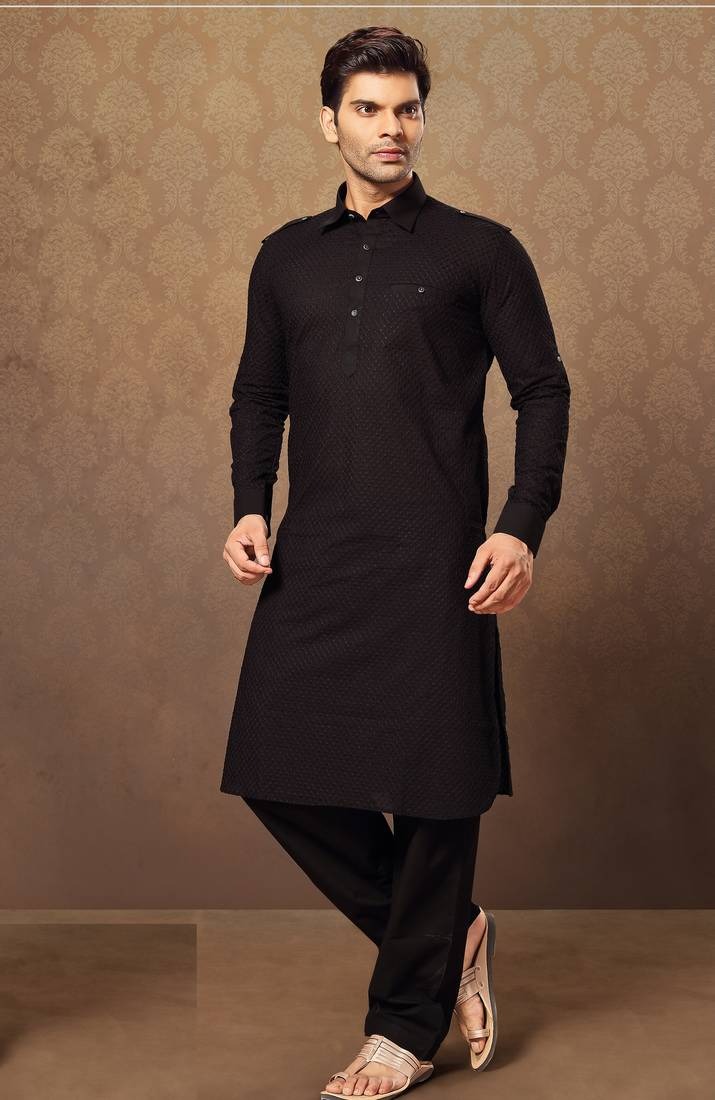
  • South Asian Styles: In the south asian countries of India, Pakistan, and Bangladesh, Muslim mens fashion comprises mostly kurta pajama and shalwar kameez. Ensembles such as Sherwani for grooms, Pathani suits, kufi caps, Chapan, and turban are regularly seen. 
  • African Styles: The question of what do muslim men wear in Africa has a rich and colorful answer. In Somalia, the Macawii, which is a type of sarong is the clothing of choice. Khamees shirts are worn to Friday prayers. Scholars and religious leaders drape the Fiqi shawal. Other popular garments from this region are the Moroccan Djellaba, Gandoura, Babouche slippers, Boubou and the kaftan. 
  • South Eastern Styles: In Malaysia, the Baju Melayu, which is a hip-length shirt with drawstring pants, is commonly worn. In Indonesia, men pair the collarless Koko shirt with straight trousers. Formal prayer wear in Malaysia and Brunei comprises the Songkok, which is a black velvet hat.   

Modest Fashion Vs Traditional Wear 

  • Cultural vs Religious dress: Knowing the difference between cultural and religious dress is paramount when it comes to Muslim wear for men. In Islam, religious dress conforms to the Sharia and ensures modesty. It also forbids men from wearing certain items, such as gold or silk. On the other hand, cultural dress reflects local, historical and environmental factors. This dress style sometimes pushes the boundaries of religious norms. For example, men’s thobes can be considered to be a form of a cultural dress. 
  • Modern Modest Fashion Trends: 
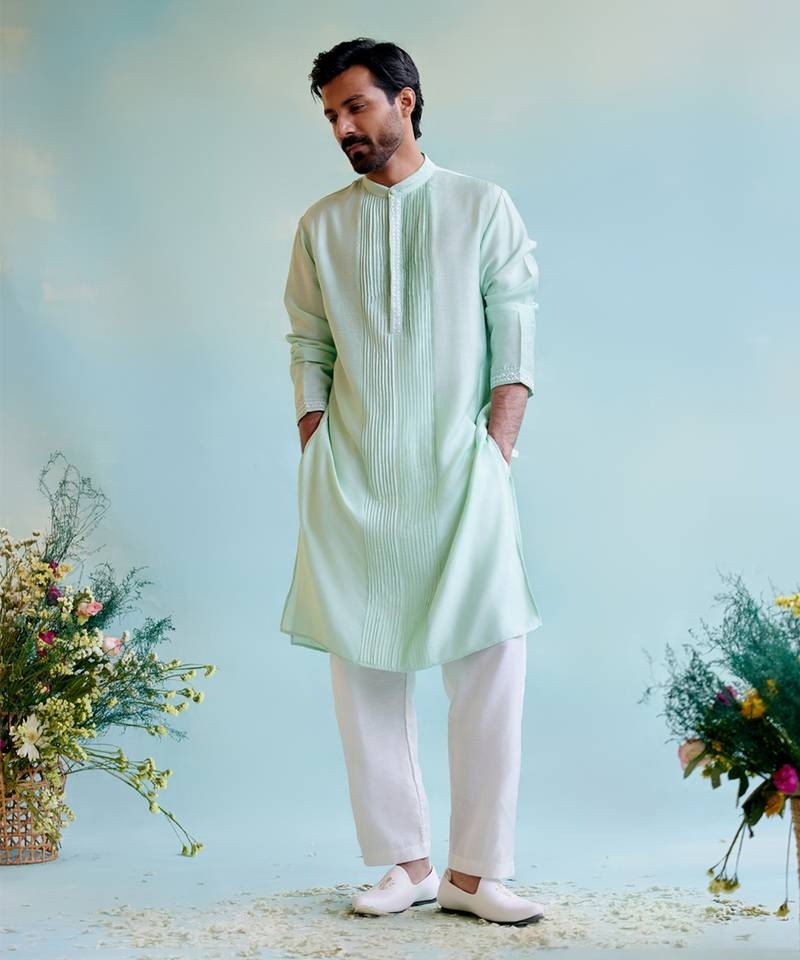
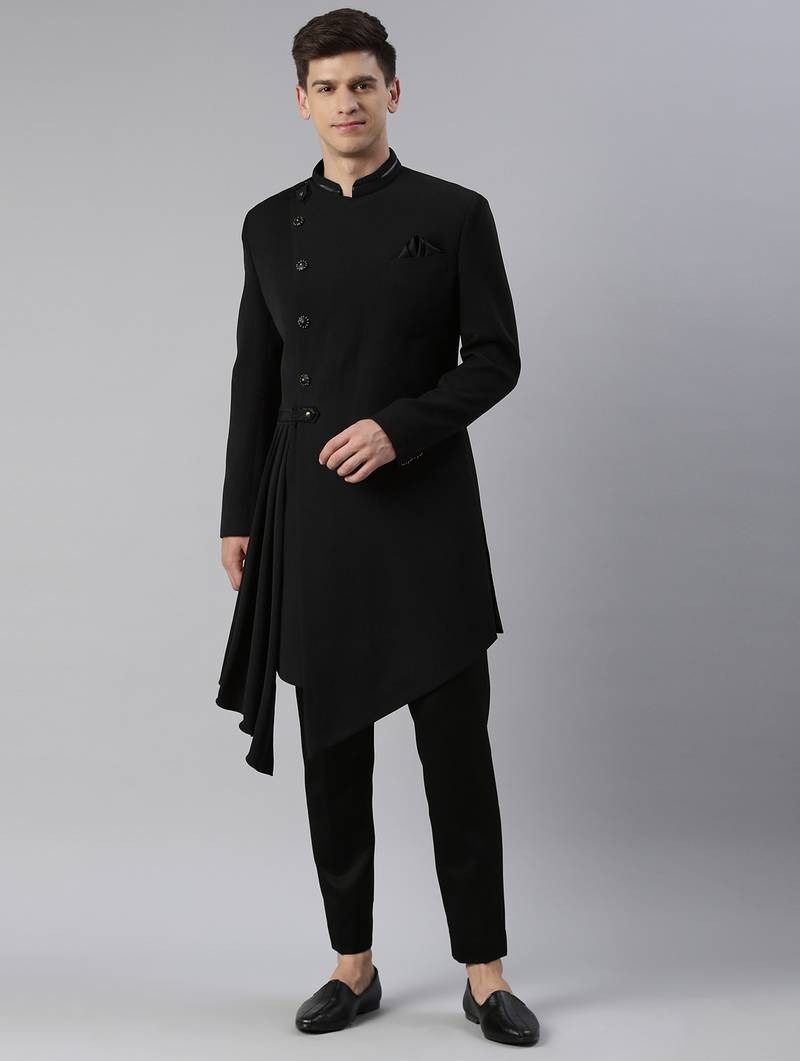
  1. Dresses such as mens Islamic clothing thobe and kurtas are being revamped with slimmer cuts and asymmetrical designs. We can also see details such as contrast stitches and hidden pockets that add fashionable depth to the modest outfits. 
  1. With the conversation about sustainability getting louder, Islamic stylish clothes for men are now incorporating eco-friendly fabrics such as organic cotton, bamboo, and Tencel. 
  1. As the technology continues to march on, trends such as moisture-wicking summer clothes and lightweight insulated fabrics for winter ensembles are becoming commonplace. 
  1. Latest styles for men also include patterns such as geometrical, abstract prints, strips and checks that add a contemporary edge to traditional outfits. 
  • Western Influences On Islamic Menswear: 

Islamic latest mens fashion has a global appeal to it while still keeping modesty intact. Men are now moving towards modern modest fashion with the adoption of suits, blazers and jeans. Stylish suits for men are replacing the traditional Thobes and Bhists in formal settings. We can also see a rise in hybrid fashion, such as a blazer being worn over a Thobe.  Casual wear that adheres to the modest fashion standards, such as t-shirts, polo shirts, and denim are being embraced.

Styling Islamic Men’s Clothing — All The Best Tips 

  • Fit, length, and tailoring tips: The fit of the clothing should be relaxed, not sloppy. The length should be Sunnah-conscious and proportional. Go for a straight cut instead of a box cut. The ideal length should be mid ankle. If you are tall, then don’t just add length; increase the hem circumference slightly to balance the proportions. 
  • Footwear Pairings: Polished leather sandals or shoes bring charm to weddings and festive wear. For everyday elegance, go for comfortable loafers or soft leather sandals. If you are going for an all-out traditional look, then traditional Moroccan slippers (Babouche) are a classic choice. 
  • Accessories: One of the best style tips for men is to accessorise your Muslim men’s look carefully. If your dress is already colorful, then a single bracelet will do the trick. Choose to complete your look with a traditional cap such as a kufi, taqiyah or ghuttra. Scarves add another dimension to your look, while belts help refine the silhouette. 

What To Wear To Different Occasions? 

While stylish clothes for men in Islam are wide and varied, not all styles suit all occasions. Here’s a simple guide on picking the right Islamic clothing for the right occasion: 

  • Daily wear and Prayer Clothing: These occasions call for modesty, comfort and functionality. Attires such as thobes, jubbas, kurta pyjama, Shalwar kameez and Pathani suits work well for daily wear and prayers. 
  • Friday (Jumu’ah) attire: Fridays are a pious day in Islam and are a congregational prayer day. Hence, men take their time to dress with cleanliness, respect and modesty. Thobe, jubbas, and jalabiyas are mostly chosen. For men who prefer a Western look, neat, long-sleeved shirts or polo shirts are popular. 
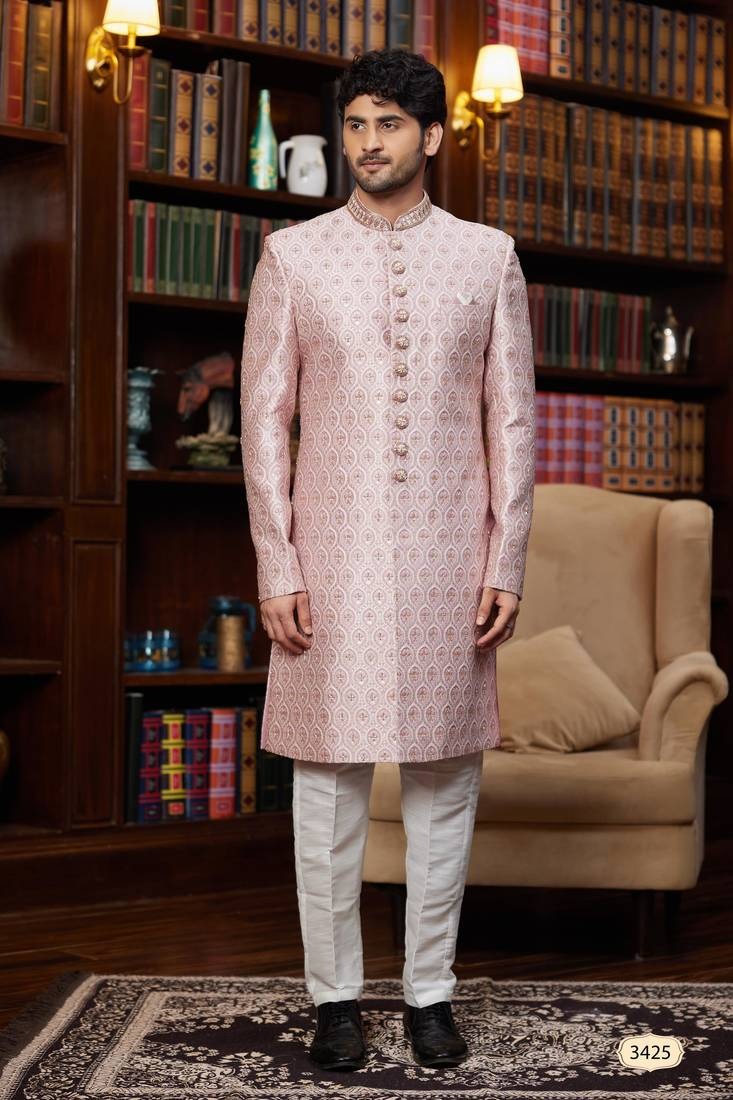
  • Wedding and Formal Wear: In Islam, wedding dresses for men include sherwanis and kurta pyjama with a coat. In Southeast Asia, the Sada or Baju Melayu is chosen for the wedding day. Modern Muslim grooms prefer a three-piece suit or a tuxedo.  
  • Eid and Special events: Eid is the most important festival in Islam, and men go all out with their fashion choices on this day. Best clothes for men include Pathani suits, Dhoti Kurtas, Nehru jackets, and thobes. 

Islamic men’s clothing – Colors, Designs and Embellishments 

  • Preferred and Permissible Colors: Black and white are the most common colors found in Muslim fashion. Apart from these, green, blue, golden, brown, beige and pink are also used. 
  • Embroidery and Patterns: These embellishments have certain rules to them. Depictions of living beings, such as animals and humans, are avoided. Symbols of other religions are also a big no. Common embroidery styles found in Islamic men’s clothing are geometric, florals, Arabesque motifs, linear and panel embroidery.  
  • The Art Of Balancing Style With Modesty: The modesty norms, such as covering the Awrah, wearing non-body-hugging and opaque clothing, are non-negotiable. Style comes after these parameters are met. To ensure that a Muslim man looks stylish as well as modest, he can wear clothing that is tailored but not tight. Stylish colors such as white, cream, beige, navy and charcoal make you look fashionable. 

How To Care For and Maintain Islamic Men’s Clothing 

  • Washing and Ironing Tips:  Since Muslim clothing comes in various fabric types, it is important to check the fabric before washing it. The fabric label will say whether the piece is dry clean only. Washing by hand with a mild detergent is the safest option. Iron on low heat always, and on the reverse side of the garment so as not to damage the embroidery. 
  • Storing Tips: You must store Islamic men’s clothing carefully to maintain its longevity. Store the garments in a cool, dry place, away from direct sunlight. This helps prevent any damage or color fading. Use padded hangers and don’t overcrowd your closet to maintain the garments’ shape. 

Preserving Fabric Quality: Wear an undershirt to prevent body oils from reaching the outer fabric. Bottom the top button and keep the garment properly aligned to prevent creases. Avoid too many items in your pockets ot heavy accessories to avoid damaging the fabric. Shake out the clothing after wearing and hang it on a broad hanger for a few hours to get rid of any odours and wrinkles.

Palazzo Suits – A Perfect Blend of Style and Comfort 

0

When you choose a plazo suit design, you are not just picking another ethnic outfit. You are choosing comfort, ease, and a silhouette that understands how your daily life actually looks. Your days are rarely limited to one setting. You move from home to work, from errands to family gatherings, and from daytime outings to evening plans. You need clothing that adapts without making you feel restricted or overdressed. This is exactly where a palazzo suit fits naturally in your wardrobe.

At its core, the palazzo suit stays deeply connected to Indian tradition. The kurta still carries the familiar ethnic structure, the length, the neckline, the sleeves, and the craftsmanship you recognise. What changes is the bottom. Instead of tight churidars or structured salwars, you wear wide, straight falling palazzos. The shift completely changes how the outfit feels on your body. You instantly experience more space and more freedom with every step you take. The palazzo design does not ask you to compromise tradition and comfort; it quietly offers both.

 Palazzo suit– Modern ethnic wear Redefinied

When you look at Palazzo suits, you can instantly sense why they are called modern ethnic wear. They reflect how your lifestyle has evolved without letting go of cultural roots.

  • Traditional kurta structure with a modern bottom

When you look at a palazzo suit, the kurta feels familiar. It carries the same ethnic essence you have grown up with. Whether it’s a straight cut, long shirt, or printed, the kurta still belongs completely to Indian wear. This palazzo bottom brings in modern influence. Its straight and wide silhouette feels contemporary when compared to older fitted styles. This contrast creates balance rather than conflict. You are not wearing something western, you are just wearing something updated.

  • Designed for present-day daily routines

Your day rarely stays the same from morning to night. You might step out for work, attend a family gathering later, and meet friends in the evening. Changing outfits multiple times is not always practical. Palazzo suits blend seamlessly into these transitions. You don’t feel too formal during the day or too casual during gatherings. The outfit adapts to your routine without demanding extra styling. This practicality is what defines modern ethnic wear.

  • Visually lighter than heavy flared silhouettes

Palazzo offers flare, but with restraint. Unlike heavy flared skirts or layered bottoms, palazzo pants maintain a controlled fall. They move gently without creating unnecessary volume. This keeps the overall look clean and refined. When you wear a palazzo, the silhouette flows instead of spreading out dramatically. The lighter visual weight makes the outfit look elegant rather than overpowering.

How Movement Shapes The Palazzo Experience 

One of the strongest reasons palazzo suits feel so comfortable is how they respond to your movement.

  • Straight-cut silhouette encourages natural motion

Palazzo falls straight from the waist to the hem. The structure allows your legs to move naturally as you walk. You don’t feel fabric pulling or tightening around your thighs or knees. Every step feels smooth and effortless. The fabric flows beside your legs rather than clinging to them.

  • Comfortable for walking, sitting, and long hours

Whether you are attending a long event or spending the entire day outside, Palazzo suits remain comfortable. You can walk long distances, sit cross-legged, climb stairs, or even remain seated for hours without discomfort. The fabric does not crease uncomfortably or restrict circulation. By the end of the day, your outfit still feels wearable and not tiring.

  • No tightness around knees or ankles

Traditional fitted bottoms often feel constrictive around joints. Palazzo eliminates that issue. There is no pressure around your knees or ankles. The open structure allows air flow and ease of movement, especially during warmer weather. The relaxed design of a salwar kameez supports your body rather than limiting it.

The Best Palazzo Suit Fabrics 

Fabrics play a major role in how Palazzo salwar look and feel. Lightweight fabrics like cotton, rayon, and muslin allow the Palazzo to fall smoothly. These fabrics are breathable and suitable for daily wear, maintaining your silhouette’s natural flow.

For occasions that require more elegance, you can go for fabrics like chiffon and silk blends, which are commonly chosen because they add softness and fluidity without making the outfit heavy. The key is balance. The fabric should be structured enough to hold the straight fall but soft enough to move easily. When the fabric supports the silhouette, your palazzo suit looks effortless rather than stiff.

Colors that enhance palazzo suits naturally

When buying a Palazzo salwar kameez online, you must choose the right color. Color choices greatly influence how Palazzo suits appear on your body.

  • Neutral and soft shades lead the way

Neutral colors like ivory, beige, off-white, grey and subtle Browns dominate palazzo designs. The shades highlight the clean structure of the silhouette. They make your outfit look calm, elegant, and refined without drawing unnecessary attention. Neutrals also make the width of your palazzo appear lighter.

  • Pastels and muted tones suit the structure

Pastel shades like blush pink, mint green, lavender, peach, and powder blue complement palazzo suits beautifully. Muted tones soften the wide structure and maintain visual balance. Instead of appearing bulky, the outfit looks fluid and airy. This is why palazzo suits often avoid extremely dark or loud shades, as softer colors allow the silhouette to shine naturally.

Amazing Occasions to Don a Palazzo Suit to 

One of the biggest reasons you might keep reaching for a palazzo indian suit is its versatility. Here are some occasions where wearing a Palazzo suit is apt: 

  • Casual everyday outings

For daily activities like shopping or informal meetups, palazzo suits provide ease without compromising your ethnic style. You stay comfortable throughout the day while still looking put together.

  • Daytime family gatherings

For lunches, pooja, small celebrations, or family functions, palazzo suits strike the right balance. They look festive enough to feel appropriate yet light enough to keep you comfortable for long hours. You don’t feel underdressed, and you don’t even feel heavy either.

  • Semi-formal events

With structured silhouettes and subtle tones, palazzo salwar suits work well for semi-formal settings like office functions, exhibitions, or cultural programs. They maintain elegance while keeping your look simple and composed.

Why Palazzo Suits Rarely Feel Overdressed 

  • A straight structure maintains simplicity.

The straight silhouette keeps the outfit visually calm. Even embroidered kurtas appear balanced when paired with palazzos. The structure prevents the look from becoming overwhelming.

  • Width offers comfort without exaggeration

 No doubt palazzos are wide, but the width is controlled. It exists for comfort, not drama. This keeps your outfit graceful rather than stiff.

  • Elegance balanced with restraint.

Palazzo suits allow elegance without excess. You can style them simply or dress them up lightly; the silhouette supports both choices. You feel confident because the outfit never feels too much.

Palazzo as a Silhouette within Salwar Kameez

You need to understand that a palazzo is not a separate clothing category. A palazzo is simply one variation within the salwar kameez’s structure. Just like churidar straight pants or patiala salwar palazzo serve as an alternative Bottom style. So when you wear a palazzo suit, you are still wearing a salwar kameez, only the silhouette has evolved. This understanding explains why Palazzo suits blend so naturally into Indian wardrobes. They are not replacements for tradition but extensions of it.

Click here, If you want to explore the Salwar Kameez and its types in detail. 

FAQ’s

  • Is a palazzo suit traditional or modern?

It is traditional in essence and modern in comfort, combining both seamlessly.

  • Can you wear palazzo suits regularly?

Yes, the comfort makes them suitable for everyday wear.

  • Are Palazzo suits suitable for all age groups?

Yes, the simple structure and ease make them appropriate for all age groups.

  • Do palazzo suits feel heavy?

No, the straight fall and breathable fabrics keep them light and wearable.

The Ultimate Kaftan Guide: From Origins to Styling Tips

0

Kaftans are one of those beautiful outfits that never go out of style. Comfortable, graceful, and effortlessly elegant, they suit women of all age groups and body types. Rooted in cultural heritage yet constantly evolving with modern trends, kaftans have transformed from traditional attire into global fashion essentials. Whether you are lounging at home, heading out for a casual brunch, attending a festive gathering, or packing for a beach vacation, a kaftan can be styled effortlessly for every occasion. From minimal everyday looks to statement party outfits, kaftans make it easy for you to express your authority with grace and confidence. They are available in a wide range of fabrics, prints, and embellishments. You can dress them up or down effortlessly. This versatility makes them a timeless favorite in women’s fashion. Let’s explore everything you need to know about kaftans and kaftan styling in this blog. 

What is a Kaftan? 

Before you jump to how to style a kaftan, you need to understand what exactly a kaftan is. A kaftan is a long, loose-fitting garment that usually flows freely from the shoulders down. You can wear it as a dress or tunic-style outfit. Kaftans are known for their relaxed silhouettes, wide sleeves, and breathable comfort.

Traditionally kaftans were designed to offer you complete ease of movement while still looking graceful and elegant. With time, this simple and beautiful garment slowly made its way across borders and became a part of global fashion. With time kaftan style has become a global fashion.

As the kaftan traveled across different regions each culture added its own touch. In Morocco kaftan evolved into luxurious ceremonial outfits that were often worn at weddings and special celebrations. In Turkey and Persia, they were linked with power and royalty crafted with richer fabrics and detailed embroidery. Today, the modern kaftan dress is worn globally, representing elegance, modesty, and freedom of movement.

Although the kaftan, abaya, and maxi dress look similar, there are some key differences. A Kaftan comes with lightweight clothing material often featuring embroidery or embellishments, while an abaya is a more structured and typically worn as a modest outer garment. A maxi dress usually fits at the top or waist and follows modern Western tailoring.

The journey of Kaftans through history

The earliest kaftans were worn in ancient Mesopotamia, Egypt, and Persia. They were crafted from fine fabrics and often decorated with gold thread or delicate patterns. These stylish dresses for women were not only clothing but also symbols of rank and honor.

The earliest kaftans were worn in ancient Mesopotamia, Egypt, and Persia. They were crafted from fine fabrics and often decorated with gold thread or delicate patterns. These stylish dresses for women, along with other Islamic clothing such as abayas and jilbabs, were not only clothing but also symbols of rank and honor.

As times passed, kaftans changed along with fashion and culture. Sleeves became wider or slimmer, length grew longer or shorter, and fabrics were chosen based on the climate. With trade between regions, textiles were introduced, giving kaftans richer and more artistic designs. Fast forward today, you can see that kaftan has become an even more versatile outfit. 

You can find it everywhere, from relaxed everyday wear to elegant evening and festive looks. Designers across the world continue to reinvent the kaftan using modern prints and fresh fabrics while still keeping its additional charm alive. That’s what makes the kaftan so special, it blends history, comfort and style in a way only few garments can.

Exploring the best kaftan styles in 2026

Kaftans come in different styles, ranging from traditional to modern designs. Each type serves a different purpose and occasion.

  • Classic traditional kaftans

Moroccan caftans are known for their rich embroidery and elegant belts. Turkish kaftans often carry royal-inspired prints and luxurious fabrics, while Arabian kaftans focus on modesty, flow, and subtle detailing. Each traditional kaftan tells you a story of its culture.

  • Modern-day caftans

Modern Kaftan fashion trends are lighter and more practical. They generally come in soft colors, digital prints, and minimal embroidery. These are perfect for daily wear, travel days, or relaxed gatherings. They look stylish without feeling heavy.

  • Designer and luxury kaftans

Designer kaftans are all about craftsmanship, hand embroidery, sequin beadwork, and premium fabrics. You can wear them for weddings, festive evenings, and special celebrations. They offer glamour without discomfort. To stand out, you can check out the latest Kaftan outfit ideas.

Kaftan Fabrics and Materials 

The fabric of the kaftan plays a very important role in how it looks and feels. Choosing the right material enhances both comfort and appearance. Understanding traditional vs modern kaftans makes it easier for you to choose the right fabric.

  • Commonly used materials

Silk kaftans offer elegance and shine. Chiffon kaftans are light and flowing, while cotton kaftans are breathable and ideal for daily wear. Linen provides you with a natural and airy feel. Velvet kaftans are rich and best suited for winter or evening events.

  • Effect of fabric on fit and drape

If you are wondering what fabric for a kaftan works well, then it all depends on your goals. Light fabrics can help you create movement and softness, while heavier fabrics add structure. Breathable materials improve your comfort, especially in warm weather. Fabric choice directly impacts your overall look.

  • Seasonal fabric selection

Cotton, chiffon, and linen are perfect for summer. Silk blends suit moderate climates, while velvet and heavy silks are ideal for colder months. Matching the fabric with the weather ensures all-day ease.

How to Style a Kaftan 

Kaftans are very easy to style and also allow flexibility. With the right kaftan styling accessories, you can create multiple looks with one kaftan.

  • Accessory pairing tips

Statement earrings, bangles, or necklaces elevate your outfit. Belts help define the waist, while scarves add color and texture to your look. If you are planning to wear heavily embellished designer kaftans, you must always go for minimal accessories.

  • Choosing suitable footwear

Flat sandals are perfect for everyday caftans. For festive styles, you can choose heels or wedges. Depending on the caftan dress pattern, you can go for embellished flats or heels for weddings. Comfort should always guide your footwear selection.

  • Layering for added style

Shrugs, jackets, and capes enhance your vintage caftan. Scarves can add warmth during evenings, while inner slips improve fall and coverage. Layering also allows versatility in styling.

Kaftans for Different Body Shapes 

One of the strongest features of kaftans is their inclusivity. As one of the most stylish women’s clothes, they flatter all body types, provided you style them correctly.

  • Styling according to body type

If you are a petite woman, then you can benefit from shorter lengths and vertical designs. If you are tall, then you can carry long silhouettes easily. You will look best in soft fabrics that skim your body if you are a plus-sized woman, for kaftans adapt naturally to every figure.

  • Finding the right length and fit

Ankle-length kaftan suits most heights. Mid-calf kaftan attire looks perfect for casual wear. The fit should feel relaxed without looking oversized. Comfort always enhances confidence.

  • Choosing suitable prints and patterns

Vertical patterns create a lengthening effect. Small prints maintain balance while bold prints make strong statements. Embroidery near the neckline draws attention upward. The right caftan fabric, along with the correct embroidery, completes your look.

Kaftan dresses for women by occasion

Kaftans are loved because they adapt beautifully to different moments of life. Whether you are relaxing at home or attending a grand celebration, there is a modern kaftan dress that fits your mood perfectly. What makes women’s kaftans special is how easily they move from comfort wear to statement fashion, depending on the fabric and design.

  • Casual kaftans for everyday wear

If you are looking for trendy women’s clothing that you can wear every day, then your hunt ends with a casual kaftan. They are made from breathable fabrics like cotton or soft blends. They feature simple prints and minimal embroidery. They are perfect daily activities like working from home or running errands.

  • Evening and party kaftan dresses for ladies

Evening kaftan suits for women are slightly more glamorous while still maintaining comfort. They often feature richer colors, stylish necklines, and lighter embellishments. When choosing a stylish kaftan, you can go for deep colors like emerald, maroon, or royal blue. Wedding kaftans are usually styled with belts to add structure and elegance.

  • Beach and resort printed kaftan dress.

Beach kaftans are lightweight and effortless. They are designed for warm weather and relaxed surroundings. Usually made from Georgette or cotton, these kaftans are very easy to slip on over swimwear. Bright colors, tropical prints, and loose silhouettes make them perfect for holidays. You can also get printed caftans for plus-size women as they offer full coverage while still feeling breezy and stylish.

Kaftan – Care and Maintenance

Proper care helps luxury kaftan fabrics last longer and maintain their beauty. As kaftans are made from delicate fabrics and handwork, gentle handling is essential. With the right washing, storage, and maintenance routine, your kaftans can stay fresh and elegant for years.

  • Washing and ironing tips

Always check the fabric before washing the kaftan. Cotton kaftans can usually be hand-washed in cold water using mild detergent. Silk or embellished kaftan for weddings should preferably be dry cleaned. You must avoid harsh detergents and strong scrubbing. When ironing, use low heat and place a cloth between the iron and fabric.

  • Storing delicate fabrics

Kaftans made from silk or velvet require careful storage. Hanging them on padded hangers helps maintain their shape. Avoid folding heavy kaftans repeatedly. This can cause creasing. Store them in breathable fabric covers rather than plastic to prevent moisture.

  • Preserving embroidery or embellishments

Embroidered kaftans need extra attention. Beads and mirror work can loosen if not handled well. Always store an embellished kaftan separately to avoid friction. Avoid spraying perfume directly on the embroidery as chemicals might dull the shine over time.

Kaftans around the World

Kaftans are worn across many cultures, each adding its own identity and craftsmanship. Though the silhouette remains similar, the style changes beautifully from one region to another.

  • Moroccan kaftans

Moroccan kaftans are among the most luxurious in the world. They are traditionally worn during weddings and major celebrations. These beach kaftan styles often feature embroidery and decorative belts known as mdamma.

  • Middle Eastern kaftans

Middle Eastern kaftans focus on elegance and flow. They usually feature long length and soft drapes. Embellishments are often concentrated around the neckline or sleeves.

  • Asian and African influences

In Asia, Kaftans often incorporate local textiles and embroidery styles. They blend traditional artistry with modern silhouettes. African embroidered kaftan designs celebrate identity, culture, and individuality through design and color combinations.

  • Global fashion trends

Today, kaftans have become a global fashion essential. Designers globally interpret them using modern cuts. From luxury runways to everyday wardrobes, kaftans continue to evolve while maintaining the original essence of comfort.

Beautiful Embroidery Styles that Bring Every Lehenga Choli to Life

0

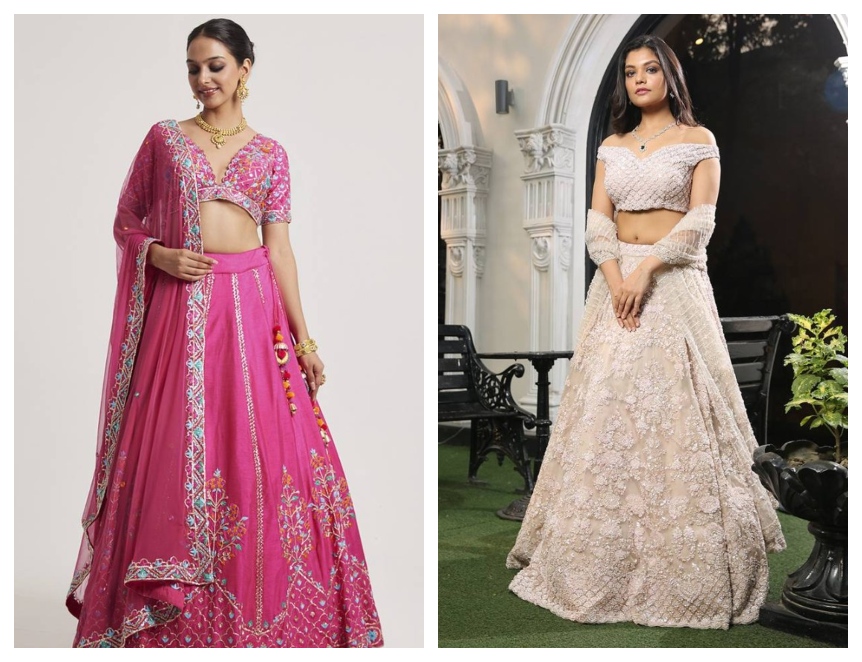
Lehenga choli is considered the queen of traditional outfits and for all the right reasons. They reflect culture, celebration, and personal style. While simple lehengas in themselves are a great outfit, what really makes it unforgettable is the embroidery on the lehenga. Detailed needlework, shining threads, and artistic patterns add charm and richness that take a lehenga from simple to glam. 

Embroidery is not just a decoration. It is storytelling through stitches at its finest. Each design represents heritage, craftsmanship, and creativity that have been passed down through generations via traditional embroidery techniques. Modern designers are taking the lehenga to the runway and blending traditional embroidery with contemporary styling.

If you have any weddings or glam events coming up, and you plan to shine, you can never go wrong with an embroidered lehenga.

Embroidery – The Vital Essence of Lehenga Choli

Embroidery has a very important role in determining the beauty of a lehenga choli by adding depth, texture, and an eye-catching character to your outfit. Embroidery lies at the heart of a lehenga choli because without embroidery, even the most expensive fabrics might look incomplete or flat. Embroidery is what makes even the lightest of fabrics appear luxurious and festive. 

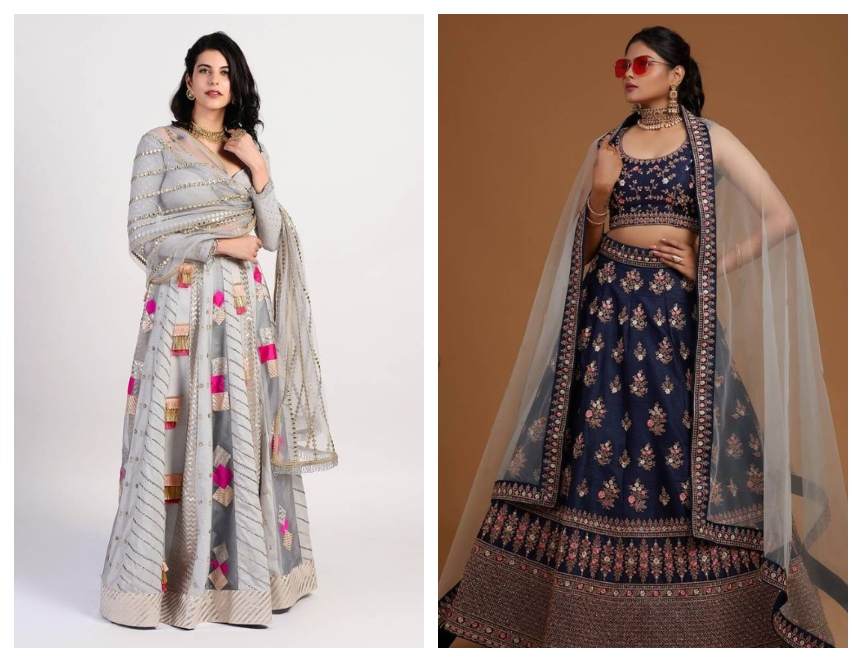
The placement of the embroidery seems to make the biggest changes in your overall ensemble. For instance, heavy embroidery on the lehenga gives a royal feel, while detailed embroidery on the choli makes it look elegant, and embroidery on the dupatta borders brings the whole look together. 

In recent times, embroidery has been a form of expression for modern designers, and many fashion enthusiasts are even getting their lehenga embroidery customized to fit the occasion and their personality. Embroidery patterns based on nature, architecture, cultural motifs, and flowers are commonly seen on lehengas.

Popular Embroidery Works that Elevate the Lehenga Choli Designs

There are a lot of different embroidery techniques, and each of these techniques creates a different look. You should pick out your embroidery design on the lehenga choli based on your style. Here are some of the most loved and common embroidery works used in lehengas today:

  • Zardozi Embroidery: Zardozi embroidery uses metallic threads, gold wires, pearls, and beads that are stitched onto rich fabrics. The embroidery gives a royal look and feel to your outfits, and hence is a very common embroidery style used in bridal lehenga cholis. If you are a bride looking to make a traditional and grand signature look, go for zardozi work. This embroidery works really well on rich fabrics like velvet, silk, and brocade, giving it a raised dimension effect that adds to the richness of the outfit.
  • Mirror Work Embroidery: If you are a fashion enthusiast, you must be no stranger to the beauty of mirror work embroidery style. This style features small mirrors stitched into the lehenga to make patterns and designs that make you stand out. This style especially works great for evening and night functions, as the mirrors reflect lights beautifully and you get to shine as bright as you want. This style of embroidery sits best on lighter fabrics, such as cotton, silk, net, and georgette.
  • Gota Patti Work: This traditional Rajasthani embroidery style uses gold and silver ribbons that are stitched on the fabric. The gold or silver gota patti then goes on to reflect light and make the lehenga shine without looking extra heavy. This style is perfect for lighter events like haldi or festivals.
  • Sequin and Bead Embroidery: Sequins and beads are the perfect way to add fun and glam to any outfit. Patterns embellished with sequins and beads shine on, and create a party-ready look for cocktail nights, evening functions like receptions, and sangeet ceremonies. This embroidery works wonderfully on net and satin fabrics, where the sequins get the space to shine. If you are a bride looking to add a touch of contemporary styling to your traditional outfits, think of a sequin and bead embroidery lehenga.
  • Resham Embroidery: We cannot talk about embroidery without including resham embroidery on the list. Fine silk threads are woven together to create soft and detailed designs. What more do you need? Resham threads are lighter than zardozi and are easier to create popular patterns like floral and artistic motifs. This style works great on fabrics like georgette and chiffon, and is a go-to choice for women looking to add the glam without the outfit being too heavy.

The Best Tips for Choosing the Right Lehenga Embroidery

You’ve read about the different types of embroidery styles that go on a lehenga choli set, but how do you determine which embroidery style to pick for your lehenga choli set? Well, this depends on several factors, and understanding them will help you find a lehenga choli that looks and feels stunning. Here are some ways:

  • Personal Style: Your personal style should be the biggest determiner of the embroidery style that goes on your lehenga choli. If you love minimal elegance, go for a resham work lehenga choli. If bold and bright is your pick, go for sequin, zardozi, or mirror work embroidery lehenga choli. Your lehenga dress should be a reflection of who you are, and it should not weigh you down in any way.
  • Occasion Matters: Not every embroidery style goes with every occasion. You have to pick your embroidery style based on the occasion you are wearing a lehenga choli for. For example, Zardozi work is perfect for grand functions like weddings and receptions, while resham embroidery or gota patti work are good for pre-wedding events or festivals.
  • Color of your Lehenga Choli: The color of your lehenga fabric should be an important factor in determining the embroidery style. If you’re going for jewel tones like maroon, emerald, and royal blue, go for gold embroidery. But if you are going for pastel or neutral tones, silver embroidery is the way to go.
  • Balancing Design and Comfort: You should find embroidery styles that balance design as well as comfort in the best way possible. If you have to wear your lehenga dress for long hours, avoid heavy embroidery and look for something lighter and more moderate. This way, you can enjoy the ceremonies without having to constantly keep adjusting your outfits.

The Best Embroidery Trends in 2026 

Embroidery trends in 2026 reflect a blend of tradition and modern creativity. Here are some of the trending styles:

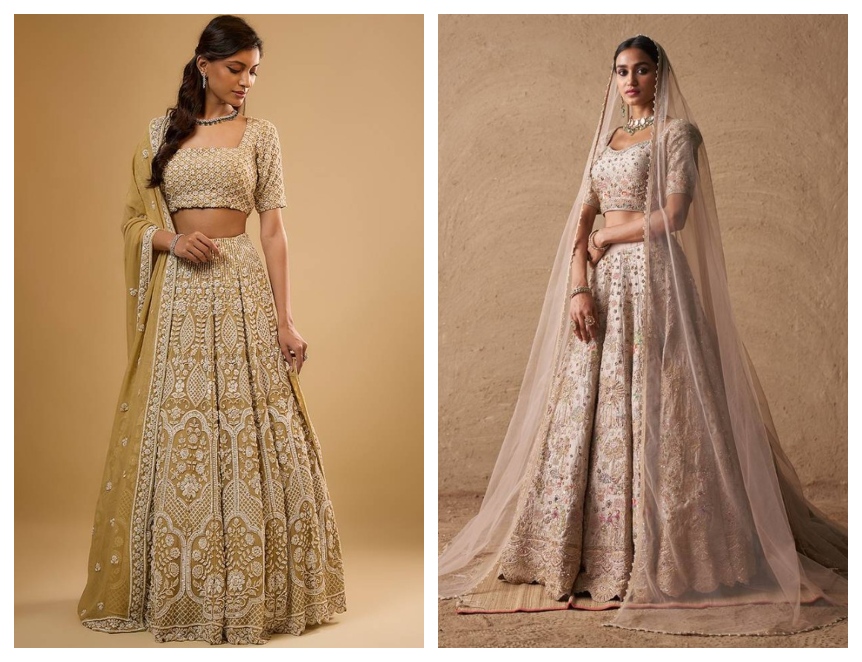
  • Minimal Metallic Work: Minimalism continues to be in trend in 2026, and instead of heavy gold, designers are using softer metallic shades to create embroidery. Think champagne gold, rose ivory, or antique silver embroidery that offers luxury without overpowering. 
  • Heritage Motif Revival: Heritage is making a comeback this year. Traditional embroidery motifs inspired by temples, Mughal art, and nature inspire Indian craftsmanship.
  • 3D Floral Embroidery: 3D floral embroidery creates a raised garden-like effect on lehengas that adds drama and depth. These go really well with pastel lehengas and are a hit in pastel-themed weddings.
  • Tone-on-Tone Embroidery: A new upcoming trend is monochrome embroidery. The embroidery is done using the same color as the fabric, giving your outfit a sophisticated and modern look. This style is perfect for those who prefer elegance over heavy contrast. 

Final Thoughts

Embroidery gives a lehenga choli its soul and adds its own beauty and meaning to the overall look. From delicate threadwork to grand zardozi designs, each style is created to enhance the outfit, as well as elevate the confidence of those who wear it. So whether you prefer heavy bridal designs or elegant festive wear, pick an embroidery that suits your style, and make your lehenga choli even more special.

Sharara Salwar Kameez– Know All About Its History, Fabrics, and Occasions to Wear  

0

Whenever we think of a salwar suit set, we often go for anarkali suit or patiala suit. But we miss the sharara suit set, which has become a staple part of the ethnic wardrobe. Unlike others, we do not wear it on an everyday basis, but it has become an important part of our festive wardrobes. 

In this blog, we will explore everything about the sharara suits, their design, history, and occasions to wear. So, stay tuned and be with us till the end. 

What is a Sharara Suit? 

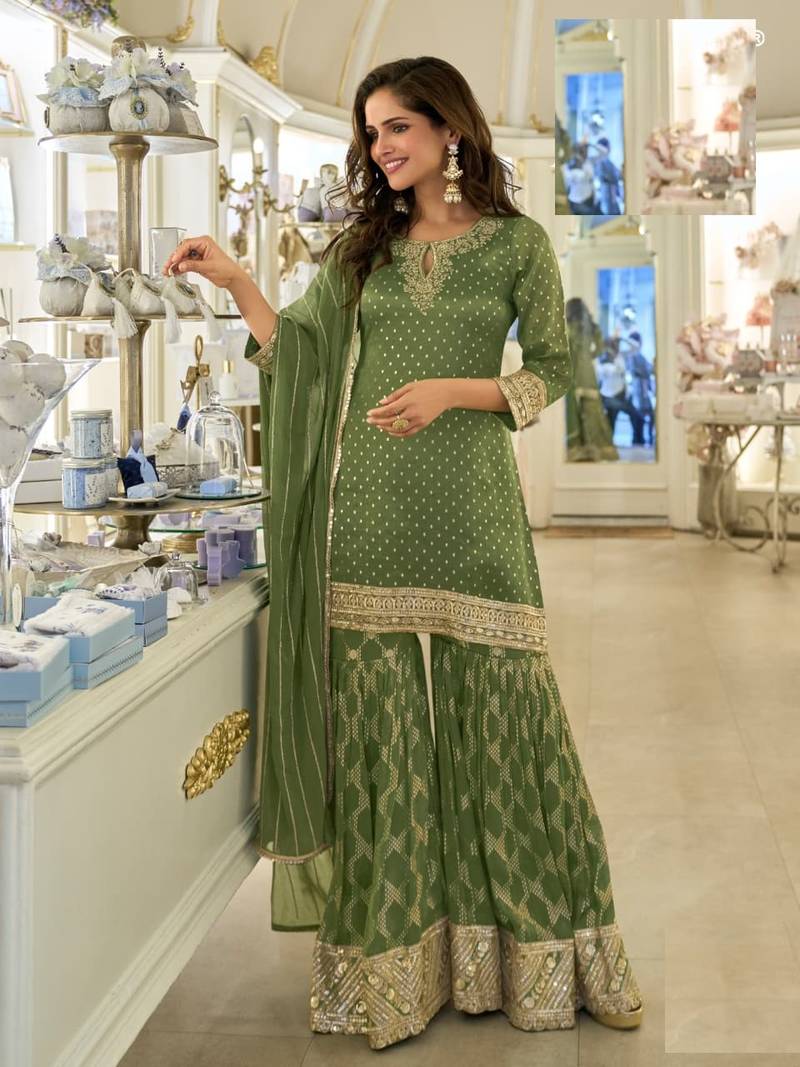
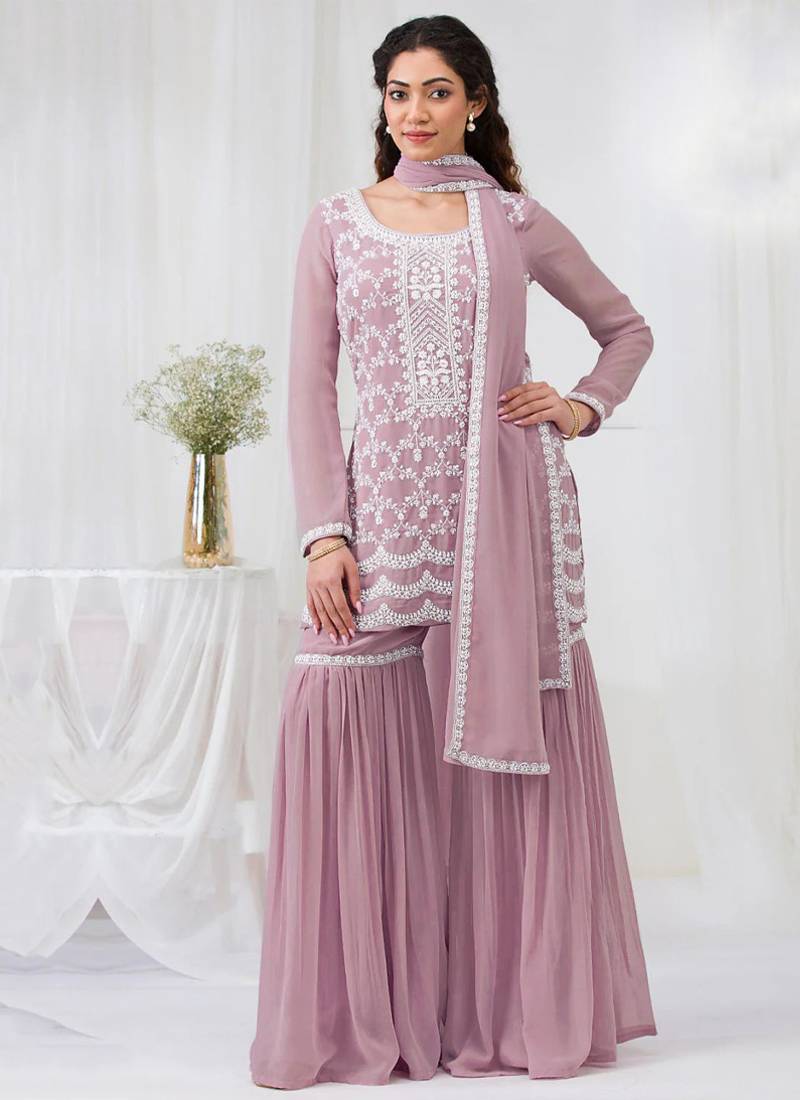
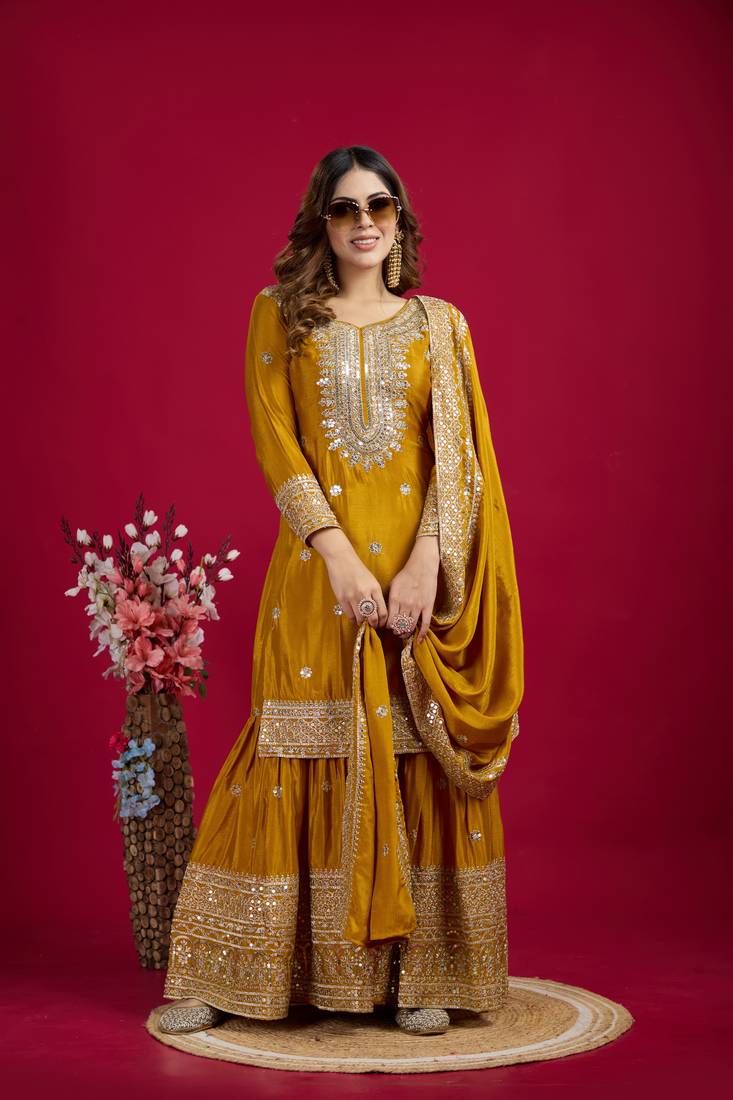
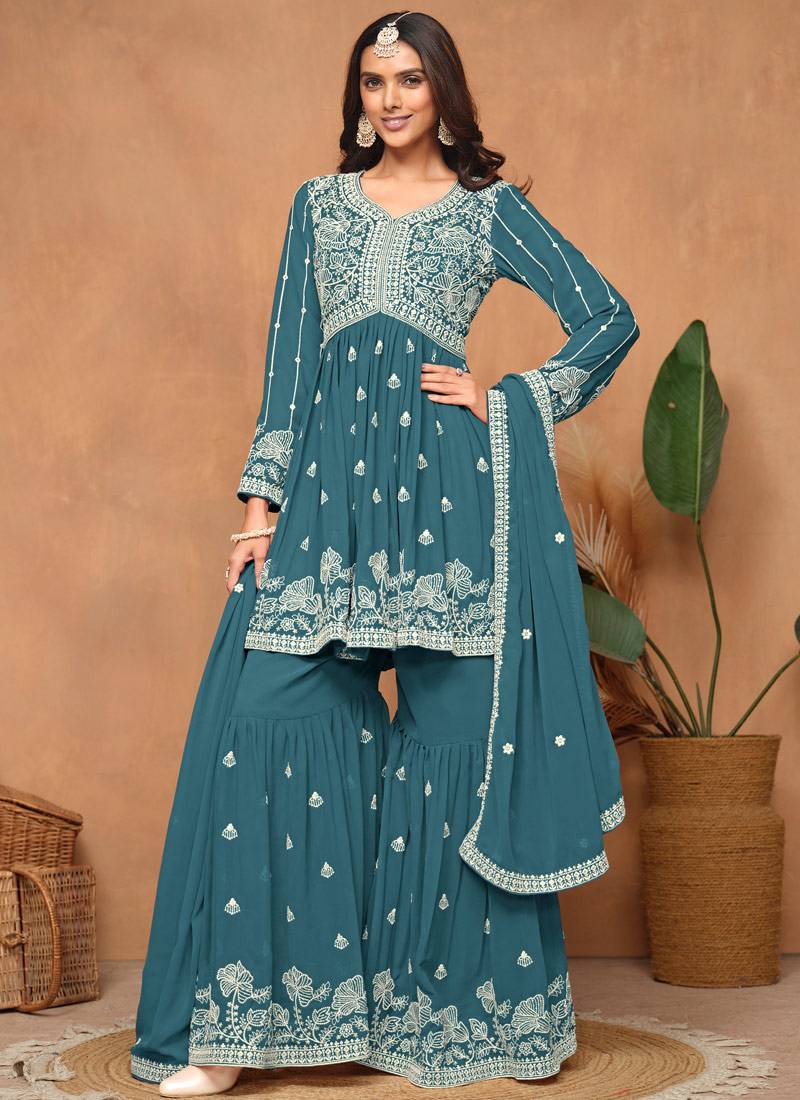
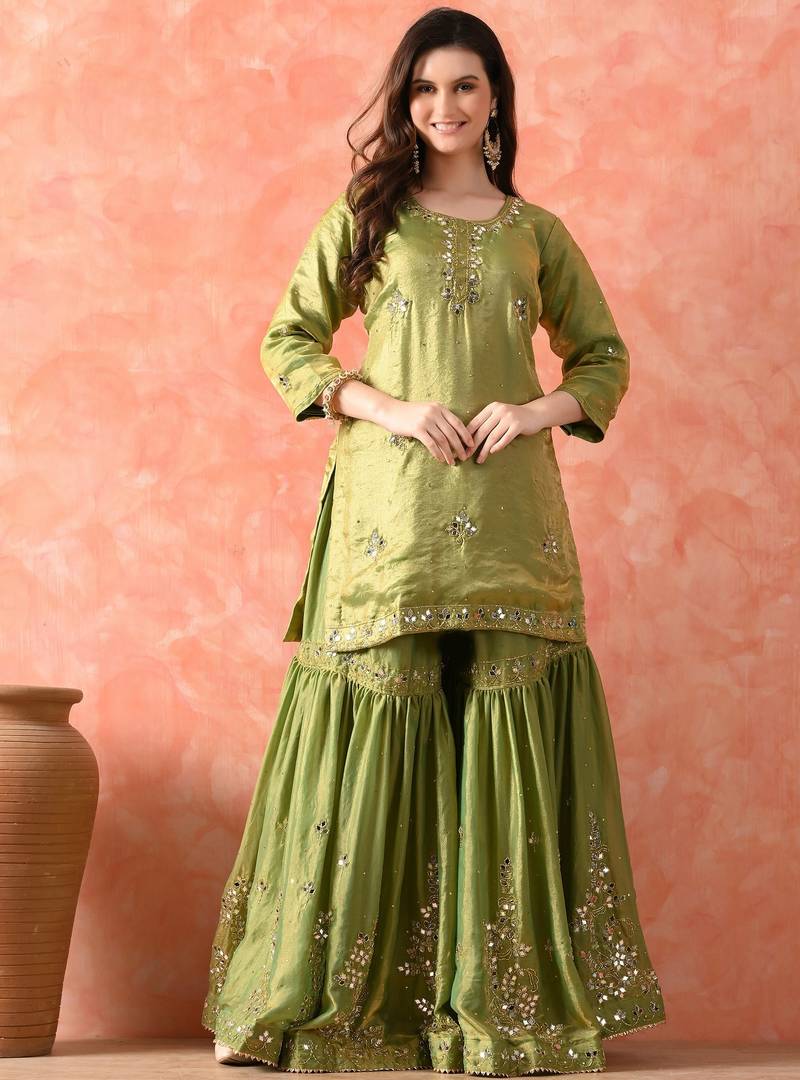
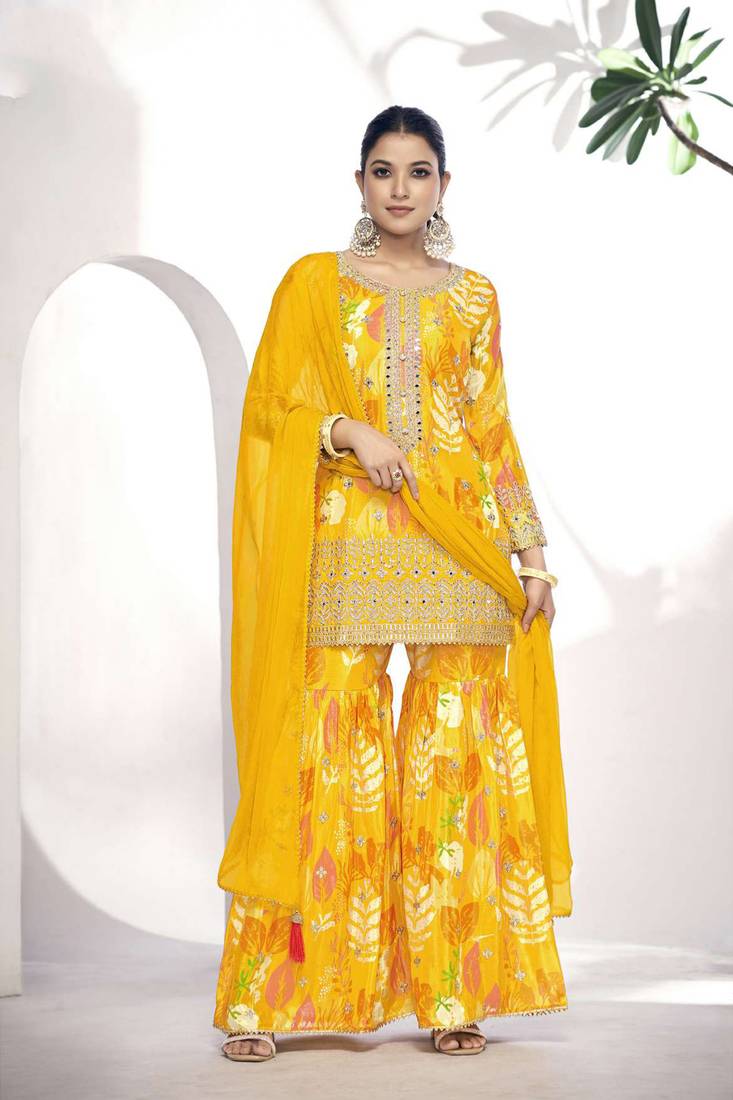
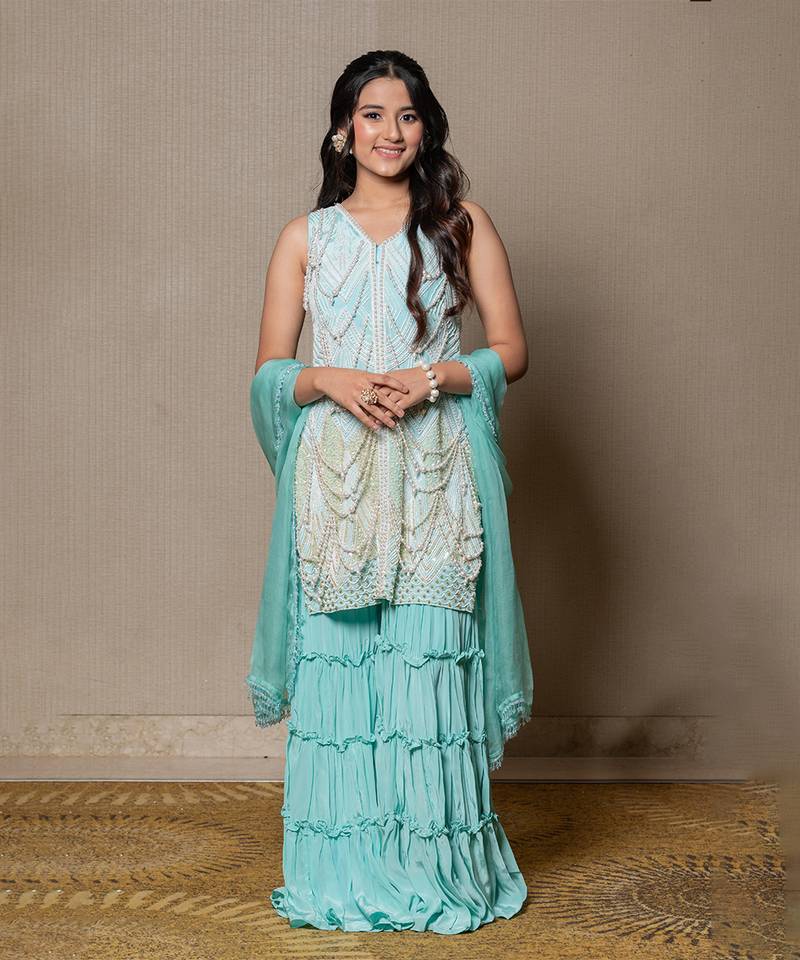
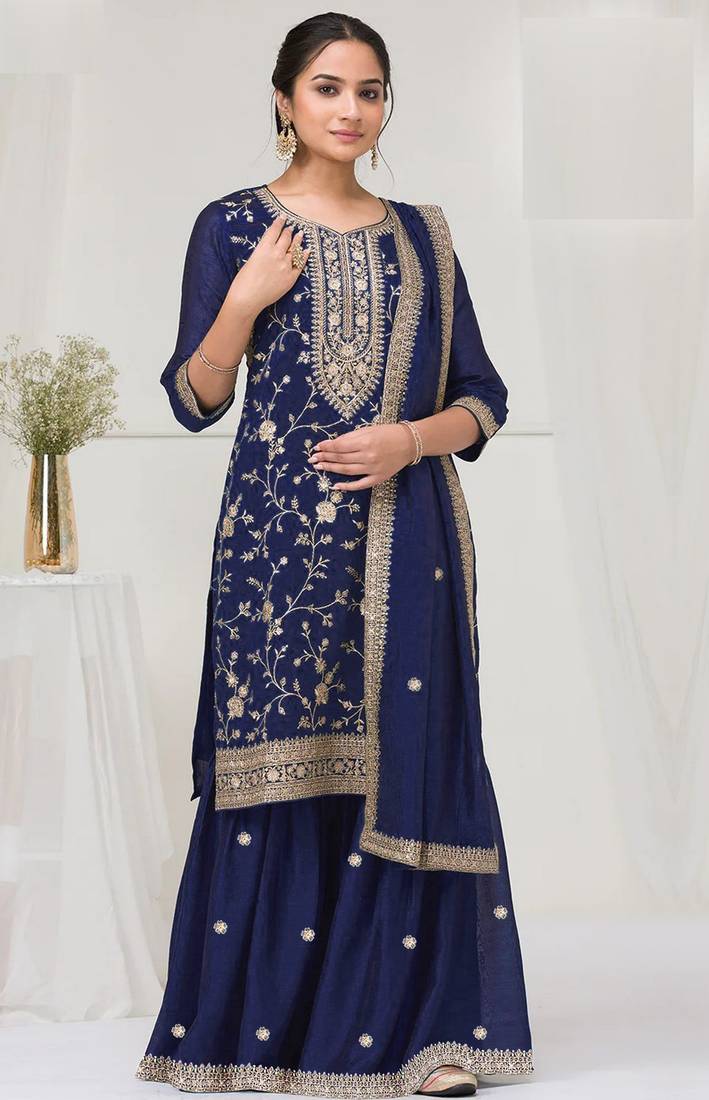
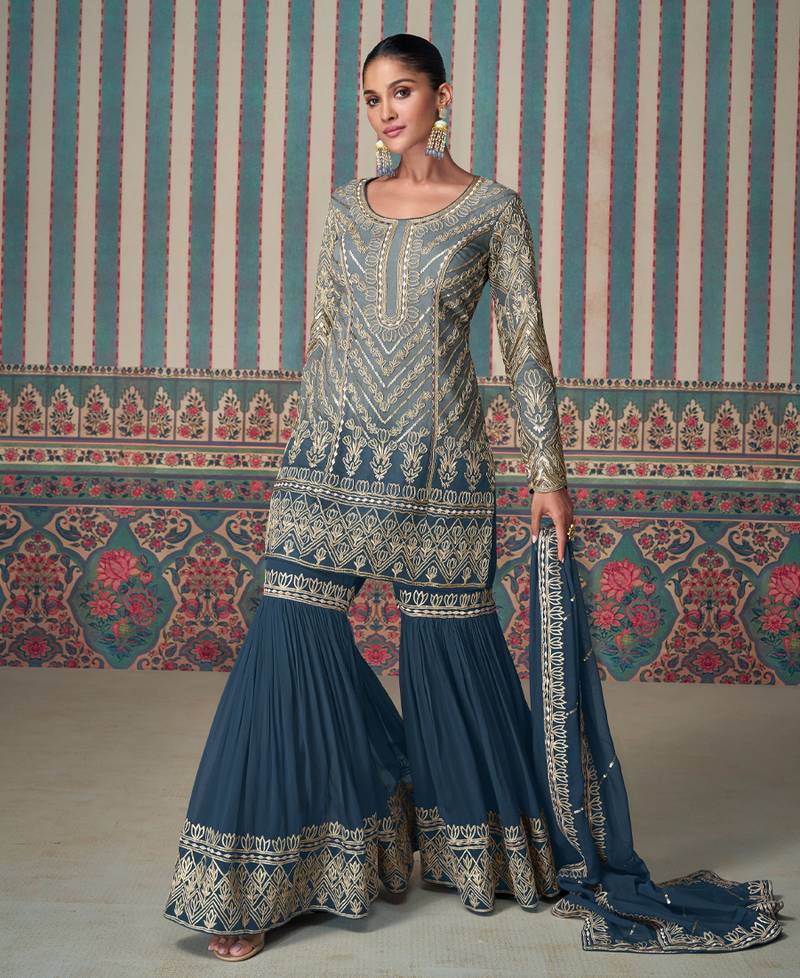
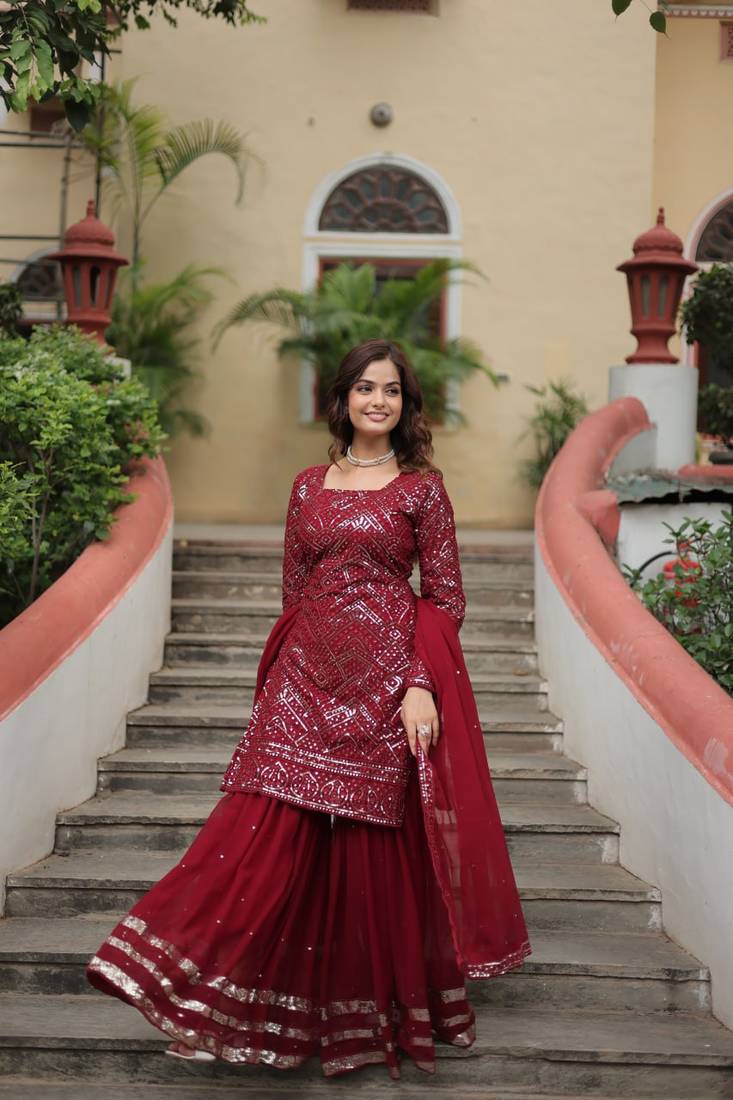
A sharara suit is a traditional ethnic outfit worn by women, known for its wide, flared bottoms. It includes three main parts: a short or mid-length kurta, sharara pants with heavy flare, and a dupatta. 

History and Culture of the Sharara Suit Set

The sharara suit set has a rich history that dates back to the Mughal era. Earlier, it was worn by royal women for court and celebrations. The design was simple and had a kurta made of cotton or silk with rich embroidery. Back then, zardozi, chikankari, and sequin work were very popular. While the sharara pants had big flares, they represent royalty. Today, the sharara suit set has become a popular garment style in North India and Pakistan.

Basics of Designing a Sharara Suit 

The first step towards designing a sharara suit is choosing the right fabric. Since this was an eye candy for royals, silk and cotton were widely used. 

Similarly, flare was another thing that one has to keep in mind. The more the flare, the more royal you were. Similar emphasis is given to neckline, fabric and color. 

Best Fabrics for Sharara Suits

Silk

Silk has always been in the trends when it comes to designing a sharara suit. Soft silks like Bangalorean or crepe silk are perfect for festive looks. Heavier silks like kanjwaram, tussar, or Tanchui are a bride’s favorite. They work best with embroidery and detailed work and are ideal when you want a heavy and classy look.

Georgette

Another fabric that works like magic for a sharara suit is georgette. It is a lightweight alternative that is a must-have for summer. The fabric looks beautiful with different prints like Bandhani, kamalkari and floral print. Georgette shararas are ideal for parties and sangeet nights.

Chiffon

Chiffon is a light and airy fabric that feels very soft on the skin. This is an extremely soft fabric that works best for kids. It is sweat-free, and therefore, one can wear it for a longer duration. 

Faux Chiffon

Faux chiffon looks similar to pure chiffon but is more durable and affordable. It is easy to manage and less delicate, making it a practical choice. You can choose from printed or embroidered designs to look flattering.

Trendy Sharara Suit for Women in 2026

Mirror Work Sharara

Mirror work shararas are trending in 2026 for festive and wedding wear. The embroidery looks beautiful when paired with pearl or stone work. These shararas work beautifully for sangeet nights, mehendi, and evening parties.

Floral Printed Sharara

Another type that has become popular is a floral printed sharara. Some go to prints are small or big flowers in different designs. These type of sharara designs looks very pretty for everyday functions. However, choose comfortable fabrics like georgette or chiffon to stay comfortable.

Organza Layered Sharara

These shararas with a layered look have become a staple for women’s wardrobes. The lightweight layer adds volume and grace without making the outfit heavy. One can wear these shararas, which are perfect for engagement parties and festive evenings. 

Silk Embroidered Sharara

Another beautiful design that has made the sharara back in trend is this one. The rich fabric and detailed embroidery make them suitable for weddings and festive occasions. These are a royal addition specially if you are going to attend a traditional event. 

Pastel Ombre Sharara

Pastel ombre shararas are trending for their soft colour blend and modern appeal. The gradual colour transition looks elegant and stylish. These shararas are perfect for daytime weddings, engagement ceremonies, and festive lunches. Pastel tones continue to dominate festive fashion due to their classy look in 2026.

Sequins Party Sharara

Sequin party shararas are ideal for evening functions and celebrations. The sparkle adds glamour and makes the outfit stand out at parties and sangeet nights. Light sequin work is especially popular in 2026, as it offers shine without feeling too heavy.

Popular Occasions to Wear a Sharara Dress 

Engagement Ceremony

Looking to attend an engagement ceremony but confused about what to wear? Get a designer sharara set for yourself. However, be mindful of the design as these days, jacket shararas or one with gharara style pant have become popular.  Choose soft colours, heavy embroidery with sequins or pearls to look graceful.

Mehendi Function

What’s more fun than a sharara set for a mehendi function? These are comfortable so that you do not feel cranky while you are applying heena. Some beautiful options are bright colours, floral prints and even light mirror work. The shararas keep you comfortable while still giving a festive and cheerful appearance.

Sangeet Night

For sangeet nights, comfort is just as important as style because there is a lot of dancing and movement. Sharara dresses are perfect for this occasion due to their flared design and easy fit. Sequins, mirror work, or embroidered shararas add glamour for evening functions and let you dance freely. 

Eid Celebrations

Sharara dresses are a popular choice for Eid celebrations because they look graceful and festive. Flowing shararas with detailed kurtas create a rich and elegant appearance suited for prayers, family visits, and celebrations. Light fabrics ensure comfort throughout the day with their simple and modest designs.n.

Family Gatherings

Comfort and simplicity are important when you attend a family function. You can go for a cotton or a georgette sharara suit set to look stylish. Light fabrics, simple prints, or minimal embroidery work well for small functions and get-togethers. A sharara keeps your look elegant without feeling overdressed, making it suitable for spending long hours with family comfortably.

Best Accessories for Designer Sharara Set 

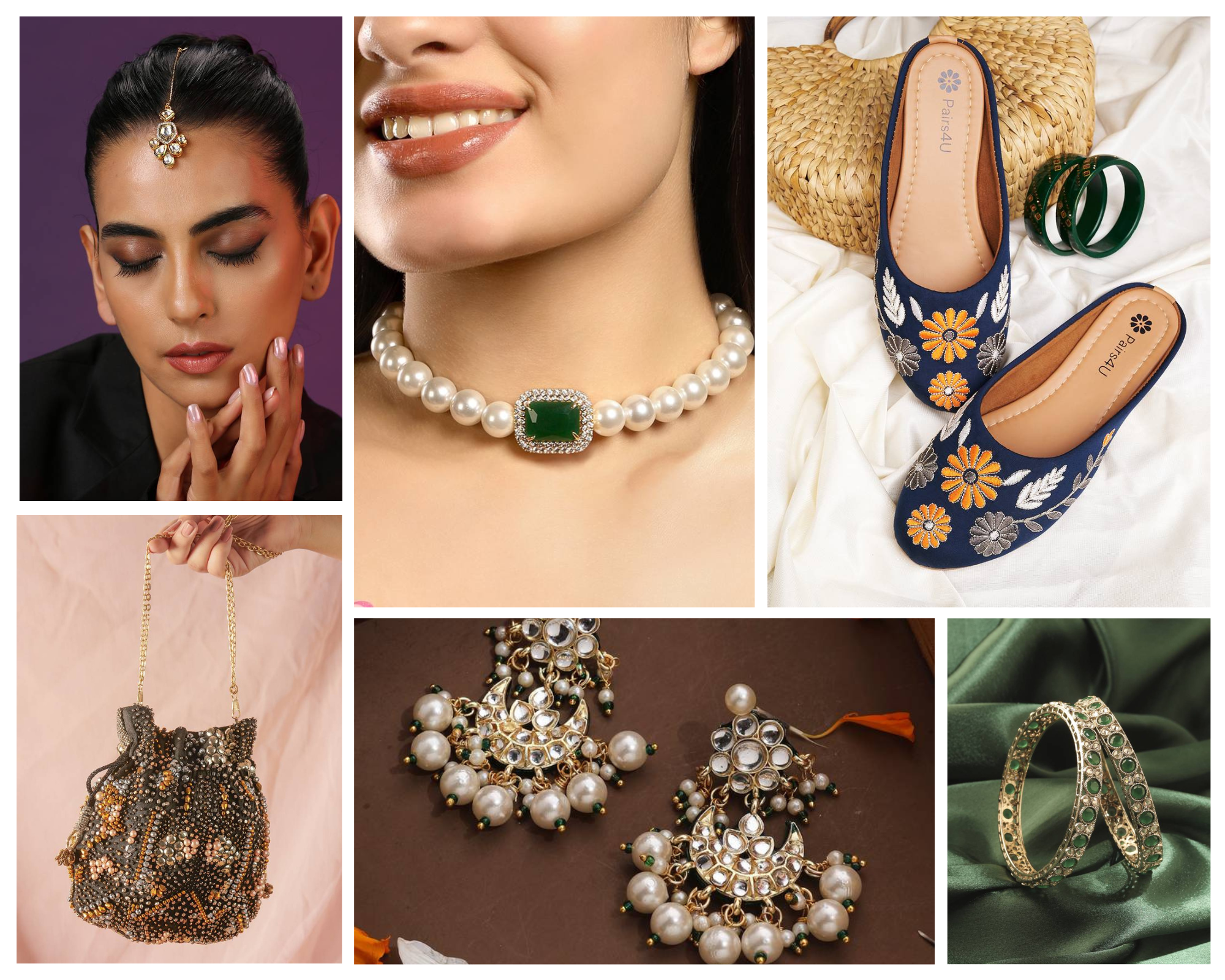
Maang Tikka

A maang tikka gives a graceful and complete look to a sharara outfit. It brings focus to the face and is best for weddings, sangeet, and festive functions. A single kundan or pearl maang tikka is easy to wear and does not look too heavy. It looks best with centre-parted hairstyles.

Choker Necklace

A choker necklace highlights the neckline of a designer sharara set. It works well with short kurtas or deep-neck styles. Kundan or stone chokers look rich without needing extra jewellery. A choker keeps the look neat and stylish, making it suitable for both day and evening functions.

Bangles

Bangles add beauty and movement to a sharara outfit. Glass bangles, gold-toned bangles, or kadas can be chosen based on the outfit’s colour and work. They bring a traditional touch and complete the ethnic look. You can wear many bangles for a festive style or a few matching ones for a simple look.

Potli Bag

A potli bag is a stylish and useful accessory for a designer sharara set. It matches traditional outfits and adds colour and embroidery to your look. Potli bags are easy to carry and perfect for holding small essentials during weddings and festivals. They complete the outfit and make the look more traditional.

Juttis

Juttis are comfortable and stylish footwear that suit sharara outfits well. They are ideal for long events like weddings and festivals as they are easy to walk in. Plain or embroidered juttis match both heavy and light shararas. They keep the look traditional and help you stay comfortable while enjoying the occasion.

Sharara– A Colorful Part of the Salwar Kameez World. 

The sharara set has been an important part of women’s wardrobes over the years. However, a lot of us are confused that it is just another name for salwar kameez. But, this is not true, a sharara suit is not another name, rather it is a part of the big umbrella that we know as salwar kameez. Just like anarkali suit, palazzo suit, or patiala suit, it is also a part of this big category. 

Click here for an in-depth look at Salwar Kameez suits as a whole. 

In Conclusion

On a final note, a sharara salwar kameez is more than just a normal woman’s ethnic wear. It holds significant cultural value that has made it popular both in India and internationally as well. We hope that this blog helped provide detailed information about the sharara salwar. 

FAQs

Q1. What is a Sharara Salwar Kameez?
A sharara salwar kameez is a traditional outfit with a short kurta, wide flared sharara pants, and a dupatta. It looks festive and elegant.

Q2. When can you wear a sharara salwar kameez?
You can wear it to weddings, festivals, family functions, engagements, and celebrations.

Q3. Is a sharara comfortable to wear?
Yes, shararas are very comfortable because of their loose fit and flowy fabric.

Q4. Which fabric is best for a sharara salwar kameez?
Silk, georgette, chiffon, and organza are popular fabrics depending on the occasion.

Printed Saree Draping Styles for a Slim Look

0

A saree is an essential part of an Indian woman’s wardrobe. But, we often forget that saree draping style is as important as the fabrics, colours and embellishment. The way a saree is draped determines the outfit’s overall look. 

You can make a simple printed saree look modern or traditional, depending on how it is worn. From classic regional drapes passed down through generations to modern experimental styles seen on fashion runways, saree draping is an art in itself. The right saree drape enhances your body proportions and highlights your natural curves. To know everything about saree draping styles, read along with this blog. 

Learn About Popular Draping Styles for Printed Sarees

Nivi Draping Style

Nivi draping is a common drape style that most of us grew up seeing, mothers getting ready, pleats pressed just right, pallu falling effortlessly over the shoulder. The style finds its roots in Andhra Pradesh, but it gained popularity for balancing beauty with ease. 

In this, you have to create even front pleats and tuck them neatly at the waist. While the pallu flows over the left shoulder. 

Printed sarees look especially flattering in this drape because the vertical pleats lengthen the body. While the waist looks defined, the overall silhouette appears taller and slimmer.

To learn all about the Nivi saree draping, click here.  

Gujarati Style Draping

Gujarati draping carries the energy of festivals, mirror work, and graceful movement. Traditionally worn in Gujarat, this style stands out because the pallu comes from the back and is displayed proudly in the front. The saree is pleated at the waist, tucked securely, and the pallu is spread wide over the right shoulder. 

This drape highlights patterns beautifully for printed sarees. The elevated waist tuck and diagonal pallu line draw the eye upward. This helps the torso look longer and the waist visibly slimmer.

Bengali Style Draping

Bengali draping feels poetic—unhurried, expressive, and deeply rooted in tradition. Famous in West Bengal, this style skips tight pleats and instead wraps the saree in soft layers. The pallu is brought around twice and often accessorised with keys or brooches. Printed sarees gain a relaxed elegance here, especially during Durga Puja. The flowing structure avoids bulk around the waist and creates gentle vertical movement. This softens curves and gives the body a naturally elongated, slim appearance without trying too hard.

Pant Style Draping

Pant-style saree draping is for women who are in touch with their traditional roots but live in the now. This contemporary style has no regional roots but has made its place in urban fashion. The saree is draped over trousers or fitted pants, with pleats arranged neatly and the pallu styled like a dupatta. 

This looks perfect with a silk or cotton printed saree, as it does not overwhelm the structure. The fitted base creates sharp lines, defines the waist, and reduces fabric volume around the hips. This instantly gives the illusion of a slimmer, taller frame with a confident look.

Lehenga Style Draping

This is yet another beautiful technique of draping a saree. In this, the draping looks like a lehenga and is popular in Rajasthan and Uttar Pradesh. The saree is pleated all around the waist like a lehenga skirt instead of front pleats. While the pallu is draped gracefully over the shoulder. This style looks amazing with printed sarees, and there is no gathering of fabric at the waist. The high-waist fit cinches the midsection and balances the lower body. This helps make the waist look smaller and the saree slim.

Double Pallu Draping

Double pallu draping feels dramatic, layered, and rich in culture. This draping style is very popular in the states of Maharashtra and Karnataka. In this draping technique, the style uses two pallus – one goes over the shoulder, while the other is styled across the torso or head. Printed sarees look striking when layered this way, as the patterns add depth without heaviness. 

The overlapping pallus creates strong vertical and diagonal lines, which visually narrow the body and give the wearer a graceful, elongated appearance.

Cape Style Draping

Cape-style draping has become very popular with Gen Z girls. Thanks to its amazing layering that works like a cape. You have to simply replace the traditional blouse or pallu with a cape. It looks beautiful with printed sarees, which shine here because the cape allows the fabric underneath to flow uninterrupted. 

In fact, this style has become very popular at weddings and cocktail events. The outer layer creates a simple structure and hides areas while still allowing movement.

Dhoti Style Draping

This draping style blends heritage with bold fashion and is inspired by the traditional dhoti. This saree is very famous in Maharashtra and South India. The saree is pleated between the legs to create a pants-like form. The pallu is styled over the shoulder or across the body. Printed sarees feel lighter and more dynamic in this drape. The raised waist and tapered structure highlight the legs and waist. This reduces volume around the hips and creates a slim look.

Slim Belt Saree Drape

The slim belt saree drape proves that small details make big differences. This contemporary styling technique involves draping the saree traditionally and adding a slim belt to the silhouette. With this, we mean that you can go for the popular Nivi drape and finish it with a belt at the waist. The belt prevents fabric bunching and keeps pleats in place for printed sarees. This style has become extremely popular with Bollywood celebrities. Since the structured hold shapes the torso, smoothens the midsection. This creates a clean look that instantly makes the body appear more defined and slim.

Final Thoughts 

On a final note, the way you drape a saree decides the overall look your body will have. Drapes like nivi, Gujarati, and pant style help to get a clean structure, thus toning down the curviness of the body. We hope this blog answered your saree online shopping queries and helped paint a better picture of classy saree draping styles. 

Lehenga Love: A Real-World Guide to Every Style and Trend

0

Lehengas are not just clothes. They are emotions stitched into a fabric. Whether you are a bride walking towards your big moment, a sister twirling at a wedding, or a friend dressing up for a festive night, a lehenga always makes the moment feel special. Over the years, lehenga styles have completely changed, but the magic has not.

Today, you can see lehenga designs everywhere, from simple daytime locks to heavy bridal wear, from soft pastels to bold colors, from classic cuts to modern shapes. Lehenga trends keep evolving. But at the heart of it, a lehenga still makes you feel graceful and beautiful. In this blog, we will explore all the trending lehenga styles as well as how to pick the right lehenga based on your body type. 

Why do Lehenga Styles Never Go Out of Fashion?

There is something very special about a lehenga. It gives you that perfect balance between tradition and beauty. Unlike other outfits, lehengas have the power to make anyone feel dressed up without feeling uncomfortable. You can move, dance, sit and walk easily and still look grand.

One big reason lehenga styles are so popular is that they suit all kinds of occasions. You can wear a light lehenga for a small family function or a heavily embroidered one for a wedding. You can keep it simple or go all out. There is always a lehenga for every moment and mood.

Another reason is how flexible lehengas are. You can play with the blouse, skirt, cut fabric and colors. This is why new style lehenga designs keep coming up. Designers keep mixing old traditions with modern fashion, so every year you can get fresh lehenga trends that still feel rooted in culture.

Lehengas look good on every age group. A young girl, a bride, or even a mature woman can all wear lehengas in different ways. This is what makes the outfit so loved and timeless.

Exploring Every Lehenga Style you Should Know About

When people say lehenga, they just imagine one kind. But in reality, there are many lehenga styles, each with its own look and personality.

A Line Lehenga

This is the most common and most loved lehenga trend. The skirt gently flares out from your waist, creating a beautiful shape. It looks elegant and works well for almost every body type. The style is very popular in both bridal and party wear. Whether it’s heavy embroidery or light print, the style always looks graceful.

Circular or Flared Lehenga

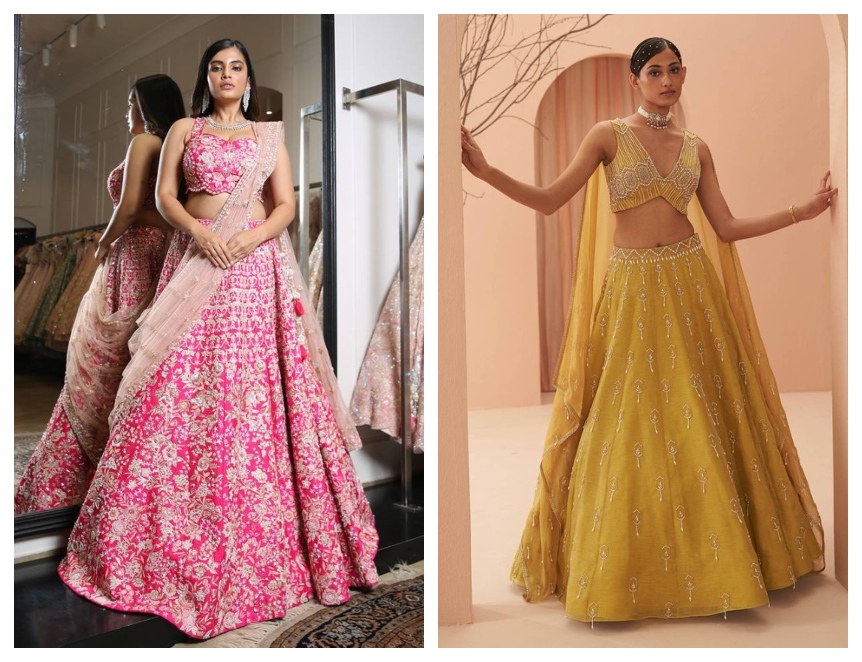
The style has a lot of volume and flow. When you twirl, the skirt opens beautifully, giving that royal, dreamy feeling that many brides love. These lehengas usually come with heavy work and are perfect for weddings and grand functions. These lehengas look rich, dramatic, and very festive.

Straight Cut Lehenga

This lehenga falls straight down instead of flaring out. It gives you a very neat and modern look. It is great for you if you like clean lines and a more structured style. Straight lehengas are becoming a big part of new style lehenga collections because they feel fresh and elegant at the same time.

Panelled Lehenga

Panelled lehengas are made by joining many fabric pieces together. This creates a lot of movement and depth. The skirt looks rich and full, even if the fabric is light. This style is perfect if you are looking for a dramatic look without making the lehenga too heavy.

Fish Cut or Mermaid Lehenga

The style fits tightly till the knees and then flares out. It highlights your curves and also gives you a glamorous look. It is perfect for evening parties and modern weddings. This is one of those lehenga styles that is not for everyone, but when it works, it really stands out.

Sharara Lehenga

This style looks like a lehenga, but it is actually crafted like wide pants. It gives you the comfort of trousers and the beauty of a lehenga. Sharara lehengas are very popular in modern lehenga trends because they are stylish, easy to wear, and look unique.

Gharara Lehenga

Ghararas have a flare that starts from the knee, creating a beautiful layered look. This style is very prominent in North Indian and Pakistani weddings. It feels royal and old school, yet designers are bringing it back in new style lehenga collections with modern fabrics and colors.

Lehenga with Jacket

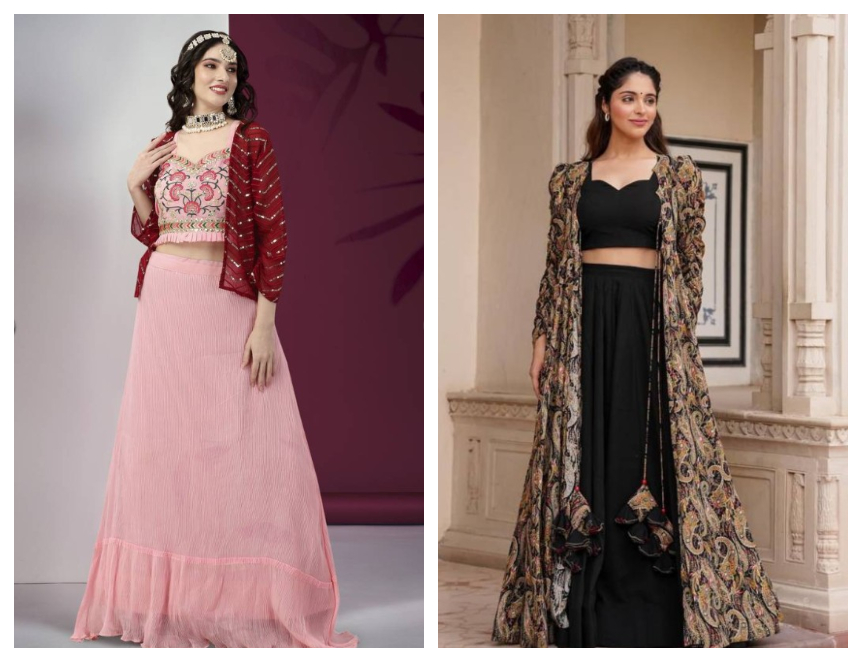
Instead of a dupatta, some lehengas come with long jackets. This gives you a very elegant and fashionable look. It is great for you if you want something different from the usual. This jacket style lehenga is now a big part of lehenga trends for bridesmaids and even brides.

Cape-Style Lehenga

Cape lehengas have a flowing cape instead of a dupatta. They feel light, stylish, and really modern. This is a favourite among younger women who want a trendy but still ethnic look. It creates a graceful silhouette while allowing easy movement throughout the event. The cape adds drama without making the outfit feel heavy.

Crop Top Lehenga 

Instead of a traditional blouse, the style uses a crop top. It is perfect for parties and fun wedding events. This is one of the most loved new style lehenga designs because it feels fresh and even fashionable. This crop top lehenga style highlights a modern festive mood and pairs well with statement jewelry.

Ruffled Lehenga

These lehengas have layers of ruffles, giving a soft and romantic look. They are perfect for daytime functions and destination weddings. They feel light, breezy, and very different from heavy bridal wear. The layered detailing adds volume without weight, keeping the look airy and elegant.

How to Choose the Right Lehenga for your Body Shape?

Finding the right lehenga is not about following every trend. It’s all about choosing what makes you feel comfortable and confident.

Curvy Body

If you have a curvy body, A line and flared lehenga work beautifully. They balance out the shape and give you a smooth, elegant look. You must avoid very tight fish cut styles unless you want a bold look.

Petite Body

If you have a petite body, you must choose straight-cut or slightly flared lehengas. Too much volume can make you look shorter. You can look taller with simple designs and lighter fabrics.

Tall and Slim Body

If you have a tall and slim body, you are lucky because almost every style works for you. You can try layered designs, bold flares, or even heavy lehenga trends without any stress.

Pear-Shaped Body

If you have a pear-shaped body, you can choose lehengas that have heavy work on the blouse and lighter skirts. This balances the upper and lower body really well.

Apple-Shaped Body

You must go for high waist lehengas with flowy skirts if you have apple shaped body. Avoid very tight blouses and choose soft fabrics that fall nicely.

Lehengas are not just about fashion, they are all about memories, celebrations and moments you will remember forever. From traditional cuts to new style lehenga designs, from heavy bridal looks to light partywear, there is a lehenga for every woman and every occasion. Lehenga styles will keep changing. New trends will come and go. But the joy of wearing a beautiful lehenga will always stay the same. It is that feeling when you look in the mirror and smile, knowing that you look just right. So, the next time you are shopping, do not worry too much about what is trending. Always look for something that feels like you.

All You Need To Know About The Stylish and Comfortable Patiala Suit 

0

Salwar kameez is a staple garment that has been a part of women’s wardrobe for years. This elegant garment comes in various forms. However, we can confidently say that the Patiala salwar kameez is the most popular variant of salwar kameez. The main highlight of the Patiala dress is its salwar. Unlike simple straight or flared pants, it features beautiful pleats. The kurta is also shorter and features short and quarter sleeves. So, if you have been thinking of buying a Patiala salwar suit for yourself, then read along as we discuss its history, best fabrics and trendy designs. 

What Is Patiala Salwar Kameez? 

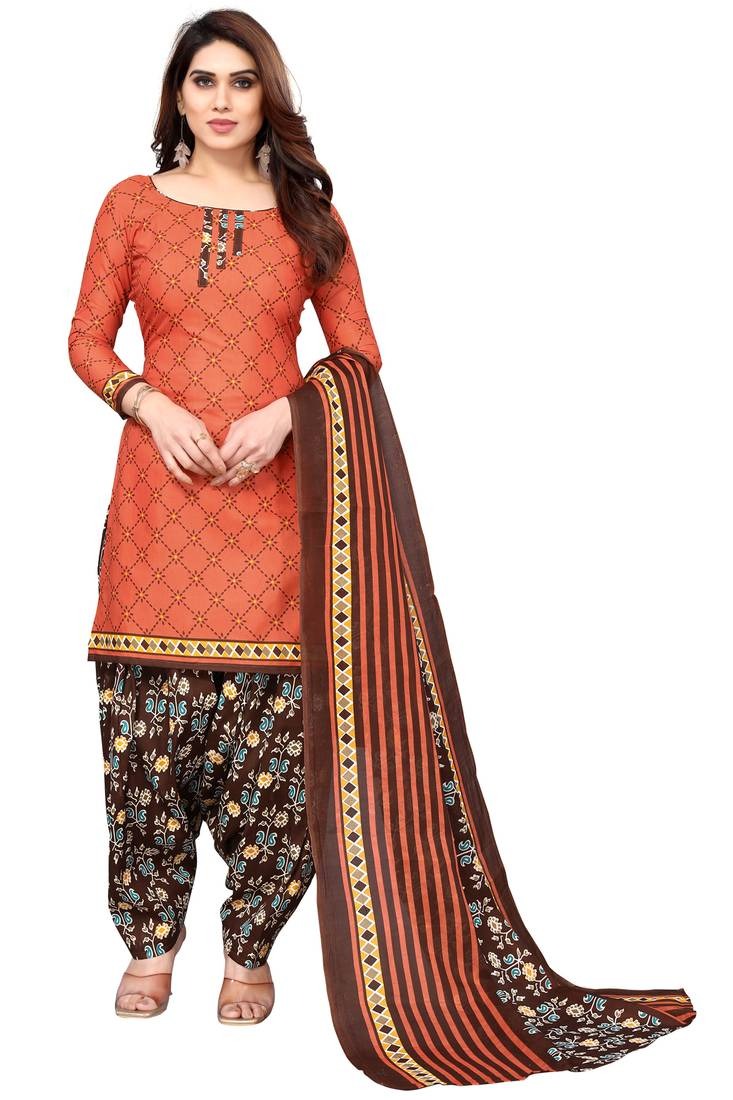
A Patiala Salwar Kameez is a traditional Punjabi outfit consisting of a short or mid-length kameez paired with a Patiala-style salwar. The Patiala salwar is known for its many deep pleats created using extra fabric, giving it a loose shape. However, do you know that pleats in the salwar are created by gathering the fabric together? Instead, pressing the fabric flat, which is done in a simple salwar, designers stitch the pleats together around the waist to create that natural flare. 

History and Cultural Significance of Patiala Suit

The Patiala suit finds its name from the princely state of Patiala in Punjab during the early 20th century. This was first introduced by the Maharaja of Patiala, Bhupinder Singh, in his court. The style was favoured by royals for its different look and sophistication. Although originally, the Patiala salwar kameez was designed to be a men’s wear. 

Yet, its comfort level made it popular amongst women, becoming a part of their identity. It gained more popularity during the 1940s and 1950s when it was adopted as the traditional dress of the Patiala state and then the whole of Punjab. This attire was prominently featured in Bollywood movies, thus elevating its status to a global ethnic wear icon.  

Trendy Patiala Suit for Women in Lohri and Baisakhi

Phulkari Patiala Suit
Bright colours look amazing, especially during festivals like Lohri and Baisakhi. The detailed phulkari embroidery brings out the energy of Punjab. While the Patiala salwar keeps things comfortable enough to dance, sit, and move around all day without feeling restricted.

Silk Patiala Suit with Gotta Work
This is such a beautiful combination and works perfectly for a new bride. The silk adds a natural shine, while the gota patti work brings in festive detailing without looking heavy. Just wear some simple gold jewellery with the suit, and you will be the star of the evening.

Short Kurti Patiala Suit
If you prefer something lighter and modern, shorter kurtis are an easy pick. They draw attention to the classic Patiala pleats and keep the overall look youthful and practical. This style is comfortable for daytime events and suits outdoor festival celebrations perfectly.

Contrast Dupatta Patiala Suit
Sometimes a small change makes the biggest impact. Adding a contrast dupatta instantly lifts a simple Patiala suit and makes it festival-ready. It is a great option if you want a vibrant look without going overboard on embroidery or heavy work.

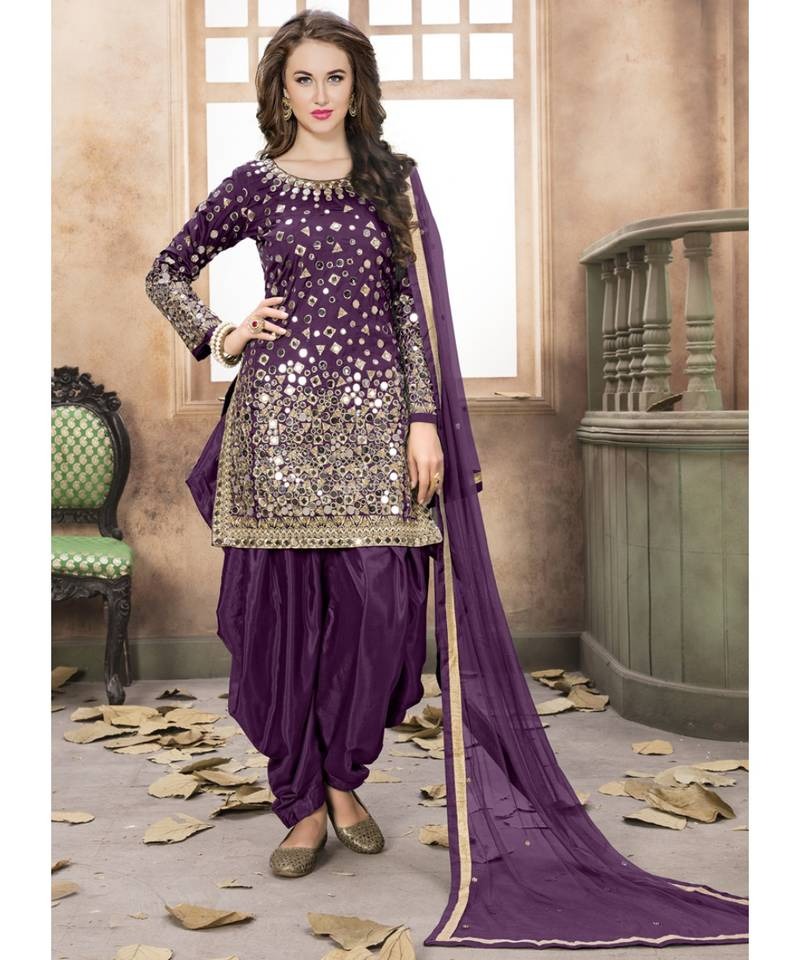
Mirror Work Patiala Suit
The mirror work adds just the right amount of sparkle for those who enjoy a little shine. The beautiful detailing makes the outfit suitable for both daytime festivities and night celebrations without feeling too heavy.

Best Fabrics to Wear Patiala Salwar Kameez

Silk
A Patiala suit looks beautiful when set in a silk fabric. It gives weight to the pleats, making them sharper and more defined. Its ability to hold the shape makes the suit suitable for weddings and traditional occasions.

Cotton
If you are looking for an authentic Patiala suit, then cotton is the best fabric for it. This is one of the popular fabrics that is used to craft those fluffy Patiala salwar. The pleats stay in place while giving a graceful look.

Chiffon
This fabric gives Patiala pleats a soft and lightweight feel. It reduces bulk and makes the outfit look lighter compared to cotton or silk. Chiffon Patiala suits are suitable for daytime events, casual functions, and occasions

Rayon
This fabric feels like butter on the skin. It flows easily and highlights the pleats. Rayon, being a soft fabric, keeps you comfortable even if you wear it all day. 

Popular Colours for Patiyala Dress

Red Patiala Dress

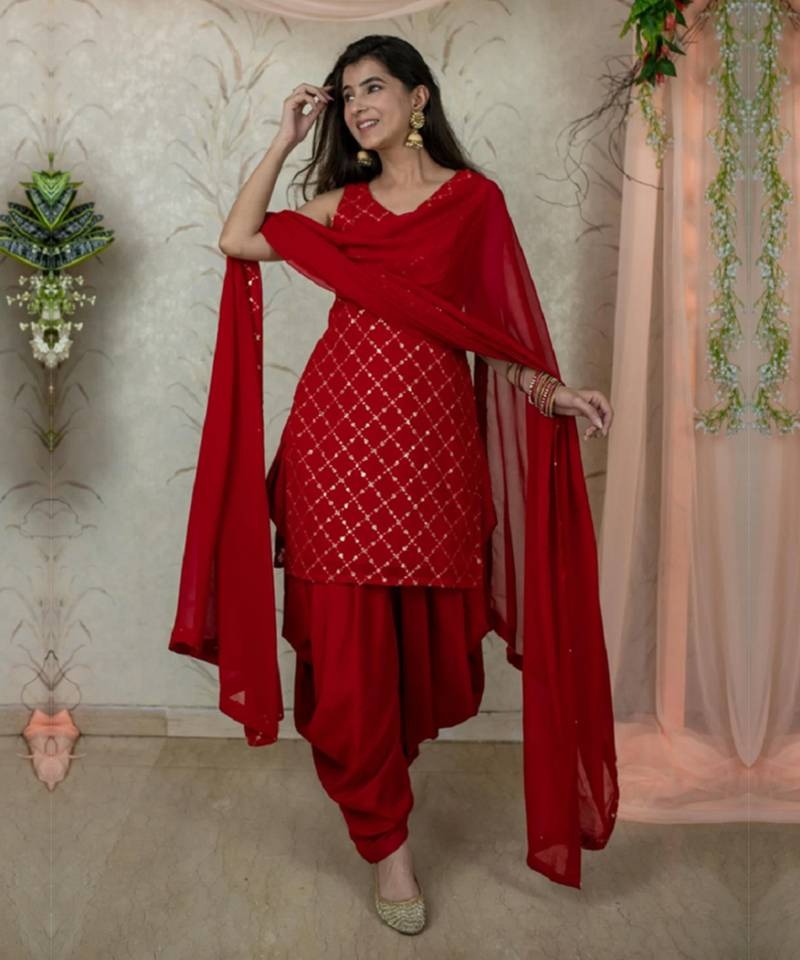
When you see a red Patiala dress, it instantly feels festive. The rich red colour flows beautifully through the deep pleats of the Patiala salwar, making the outfit look powerful and traditional. Red looks wonderful with detailed work, so phulkari embroidery or zari accents feel just right. Patiala suits are gorgeous in red because the heavy folds add drama, and red deserves nothing less than that bold, grand presence.

Blue Patiala Dress

A blue Patiala suit offers a balanced and comfortable traditional look. The pleated Patiala salwar works well in blue, especially in cotton and lightweight fabrics that allow easy movement. Simple prints or minimal embroidery suit this colour best. The wide flare of a Patiala salwar helps maintain structure while keeping the outfit relaxed.

Yellow Patiala Dress

Yellow Patiala dresses feel like sunshine and work like magic at anyone’s Haldi function. Yellow has many hues, so you can choose from different colours like lime yellow, mustard, and even dark yellow. The suit looks fantastic with simple embroidery, floral prints, or clean designs. 

Orange Patiala Dress

An orange Patiala dress carries warmth and tradition in every fold. The colour settles beautifully into the layered pleats, giving the outfit a strong Punjabi feel. The suitable embroidery for this dress is phulkari embroidery and contrast borders. 

Purple Patiala Dress

This colour is a royal colour in itself, thanks to those dark bluish pink hues. A Patiala dress in purple looks like something that offers a fantastic tribute to the royal court of Patiala with its beautiful colour. Just try to choose silk or rayon fabric with Savarvoksi or crystal embroidery to balance the richness of the colour. 

Styling Tips for Patiala Salwar Kameez

Patiala salwar kameez have become a staple in every woman’s wardrobe due to their simple look and comfortable feel. However, here are some go-to styling tips that you must adhere to look great. 

  • Pair your patiala salwars with a straight cut kameez, as it will balance the flare of the salwar. This prevents bulkyness which is evident due to the pleats.
  • Choose soft fabrics like cotton, silk and even georgette as they easily manage the pleats and highlight them beautifully.
  • The dupatta is the main attraction of the salwar kameez. So, style it accordingly, pin it on the shoulder or do a side drape for that elegant look.
  • Light jhumkas or bangles are enough since the outfit itself is rich. Avoid heavy necklaces for a graceful look.
  • Complete your look with simple pumps or heavily embroidered juttis to look like a Punjabi girl. 

Patiala Salwar Suit: An Important Part of The Salwar Kameez World 

Patiala Salwar Suit is often confused with salwar kameez. However, this is not true, and a Patiala salwar suit is a part of the broad salwar kameez category. They are just like other salwar kameez types, namely, anarkali suits, straight suits, palazzo suits, etc. Click here to know more about trending salwar kameez styles

Final Thoughts 

Patiala salwar kameez has become a timeless choice amongst women for its culturally rich history and comfort level. Its signature pleats help one to move freely. The design is so pretty that it suits women of all ages, from teenagers to the elderly. The versatility of the suit is such that it works just as well for daily wear as it does for festivals and family functions.

FAQs

1. What is a Patiala salwar kameez?
A Patiala salwar kameez is a traditional Punjabi outfit known for its loose, pleated salwar and comfortable fit. It allows easy movement and looks graceful at the same time.

2. Which fabric is best for a Patiala salwar kameez?
Cotton is best for daily wear, while silk, chiffon, and georgette are good for festive and wedding occasions.

3. Can Patiala salwar kameez be worn for festivals?
Yes, Patiala salwar kameez is very popular for festivals like Lohri, Baisakhi, and Eid because it looks traditional and festive.

4. Who can wear a Patiala salwar kameez?
This outfit suits all body types. The loose salwar gives comfort, and the kameez can be stitched short or long based on preference.

5. How do you style a Patiala salwar kameez?
You can style it with juttis, a contrast dupatta, simple jewellery, and light makeup for a complete traditional look.

Islamic Clothing Traditions and Styles Across Different Regions

0

People often think that Islamic clothing is limited to hijab and burqa. But that’s not true. Islam is spread across the world, and each region differs in cultural values and traditions. These factors have a profound effect on the clothing of muslims as well. For instance, people in the Middle East wear Abayas , thobes, and Keffiyahs. While shalwar kameez and hijab are popularly worn in South Asia. Thus, you see traditional muslim clothing is very diverse, and has many layers to it. 

In today’s blog, we will be discussing more about traditional muslim clothing that is prevalent in different regions of the Islamic world, the differences and similarities. Read along with us to know more.  

What is Islamic Clothing?

A simple definition of Islamic clothing is that it refers to the attire muslim wears based on the principles of Islam. As per the rules of the Quran and Hadith, the muslim clothing is designed on the principle of modesty (haya). The basic principle suggests covering the body appropriately with loose-fitting clothing. Islamic clothing styles do not believe in highlighting the shape and structure of the body. 

The best part is that this is not just limited to women. The same rule applies to Islamic men’s clothing as well. Wearing modest muslim clothing is a way to dignify the culture and tradition.

Classic Islamic Wear of Arab Regions

Countries like Saudi Arabia, the United Arab Emirates, Qatar, and Kuwait come under this region. The clothes of Muslims in these regions are based on the hot and humid climate. The women in this region wear different abaya styles, hijab, niqab and burkha and shayla as their primary clothing. These feature subtle embroidery, pleats, and even open front designs. 

The men in these regions have their own clothing style. They wear garments like the thobe and Kandura, which are full-length robes in white colour. They are accompanied by head coverings such as the ghutra, keffiyeh, or shemagh, which makes it Islamic trendy clothing.

Ethnic Muslim Fashion Clothing from South Asia

South Asian clothing in the Islamic countries adheres to countries such as India, Pakistan, Bangladesh, Sri Lanka, and Nepal. Women commonly wear shalwar kameez paired with a dupatta or hijab, along with Anarkali suits. Long maxi dresses and modest kurti sets that offer full coverage while allowing graceful movement are also popular. 

Men typically wear kurta–pyjama, pathani suits, or shalwar with long tunics, often complemented by a prayer cap or shawl. The climate of the tropical countries is slightly warm, thus they use fabrics like cotton, lawn, chiffon and georgette. What makes South Asian Islamic clothing popular is its intricate embroidery, handwork, prints, and vibrant colours.

Islamic Clothing Styles from Southeast Asia

Countries like Indonesia, Malaysia, Brunei, and parts of Thailand are a part of this region. The clothes of Muslim communities here are made for hot and humid weather, so they are light, loose, and easy to wear. 

Women often choose the baju kurung, which has a simple shape and gives full coverage. Another great option is a modest kebaya with long sleeves, which is worn with a hijab. 

These outfits are a clear example of traditional Islamic dress that works well for daily life as well as special events. Men usually wear the baju melayu, a neat outfit with a long tunic and trousers as part of Islamic wear. It is paired with a sampin and a songkok for prayers and celebrations. Even though this style looks different from Turkish Islamic fashion, both follow the same values of modesty.

Traditional Muslim Clothing in Africa

African Islamic clothing is known for its rich colours, flowing structure, and strong cultural identity. In most African muslim communities, men commonly wear kaftans or dashikis. These are loose, comfortable garments ideal for warm weather and daily prayers. While women choose long and colourful robes that provide full coverage to the body. Style these with graceful hijab fashion or pair them with traditional gele headwraps for special occasions.

Although African designs are visually different from Arab traditional clothing and classic abaya styles. They still fall under wider Islamic clothing styles, and their major focus is on the upkeep of modesty and dignity. In some regions, women also wear jilbab clothing adapted with local fabrics and prints

Islamic Outfits for Special Moments

Islamic clothes have a huge variety when it comes to special occasions as well. For instance, occasions like Eid, Nikkah and parties go for dresses in dark shades and heavy embroideries. Some go to dresses that women usually wear during these celebrations are Abaya, Kaftan dress, Moroccan Kaftan, etc. 

Popular Colours and Patterns Used in Islamic Clothing Traditions

People have a misconception that Islamic clothing has a very muted and subtle colour palette. However, this is not true; the dresses also use bright colours and patterns like red, blue, maroon and purple.

Are Islamic Clothing Similar Across Regions? 

Islamic clothing is similar across regions in terms of values, but not in appearance. The core rules of modesty and full coverage remain the same everywhere. However, styles change based on climate and local traditions. This is why abayas in Arab countries, South Asian shalwar suits, African kaftans, and Southeast Asian baju kurung all look different yet follow the same Islamic principles.

A Comprehensive Guide To Abayas in 2026 – Where Heritage Meets Style

0

Abayas today are not the same as they were years ago. They have grown with time and with the women who wear them. In 2026, women’s abayas are about feeling confident in your own style while still staying true to modest dressing. When you choose an abaya today you are not choosing a cover-up option. You think about how it feels on your skin, how easily you can move and whether it aligns with your daily life. That’s the only reason why modern abayas focus on comfort and practicality. You can find softer fabrics and designs that work really well for long days or even casual outings, whether you like it clean or you prefer something more expressive abayas in 2026 truly give you the freedom to dress in a way that feels natural to you without compromising on your modesty. 

Why is abaya fashion evolving in 2026?

Fashion is constantly changing, and the abaya is evolving with it. In 2026, you look for clothing that fits into your modern lifestyle,  long work hours, social events, family gatherings, and travel days.  The traditional one-style black abaya with niqab is no longer the only choice you have. You can today access many functional designs that are breathable, comfortable and also help you stay stylish throughout the day. Another reason for transformation is the global rise of modest fashion. You can see women across cultures choosing muslim clothing for comfort and personal identity and you are also seeing the same influence reflected in abaya designs today.

Designers globally are embracing modest silhouettes making the abaya part of mainstream fashion rather than just another niche. In 2026 abayas allowed you to balance your tradition with modern style so that you can feel confident, comfortable and effortlessly elegant no matter where you go.

 Abayas – From Heritage to High Fashion

  • Traditional beginnings

The abaya originated in the Arabian Peninsula as a loose outer garment designed for modesty and protection from heat. Early designs were completely simple, focusing entirely on practicality rather than appearance. For decades, the abaya remained unchanged, valued for its meaning rather than just fashion.

  • The move towards contemporary shapes

As lifestyles changed, so did clothing needs. Women are looking for abayas that allow ease of movement and personal style. Designers introduced tailored cuts, adjustable sleeves, button-downs, and zip styles, besides lightweight fabrics. The abaya slowly became more adaptable to daily wear, offices, and social gatherings.

  • Global fashion influence

International fashion trends have deeply shaped modern abaya designs. Elements like capes, belts, pleats, kimono sleeves and layering concepts now appear regularly in abaya collections. In 2026, abaya styles​ blend Middle Eastern elegance with global fashion language, creating amazing looks that feel modern yet respectful.

What’s the Difference Between an Abaya and a Burka? 

These two garments are often confused, but they serve very different purposes. The abaya is an outer garment that you can wear over clothes. The best abaya for women is the one that offers modesty along with flexibility. It can come in an open or closed style and can be styled in a myriad of different ways. It focuses on modest fashion with flexibility. A burka, on the other hand, is a full-body covering that includes face coverage, and you can wear it in specific regions. Simply put, an abaya means a modest clothing choice, and a burka is a full-cover traditional attire. Understanding the difference helps remove all the stereotypes and highlights the diversity within modest fashion.

Trending Abaya Fashion in 2026 

Abaya fashion trends 2026 offer a variety, allowing you to choose styles based on comfort and occasion.

  • Structured closed abayas

Closed abayas remain timeless and practical. They are slip-on and zip style garments that offer you a clean and elegant look. They are perfect for office wear, daily routines, travel and prayer settings. In 2026, closed abayas feature modern tailoring, minimal prints and breathable fabrics that make them comfortable all day long.

  • Open front abayas

Open fronts are among the most popular modern hijab and abaya trends today. Styled like coats, they allow layering with dresses or matching sets underneath. The flexibility makes them perfect for women who like mixing fashion with modesty. Open abayas work beautifully for workwear, casual outings, evening gatherings and airport looks. You can dress them up or down effortlessly.

  • Kimono, Capes, and Layered designs

These minimalist abaya styles dominate fashion-forward abaya collections in 2026. Cape abayas create drama and elegance, while kimono abayas feature wide sleeves and relaxed silhouettes. Layered abayas add depth using dual fabrics or inner dresses. They are perfect for you when you want your abaya to be the highlight of your outfit.

  • Abayas by Occasion

Abayas are now created specifically for different moments in life. Casual abayas feature soft fabrics, neutral colours, and everyday comfort. Festive abayas feature embroidery and textured fabrics. Luxury Abayas feature premium materials, statement sleeves, and redefined detailing. This makes styling easier and also more intentional.

Amazing Abaya Styling Tips for 2026 

Styling is what transforms an abaya from simple to stunning.

  • Coordinating your hijab

In 2026, hijab styling focuses on balance. Neutral Hijabs work beautifully with textured or printed abayas. Bold Abayas look best with solid-toned scarves. Soft draping styles are trending more than heavy wrapping. Matching fabrics rather than exact colors help you create a refined look.

  • Choosing the right accessories

Accessories are subtle but powerful. You can elevate your abaya with structured handbags, slim belts for open abayas, minimal jewelry and statement brooches. The goal is complete elegance, not excess.

  • Footwear that complements the look

Footwear defines the mood of your outfit. For daily wear, you can choose flats or loafers. For work and events, you can choose block heels. Minimal sandals are perfect for summer. Boots are great for travel and winter styling. Comfort remains a top priority in 2026 fashion.

  • Day to night abaya styling ideas

This year, one of the most talked about modest wear trends in the USA is versatility. During the day, keep your abaya minimal with flats and a neutral hijab. In the evening, switch to heels, add a belt and change your scarf style and instantly transform your look. This flexibility makes modern abayas perfect for busy lifestyles.

Why Are Abayas so Popular Amongst Women? 

The popularity of the abaya continues to grow, and the reasons go far beyond tradition. Modern women choose abayas because they fit naturally into real life.

  • Perfect balance of modesty and ease

One of the strongest reasons why abaya wearers choose abayas is the comfort they offer. Women are drawn to simple embroidered abaya styles. These abayas are loose, breathable, and designed to move with your body. They are not restricted or feel heavy. Whether you are walking, working, or travelling, an abaya allows you to stay modest without sacrificing comfort.

  • A canvas for personal style

Today’s modern hijab and abaya styles are no longer just black and basic. You now have endless options such as open abayas, layered styles, and soft colours. The variety allows you to express your personality through your outfit while maintaining modest fashion values. Some days you might prefer minimal elegance, while other days you might want a statement piece.

  • A reflection of culture and identity

For a lot of women, the abaya represents way more than just fashion. It reflects faith, heritage and personal identity. Wearing an abaya can feel like grounding a connection to your roots and values. At the same time, modern designs allow you to express your identity confidently.

How to style what you wear beneath an abaya?

What you wear under your abaya plays a very important role in comfort and appearance. The right inner outfit helps your abaya fall beautifully and keeps you confident throughout the day.

  • Choosing the right inner address

Inner dresses are one of the easiest and most comfortable options. A simple sleeveless or short-sleeve inner slip creates a smooth base under an open or closed abaya. Neutral colours like black or grey work best because they do not show through lighter fabrics. Inner dresses also prevent layering bulk, keeping your silhouette clean and elegant.

  • Pairing tops and trousers

If you prefer flexibility, tops and trousers work perfectly under open abayas. One of the best Abaya outfit ideas is pairing a loose cotton top with straight or wide-legged trousers. You must avoid heavy textures or thick seams that might disrupt the flow of the abaya. You can choose neutral shades for a clean, elegant look or soft pastels to add a gentle pop of color.

  • Seasonal layering made simple.

Layering changes with the weather. You can choose lightweight cotton or linen innerwear with breathable fabrics. In winter, you can add thin thermals, long-sleeve tops, or lightweight knits without adding bulk. During transitional seasons, you can go for soft layering with light cardigans or jackets. The key is to stay warm or cool without making your abaya look heavy.

What makes Abaya design so timeless?

Despite changing fashion trends, stylish simple abaya designs never go out of style. Its beauty lies in a thoughtful design, simple yet powerful.

  • Clean simplicity versus bold expression

Some Abaya Styles for ladies are minimal with clean lines and soft fabrics. Others are statement pieces with embroidery or dramatic sleeves. Minimal designs are perfect for daily wear and work environments, while statement abayas shine at gatherings and special occasions. Both styles exist side by side, giving you freedom to choose based on the moment and your mood.

  • Craftsmanship that speaks quality

What often goes unnoticed is the craftsmanship behind well made abaya. From carefully stitched seams to fluid draping and balanced cuts, quality construction makes a big difference in modern abaya fashion. Fine detailing like subtle embroidery, textured fabrics or delicate patterns adds beauty without overpowering your look. A well-crafted abaya feels light and moves gracefully.

  • Designed for beauty and real life

The charm of stylish abayas for women lies in their practicality. They are easy to wear, quick to style, and suitable for almost any occasion. You can dress them up with heels and accessories or keep them casual with flats and a scarf. Only a few garments can offer this level of versatility.

Colour trends defining abayas in 2026

Colour plays a very important role in how an abaya feels and functions. In 2026, designers are moving beyond traditional black and white while still respecting classic aesthetics. For example, you can find butterfly abaya for women and similar styles in amazing colors like pastels, jewel tones and neutrals. 

  • Soft pastel and earth-inspired shades

Pastels are one of the strongest trends this year. Shades like blush pink, powder blue and sand beige create an elegant look. The colours feel light, feminine, and perfect for daytime wear. Earthy tones like brown olive and clay are also prominent. They feel grounded and are very easy to style, especially for travel.

  • Rich jewel colors

If you love elegance, then you are lucky, as jewel shades are everywhere in 2026. Deep emerald green, wine, maroon, and royal purple bring drama without being too loud. These colours work beautifully with trendy abaya designs. They also photograph exceptionally well, making them favourites for special events.

  • Prints, embroidery, and fabric textures

Abayas are no longer plain. Abaya fashion trends in 2026, comprise delicate floral prints, geometric patterns and subtle embellishments placed along sleeves and panels. Embroidery abaya remains timeless, especially tone-on-tone thread work. Fabric textures like pleats and satin blends add depth without heaviness. The details keep your abaya visually interesting while maintaining modest elegance.

Reasons To Shop For Abayas Online

Shopping for abayas online has become easier, smarter and more personal than ever.

  • Access to a wider range of designs

Online platforms offer far more variety than physical stores. You can explore minimal abaya styles for everyday wear, fashion-forward statement pieces, luxury design and traditional classics all in one place. The variety helps you find something that truly suits your style rather than just settling for what’s available locally.

  • Easy shopping by occasion

Modern collections are often organized by purpose. You will find abayas designed specifically for daily wear, office use, travel, festive gatherings and evening events. This makes choosing modest wear for women simple and stress-free.

  • Custom-made and ready-to-wear options

Online shopping allows you to choose between ready-to-wear convenience and customized perfection. Ready-to-wear abayas are ideal when you need something quick. Custom options help you adjust the sleeve style or fit, making the abaya feel truly yours.

Where is abaya fashion heading next?

The future of abaya fashion looks promising, inclusive, and innovative. Designers are focusing on sustainability, breathable fabrics and versatile silhouettes. Technology is also improving accuracy and fabric quality, while global influence continues to introduce modest fashion trends. Yet even as trends evolve, the essence of the abaya remains unchanged.

FAQs

What is the difference between a burka and an abaya

An abaya is a longer outer garment that you can wear over clothes, and usually pair it with a hijab. It allows flexibility in styling and fashion. A burka is a full-body covering that includes face coverage and is only worn in certain regions for cultural reasons.

What are the different styles of abayas?

There are different modern styles, including closed abayas, open abayas and Cape abayas.

Which abaya colour is the best?

There is no single best colour. Black remains timeless, while pastels are great for daytime wear. Jewel tones suit evenings, while earthy shades work beautifully for everyday wear.

What is the best material for a hajj abaya?

For Hajj, lightweight and breathable fabrics like cotton or crepe are the best. The materials keep you comfortable in the heat and allow easy movement during long hours.

What occasions are the abaya suitable for?

Abayas are suitable for daily wear, work, travel and religious gatherings besides formal evenings, depending on the design and styling.

A Practical Guide to Islamic Clothing and Modest Dressing

0

You must have heard many discussions about Islamic clothing, often leaning towards modesty, but the meaning goes way deeper. It is a reflection of faith, culture, comfort, and identity for a majority of Muslims across the world. In fact, today’s modest fashionista proves that styling is possible while keeping modesty intact. And if you have ever had curious questions like what do Muslims wear or how Islamic fashion changes with occasions, this guide is going to have all the answers for you. In this blog, we are going to cover everyday outfits as well as Islamic party and festive wear outfits. We will also explore how traditional Muslim attire blends purpose with the addition of a unique personal style.

Daily Islamic Clothing for Modern Life
The major essence of the Islamic outfit is comfort, coverage, and practicality. All these features of this attire make it a great everyday wear option. The loose-fitting of these outfits provides great ease of movement, along with breathability that’s all you need for humid weather. For women, there are many modest daily wear options such as:

  • Loose kurtas with wide pants.
  • Long dresses or abaya-style outfits.
  • Layered looks with coverage and without heaviness.

And if you are a Muslim man looking for modest options for everyday wear, then you’ve got:

All these dresses for both men and women are made of comfortable and breathable fabrics like cotton, linen, and lightweight blends. Some modern influences have made these outfits even more trend-relevant by bringing them in softer colors, minimal prints, and modern cuts. These changes have made the Muslim traditional wear more versatile than ever.

For a detailed look at the traditional dress of Islam and how modesty meets fashion across cultures, read the complete guide here: 

What Muslims Wear for Salah and Daily Prayers
Prayer clothing is a center of attention in traditional Muslim wear. It is designed for modesty and easy movement during Salah. Some of the most common prayer garments include abayas and jilbab for women. While for men, you can find various thobes which can be paired with turbans for more of a traditional look. All these prayer garments have one thing in common, which is their being free from embellishment. These outfits focus solely on simplicity, and though you see them in many styles across the world, the essence of minimalism remains the same. This aspect of garb Muslim is something that reflects spirituality over aesthetics.

Ramadan and Eid Clothing Traditions
There is quite a visible shift in the traditional dress of Islam around the time of Ramadan and Eid. The clothing seems to be more festive while remaining modest. Some of the popular choices that people mostly go for are flowing abayas with embroidery and coordinated kurta sets for families. Eid dresses mainly come with beautiful work of mirrors, delicate embellishments, or subtle thread embroidery. You can also find many of these outfits in soft pastels, whites, and jewel tones and choose what suits your style preference.

Wedding and Celebration Wear in Islamic Fashion
Islamic weddings and festive occasions are the time when you see the luxury of traditional Muslim wear. It’s the time when you know that these outfits can be modest and classy at the same time. Some of the key elements that you’ll see in most of these festive outfits are:

  • Luxurious fabrics: Silk, velvet, and chiffon.
  • Traditional embroidery: Hand, zari and zardozi embroidery, stone work, sequins and mirror detailing.
  • Coordinated layers: Contrasting scarves and hijabs for women.

Hajj and Umrah Clothing
There is a huge significance of pilgrimage clothing in Islam. During Hajj and Umrah, people are supposed to be dressed in Islam traditional clothing that shifts to functionality and focus. For such spiritual voyages, men wear two unstitched white cloths known as Ihram. While women wear loose and modest garments in neutral and minimal tones. There is no specific Ihram garment for women, but simplicity is the key. Ihram is a garment that symbolizes equality, humility, and devotion. It’s something that makes you look grounded while also keeping you comfortable. This stage of traditional dress of Islam strips fashion down to its purest purpose.

Understanding Islamic Clothing Today
Islamic clothing is not just about one look or a particular way of styling. It is something that evolves with culture, geography, and time. So whether you’re exploring what Muslims wear daily or learning about traditional Muslim attire, the foundation would always be the same. The Islamic outfits are based on modesty, respect, and intention. But the typical Muslim clothing nowadays continues to adapt while staying rooted in faith. Platforms like Mirraw bring you such Islamic attire that speaks volumes about this faith and tradition that have been carried out through generations.

Amazing Guide to South Indian Jewellery– History, Types and Styling Tips

0

When you think of South Indian jewelry and it’s the first thing that comes to your mind is rich gold, detailed designs and a strong connection to tradition. The jewellery style is not just about beauty; it carries history, devotion and culture in every piece.

South Indian jewellery is mainly known for its high gold purity, usually 22 karat gold. This gives the jewellery its deep yellow glow, which instantly stands out. Unlike lightweight fashion jewelry the pieces feel grand and timeless. What makes it truly special is its temple-inspired craftsmanship. Many designs are inspired by Gods, goddesses, flowers, peacocks, and even sacred symbols. You can often see Lakshmi elements, lotus patterns and delicate carvings that look almost like miniature sculptures.

You might notice that South Indian jewellery looks quite different from North Indian styles. While North Indian jewellery often features diamonds and kundan, South Indian jewellery tends to focus more on solid gold and traditional patterns. It’s richer, heavier and designed to make a strong statement.

Beyond fashion, the jewellery holds deep cultural and religious value. You can wear it during weddings, temple visits,  festivals and important family rituals. For many families, these ornaments are passed down through generations, making them emotional heirlooms rather than just accessories. In this guide to South Indian jewellery, we will discuss history, types, styling tips and more. Stick to this and read this complete blog.

History Of South Indian Jewellery – A Journey Through Time

The story of South Indian jewellery goes back thousands of years, starting with ancient Dravidian civilisations. Early ornaments were created to reflect devotion, status and prosperity. Gold was considered sacred and was closely linked to divine blessings. During powerful dynasties like the Pandiyas and cholas the jewellery craftsmanship reached extraordinary levels. Kings and Queens sponsored skilled artisans who created detailed ornaments for temples and royal families.

Temples played a very important role in shaping jewellery designs. Jewels were often crafted for idols of gods and goddesses. With time, the temple ornaments inspired human jewelry giving birth to what you call now temple jewellery.

As tradition evolved, the design slowly moved from temple idols to bridal wear. Heavy necklaces, armlets and long harams became essential parts of the South Indian bride’s look. Jewellery was seen as a symbol of wealth and marital prosperity.

During the colonial times jewelry styles saw some changes. European influencers introduced new techniques and lighter patterns. But the core identity of South Indian jewellery remained intact. Today, you can see a beautiful blend of old and new. Traditional designs are still handcrafted, but they are now adapted to modern styles that suit modern lifestyles and everyday wear.

Even today, a lot of artisans continue to follow techniques passed down through generations, keeping the heritage alive.

The spiritual meaning behind South Indian jewellery

In South India, jewellery is not only valued for its beauty, but it holds emotional, cultural and spiritual value that has been followed for generations. Jewellery is seen as a strong symbol of prosperity and divine grace. Wearing gold is believed to invite positive energy into your home. That’s why gold jewellery is often gifted during important moments like weddings or housewarming ceremonies. There is also a deep connection between jewellery and Hindu rituals. From weddings and temple visits to festivals like Diwali and Navratri, gold ornaments are a very important part of traditional dressing. A bride is often considered incomplete without her jewelry as it represents protection and marital happiness.

Many designs are directly inspired by goddesses, which is why temple jewellery looks so powerful and divine. Classical dancers like Bharatnatyam performers also wear traditional jewellery to reflect strength and devotion. Jewellery plays a very important role in samskaras, which are Hindu life rituals. From naming ceremonies to marriage, gold is gifted as a sign of good fortune.

Exploring the different styles of South Indian jewellery

Temple-inspired gold ornaments

Temple-inspired gold ornaments are one of the oldest jewellery styles in South India. It originally decorated temple idols and was later adapted for people. The pieces are known for their bold designs. You can see carvings of goddess Lakshmi, peacocks, lotuses, and mythical creatures. Temple jewellery is usually made using gold and finished with precious stones like rubies and emeralds. As a bride, you can wear heavier versions for weddings, while classical dancers use lighter but equally real designs.

Traditional coin jewellery styles

Coin jewelry also known as kasu jewelry has been worn for centuries. It became prominent during ancient times when gold coins were stitched together to form necklaces. The most famous piece is the kasu malai, which uses small gold coins and is adorned with goddess Lakshmi. The coins symbolise fertility and abundance. Wearing coin jewellery is believed to attract blessings and financial stability, which is the only reason why you can see a lot of brides wear it.

Antique finish jewellery designs

Antique jewellery is known for its heritage look. Instead of shiny Polish, it features an oxidised gold finish that highlights the delicate carvings. What defines antique South Indian jewellery is its handcrafted feel and temple-style detailing. It looks vintage and extremely royal. In the past few years, antique jewellery has made a strong comeback in bridal fashion.

Pure gold jewellery traditions

South India is famous for its love for 22 karat gold jewellery. High-purity gold is preferred because it holds long-term value. Traditional gold jewellery includes heavy necklaces, waist belts, bangles and long harams. Modern designs focus on lighter styles that are very easy to wear every day. Today, you can find both heavy-weight bridal jewellery and lightweight gold ornaments that blend tradition and comfort.

Modern diamond and Polki creations

As fashion evolved, South Indian jewellery also welcomed modern touches. Diamond temple jewellery is now widely popular, especially for weddings and receptions. Uncut diamonds, originally prominent in North India, have been beautifully blended into South Indian designs. You can expect elegant jewelry that keeps traditional elements but also adds a contemporary sparkle.

Jewellery traditions across India

Every South Indian state has its own jewellery identity. When you look closely, you will notice how designs change slightly from region to region while still keeping the love for gold alive.

The rich jewellery heritage of Tamil Nadu

Tamil Nadu is known for its strong connection with temple jewellery. Most designs are detailed and deeply inspired by gods and goddesses. Popular pieces include the waist belt and armlet. The ornaments are usually heavy and crafted in pure gold. A Tamil bride often wears layered necklaces and temple-style earrings.

Jewellery styles from Andhra Pradesh and Telangana

In Andhra Pradesh and Telangana jewelry is known for its fine craftsmanship, especially Nakshi jewellery. The style features deep carvings and sculptural designs that look almost like miniature temple art. Bridal chokers and beautifully designed waist belts are extremely popular here. The pieces usually feature goddess elements and floral patterns. There is also a strong influence of Kuchipudi dance jewellery.

Royal inspired jewelry of Karnataka

Karnataka jewellery reflects elegance and royal charm. Mysore-style gold jewellery is especially famous for its smooth finish and refined look. Traditional chokers, pearl-based designs are commonly worn. The jewellery is rich but slightly more balanced, not overly heavy. The style is heavily influenced by royal aesthetics from the Mysore Kingdom, which is why the designs feel graceful and polished.

Elegant gold traditions of Kerala

Kerala jewellery is simple, meaningful and also deeply symbolic. The most popular ornament is the kasu necklace made of small gold coins. Another well-known style is Palaka jewellery featuring green leaf-shaped stones that represent prosperity and nature. It is different from other states as Kerala jewellery focuses less on heavy layering and more on clean designs. Even though it looks minimal, every piece carries cultural and spiritual meaning.

Why does jewellery matter so much in South Indian weddings?

In South Indian weddings, jewellery is not just decoration; it is considered Stridhan, meaning wealth gifted to the bride for her security and future. A lot of families follow an heirloom culture where gold jewellery is passed on from mothers and grandmothers. The pieces basically have old emotional value, along with financial value. 

Bridal jewellery traditions by state

A Tamilian Brahmin bride usually wears Temple jewellery with layered gold chains and a traditional Oddiyanam. A Telugu bride prefers heavy Nakshi chokers, waist belts, and bold gold necklaces. A Kannada bride generally chooses royal-style Harams featuring pearls and gold combinations. If you’re a Kerala bride, you can keep your look elegant, and it can be paired beautifully with a Kasavu saree.

A traditional South Indian bridal jewellery set

The complete bridal set includes jewellery from head to toe: maang tikka, Netti chutti, earrings, nose ring, chokers, waistbelt, armlets, bangles, anklets and toe rings. Gold weight basically varies depending on the tradition and family custom, but layering multiple necklaces is common. The idea is to create a balanced look where every ornament complements the others.

Jewellery used in classical dance and temple arts

Classical dance is inspired directly by temple designs. Bharatnatyam jewellery is symmetrical and bold, while kuchipudi jewellery looks similar but slightly lighter. Mohiniyattam Jewelry is softer and more minimal. It is different from Bridal jewelry made of pure gold, as dance jewelry is usually crafted using copper alloys and gold polish. Just makes it durable, lightweight, and suitable for long performance.

Symbolism behind traditional South Indian Jewelry designs

When you look at South Indian jewellery, you are not just seeing beautiful patterns; you’re actually seeing symbols filled with meaning. Every element has a story connected to faith and prosperity. One of the most common figures you will notice is goddess Lakshmi. Her image represents wealth, abundance and good fortune. Wearing Lakshmi jewelry is believed to bring prosperity and blessings in your life, which is why it is so popular in bridal customs. The Peacock design stands for beauty and divine protection. It is also linked to Lord Murugan, making it a powerful symbol in South Indian culture.

Floral patterns are widely used because flowers represent purity and positivity. Lotus designs especially symbolise spiritual awakening and feminine strength. You will also find conch and chakra elements, which are sacred symbols of Lord Vishnu. The designs are believed to protect you from negative energy and bring in peace. The famous mango element is a sign of fertility. It also signals prosperity and beginnings, which is why it appears so often in necklaces and earrings. Coin patterns and engravings complete the look, reminding you of ancient gold coins.

The Art of Making South Indian jewellery

Creating South Indian jewellery is a skilled art passed down through generations. Much of this skill is handcrafted, making every piece you make. One of the most famous methods is the Nakshi work, where experts carve detailed designs directly onto gold. The technique gives jewellery its deep temple-like appearance. Traditional hand carving requires patience and precision. A lot of experts spend hours shaping faces and elements using simple tools and years of experience.

Another prominent technique is embossing, where designs are created by pushing metal from the back to create raised patterns. This gives jewelry its bold and three-dimensional look. Stone setting is done carefully using emeralds, pearls and uncut diamonds. The stones are often placed without modern glue using traditional pressure-setting methods. This guide to South Indian Jewellery, lot of designs take inspiration directly from temple sculptures, which is why South Indian jewellery looks so detailed and divine.

Across India, experts work in heritage clusters from Tamil Nadu and Andhra Pradesh to Karnataka, keeping all the centuries-old traditions alive.

How to Style South Indian Jewellery? 

South Indian jewellery is rich and full of character. The key to styling it beautifully is balance, letting your jewellery shine without overpowering the outfit.

  • Pairing jewellery with traditional attire: When you wear a kanjivaram sari, heavy gold jewellery fits perfectly. As the sari itself is rich, traditional gold enhances its elegance. For Pattu pavadai, especially worn by young girls during weddings or festivals, lighter temple jewellery works best. You can choose from small necklaces and temple earrings. Keep your look graceful and age-appropriate. You can play with layers if you are wearing half sari. A short necklace with a long haram looks beautiful. You can add a waist belt or a flower jewellery for a South Indian finish.
  • Wearing traditional jewellery with a modern look: You don’t have to save temple jewellery only for sarees. Today, you can even style it with modern outfits. You can pair temple jewellery with gowns for the reception or pre-wedding events. A bold choker or statement earrings can instantly elevate your simple outfit. If you prefer a subtle look, minimal jewellery trends are perfect. An antique necklace or a pair of statement earrings can give you tradition without any heaviness. You can also try mixing antique gold with diamonds. The fusion style keeps your heritage alive while adding a modern sparkle.
  • Choosing jewellery for different occasions: Different occasions call for different jewellery styles, and South Indian jewellery offers something for every moment. For weddings, you can go for heavy layered necklaces, armlets and traditional gold sets. This is the time for you to embrace grandeur. For temple visits, you can choose simple gold chains or small jhumkas. During festivals like Onam, Pongal, or Navratri, medium-weight jewellery works best. Temple necklaces and earrings complement festive silk outfits beautifully for classical dance performances. Jewellery must look bold on stage. Traditional dance sets with matte gold are designed to highlight expressions and movements.

Frequently Asked Questions

  • What exactly is temple jewelry?

Temple jewellery is inspired by ornaments made for temple idols. It features antique finishes and traditional craftsmanship.

  • Why is most South Indian jewellery made of gold?

Gold is considered sacred and auspicious in South Indian culture. It symbolises purity and long-term security.

  • What jewellery does a South Indian bride usually wear?

A bride typically wears a choker or earrings and armlets, besides a waist belt and anklets, all layered beautifully.

  • Is temple jewellery always real gold?

Not always.  Bridal temple jewellery is made from real gold, while dance jewellery is usually gold-plated for comfort and durability.

  • Which state is most famous for temple jewellery?

Tamil Nadu is especially prominent for temple jewellery, though Andhra Pradesh and Karnataka also have strong traditions.

  • What is the difference between Kasu malai and Haram?

A Kasu malai is actually made using gold coin designs and has symbolic value. A Haram is a long necklace that might feature different stones and motifs.

Straight Suit Salwar Kameez for Women: Everyday Ethnic Wear Essential

0

Who says that ethnic wear is only about heavy designs and old patterns? A modern Indian woman looks for comfort and simplicity when it comes to finding attire. Her busy routine and changing work-life balance call for an attire which she can carry all day long. This is where a straight suit salwar kameez fits in. Not just that it has a beautiful look, but it enables one to work and look great at the same time. 

Therefore, if you are looking for something that complements your everyday routine and is stylish at the same time. Then, here is the time when you should buy a straight-cut salwar kameez. In this blog, we have discussed its definition, its features, popular fabrics, and much more, so stay tuned.

Straight Suit Salwar Kameez–The Definition

A straight suit salwar kameez is a traditional ethnic outfit that comes with a straight cut. It has no flares, and it falls beautifully from top to bottom. A straight suit comes with straight pants, palazzo and churidar. It is also accompanied by a dupatta in a matching design. This makes it suitable for regular use, making it a popular everyday ethnic choice.

Why Straight Suits Have Become An Everyday Ethnic Essential

Straight suits are considered everyday ethnic wear because they are made for regular use and not just special or one-time occasions. Unlike other types, it features a simple design and a comfortable fit that makes it suitable for everyday work. What makes them an instant hit is that they are easy to wear and do not look or feel heavy, even if you wear them all day. 

Features That Make Straight Suits a Wardrobe Essential

Straight fall

The kurta falls in a straight line from the shoulders down to the hem. There is no flare, pleat, or widening in between. This even fall gives the suit a simple look and you can wear it for long hours.

Side slits

One of the major USP of the straight kurta salwar kameez is the side slits. These slits help one to walk and move freely without any feeling of tightness. 

Length variations

The main magic of straight suits lies in the length of the kurta. The length varies from knee length to calf length, and the cut of the kurta remains the same.

Clean neckline designs

The neckline is usually simple for a straight suit salwar kameez. These include heavy cuts or curves that help to maintain the straight fall of the kurta.

Popular Bottom Wear Options for Straight Suits

Straight pants 

The first and most popular bottom style that you must choose with a straight suit is straight pants. These have become a celebrity favourite for their straight cut. Straight suits with simple designs look great as workwear. While the ones with heavy embroidery are must have for festivals.

Palazzo 

Palazzo pants are another stylish button design that goes best with straight suits. These pants have a loose fit compared to straight pants. This pairing is often chosen for long hours, travel, or warm weather, where comfort is the main priority.

Churidar

The last on our list is a churidar bottom that has a close fit. The churis gather at the ankles add the required shape. This creates a sharp look that makes it suitable for semi-formal occasions.

Popular Fabric Choices for Straight Suit Sets

Straight suit salwar kameez is made using different fabrics that match comfort and style needs. The choice of fabric plays an important role in how the suit looks and feels. Some fabrics are best for daily use, while others are chosen for a soft fall or a slightly dressed-up look. Below are the most commonly used fabrics for straight suits.

Cotton

The first fabric that comes to our mind when we look for a straight suit is cotton. You can never go wrong with this, as it is soft and gentle on the skin. Therefore, you can carry it easily for longer hours. This fabric absorbs sweat and keeps the body cool, especially in warm weather.

Rayon

Rayon and crepe are other fabrics that you must choose for your straight suit. These fabrics works beautiful for a straight cut design due to its light weight nature. Rayon and crepe straight suits are suitable for both casual wear and light office or social settings.

Light georgette 

Light georgette is a great idea for semi formal occasion. The texture of the georgette is soft, and it adds the required flow without looking heavy. The beautiful fabric makes it suitable for small functions or office events. 

When to Wear a Straight Suit Salwar Kameez?

Daily Routines 

A straight suit salwar kameez is perfect for the daily routine due to its simple and easy-to-wear look. You can choose cotton or mulmul for your everyday look. Wear it, and you are good to go for your household work. 

Office 

Straight suits are a great addition for those working professionals. The kurtas have a straight shape, which looks smart, making it suitable for meetings and daily work. These suits are usually made from soft fabrics that keep you comfortable throughout the day. 

Small gatherings 

A straight suit salwar kameez is a great idea if you want to attend small gatherings and daytime events. It looks elegant without being too flashy, which is perfect for family get-togethers. You can go for light colours and simple designs for a beautiful look. 

Travel wear

Straight suits are a good choice for travel and long-hour wear because they are easy to carry and wear. You have to just slip them on and easily go anywhere you want. Another USP of a straight salwar suit is that they remain comfortable for many hours and does not feel heavy. 

What Sets Straight Suits Apart from Other Salwar Styles

A straight suit is different from other salwar kameez in a lot of ways. Read on as we discuss the major highlights of these suits. 

Anarkali Suit

An anarkali suit has become a trendy attire in the present fashion for its beautiful look. It is different from a straight kurta set because of its kurta. A straight kurta is just like a straight line without any flare, but an anarkali kurta has flare, which starts right beneath the chest. 

Patiala Suit

Coming straight from the land of Punjab, a Patiala suit is the pride of the state. The suit features a short kurta with heavily pleated salwar. The pleats in the salwar add volume to the overall look. This can be compared to the salwars in a straight suit that are pin-straight and don’t feature any pleats. 

Sharara Suit

A sharara suit is different from the straight kurta set in its pants. A straight suit comes with a palazzo,  straight cut pant or churidar. However, a sharara comes with flared pants in which the flare starts at the knee. It is for this that the suit becomes a must have for special occasions like Haldi, mehendi and even festivals. 

Straight Cut Suit– An Amazing Part of the Salwar Kameez World 

Many of us think that straight suits are different from salwar kameez, but this is not true. These are not separate; in fact, straight suits are a subcategory of salwar kameez. Just like anarkali suit, palazzo suit and churidar suits, these too are a part of the salwar kameez umbrella category. 

For a Comprehensive Guide on Salwar Kameez Fashion, Check Out this in-depth Blog.

Conclusion 

On a final note, straight suits are more than just an attire. They make your everyday life simple and comfortable to wear. You can wear them on an everyday basis, whether for work, college or even a casual occasion. Their simple design keeps them stylish at all times. 

FAQs

1. What is a straight suit salwar kameez?
A straight suit salwar kameez features a straight-cut kurta that falls evenly from top to bottom, paired with a salwar, churidar, or pants for a clean and elegant look.

2. Who should wear a straight suit?
Straight suits suit all body types. They are especially flattering for those who prefer a sleek and balanced silhouette.

3. Is a straight suit suitable for daily wear?
Yes, straight suit salwar kameez sets made from cotton or light fabrics are perfect for daily wear, office use, and casual outings.

4. Can straight suits be worn for festive occasions?
Absolutely. Straight suits with embroidery, silk fabrics, or heavy dupattas are ideal for festivals, weddings, and celebrations.

5. What bottoms go best with a straight suit?
Straight suits pair well with churidar, straight pants, palazzo pants, or even ankle-length trousers, depending on the look you prefer.

A Complete Guide to Indian Earrings: From History to Regional Styles

0

In India, earrings are not something that you wear to look good; they are a part of your daily life, tradition and personal identity. From little girls wearing tiny gold studs to brides wearing heavy jhumka earrings, you stay with them at every stage of life. They are often the first piece of jewellery that you ever own and the one you keep wearing forever.

Earrings are also symbols of beauty and femininity. In many Indian cultures, women feel incomplete without something adorning their ears. Beyond beauty, earrings also show marital status, family traditions and even social position. Gold earrings often represent prosperity, while certain styles are linked to marriage and maturity.

Across India, no matter the region, earrings are the most commonly worn jewellery. Even women who do not wear necklaces or bangles usually wear earrings. This is because they are comfortable and easy to match with any outfit, from saris to kurtis, even to western wear.

With time, Indian earrings have completely changed in style, but their importance has never faded. What started as simple gold and silver pieces in ancient times has now grown into a huge world of bridal, festive and fashion earrings. Yet the emotional connection to earrings remains just as strong.

Why are Earrings Special? 

In most Indian families, a girl’s ears are pierced when she’s very young. It is often done during a small ceremony with prayers and blessings. From that day, earrings became a permanent part of your life just like your smile.  A lot of women say they feel incomplete without earrings, even if they are wearing simple clothes. A small pair of studs makes them feel dressed and confident.

Earrings framed the face. They highlight your eyes, the smile and the cheekbones. That is why Indian women have always used earrings to enhance their natural beauty. In many traditions, earrings are also seen as a symbol of womanhood. When you start wearing earrings regularly, it shows that you are growing into a young woman.

In many parts of India, married women are expected to wear earrings, especially gold earrings. They are believed to bring good luck, health and prosperity to your family. Gold earrings are also part of your personal health. They are often gifted by your parents or in-laws and kept as a form of security.

Spectacular Origins Of Earrings 

Indian earrings did not start with fashion; they started with cultural beliefs and craftsmanship.

Earrings in ancient India

Archaeologists have found paintings of women wearing earrings in the Indus Valley civilization. This shows that even thousands of years ago, people in India decorated their ears. These earrings were made from clay shells and simple metals. They were not only decorative but also believed to protect the body from negative energy.

Mentions in scriptures and temples

In the Vedas and temples, cultural gods and goddesses are shown wearing beautiful earrings. These designs later inspired real jewellery. Temples in South India especially showed detailed ear jewellery worn by deities. This is where temple earrings and jhumkas got their inspiration.

The Royal and Mughal Influence

The earrings of Indian kings and Queens were large and made of gold, pearls and gemstones. During the Mughal time, jewellery became more detailed and artistic. Long drops and stone-filled earrings became really prominent. These royal designs are still loved by brides today.

Colonial and modern changes

During British rule, diamonds and Western styles became really prominent. With time, Indian designers started making these traditional designs. Today, you can find earrings that look ancient but are light and modern, perfect for today’s lifestyle.

Fabulous Indian Earring Styles at a Glance 

Indian earrings come in so many styles that there is something for every woman. Each style adds its own charm to your face and matches the different outfits and occasions. From daily wear to wedding looks, every woman can find an earring style that feels just right to her.

Stud earrings

They are small and sit closely on your ears. They are extremely comfortable, which is why you can wear them every single day without even thinking about them. Gold and diamond studs are especially prominent because they match almost every outfit. In South India, temple-style studs often show goddesses or sacred symbols. These give you a stylish look and also have a spiritual and traditional meaning.

Jhumka earrings

They are the heart of Indian jewellery. The bell-shaped design moves gently when you walk, making them look lively and beautiful.  Light jumkha earrings are great for daily wear, while heavy ones are saved for weddings and special events. They look stunning with lehengas and even simple kurtis. A single pair of jhumkas can instantly make your outfit feel festive and traditional.

Chandbali earrings

They have a half-moon shape and are inspired by Mughal jewellery. They give a soft and royal look to your face. These earrings are perfect for you if you like to look graceful without wearing any heavy jewellery. If you are a bride or a wedding guest, you can love these Chandbalis because they make your face glow and also blend beautifully with lehengas and anarkalis.

Drop earrings

Drop earrings hang straight down from the ear and look very classy. They are simple yet stylish, which makes them perfect for office wear and even everyday use. Even a plain kurti looks better when you pair it with a nice pair of drop earrings. Bridal drop earrings are usually decorated with pearls and gold work. These give you a royal and elegant look without feeling too heavy on your ears.

Hoop earrings

Indian hoop earrings are thicker and more traditional than Western hoops. Gold hoops are often worn by married women and are considered a sign of elegance. Oxidized silver hoops are loved by younger women because they look trendy and ethnic at the same time. You can wear them with cotton saris and Indo-Western outfits.

Kaan phool and Ear cuffs

They cover a large part of the ear and look like floral jewellery. They are prominent in South Indian bridal jewellery and look classy. You can wear ear cuffs if you want to make your entire ear look beautifully decorated as a bride. They also added a dramatic and royal feel to your bridal face.

Long statement earrings

Long statement earrings are designed to stand out. They fall below the jawline and instantly draw attention to your face. These earrings are perfect for weddings, parties and evening events. Today, even lightweight versions are available, so you can enjoy the dramatic look without feeling uncomfortable or tired during the celebrations.

Regional Earrings Variations Across India 

India is full of cultures, and each region has its own jewellery style. Earrings change in shape and design depending on where they come from. This diversity is what makes Indian earrings so special.

South Indian earrings

They are heavy and full of spiritual designs. Often, they feature goddess temple patterns and red and green stones that make them look rich and divine. The earrings look especially beautiful with silk sarees and bridal outfits, giving you a powerful and graceful appearance.

North Indian earrings

In North India, kundan earrings are very popular. They are lightweight but look royal and elegant because of the stonework. You can wear them with your bridal lehengas or bridal outfits, making them perfect for weddings and big celebrations.

Rajasthani earrings

Rajasthan is famous for its colourful Meenakari jewellery. These earrings are bright and full of personality. Generally, they use floral and peacock designs with beautiful enamel work. They can add a joyful and festive feel to your outfit, especially when you pair them with traditional outfits.

Maharashtrian earrings

Bugadi Earrings are worn on the upper ear and are a unique part of Maharashtrian jewellery. They might be small, but they hold deep cultural meaning, and a lot of women proudly wear them. Traditional gold earrings are also very important in Maharashtrian bridal jewellery, symbolizing stability.

Bengali earrings

Bengali earrings are usually made of gold and have soft, elegant designs. They might look really simple, but they carry deep emotional and cultural value. You can wear these earrings during weddings or Durga Puja. Here, tradition and grace are equally important.

Gujarati and tribal earrings

Gujarati earrings often use mirror work and oxidized silver, giving you a lively and folk art look. They are bright and full of character. Tribal earrings are chunky and powerful. They reflect India’s deep connection to nature and cultural roots.

Why are earrings so important for brides?

Bridal earrings are not just jewelry; they shape your entire wedding look. They bring attention to your face and help you balance all the bridal ornaments. Without the right earrings, a bridal outfit can feel unfinished. Earrings can highlight your eyes, smile and face shape. They also help create harmony between heavy necklaces and jewellery.

Choosing the right bridal earrings

Round faces look beautiful with long or drop earrings because they make the face appear slim. If you have a long face, then you can go for jhumkas or chandbalis that add softness. The hairstyle also matters. If your hair is tied up, you can go for heavy earrings, while open hair looks better with lighter designs.

Matching earrings with bridal outfits

Bridal sarees look stunning with temple earrings and jhumkas. If you are wearing a lehenga choli, then you can go for Chandbalis or long earrings. Anarkalis and gowns look best with drop earrings or polki styles that keep your look balanced and classy.

What are Indian Earrings Made Of?

The material of your earring decides how it looks, how it feels, and how much it costs. Different materials are used for different needs, from daily wear to bridal jewellery.

  • Gold and silver: Gold is considered pure and valuable. It is widely used for traditional and bridal earrings because it never goes out of style. Silver is more affordable and has a soft, classic beauty. You can generally use it in daily wear and temple jewellery.
  • Stones and pearls: Kundan and pearls are used to make earrings that look rich and elegant. They reflect light beautifully and add a royal touch. The materials are especially prominent in wedding and festive jewellery.
  • Oxidized and fashion jewellery: Oxidized and artificial earrings are perfect for daily or casual wear. They are light, trendy and also easy on the pocket. They allow you to enjoy a lot of styles without worrying about the cost or damage.

Beautiful Earrings for Every Occasion

Different moments in life need different earrings. Choosing the right pair helps you look more confident and well-dressed. From a normal work day to a big wedding, there is always an earring that fits the moment.

  • Daily wear earrings: Small studs, tiny hoops and light drop earrings are perfect for everyday use. They are comfortable and very easy to match with any outfit. They can help you add a soft beauty without feeling heavy or distracting.
  • Festival Earrings: Jhumka and chandballis are perfect for festivals. They bring a joyful, traditional and colourful touch to your ethnic clothes. They make simple outfits look festive and even bright.
  • Wedding and party earrings: Long, stone-studded or heavy earrings are just perfect for celebrations. They help you stand out and even feel special. The earrings are made to sparkle and catch attention.
  • Temple visit earrings: Simple gold or temple-style earrings are perfect for religious occasions. They look respectful and traditional. They match well with ethnic wear.

How to choose earrings based on your face shape:

Your face shape plays a very important role in how earrings look on you. The right style highlights your features while the wrong one can make your face look very heavy or unbalanced.

Best earrings for a round shape:If you have a round shape, you already look fuller, so long and slim earrings work best. Drop earrings and straight line designs help make the face look longer and more balanced. You must avoid very round or wide earrings because they make the face look rounder.

Best earrings for ovals faces: Oval faces are lucky because almost every earring style suits them. Studs or long earrings all look beautiful on this face shape. If you have an oval shape, you can easily experiment with heavy or trendy earrings without worrying too much about balance.

Best earrings for heart-shaped faces: If you have a heart-shaped face, then you are wider at the forehead and narrower at the chin. Earrings that are wider at the bottom, like jhumkas, help balance your face. You need to avoid very thin or pointed earrings because they make your chin look sharper.

Best earrings for square faces: Square faces have strong jaw lines, so soft and curved earrings work best. Round jhumkas or Oval drop earrings make your face look softer. Avoid very sharp or square-shaped earrings because they make the jawline look even stronger.

How to Style Indian Earrings with Outfits?

Styling earrings is not about matching colours. It is all about matching the mood of your outfit and the kind of look you want to create. When your earrings are styled well, they make your whole outfit look complete.

Style earrings with saris: Sarees look best with traditional earrings like jhumka or temple earrings, as the styles match the elegance and flow of your sari beautifully. If you are wearing a silk sari, gold or temple earrings work. For lighter saris, you can go for small drop earrings.

Styling earrings with lehengas: Lehengas are festive and bold, so earrings should also stand out. Polki and long statement earrings stand out and match really well with heavy bridal or party lehengas. If your lehenga blouse is heavily embroidered, you can choose slightly lighter earrings to keep the look balanced.

Earrings with Indo-Western outfits: Indoor western outfits look best with oxidized minimal ethnic earrings. The styles keep your look modern while still adding an Indian touch. Long earrings also work well with fusion styles because they give a stylish and trendy appearance.

Pairing earrings with hairstyles: If your hair is tied up, heavy earrings look stunning. They stand out clearly and frame your face well. If your hair is open, lighter earrings or long, slim designs work better so that the look does not get crowded

Traditional vs Modern Indian Earrings

Indian earrings come in both old-style traditional designs and new modern styles. Both have their own unique beauty and purpose. Knowing the difference makes it easy for you to choose the right style for different occasions. You can also mix both to create your own unique look.

  1. Traditional designs and their charm: Traditional earnings like temple earrings and kundan designs are rich in colour. They are inspired by gods and royal jewellery. These earrings are perfect for weddings and festivals.
  2. Contemporary and modern styles: Modern earrings focus on lighter weight and simpler shapes. They are very easy to wear, and they also match well with everyday outfits. These styles are prominent for you if you are a working woman and you look forward to comfort and style.
  3. Fusion earrings for the modern woman: Fusion earrings mix traditional elements with modern designs. For example, a jhumka with a sleek metal finish. These earrings are perfect for you if you want a cultural look with a fashionable twist.
  4. Minimal vs heavy earrings: Minimal earrings are light and perfect for daily wear. Heavy earrings are bold and designed for your special occasion. Having both styles in your jewellery box makes it very easy for you for any situation.

How to Pick the Right Indian Earrings?

Choosing earrings is not just about what is trending; it’s also about what feels right and suits your lifestyle. When you choose wisely, you enjoy wearing your jewellery much more.

  • Choosing based on your outfit: Your earrings should match the style of your clothes. Heavy embroidered outfits need simple earrings, while simple clothes can handle bold jewellery. You must always let either your outfit or your earrings be the star.
  • Choosing based on the occasion: Daily wear needs light and comfortable earrings. Weddings and parties allow you to wear heavier and more decorative styles. Religious or formal events usually look best with traditional and elegant designs.
  • Choosing based on comfort and weight: Heavy earrings look really beautiful, but they can hurt if you wear them for too long. Lightweight versions are available in almost every design. You must always check the weight before you buy any earrings.
  • Choosing based on metal sensitivity: You might be allergic to certain metals. If your ears itch or turn red, you can choose gold, silver or high-quality plated jewellery. Comfort is very important.

Amazing Tips to Care Your Indian earrings 

Good jewellery lasts for many years if you take care of it properly. Simple cleaning and storage habits can keep your earrings looking new.

  • Storing gold earrings properly: Gold earrings should be kept in soft cloth or separate boxes to avoid scratches. They should not rub against each other.
  • Cleaning kundan jewellery: Kundan jewellery should be cleaned gently with a soft cloth. Water and chemicals can damage your earrings and the foil. It is always advised to wipe them after every use and store them carefully.
  • Preventing tarnish in silver jewellery: Silver can turn dark with time. Keeping it in an airtight bag helps reduce tarnish. Occasionally, cleaning with a silver cloth brings back its shine.
  • Latest trends in Indian earrings: Earring trends keep changing, but Indian jewellery always stays close to its roots. Modern trends are all about mixing comfort and tradition.
  • Lightweight bridal earrings:Today, as a bride, you might want heavy-looking earrings that are actually light. This allows you to enjoy your wedding without pain. Designers are also creating airy versions of jhumka for comfort.
  • Pearl earrings are making a comeback: Pearls are back in fashion. They look soft, elegant, and evergreen. They suit both traditional and modern outfits really well.
  • Temple jewellery trend: Temple earrings with goddess and floral designs are becoming popular all over again. Connect beauty with spirituality.
  • Minimal ethnic earrings:Small ethnic studs, tiny jhumkas and simple drop earrings are trending for everyday wear. They give you a traditional touch without looking really heavy.

Frequently Asked Questions

What are the popular types of traditional Indian earring styles?

Traditional Indian earrings come in many popular styles. Some of the most prominent ones include temple earrings and polki. These styles have been worn for centuries and are still popular today because they reflect Indian culture and craftsmanship.

Which earrings work best for Indian wedding functions?

For Indian weddings, rich and decorative earrings are the best choice. Kundan and temple-style gold earrings are perfect because they match the overall look of your bridal outfit. The earrings also add elegance and make your face look brighter in wedding photos.

What earrings go well with traditional saris?

Sarees look most beautiful when you pair them with classical Indian earrings. These designs complement the drape and grace of your saree and make the outfit feel complete. For light saris, small drop earrings are also very elegant.

Are Jhumka Earrings popular across India?

Yes, they are worn and loved in every part of India. From South Indian temple styles to North Indian bridal looks, these appear in many forms. Even though the design might change from region to region, the popularity stays the same everywhere.

What type of earrings do Indian brides usually choose?

Most Indian brides prefer statement earrings like heavy gold Jhumkas, polki earrings, and temple-style designs. These earrings balance heavy bridal jewellery and also highlight your face. They also give a rich and graceful finish to your wedding look.


How Islamic Fashion Has Changed: From Heritage to Modern Style

0

Islamic fashion today looks confident, elegant and modern, but it carries centuries of meaning in every fabric and fold. What Muslim women wear today has always been connected to the faith, family and culture. Today, the same modest muslim women’s garment has its place in offices, social areas, and travel in everyday life. The journey from traditional to contemporary modest fashion is not about leaving the past behind; it’s all about caring for tradition in a way that fits how women live today. In this blog, we will take a look at everything from the roots to the cultural norms that have affected the clothing of muslim. Read along to find out. 
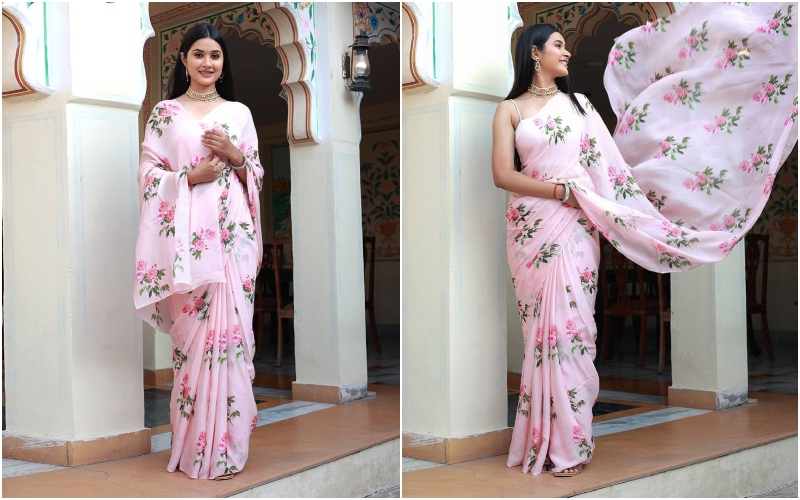
The Cultural and Spiritual Roots of Modest Fashion

Islam traditional dress has always been connected to where people lived and how they grew up. Faith gave it direction, but culture gave it colour and personality. That is the only reason why modest fashion looks different across the Muslim world.

Islam sets the idea of modesty, but it does not tell you what fabric or cut to wear. This allowed each region to create its own dress of Islam. From Turkish courts to Arab abayas to South Asian long dresses, each style followed the same belief but expressed it differently. These regional differences made arabic clothing traditional , rich and beautiful.

Climate has always played an important role in shaping Islamic clothing. In hot regions, loose and breathable garments allowed air to circulate and protected the body from the sun. In colder areas, modest dressing is adapted through layering and the use of warmer fabrics. Traditional muslim attire developed in harmony with the environment, balancing comfort, practicality, and modesty, while supporting everyday life and cultural values for Muslim women.

The Impact of Modern Life on Traditional Islamic Clothing

As cities grew and women became more active in public life, muslim traditional attire had to adjust. The typical muslim clothing was beautiful, but it did not always fit into modern schedules. That is exactly when change begins. Long hours at work, travel and daily runs meant women needed lighter and easier clothing. They could not manage heavy layers or even stiff fabrics of arabic clothing traditional anymore.

Designs became more flexible so you could walk, sit and move comfortably, and clothing began supporting your life instead of slowing it down. Instead of copying ancient Arabian clothing, designers began improving it. They kept the coverage but added better cuts and softer fabrics. 

Global Influence on Today’s Modest Wear

Global travel and social media connected Muslim women across the world. Suddenly, modern modest fashion was no longer limited to one country; it became shared, mixed, and creative. A hijab style in Indonesia could inspire women in the Middle East, while a Turkish outfit could influence fashion in Europe. This sharing of ideas made modest fashion exciting and fresh.

Women felt a part of something bigger than just their local community, following pre-Islamic clothing. Long dresses were worn with modern jackets. Abayas were paired with trendy shoes. But modest fashion began feeling young and stylish without losing its values. This blend made Islam and fashion more versatile and fun.

The Influence of Changing Women’s Roles on Modest Islamic Dress

Muslim women today live busy, independent lives. Their clothing had to grow with their responsibilities and ambitions. Women needed outfits that they could wear to work meetings and even social events. This is why long traditional muslim wear, modest trousers and dresses became popular.  Designs also became more functional, with lighter fabrics, smarter cuts, and easy layering for all-day comfort. Modest wear now supports confidence and self-expression , allowing women to move seamlessly between professional, family, and social spaces while staying true to the traditional fashion in Islam.

The Intersection of Faith, Fashion, and Identity

Modern modest fashion is deeply personal. Today, women choose how they express their faith through what they wear. Some love flowing styles, others love structured outfits. Both are equally valid in Islamic fashion. It is no longer about following one look; it’s all about wearing what feels right. Even modest fashion designers can help you choose clothes that reflect your lifestyle and personality. 

Social media and global fashion platforms have also empowered women to explore modest fashion tips. They can also share their unique modest styles with confidence. This freedom has turned modest fashion into a form of self-expression, where individuality, comfort, and belief come together naturally. 

How Designers and Social Media are Redefining Modest Fashion

If modest fashion feels more exciting today, a big part of that comes from designers and social media. They gave you a space where style could finally be seen and appreciated. Not too long, you had to make regular fashion work for modesty, but today you can follow modest fashion tips. Social media changes things even more. Instead of only seeing models in perfect studio photos, women now see real hijab girls sharing their everyday outfits and learn how do muslim ladies dress. You can see how they dress for work, brunch, travel and family events and get some modest outfit ideas.

For a complete guide on modest clothing in islamic and how modest fashion blends tradition with modern style, check out this detailed blog.

Islamic Fashion – Traditional Modesty to Modern Style

There was a time when modest fashion trends were expected to stay in the background. Today it is not the same anymore. Modest fashion stands out in the best way. Now you can use colours, layers, textures, and fabrics to create outfits that really feel like you. A soft scarf flowing dress, or a sharp blazer over a modest top, all of it tells you a story; it’s no longer just about covering your skin; it’s all about expressing your personality. Modest fashion has stepped confidently into the spotlight, embracing creativity without losing its values. Each outfit now reflects personal taste, culture, and confidence, turning Islamic culture dress into a powerful form of modern self-expression. Once you understand what is modest fashion is, you can easily implement the best trends!

Reviving Traditional Islamic Style in the Modern Era

The best part about modesty style is that it never forgets its roots. The old styles did not disappear; they just got a fresh update. Kaftans, abayas and long dresses are still around, but now they come in lighter fabrics, softer colours and better cuts. They are easier to wear in everyday life, whether you’re going to work or travelling. What makes this really special is that even with all these updates, the soul of clothing is still there. Besides women’s modest clothing trends, there are also men’s islamic clothing trends that you can check out.

Islamic fashion has come a long way, and honestly, it’s been a beautiful journey. What started as traditional clothing tied to culture and faith has grown into something creative and confident. Today, you don’t have to choose between minimalist modest fashion ideas and style anymore. You can get to have both, and you can get to dress in a way that feels respectful and true to who you are.