

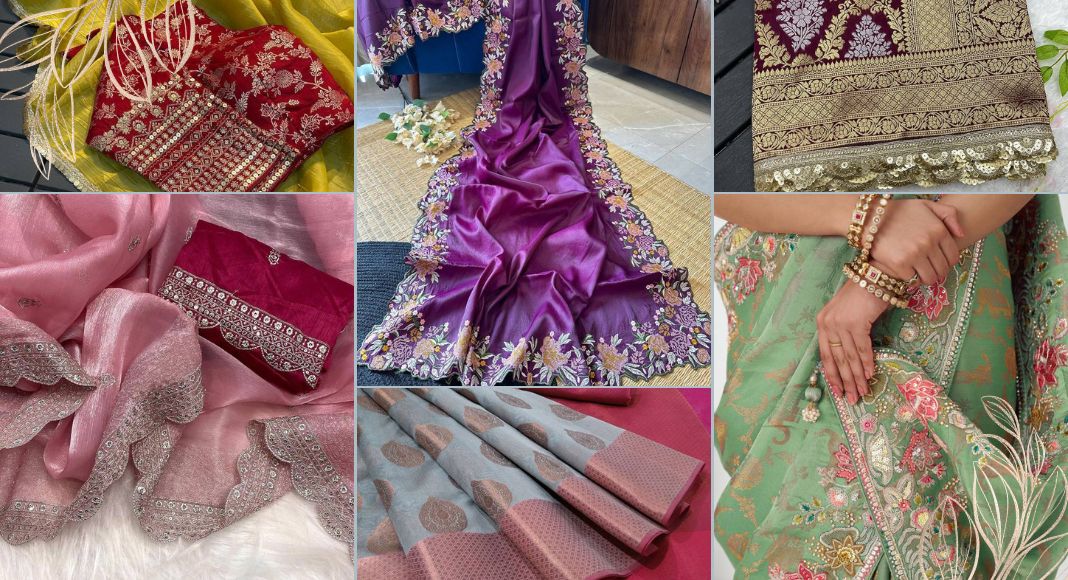
A saree looks flawless at first glance, but the real magic lies in the fabric used. Since the base fabric of the saree decides its fall and how comfortably you can drape it around. Another thing that has a great influence on the saree is the fabric used. Well, these factors together make saree shopping a hectic task.
Hence, it is very important to do quick research beforehand to have a proper understanding of the different types of fabrics. So, we have brought to you this informative blog that discusses the details of different saree fabrics.
1. Natural Fibre Saree Materials
Cotton Sarees
Cotton sarees are breathable and skin-friendly, and we get them naturally from the cotton plant. Citing its natural threads, cotton is extremely comfortable and is one saree which you will find in the wardrobe of every Indian woman. Cotton sarees are widely worn for daily wear and summer seasons as they absorb sweat well and keep the body cool throughout the day.

Silk Sarees
The next fabric that we get naturally and without which the discussion of saree material is incomplete is the silk saree. Whenever you talk about royalty or something which is a bit different from everyday wear, then silk pops out in your mind. Why so? Unlike other fabrics, silk sarees are blessed with a natural sheen and are highly durable, just like cotton. However, it requires high upkeep as compared to other fabrics.

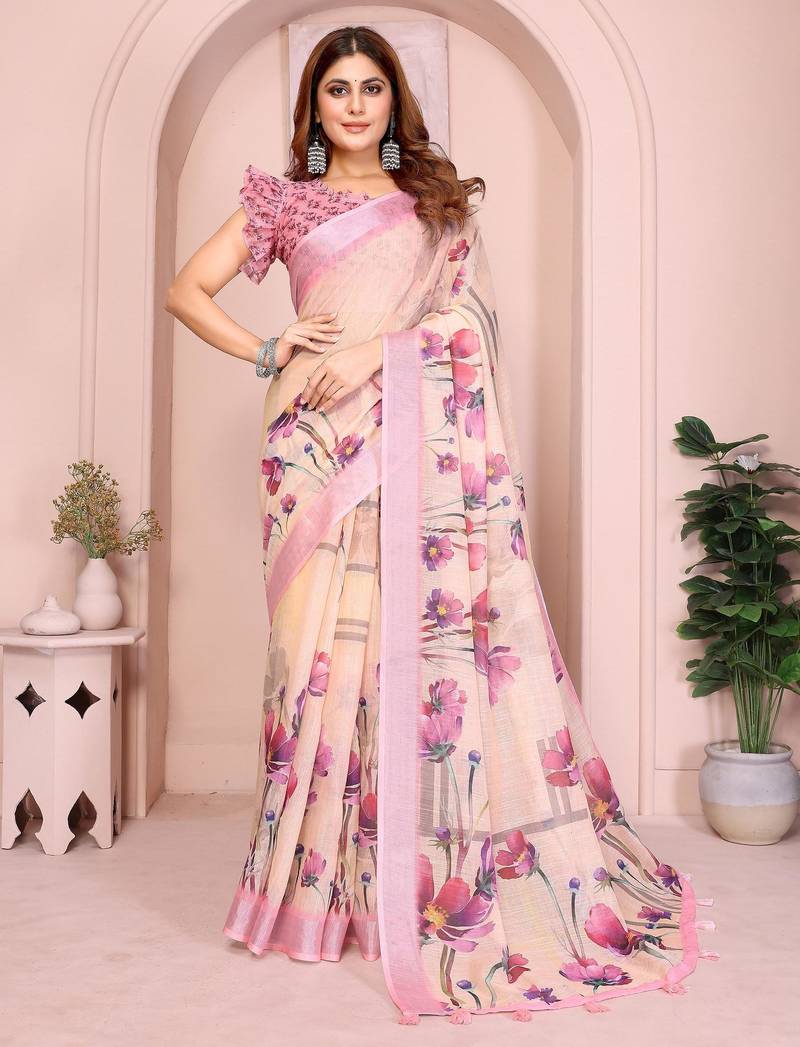
Linen Sarees
Flax fibres are the backbone of the linen sarees, which is why these features are under our natural fabric list. These have a very light texture, which is why it is a favourite during warm months. Also, a linen saree looks like a statement piece when you wear it with a blouse with a formal neckline.
Wool Sarees
Although not common, wool sarees are a must-have for those cold months. These are made with pure wool that provides warmth when it is cold outside. Some other designs that look attractive are the pashmina design.
2. Silk Varieties Used in Sarees
Mulberry Silk Sarees
The first on our list is the mulberry silk saree, which is procured from the silkworm. Since it is produced naturally, it is very difficult to get an original silk saree. Unlike other silk variants, the threads are pretty fine and uniform. This provides a smooth texture and rich look to the saree.
Tussar Silk Sarees
Tussar silk sarees have a slightly coarse texture compared to mulberry silk. However, it has its own place in the heart of a saree lover. Tussar silk has a slightly natural gold tone in its look, which makes it perfect for party wear. Presently, tussar silk sarees in metallic colours like gold, copper and even silver have ruled the market.

Banarasi Silk Sarees
A guide on sarees is incomplete without mentioning a bananasi silk saree. Talking about the saree, banarasi silk is somewhat soft, and it includes fabric like Bangalore silk, Crepe silk and even Dola silk. The design features a heavy silk base with detailed patterns, often inspired by floral and Mughal motifs. These sarees are popular bridal choices and are worn on weddings and grand celebrations.

Kanchipuram Silk Sarees
Kanchipuram silk sarees are woven using thick silk yarns, making them durable and luxurious. The saree features a heavy silk body with high thread density. It has a contrast with a wide zari border and a beautiful pallu, which is joined later. Some go-to designs in this saree include temple designs, checks, stripes, and florals woven in pure gold or silver zari.

Mysore Silk Sarees
Mysore silk sarees are made from lightweight and smooth silk fabric that makes them an elegant addition to your saree collection. The body of the saree is plain, and it comes in solid colours. However, its main USP is its narrow gold zari borders and a neatly finished pallu.

Raw Silk Sarees
Raw silk sarees have a slightly rough texture and a more natural feel. They offer an earthy and organic appearance, which makes them ideal for those who love aesthetics. Some popular designs in raw silk sarees are Banarasi, temple border and even Patola.

Art Silk Sarees
Art silk sarees are an affordable alternative to natural silk. These are budget-friendly and easy to maintain, which makes them a must-have for silk lovers who have a budget. However, these lack the softness of real silk and therefore work best for festive wear.

3. Semi-Natural and Blended Fabrics
Linen Silk Sarees
Linen is the gold when it comes to fabrics. This fabric has a beautiful crispness with the softness of silk. Linen is highly absorbent, therefore it easily absorbs sweat in summers which is why it is very popular. Linen silk sarees have light colours that make them apt for formal wear.
Silk Cotton Sarees
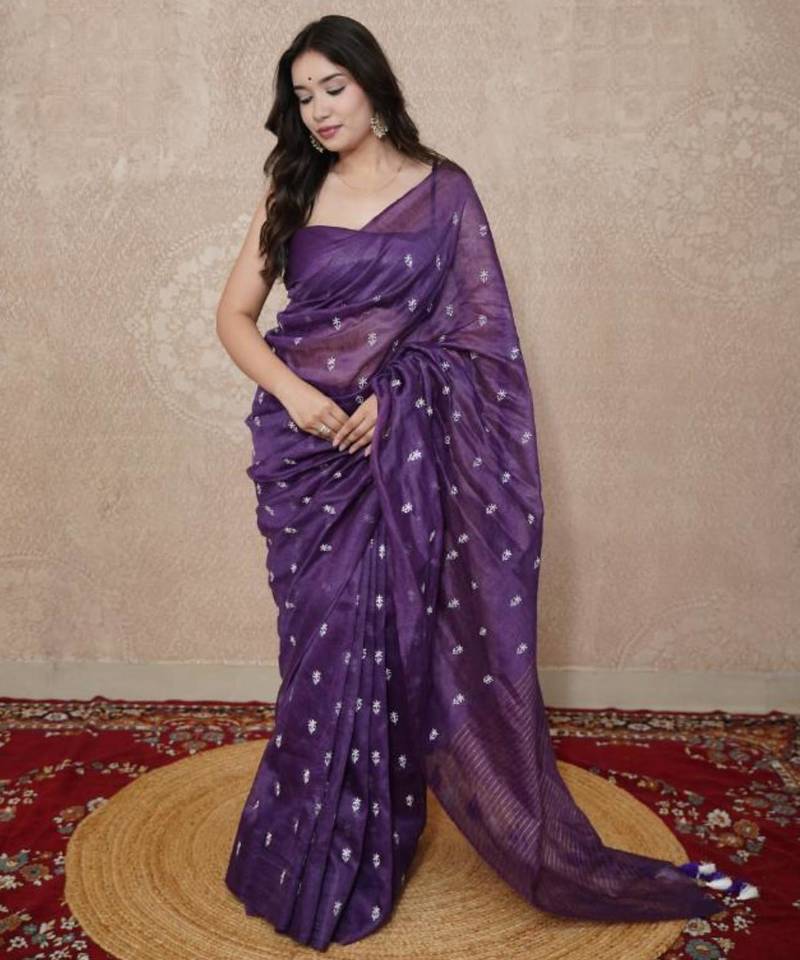
Silk cotton saree is a perfect office wear due to its pretty look. These sarees are made by combining threads of silk and cotton. These are less heavy than silk and less stiff than cotton, which makes them perfect for long hours.
Georgette Sarees
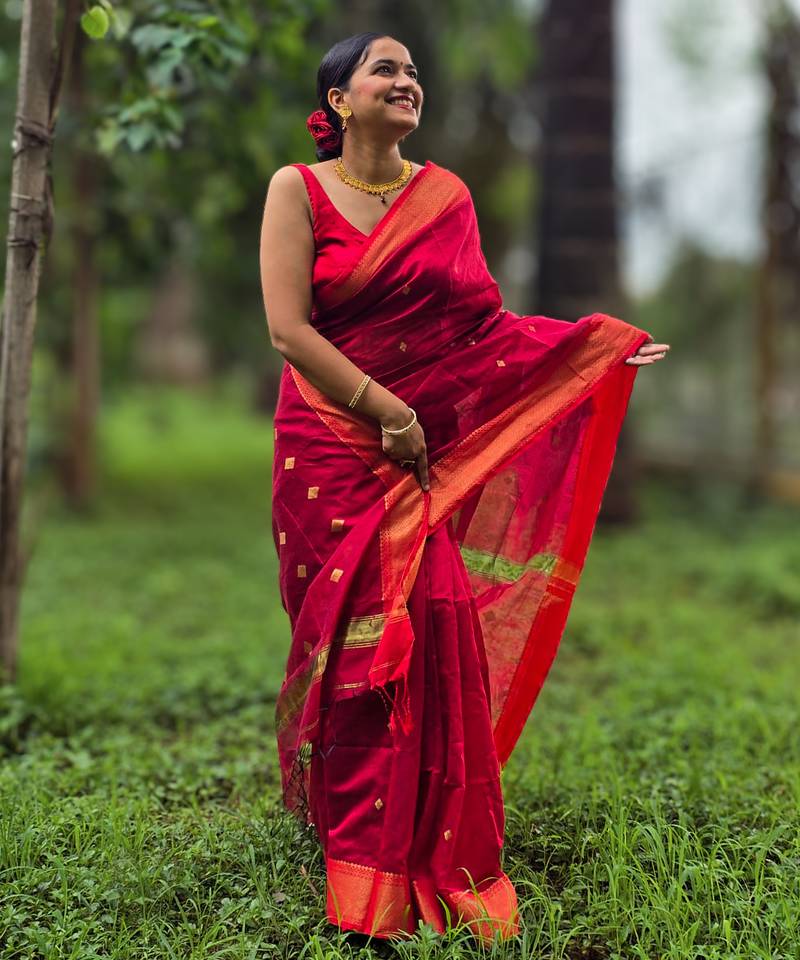
Georgette is often confused with chiffon, but the former has a slightly grainy texture. However, similar to chiffon, this is also a fancy fabric and works perfectly for both daily wear and party sarees. The fabric has a very pretty fall, therefore it does not stick to the body. This fabric is suitable for women with a curvy body as it adds structure.

Chiffon Sarees
Chiffon sarees are soft, sheer, and flowy, creating a graceful and smooth drape. The fabric feels very light on the body, making it ideal for long events. However, chiffon needs careful handling as it can slip easily. This fabric is lightweight and works best for warm months.
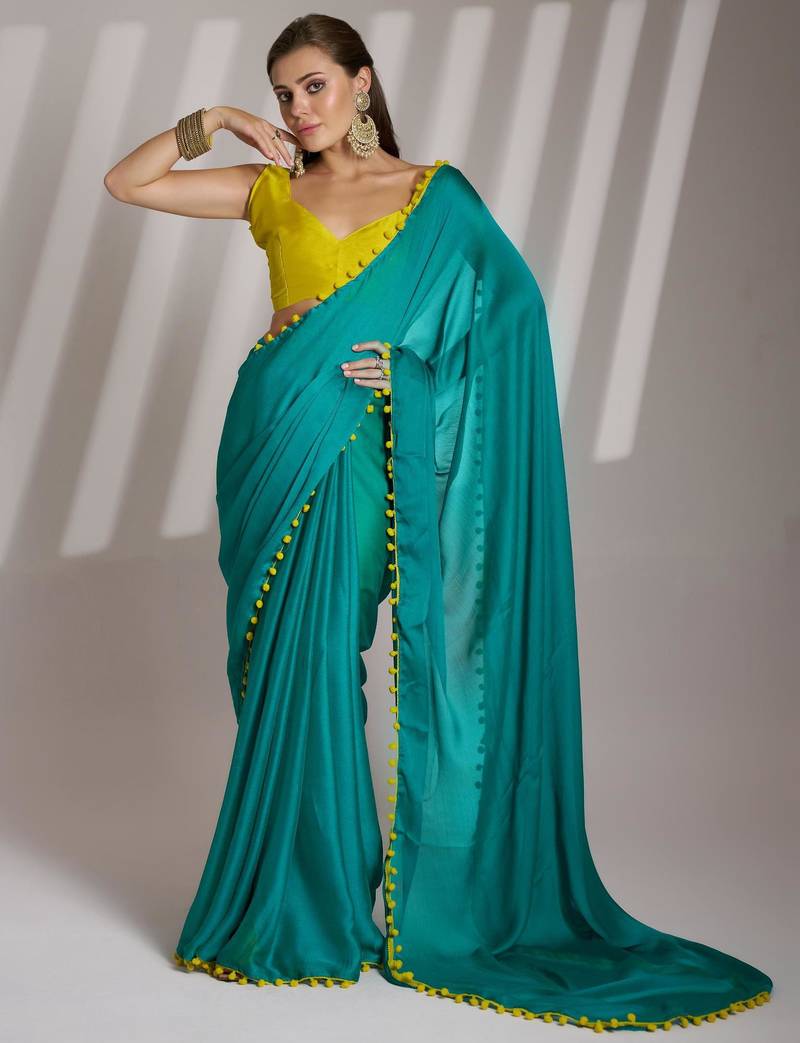
Crepe Sarees
Crepe sarees have a crinkled surface, which provides good grip and prevents slipping. They are comfortable to wear and easy to manage, especially for beginners. Crepe works well for office wear, daily use, and travel due to its practicality.
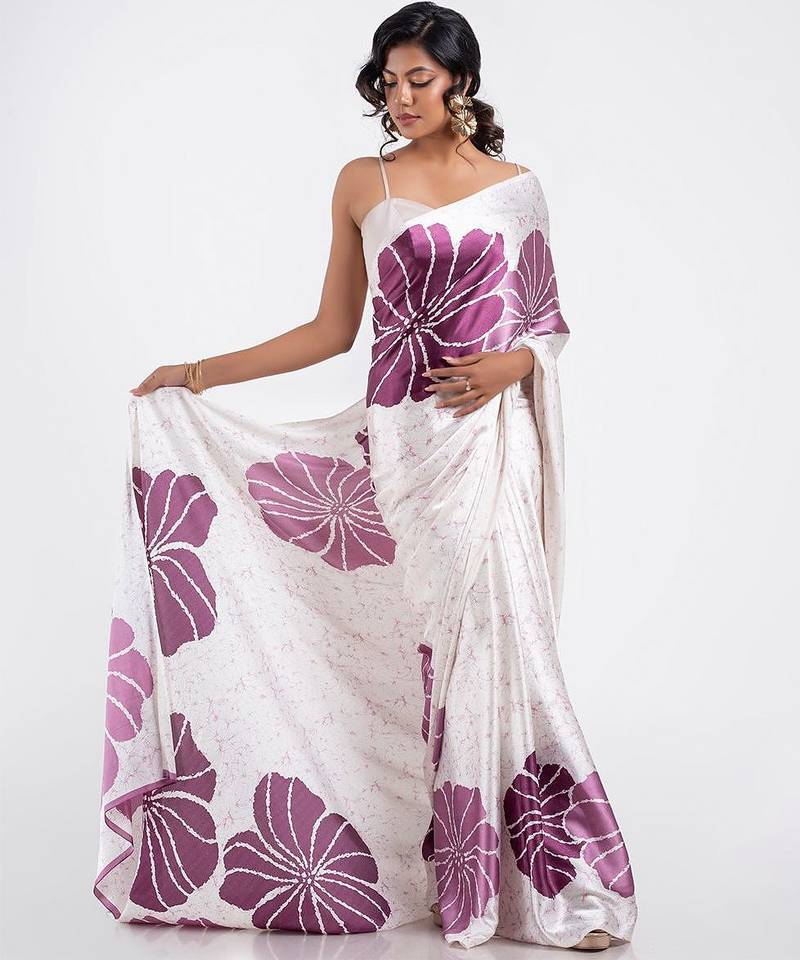
Satin Sarees
If you love gloss, a satin saree is something that you must have in your wardrobe. The sarees have a natural fluidity and flow that makes them luxe. These sarees are best suited for evening parties for their beauty. However, you have to be cautious as it creases very easily.

Net Sarees
Net sarees are made from a sheer fabric with an open weave. These sarees feature heavy embroidery with sequins, pearls and even rhinestones. However, net fabric is very lightweight and transparent, and therefore it requires a solid lining.

Nylon Sarees
Nylon sarees are known for being strong and stretchable, which makes them durable. They are less prone to wrinkles and are easy to maintain. Nylon sarees are suitable for women who like practical and low-maintenance pieces.
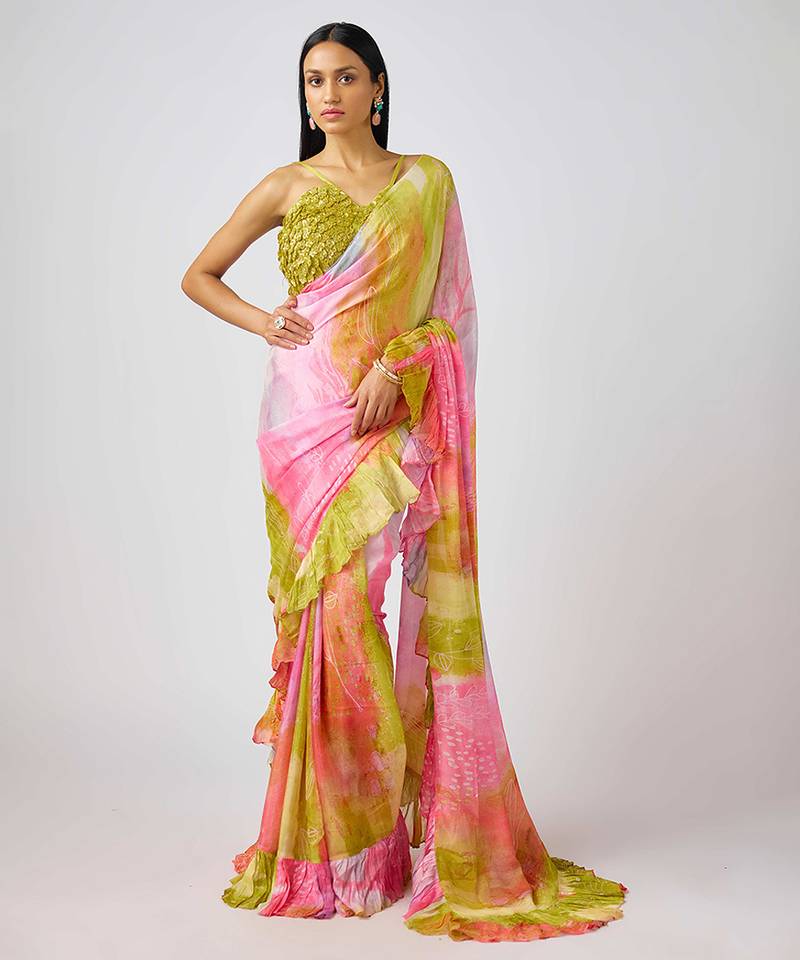
Polyester Sarees
Polyester sarees are budget-friendly and highly durable. They retain colour well, resist wrinkles, and are easy to wash and store. While they may lack the softness of natural fabrics, they are a practical choice for regular use.
4. Sheer and Lightweight Saree Fabrics
Organza Sarees
An organza saree is something that never fails to impress a new bride. It has a thin and crisp fabric, which has its own beauty. The fabric has a beautiful fall that makes the pallu look pretty. Also, organza has a very subtle shine that makes it suitable for an ethnic look.

Tissue Sarees
Looking for a royal look? Then, tissue sarees are something that you cannot miss. The sarees are very lightweight and feature a pretty metallic shine. This shine is mainly due to the metallic threads that are woven into the fabric. Tissue is also a very soft fabric; it looks very graceful when you wear it in the right way.

Kota Doria Sarees
A Kota Doria saree features a square check weave pattern known as khat. The fabric is lightweight, which makes it perfect for hot and humid weather. Kota Doria saree has a fluffy look and in dark cheerful colours, it looks like a dream on a new bride. The USP of this saree is that it is made with pure cotton fabric, so it works beautifully for daily wear and office wear.

5. Traditional Handloom and Regional Fabrics Sarees
Ikat Sarees
You cannot miss ikat design when discussing the premium saree materials. This is made using a yarn-dyeing technique wherein the designers dye the threads before weaving. The result in a blurred and feathered pattern edges the signature of ikat. These are suitable for cultural occasions.

Jamdani Sarees
The charm of a jamdani saree is something that is unmatched. This is a pure handloom saree made over a fine muslin base. The saree also features floral and geometric motifs that lend it a delicate appearance.

Chanderi Sarees
Coming from the heartland of Madhya Pradesh, Chanderi sarees have made their mark in the saree industry. The sarees are made from a combination of silk and cotton blend. This leads to a subtle shine and a lightweight texture. The saree features small motifs and simple borders, therefore you can carry it to day functions, office parties and festivals.

Paithani Sarees
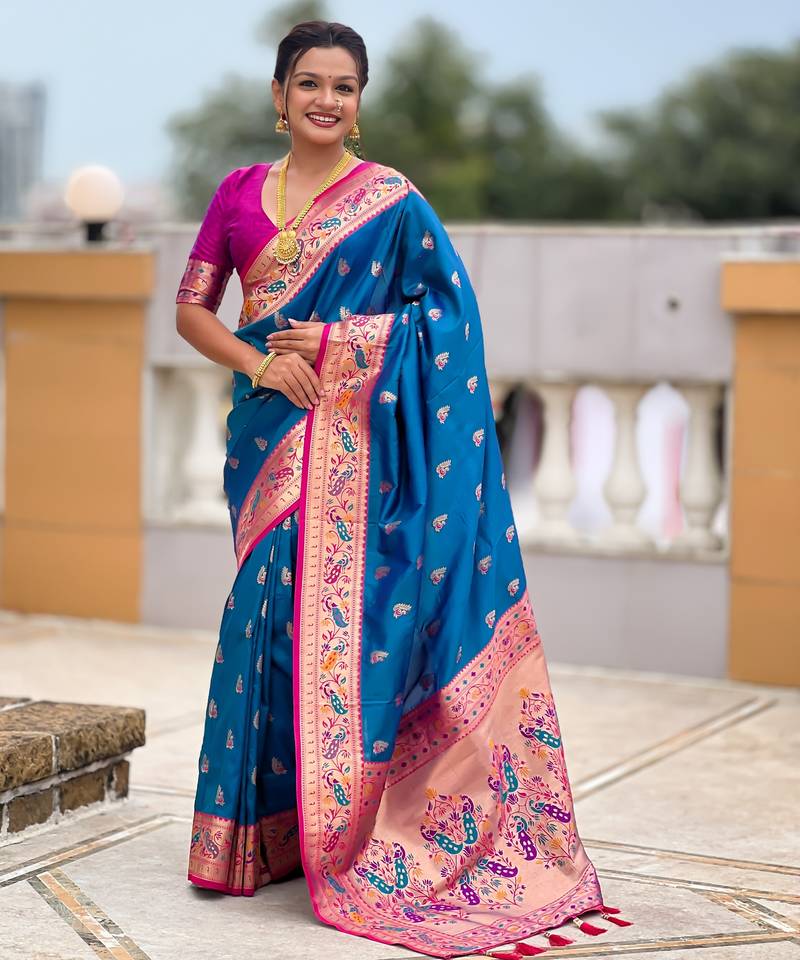
Paithani sarees are the pride of Maharashtra. The main USP of the saree is its rich silk base and heavily detailed pallu that features peacock or lotus motifs on it. These sarees are a heirloom piece for Marathi women, and they wear them during weddings and religious ceremonies.
Sambalpuri Sarees
The last on our list of the best sarees is a Sambalpuri saree. This is made using the tie and dye technique that leads to a clear and symmetrical pattern all over it. This is a popular saree which you can find in Odisha. The design and look of the Sambalpuri saree is such that it looks beautiful for both work and ethnic wear.
6. Speciality and Modern Saree Fabrics
Velvet Sarees
The first modern fabric saree that we consider is the velvet saree. This saree is known for its thick and plush texture and luxe look. The fabric has a heavy drape, therefore you can wear it to weddings receptions in winter.

Denim Sarees
Who says denim fabric is just for jeans? Yes, now women prefer sarees made with denim as well. The presence of denim fabric makes it a durable and easy-to-carry fabric. These sarees are for women who do not shy away from experimentation. Just wear denim sarees with contrast blouses to look perfect on a casual outing.
Khadi Sarees
These have been a part of everyone’s wardrobe back in the 80s. But guess what, these are back in trend for their unmatched beauty. These sarees are made from handspun fabric, which makes them different from others. Also, khadi is made with naturally grown fabric; therefore, it is ideal for Indian summers. The fabric grows softer with use and makes it suitable for office wear and daily use.
Modal Sarees
These sarees are made from regenerated cellulose fibre, which we get from the pulp of beechwood. These fibre provides soft and smooth texture to the saree. What makes model sarees different from others is that they drape beautifully on the body, and you can wear them regularly.
Viscose Sarees
Viscose sarees are not made from natural fabric, but rather they are produced from a semi-synthetic fibre. Using synthetic fibre helps to get a silk like appearance. This makes the sarees look beautiful but at a 1/3rd cost of a silk saree. Also, viscose needs gentle washing to prevent fibre loss.
How to Choose the Right Saree Material
Here’s how to select the perfect saree fabric based on practical factors:
Weather and Climate
Weather is one of the important factors to consider when choosing a saree. If you live in a hot or tropical city, then cotton, linen and chiffon are great additions for your wardrobe. Cold climates go well with silk, velvet and wool-based sarees.
Comfort and Wearability
Now, sarees do not need to be always boring and soft. Some sarees are also heavily embellished, which might look good, but sometimes are difficult to carry. Therefore, you should choose sarees which are comfortable to carry and on the skin also.
Maintenance Needs
The last factor to keep in mind when choosing saree material is the maintenance it needs. However, this totally depends on the fabric of the saree. Sarees made of cotton, polyester and blended fabrics are low maintenance; therefore, these are buy-worthy for working professionals. While, silk, organza and embellished sarees need regular dry cleaning. Therefore, you have to be very careful with these delicate pieces.
Saree Fabric Care Basics
Understand Fabric Needs
Each saree fabric requires a different washing method. Cotton and linen sarees can usually handle gentle hand washing in cold water. While silk, chiffon, and georgette should be dry-cleaned or washed very carefully.
Use Mild Detergents
Your sarees are not made for those powdery detergents, as they can build up and develop a white film. Therefore, choose mild liquid detergents as it helps to retain the softness of the saree. Similarly, always choose cold water as it prevents the shrinking of fabric.
Proper Storage
The third factor that keeps your saree new for a long time is proper storage. Never dry it in direct sunlight as it can damage its colour. Similarly, use cotton or muslin cloth bags to prevent moisture buildup.
Careful Handling of Delicate Sarees
There is a unique way to handle every saree as each fabric is different. However, one thing that one can do is to avoid pulling fabric as it can damage its threads. Also, be careful when you iron or heat the saree to retain its amazing shine.
Regular Maintenance
Sarees, which are kept folded for a long time, often develop a smell. However, you should make a habit of airing these sarees to prevent this smell. Experts also suggest keeping some dried neem leaves to prevent insects.
Conclusion
On a final note, having a proper understanding of saree fabrics helps you to make shopping easy. You have an insight into how each material will look and feel, and whether it is perfect for a particular occasion. Understanding saree fabrics makes shopping easier and more satisfying. When you know how each material looks and feels, you can choose a saree that suits the occasion, weather, and your comfort. Every fabric offers a different drape and style. Explore a wide range of sarees in different fabrics on Mirraw and find the perfect saree that matches your style and needs.