

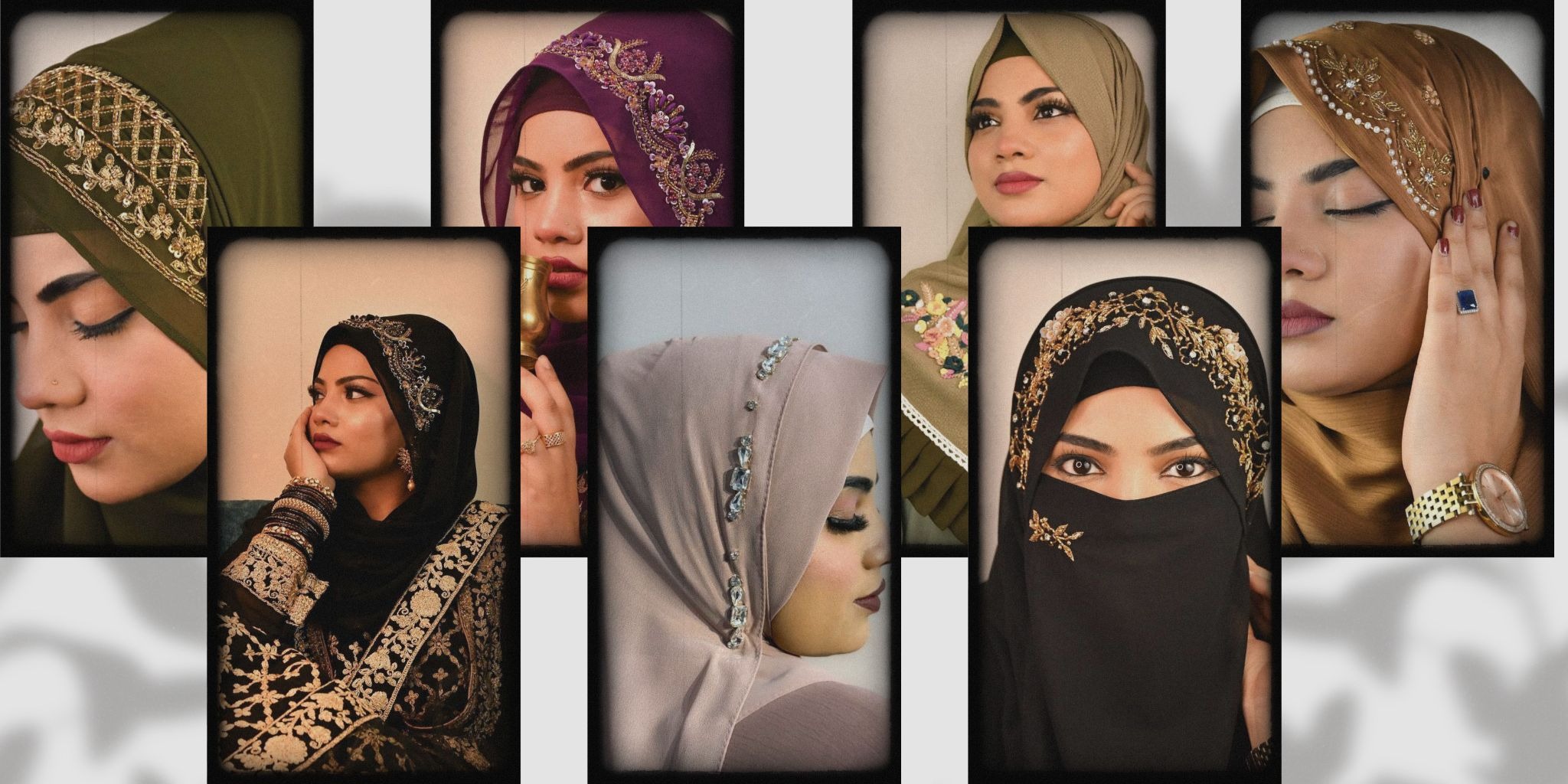
In Islam, high importance is placed on modesty. These principles include modest dress as well. Muslim women wear the Hijab as a head covering. Contrary to popular belief, the custom of Hijab is not forced on anyone. Muslim women wear this head wrap to showcase their adherence to Islamic rules and to embrace modesty. It is a physical representation of their devotion to Allah.
Hijabs have been around for centuries. However, the earlier Hijabs were just simple scarves made out of cloth. As the years have gone by, the hijab, just like other Islamic clothing, has seen a transformation. This piece of Islamic wear is prevalent in Muslim regions all over the world. Thus, it has absorbed the culture, traditions, and styles of different regions beautifully. In 2026, we have everything from the Chador in Iran to the Burqa in Afghanistan. Today, in this blog, we will explore various regional variations in the Hijab and take a closer look at them.
Hijab Styles In The Middle East
Hijab fashion in the Middle Eastern countries of Saudi Arabia, Iran, and the UAE emphasises both elegance and modesty. They feature high-quality, flowing fabrics like chiffon and satin that give a soft drape. Some of the common Middle Eastern Hijabs are:
- Shayla: This is a long rectangular scarf that is immensely popular in the UAE. It is typically wrapped around the head and pinned. The ends are left to drape over the shoulders.
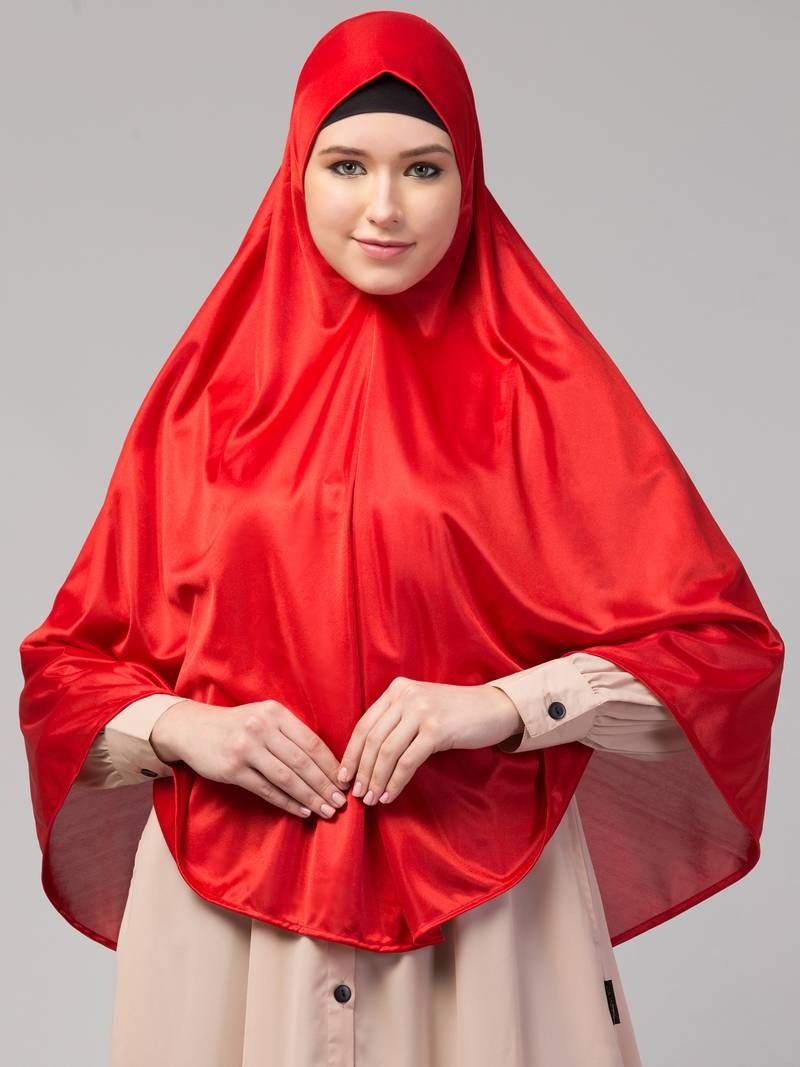
- Khimar: The Khimar is a Muslim hijab that is long and flowy. It covers the hair, neck, and shoulders, and often extends to the waist. Popular for its ease of use and full coverage, this hijab style is mainly seen amongst Saudi women.
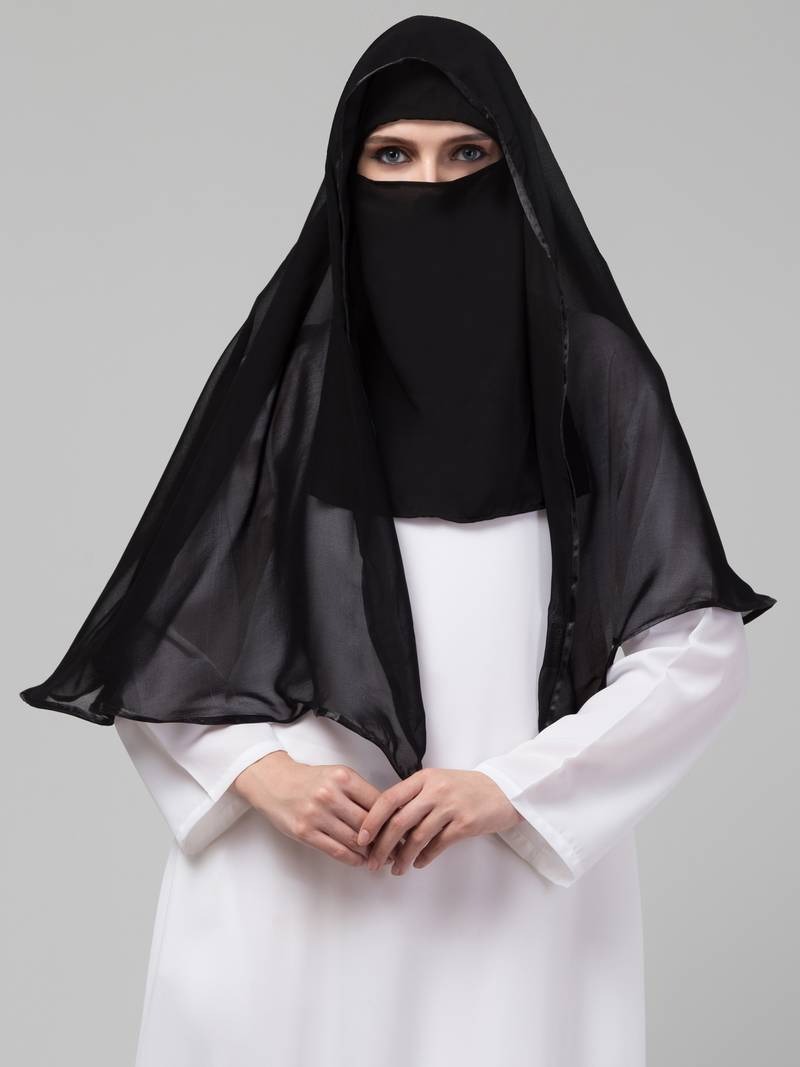
- Niqab: This is a full face covering that only leaves the eyes visible. The niqab is worn along with other head coverings. Saudi Arabian and Yemeni women prefer this style.
- Turban Style: This chic and modern style is often donned in professional or fashionable settings. In this style, the scarf is wrapped tightly around the head.
Hijab Styles in South Asia
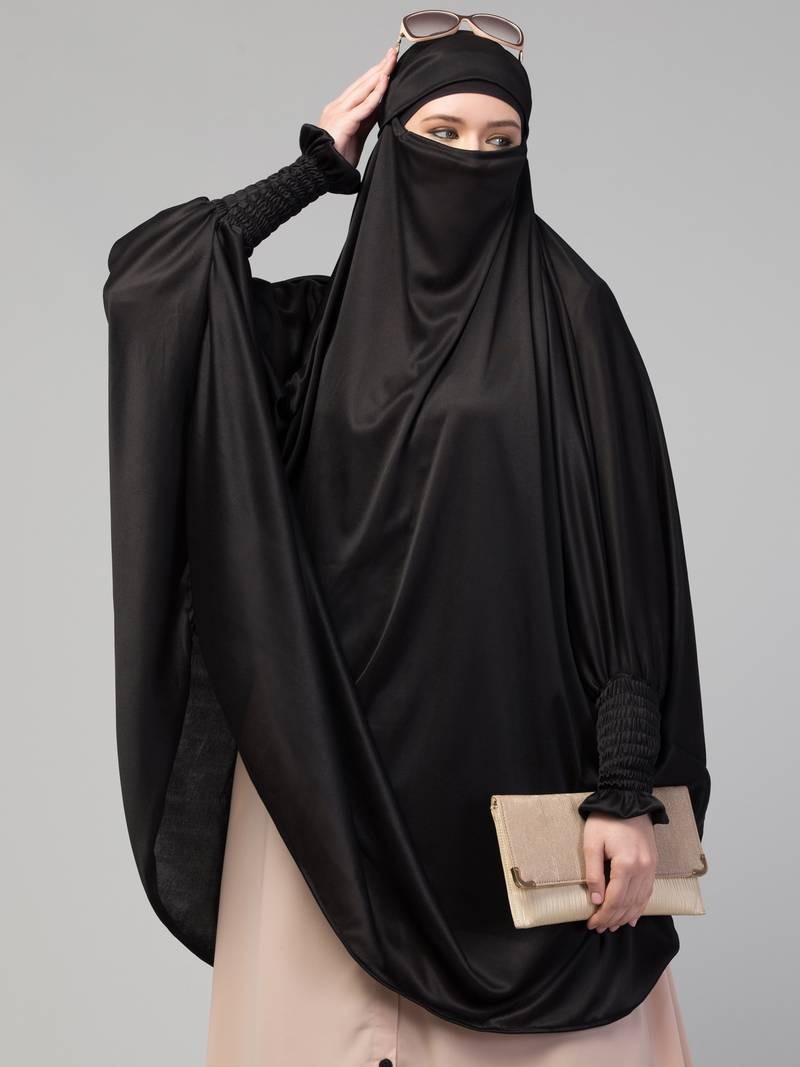
In South Asian countries of India, Pakistan, and Afghanistan, the Hijab ranges from full body coverings to modest head scarves. Some common types include the burqa, the abaya, and the dupatta. Let’s explore some of them in detail:
- Burqa: Prevalent in Afghanistan and parts of India and Pakistan, this is a full-body covering. It also comes with a mesh screen for the face and provides full modesty.
- Dupatta: The dupatta is a huge part of South Asian culture and is worn with many traditional garments, like the Kurta pajama. It is elegantly draped over the head for coverage. The dupatta is often covered with sequins and embroidery, making it popular as daily wear and bridal hijab.
- Abaya: This is a robe-like garment renowned for its style and comfort. It is loose and is worn over clothing as an added layer of modesty. Women from all walks of life in India, Pakistan, and Bangladesh wear it regularly.
- Pre-Stitched Hijab: The modern woman is always on the go, leaving her with little to no time to wrap a hijab. This is where pre-stitched hijabs come into the picture. These modern hijab styles are pre-stitched and can be slipped on with ease. They are a perfect blend of modesty and convenience.
Hijab Styles in South East Asia
South East Asian countries of Indonesia, Malaysia, and Brunei have their unique Hijab styles that are both fashionable and modest. They are usually neat, close to face shapes that provide stability and a tidy appearance. Here’s discussing some of them:
- Tudung: This Hijab style covers the hair, neck, and chest while leaving the face visible. It is often pre-stitched or semi-stitched and is easy to slip on. It is designed for a neat and modest coverage. The Tudung is often paired with the Baju Kurung or other modest outfits.
- Jilbab: An important part of Indonesian Muslim culture, this hijab provides modesty by covering the hair. It can be a scarf or a full-length garment. Indonesia Jilbab focuses on fashionable draping, soft fabrics, and modest styling.
- Bawal: This is a popular square hijab worn in Malaysia and Indonesia. It is folded diagonally into a triangle and then pinned neatly under the chin. Bawal is styled with clean, structured lines and is considered to be the most iconic hijab style in Southeast Asia.
- Kain Dagang: It is a long rectangular piece of fabric that is used to cover the head and sometimes draped over the shoulders. It is traditionally worn by women outdoors, for shopping or traveling. It is loosely wrapped and draped naturally without pins.
Hijab Styles in North Africa
Hijab style in North African countries like Morocco, Egpyt and Tunisia has been majorly impacted by the climate, colonial history, and local craftsmanship. The region blends Arab, Berber, and Mediterranean influences that have resulted in hijab fashions that are elegant and practical. Let’s take a closer look at some of them:
- Haik: This is a large white wrap that is traditionally worn as a full-body covering. It is draped over the head and wrapped around the body. Traditionally worn in Alegria and Morocco, it is often paired with a face veil such as a Niqab or Aadjar.
- Al-Amira: This hijab style is worn in Egypt and other North African countries. It is a two-piece hijab comprising a fitted cap and a tube-style scarf. It is very easy to wear and manage, making it ideal for daily wear.
- Berber Headscarf: The Berber Moroccan hijab is found mostly in the rural and indigenous communities. This style is vivid and colorful and is paired with traditional Amazigh jewelry. It is a mirror showcasing ethnic heritage.
- Maghrebi Turban: This iteration of the headscarf can be considered to be Hijab streetwear. It dominates the fashion communities of Morocco, Tunisia, and Egypt. The Maghrebi turban covers the hair and is styled upwards. It is often paired with contemporary modest outfits.
Western and Modern Hijab Trends
As Islam has spread all over the world, Western countries have also started adopting the Hijab. However, they are doing so with a twist. They are introducing newer, modern ways to wear the headwrap while keeping its core modesty intact. Here are some Western and modern Hijab trends:
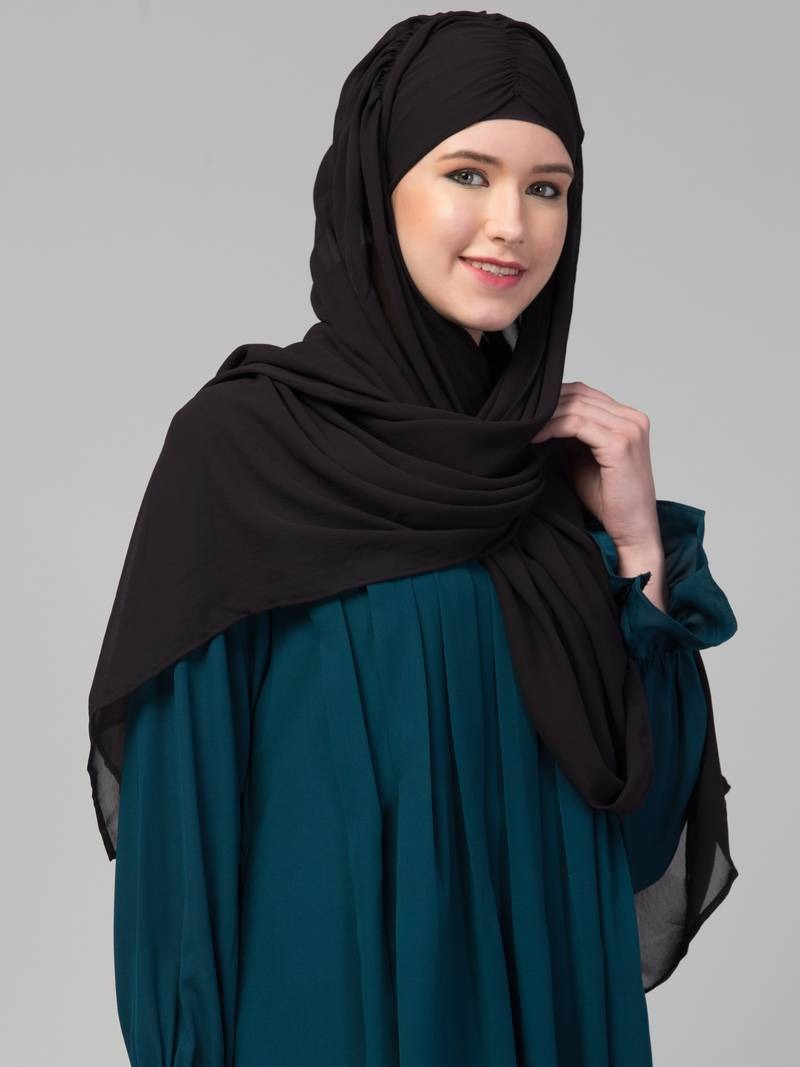
- Minimalist Draping: Modern Western styles highlight clean lines and are composed of lightweight fabrics such as chiffon, modal, and jersey. They often come in neutral shades like beige, soft pastels, black, and grey. The Hijab is loosely wrapped around the head and then tucked into modest fashion clothing.
- Turban and Structured Wraps: Turban-style hijabs are all the rage in Europe and North America. This hijab style is paired with tailored outfits and statement earrings. Influencers and celebrities are often spotted wearing this trend.
- Sporty and Casual Hijabs: Modest fashion Hijab style has gotten a major update with sporty and casual hijabs. Activewear hijabs have taken over, especially with more and more Muslim women making their way into sports. Breathable, slip-on Hijabs are becoming more commonplace.
- Luxury and High Fashion Influence: Muslim fashion influencers and fashion houses have had a major impact on Hijab styles of today. Details such as silk scarves, designer monogram prints, and structured tailoring have become commonplace.
Hijabs For Special Occasions
Since each Hijab styles are so vastly different from the other, not all Hijabs suit all occasions. While you may want a fuss-free headwrap for everyday wear, you would definitely go for something ornate for weddings or festivals. Here are different Hijab styles that suit different occasions:
- Weddings: Wedding hijab styles feature luxurious fabrics and elegant styling. You can go with silk or satin hijabs for a glossy finish or organza for structured volume. Another great pick is a lightly pearl or sequin embellished chiffon hijab.
- Eid Celebrations: Eid fashion is elegant and effortless. Some top picks for Eid are pastel chiffon hijabs, silk printed hijabs, and Hijabs in subtle shimmering fabrics. Go for soft drapes with delicate accessories to keep the look sophisticated and festive-ready.
- Formal Dinners and Parties: The hijab brings a perfect blend of modesty and fashion to these events. Keep things simple with a neat, plain hijab. Pick out wraps in dark-toned silk or satin. Opt for metallic accents or statement brooches to stand apart.
- Religious Gatherings: While dressing up for a religious gathering, the focus should be modesty and comfort. You can choose a Khimar hijab for full coverage. Lightweight cotton or jersey hijabs are also a great option. Embrace simplicity with neutral or muted shades.
Global Fusion and Social Media Influence
Global fusion in hijab fashion is a stunning example of how the headwrap has evolved through geographical boundaries and cultures. Today, hijabs are not confined to one region. Modern hijab trends are showcasing a blend of Middle Eastern elegance, South Asian softness, and Western minimalism. Here are some ways the Hijab has truly become global:
- Cross-cultural style blending: The modern hijab is a blend of multiple cultures. Flowy hijab styles from Saudi Arabia, pastel hues from Malaysia, and street style layering popularly found in the US and UK all come together to build the hijab of today.
- The Power of Social Media: Social media platforms like Instagram and TikTok have taken the hijab fashion world by storm. They showcase new and innovative techniques to wrap hijabs, promote modest fashion, and ensure that trends go viral around the world.
Influencer and Brand Collaborations: Modest fashion houses are now partnering with influencers to showcase their latest hijab collections. These collections often reflect minimalist palettes, premium fabrics, and easy-to-wear silhouettes.