Home Blog

From Kurta Pyjamas to Nehru Jackets: Best Raksha Bandhan Outfit Ideas for 2025

0

Raksha Bandhan 2025 is just around the corner. With the anticipation of the festival, also comes the question of what to wear! After all, this holy festival celebrates the bond between a brother and a sister. The sister ties a Rakhi on her brother’s wrist and seals the promise of protection and love from her brother. Whether it is for Insta-worthy photos or the excitement of meeting your loved ones after a long time, you definitely want to look your dapper best. With Raksha Bandhan 2025 falling on 9th August, it is time to start planning your outfits. We know how overwhelming this can get, hence Mirraw has compiled a list of Raksha Bandhan outfit ideas 2025 that will guide you. Scroll further to know all about men’s Raksha Bandhan dress ideas 2025. 

Here are Some Popular Best Raksha Bandhan Outfit Ideas

Kurta Pajama

Raksha Bandhan Outfit Ideas - Kurta Pajama

Kurta pajama for Raksha Bandhan is that classic outfit that you can never go wrong with. This classic attire is both stylish and comfortable. Made out of comfortable fabrics such as cotton or linen, kurta pajamas speak of quiet sophistication. You can go for varieties such as solid colored, printed, or ombre kurta pajamas to keep things stylish. Pair with classic mojaris or Kholapuri chappals to exude elegance. 

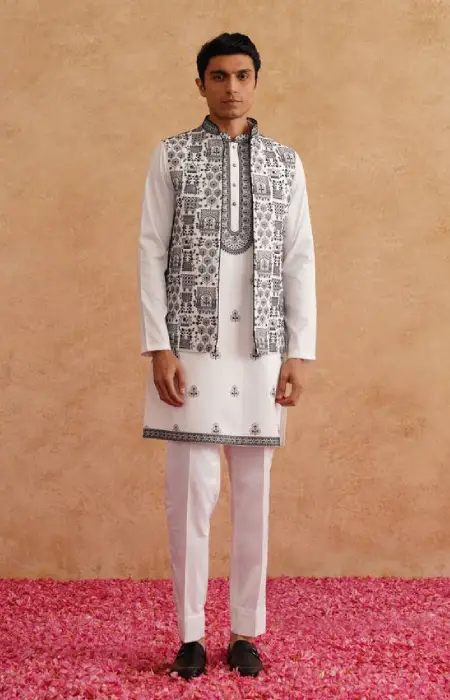
Nehru Jacket

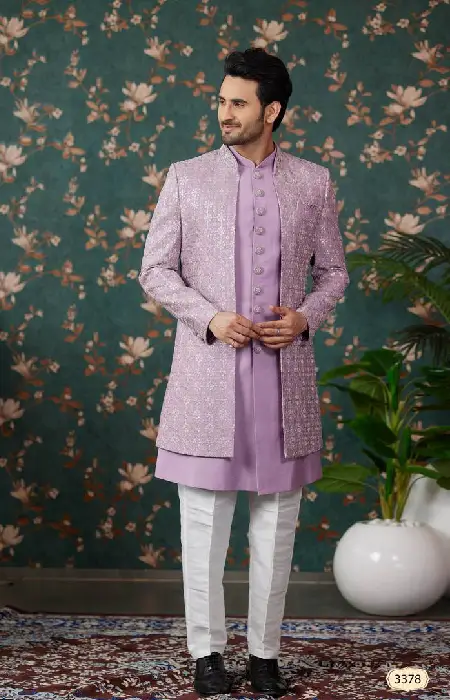
Raksha Bandhan Outfit Ideas - Nehru Jacket

Add a layer of elegance to your humble kurta pajama by pairing it with a trendy Nehru jacket. The Nehru Jacket Raksha Bandhan look is making all the waves in 2025 fashion. It strikes a perfect balance between tradition and modernity and is the go-to look for many modern men these days. Nehru jacket sets come in varieties such as embroidered, floral, and printed. Choose one that matches your vibe and get festive-ready in minutes. 

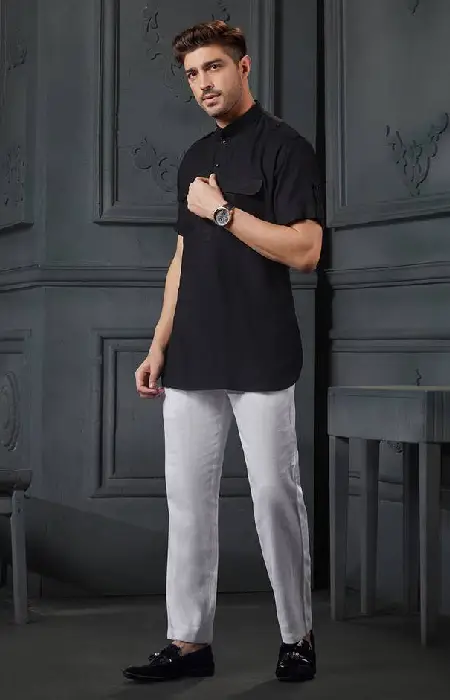
Short Kurtas

Raksha Bandhan Outfit Ideas - Short kurtas

One of the best men’s Raksha Bandhan dress ideas 2025 is the short kurta. These versatile style options strike the perfect balance between traditional aesthetics and contemporary flair. Usually falling to hip or mid-thigh level, the short kurta is perfection personified. While adorning this kurta, the traditional pajama is replaced by chinos or denims. They are also lightweight and comfortable, making them suitable for long family functions. Coming in varieties such as solid, printed, and even denim, there is a short kurta for every taste and style preference.

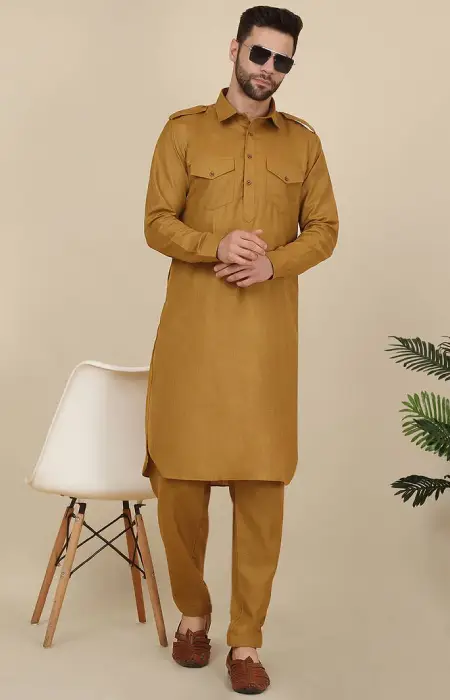
Pathani Suit

Raksha Bandhan Outfit Ideas - Pathani Suits

When it comes to Indian outfits for Raksha Bandhan, nothing can top the elegance of a Pathani suit. They give off a vibe that is masculine, bold, as well as traditional. These usually consist of a full-sleeved kurta paired with matching pants. These Pathani Suits usually come in dark colors such as Olive green, grey, and black. Taking minimalistic fashion to the next level, make these your Raksha Bandhan outfit this year, and trust us, you will charm everyone with your style.

Indo-Western Sets

Raksha Bandhan Outfit Ideas - Indo Western Suits

These sets bring together traditional wear and modern tailoring. They are perfect for you if you want to look festive without looking overly formal. Their laid-back style makes them perfect for festivals like Raksha Bandhan. They come in a variety of patterns. These Indo-Western dresses include asymmetrical kurtas with trousers, draped kurta with jackets, Cowl kurta with pants, and countless other styles. They are often crafted from luxe fabrics like raw silk, brocade, or velvet, making your outfit even more special. Try a fusion look for the Raksha Bandhan festivities and get compliments from all your sisters.

15 Types of Sherwani Styles for Grooms to Shine on Their Wedding Day

Long Kurta With Dhoti Pants

Raksha Bandhan Outfit Ideas - Long Kurtas

This combination is perfect for the men who would like to keep it traditional this festive season. The Dhoti-kurta pairing has been around for centuries now and still holds its rustic charm. One of the best Rakshan Bandhan outfit ideas 2025, choose it if you want to look regal and stately all in one. You can opt for kurtas in amazing colors such as mustard, navy, and cream, and match your dhoti with them. Accessorize with an elegant watch or a kada, and your festival look is ready in an instant. 

Bandhgala Suits

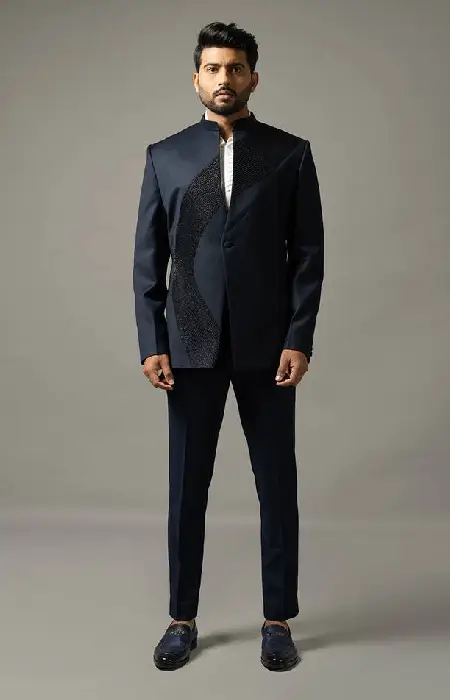
Raksha Bandhan Outfit Ideas - Bandhgala

If you are going for a regal look this Raksha Bandhan, try out a Bandhgala Suits with tapered trousers. This outfit is polished and royal and is sure to capture everyone’s attention. The jacket is crafted out of luxurious fabrics such as raw silk, jacquard, and velvet.  Style it with some leather loafers or juttis and enjoy compliments all evening. 

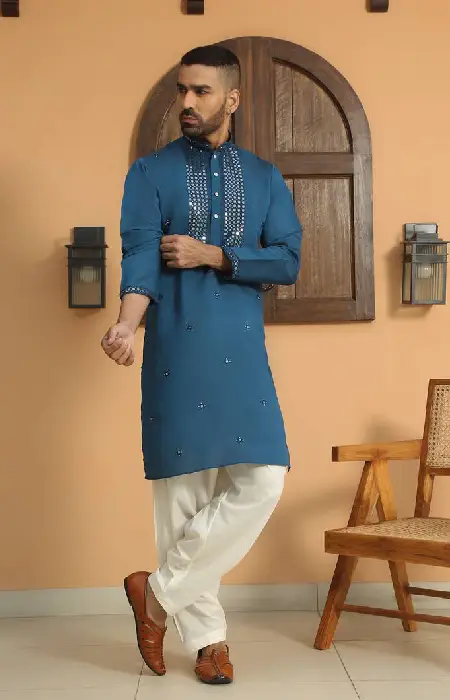
Mirror Work or Embroidered Kurtas

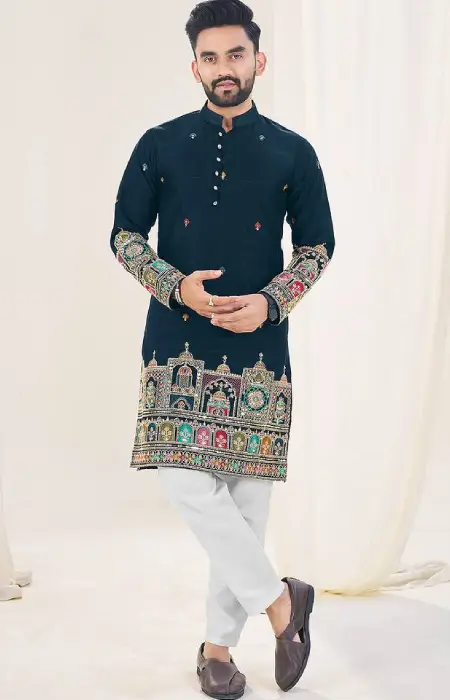
Raksha Bandhan Outfit Ideas - Embroidered Kurtas

Kurta pajama for Raksha Bandhan doesn’t have to be plain and simple. You can choose kurtas with chikankari work, mirror detailing, or even intricate threadwork. These look the best in contemporary colors such as pastels or deep tones like navy, black, or maroon. You can match these stylish kurtas with a variety of bottoms. These include trousers, churidars, and denim. Put your best style foot forward this festive season, and look your handsome best.

Thus, dressing up for Raksha Bandhan is not just about clothes; it’s about celebrating the festival through your attire. Make sure these Raksha Bandhan Outfit Ideas reflect the vibe of the festival as well as your personality.

Best Abaya Styles 2026: Modern Abaya Fashion Every Woman Should Try

0

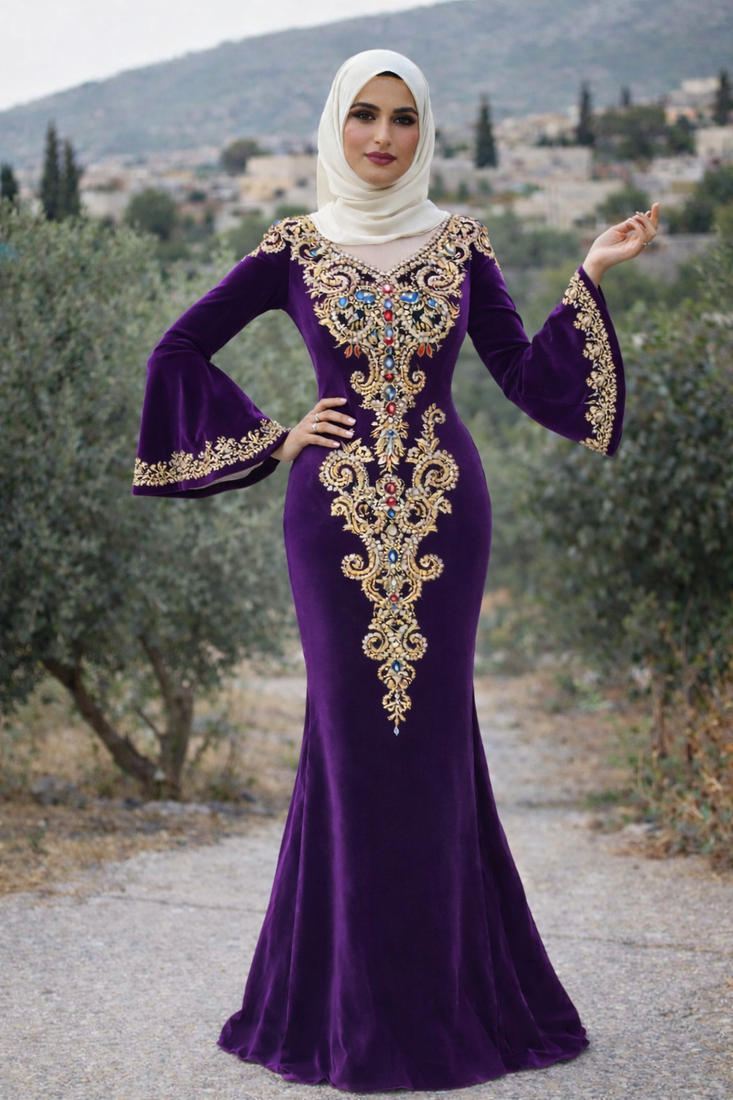
Abayas have always been way more than just clothing; they are something you feel comfortable in, something that becomes a part of your everyday life.  In 2026, the abaya fashion is changing in a natural way. It’s not just about completely moving away from tradition but more about adding small modern touches that make each piece feel fresh. You will notice more softer fabrics, relaxed fits and subtle design. Whether you love the simplicity of a timeless black or feel like trying something a little more updated, there is something for every mood and preference here. It’s all about wearing what feels right to you.

How is modern abaya fashion redefining the Islamic traditional dress?

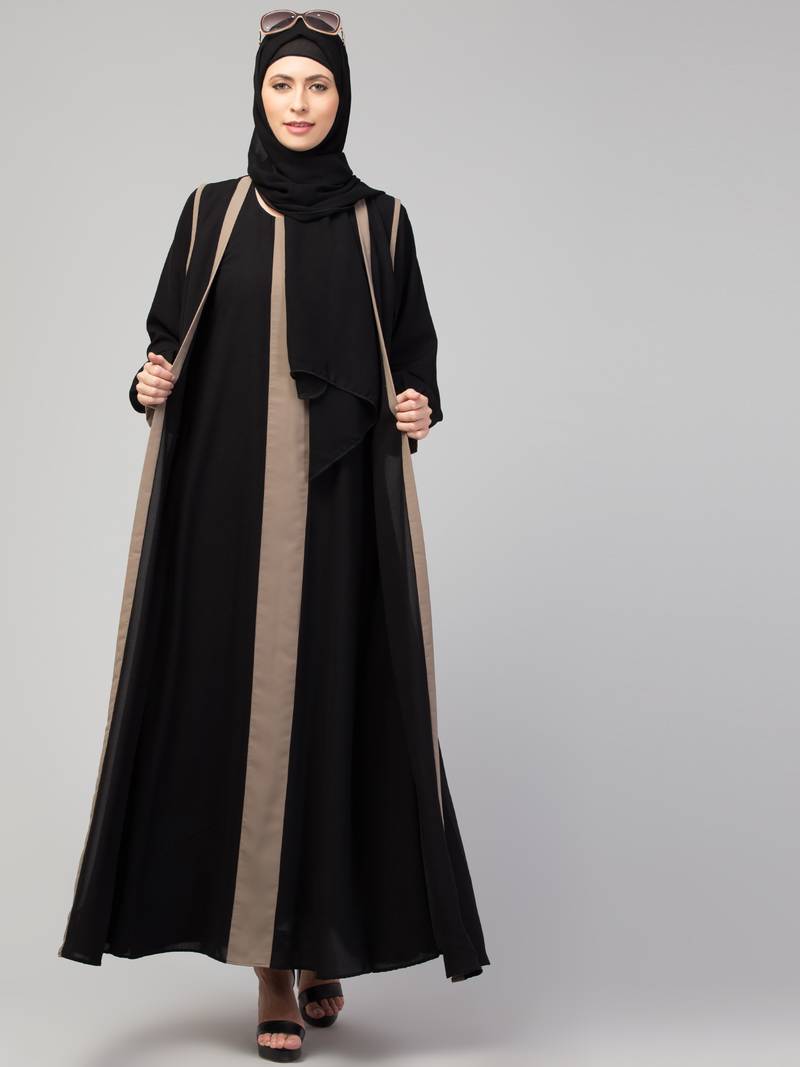
Abayas, as a part of the Islamic traditional dress, are no longer limited to just one classic style.Earlier abayas were often seen as something you wore in a certain way for certain occasions. Now they are a part of your daily wardrobe. You can find abaya dresses that are light breathable and easy to move in. They are just perfect for long days without feeling heavily restricted. What really stands out is how personal everything feels now. You can choose a buyer for women that matches your mood, your routine and your comfort. It’s less about following trends and more about wearing what feels right for you.

Best abaya styles 2026 every woman should try.

This year trends are not loud or over the top. They are subtle and designed for real life. The focus is on pieces that you can actually wear often not just keep for special occasions

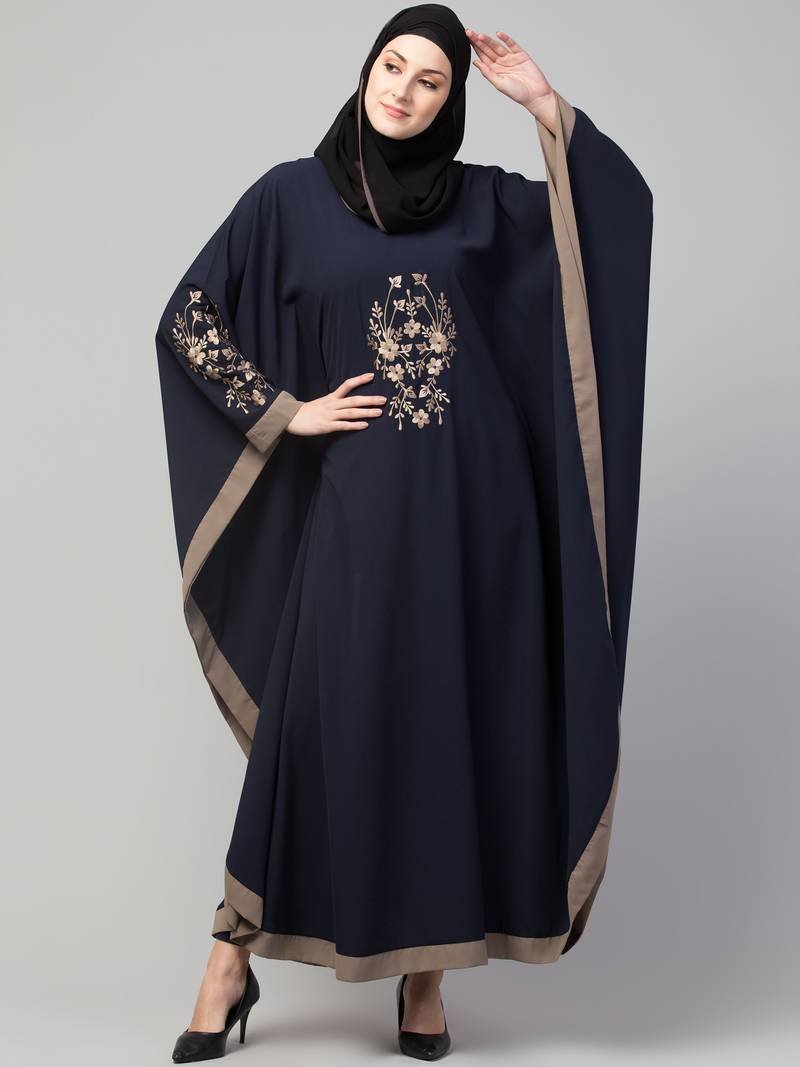
Butterfly abaya dress: a flowing and comfortable choice

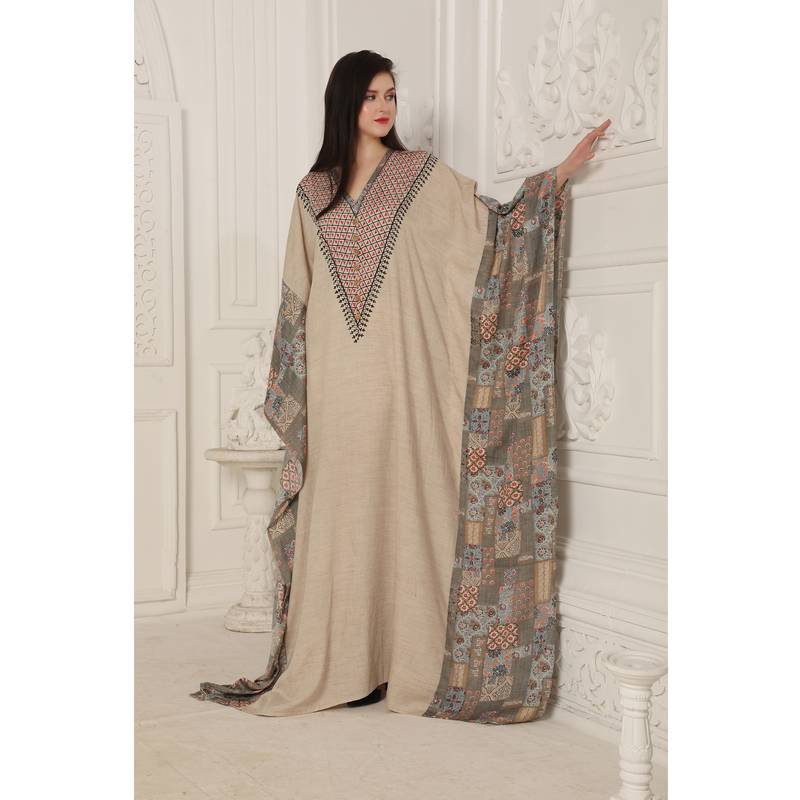
The butterfly abaya dress is one of the most loved styles this year. Its loose fit and wide sleeves create a soft, flowing silhouette that feels comfortable and graceful. Whether you are dressing casually or attending a small gathering, this style gives you effortless elegance without trying too hard.

Stylish, simple abaya designs for everyday wear

Stylish, simple designs are becoming essential in every wardrobe. With clean cuts and solid colors, they offer a polished look that works perfectly well for your daily routines. These abayas are easy to style and maintain. You can wear them to work or casual meetups, making them a practical and stylish option for modern women.

Embroidered abaya for a touch of elegance.

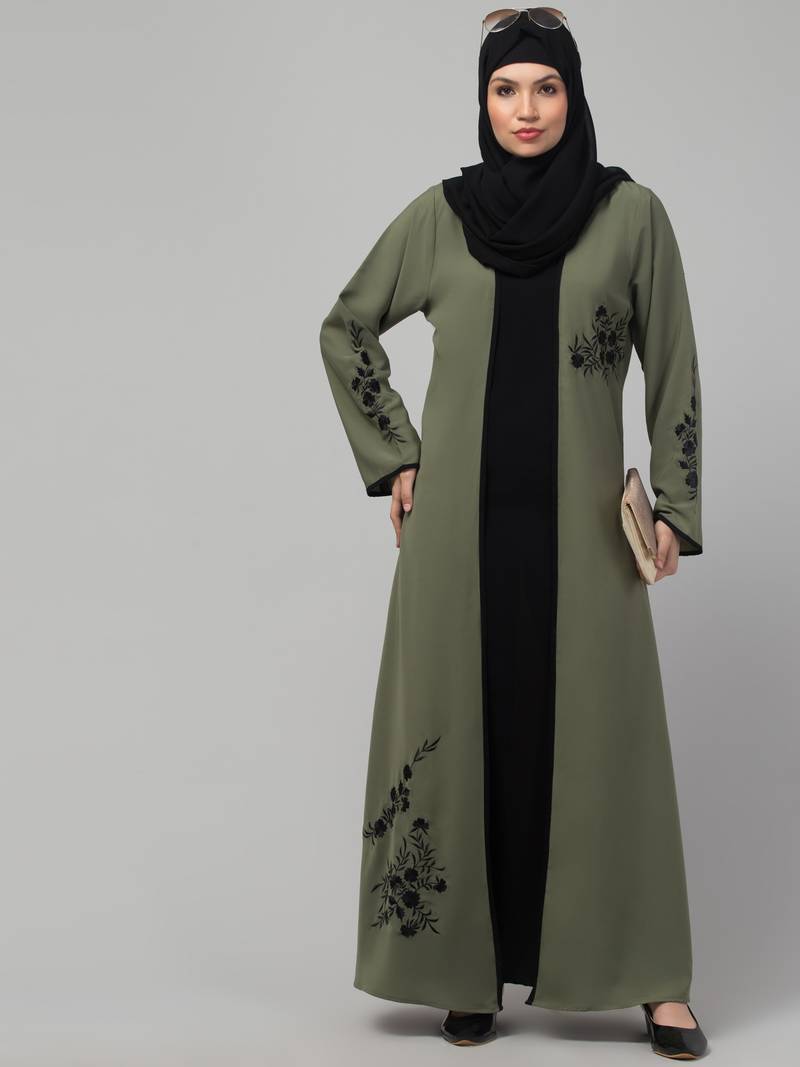
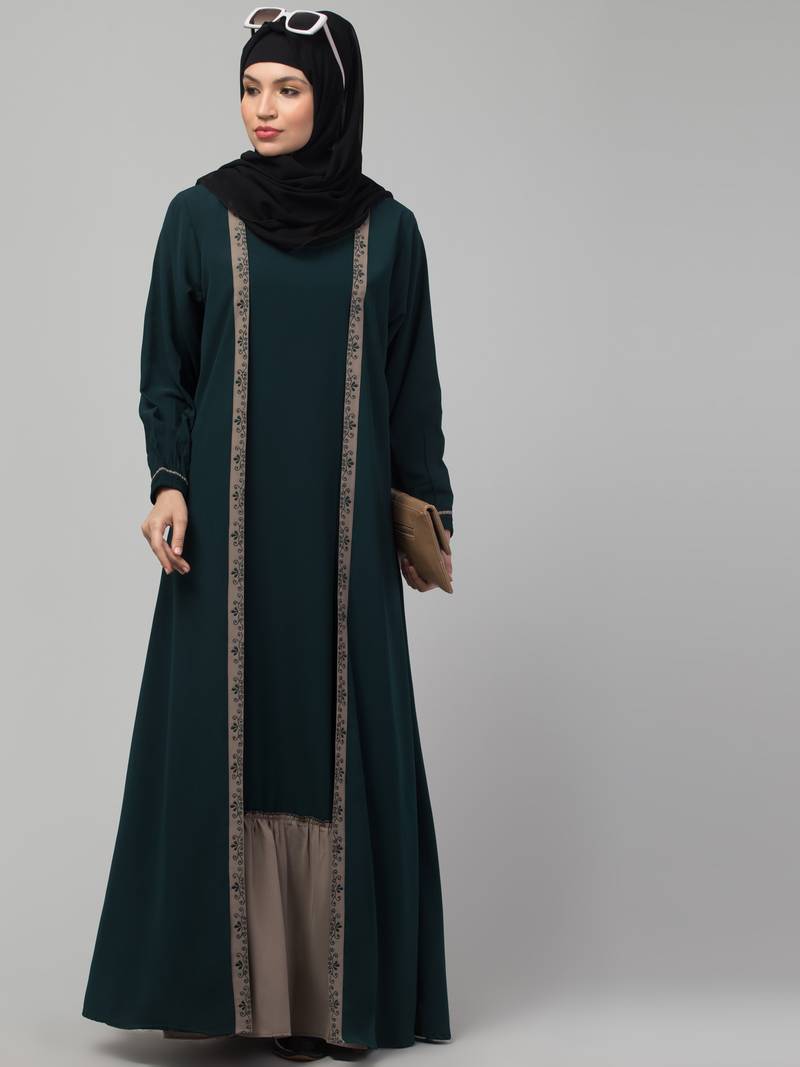
An embroidered abaya adds a subtle elegance without making the outfit look heavy. In 2026, embroidery is more refined, often placed on sleeves or front panels. This style is perfect when you want something slightly dressy but still comfortable.

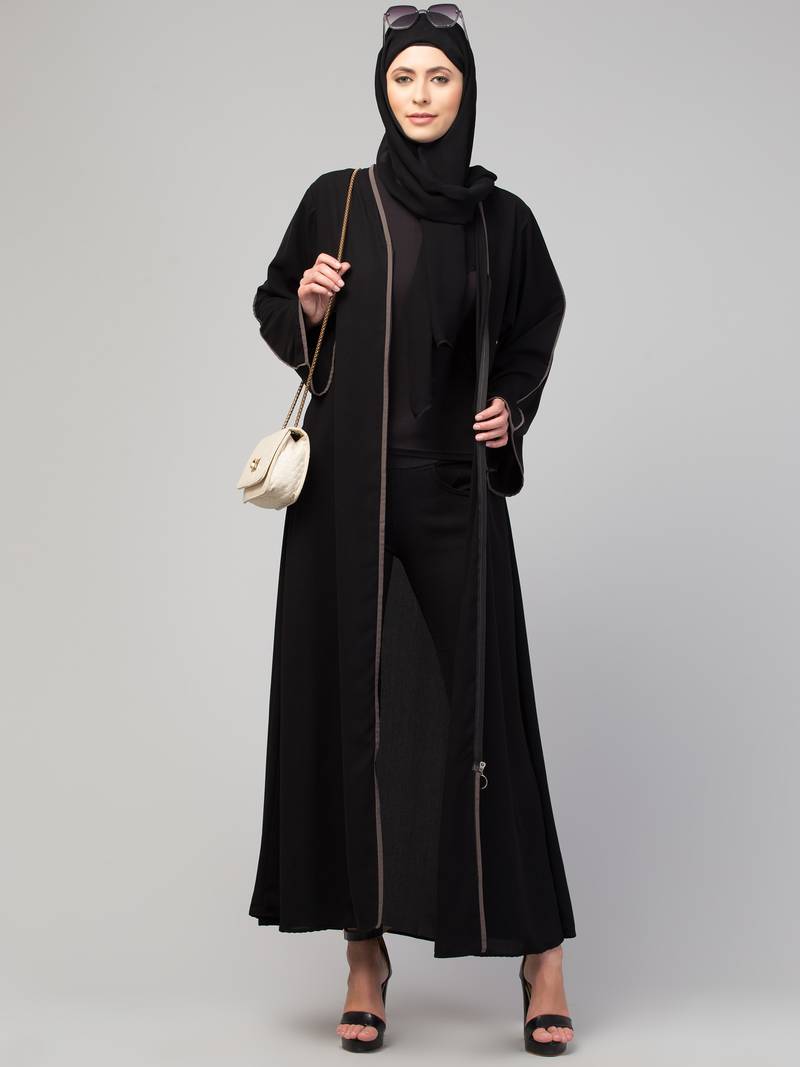
Open abaya dresses for layered modern looks

Open abaya dresses are becoming a must-have for women who love layering. You can wear over dresses or even simple outfits to enhance your overall look. The style offers flexibility, allowing you to just mix and match pieces easily. If you want to create multiple outfits with fewer wardrobe items, it’s just perfect.

Black abaya and white abaya: Timeless yet trending

The black abaya continues to be a classic choice known for its elegance and versatility. At the same time, the white abaya is gaining prominence for its fresh and clean appearance. If you are looking for something timeless that adapts to modern trends, you can surely go for black or white abayas.

Colored abayas and modern cuts for a fresh look

Beyond the classics, colored abayas for women are trending in soft neutrals and earthy tones. The shades feel stylish yet subtle, making them very easy to wear. Modern cuts like asymmetrical hemlines and statement sleeves add a modern touch. A slightly different sleeve or hemline can change the entire look without making it feel too uncomfortable.

How to choose the best abaya for women without overthinking?

Choosing the best abaya for women doesn’t have to be complicated. It really comes down to how you live your day and what makes you feel comfortable. You can go for fabrics that feel light and breathable if you’re busy every day. You can notice a difference when you wear them for long hours. 

You can choose something with a little more detail for special occasions. Also, you should not ignore the fit. Even a simple abaya looks better when it sits well on your shoulders and flows well. When something feels comfortable, it automatically looks better.

Fabrics that make Abaya dresses feel good to wear

Fabric is something that you really notice once you start wearing abayas regularly. The right material can make your day easier, while the wrong one can feel uncomfortable after a few hours.

Crepe abayas for daily comfort

Crepe is one of the easiest fabrics to wear every day. It is light and doesn’t stick to your body, and it also feels comfortable even in warmer weather.

Chiffon abayas for a soft, flowy feel

Chiffon gives that soft, flowing look that feels slightly more dressed up. It is especially nice for open abayas or layered styles.

Linen blends for breathable everyday wear.

Linen blends are perfect if you’re looking for something very breathable. They feel natural on your skin and are great for a long, busy day.

Simple ways to style your abaya without trying too hard

Styling an abaya doesn’t need to be complicated. Most of the time, small changes make the biggest difference.

Add a good handbag

A handbag can quietly pull your whole look together. Even with a simple abaya, the right handbag makes everything feel more complete. It’s one of the easiest ways to make your outfit look more stylish without adding too much.

Keep jewellery minimal

You don’t need a lot of jewelry with abayas. A small pair of earrings, a simple bracelet, is usually enough.

Play around with hijab styling.

Your hijab can change the whole look of your Islamic dress. Matching colors feel coordinated, while contrasting ones add interest. Even trying a slightly different drape can make your outfit feel new again.

Abaya fashion in 2026 feels more relaxed and real. There is no pressure to follow every trend or change your style completely. Whether you prefer classic abaya dresses or modern cuts, the best choice is always the one that fits your life. When something feels comfortable, it naturally shows in the way you carry yourself. Take your time exploring different abaya styles for ladies, try new fabrics, and see what works for you.

How The Right Salwar Kameez Shades Elevate Your Confidence 

0

The salwar kameez colors you choose do more than define your look. They have a direct impact on how you feel and carry yourself. From bold hues that make a striking statement to cool pastels that exude calmth, the right shade can naturally boost your confidence. Colors also have a major impact on first impressions. Since many hues are associated with qualities like confidence, glamor, and vibrancy, the color you choose can subtly reflect and communicate how you feel. The salwar kameez has long transcended being just a traditional attire; it is actually a reflection of how you feel. Choosing the right color helps exude the right aura, influencing confidence and perception. 

Decoding the Fashion Color Psychology

Color psychology in fashion refers to how different colors impact emotions, perceptions and behaviour, both for the wearer and the person seeing them. In layman’s terms, color psychology impacts how you feel and how others perceive you. In fashion color is not just for aesthetics; it is a powerful styling tool. Colors directly affect the mood, energy and confidence levels of the wearer. For instance, bold colors like red signify confidence, whereas soft pastel shades create a sense of calm. Thus, while picking a salwar kameez for women, don’t just focus on the silhouette and embroidery. Make choosing the right color the centre of your buying process and trust us, you will find the perfect fit with ease. 

Colors That Instantly Enhance Confidence 

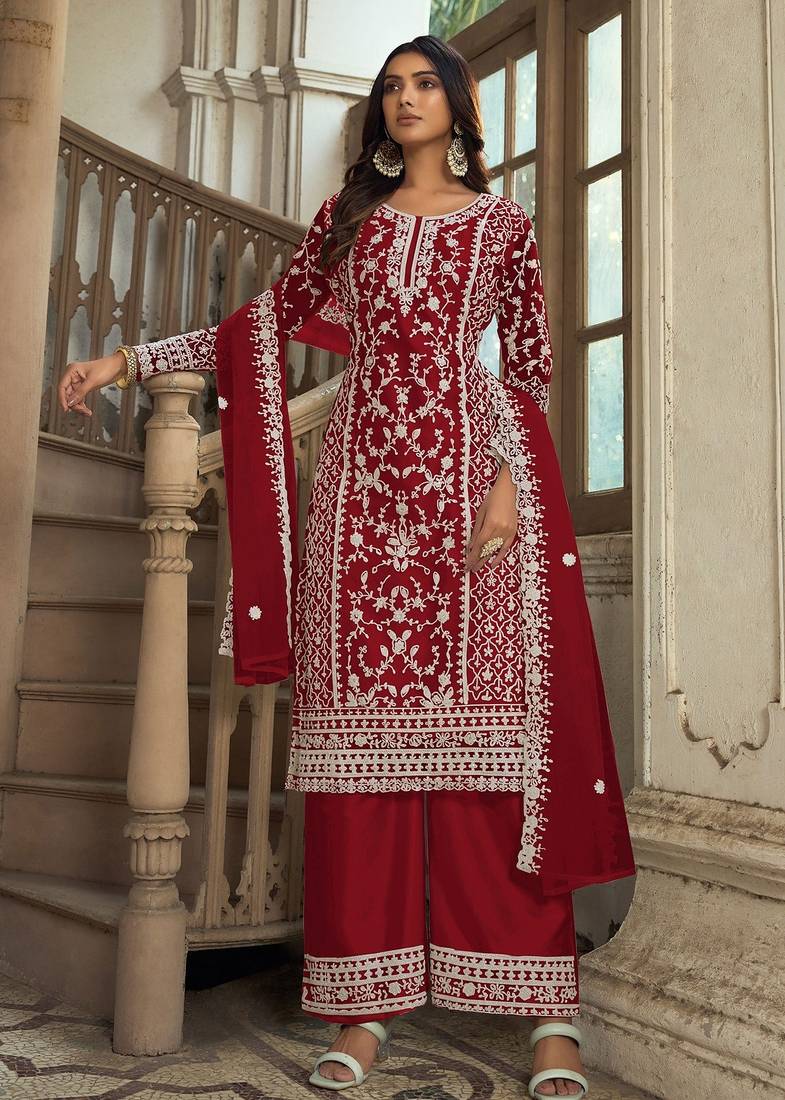
Red: Bold and Powerful 

If there is one color that makes you stand out effortlessly, then it has to be red. The color of loud confidence and magical charm, this one should be your pick for days when you want to make a striking impression. 

Blue: Calm and Elegant

Blue is a color that instantly brings a sense of calmness and balance to your look. Associated with trust, serenity, and quiet confidence, it is a perfect choice for when you want to appear composed and stylish. 

Yellow: Cheerful and Sunny 

This beautiful, cheery shade is as vibrant as they come. Instantly eye-catching and radiating positive energy, yellow is an apt choice for salwar suits. It is bright and uplifting, and it also makes you feel lively and approachable. 

Green: Refreshing and Soothing 

The color of nature, green, is often associated with freshness, growth and harmony. The beauty of this hue is such that it feels natural and calming. A green salwar kameez exudes subtle confidence and elegance. 

Pink: Soft and Feminine

No other color has been as closely associated with femininity as pink. It exudes a gentle yet stylish aura and is so easy on the eyes. Pink salwar suits for women are charming, elegant, and subtly sophisticated.  

Choosing the Right Color According to Your Skin Tone 

You surely must have noticed that the same color looks different on different people. This is due to factors such as skin tone and undertone. Apart from this, hair color and eye color also have a major impact on how a color shows up on you. 

Fair Skin Tone:

Women with this skin tone can carry a wide range of colors beautifully. Tones such as jewel hues, soft pastels and cool neutrals look the best on them. 

Medium Skin Tone:

These skin tones are incredibly versatile and can carry both bold and soft colors with ease. Earthy tones, bright colors, and balanced neutrals add to the charm of his skin color. 

Dusky Skin Tone:

Dusky skin tones have a natural warmth and depth that make many colors look rich and striking. Jewel tones, bold shades, crisp neutrals and metallics all look fabulous. 

Occasion-Wise Color Styling

Even though every color has its own charm, not all colors suit all occasions. 

  • Festive: Occasions such as weddings and festivals call for high-impact, bold colors. Hues such as red, gold, black, yellow and maroon suit these events well. 
  • Formal: The vibe of formal occasions like office meetings, low-key parties and award shows is understated elegance. When you buy salwar kameez online for these events, go for calming colors like blue, green and white.   
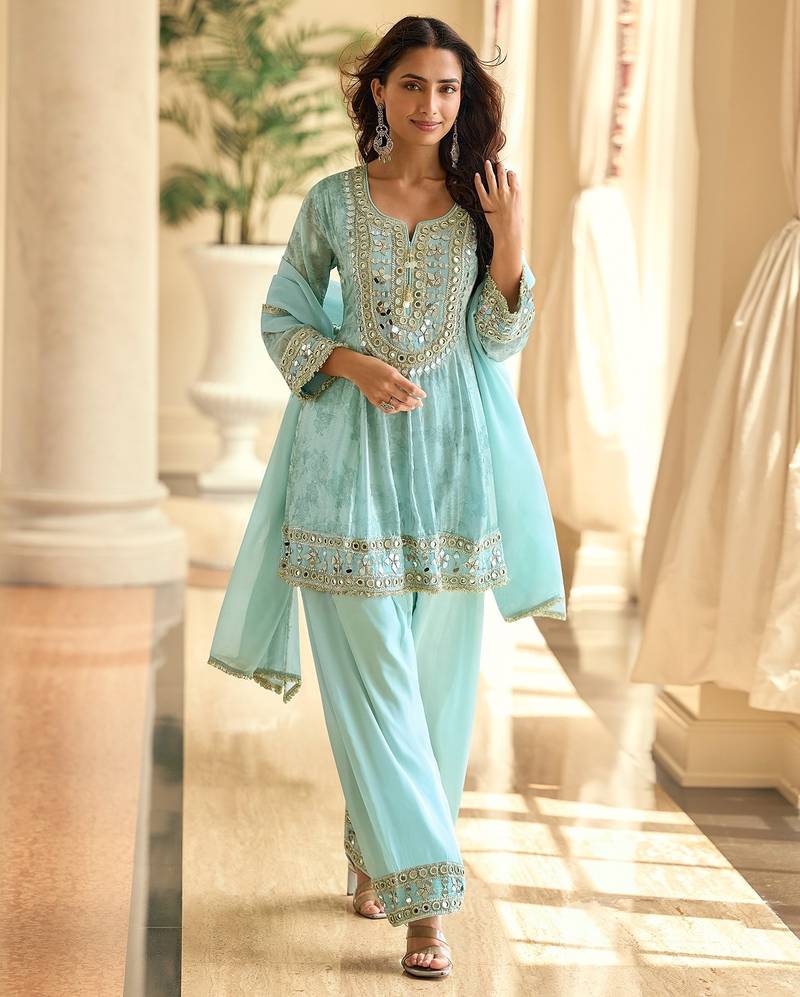
  • Casual: Casual occasions such as brunches, family get-togethers and daily wear warrant shades that are demure but not too neutral. Shades of pastels like baby pink, powder blue, mint green and more work well. 

Common Color Mistakes That You Should Avoid 

Choosing Colors That Don’t Flatter You:

We cannot ignore the fact that not all colors suit everyone. Choosing the right color based on your skin tone and undertone is of the utmost importance. 

Over-Accessorising Bold Colors:

Bold colors make a striking impression on their own. If you over-accessorise them, then your look might feel crowded. Keep the accessories to a minimum while styling vibrant colors like red, yellow or orange. 

Ignoring Fit and Silhouette:

Even the prettiest salwar suit for women will lose its charm if its fit and silhouette are not right. Thus, along with choosing the perfect color, special attention should be paid to the fit as well. 

Tips To Choose The Right Color For Yourself 

  • Start with the color that you are the most comfortable with. After all, if you feel good, you will look good. You can also experiment with different colors as per your ease of wear. 
  • Remember to try out shades, not just one solid color. E.g. if you like pink, you can go for baby pink, rose pink, dark pink or salmon pink. 
  • You must test out your salwar suit color in natural lighting to get a firm grasp on how it will look when you wear it. 
  • Finish off your look with the right bags, shoes, and makeup that work with your salwar kameez color not against it. 

Final Thoughts 

Confidence isn’t just about following trends; it’s about understanding what truly works for you. The colors you choose play a pivotal role in shaping not just your appearance but how you feel. Let color guide your confidence and wear it with complete self-assurance. 

The Reason Why Floral Lehengas Are Trending This Wedding Season

0

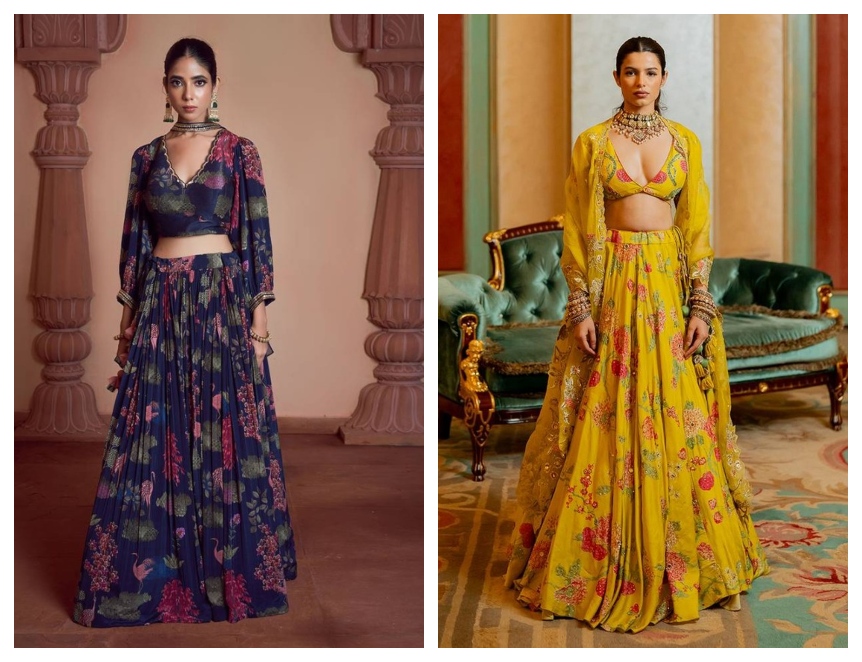
If there is one trend we are dominating with this wedding season, it is floral lehengas. It’s hard not to fall for the charms of this style. Featuring new patterns, light embroidery, and bright hues, these lehengas represent a departure from the traditional bridal reds and pinks. It can be as subtle as tiny floral motifs strewn across your skirt to bold, exultant florals; the floral lehengas are taking wedding fashion by storm with a nonchalant elegance. So, in this blog, we will cover why the floral lehenga choli design is so popular and what makes it the best bridal trend of 2026.

  • Effortlessly Elegant: The charm of the floral print lehenga is timeless. Floral motifs are evergreen but also very trendy. They exude a sense of romance, femininity, and natural beauty that never goes out of style. These ensembles manage to bring a fresh new twist to the age-old floral patterns and keep the look fresh and relevant.
  • Incredibly Versatile: Designer floral lehengas have not just captivated everyone because of their beauty but also because of their versatility. Unlike traditional heavy lehengas that are reserved for a single occasion, a floral bridal lehenga can be styled for multiple wedding events. A soft floral lehenga with muted flowers works well for daytime functions. For evening glam, you can pick a sequin and threadwork floral print lehenga that creates a striking look.
  • Endless Room for Personalization: Floral wedding lehengas offer endless possibilities for personalization, which makes them a favorite among brides and guests alike. Designers experiment with colors, designs, and silhouettes to consistently bring fresh looks. Further, brides can also experiment with various blouse designs, draping styles, or with embellishments such as sequins, zari, and threadwork.
  • Easy To Wear: As opposed to heavy bridal lehengas, the floral lehenga dress offers ease of wear and comfort. They are often crafted with lightweight and breathable materials such as cotton, linen, chiffon, georgette, and more. They also feature delicate embroidery that ups the comfort factor to the max.
  • Celebrity and Designer Influence: Celebrity and designer influence has played a vital role in popularizing floral lehengas. Many Bollywood celebrities and influencers have donned a floral lehenga to wedding ceremonies, red carpet events, and festive gatherings. Well-known designers have also showcased exquisite floral print lehenga designs on international runways — helping spread the trend among the masses.
  • Refreshing Alternative to Traditional Bridal Wear: Pink and red are synonymous with weddings. However, bridal trends are now shifting. The modern bride wants a fresh look that doesn’t feel overdone. This is where floral lehengas come into play. They offer a refreshing change from heavy traditional bridal outfits that have become commonplace in the past few years. Floral patterns bring a soft, feminine charm to a bridal look that is hard to ignore.

Final Thoughts

From delicate floral patterns to bold statement botanical prints, there are endless ways to incorporate a floral print lehenga in your bridal wardrobe. It doesn’t matter if you are drawn to traditional silhouettes or want something more contemporary and edgy; we are sure you will find a floral lehenga choli design that will feel made just for you.

Everything You Need to Know About the Floral Lehenga

0

Floral lehengas have emerged as one of the most refreshing trends in ethnic wear. They are a lustrous example of classic glamor combined with soft floral prints or patterns. A fresh change from the conventional heavy lehengas, floral lehenga cholis are light and elegant. What makes them different is that they bring the real soul of nature into fashion. The floral patterns can be handmade, printed, or embroidered. Designers are also playing with 3D appliqué work and hand printing. In this ultimate guide, we will discuss what exactly a designer floral lehenga is and learn why it’s a must-have piece of apparel for every fashionista.

Floral Lehengas — The Freshest Trend in Bridal Fashion

We can’t deny that the wedding palette is saturated with pinks and reds. Brides who want to break away from the traditional bridal look are attracted to floral bridal lehengas. Today’s brides are embracing change, and the rise of floral print lehengas reflects that beautifully. The floral work adds a touch of romantic femininity to the lehengas and creates a fresh and youthful look.

From statement bold prints to stunning 3D applique work, there are endless ways to make floral work bloom on your lehenga. Designers are now experimenting with color, placement, and density of the floral designs to come up with new looks every day. This makes the floral wedding lehenga one of the most versatile pieces in your wedding trousseau. Whether your style is simple or bold, there is a floral lehenga that will charm you.

Floral Lehengas for Weddings — Hit or a Miss?

The question on the minds of brides and wedding guests this year is whether floral lehengas are suitable for weddings. We can confidently say that dressing up in a floral lehenga for women is one of the smartest fashion decisions you can make. Here are some reasons why a floral lehenga works for weddings:

  • Floral lehengas are renowned for their versatility. From pre-wedding functions to day weddings to glam receptions, there is a floral print lehenga look that will suit them all. 
  • These pieces are also timeless. They bring forth a subtle natural beauty and romantic charm that never goes out of style. 
  • They are also extremely comfortable and lightweight which are perfect for long wedding ceremonies or dancing at the sangeet. 
  • Floral lehengas are also statement-making without feeling overpowering. They allow the bride to express her personality while also honoring the significance and importance of the day.

Can a Bride Choose a Floral Lehenga for Her Wedding?

If you are a 2026 bride looking for an out-of-the-ordinary wedding look, a floral lehenga is the perfect choice. The perception that a floral lehenga is too casual and hence not suitable for grand events like weddings is completely wrong. Here’s why floral lehengas are ruling bridal fashion in recent years:

  • It is a fail-safe way to inject some personality into your bridal look. A floral lehenga can help you make a statement and set you apart. The pattern can also become your signature style.
  • The floral lehenga set is a versatile clothing, making it apt for a range of wedding functions from sangeet to the reception.
  • They also bring sheer romance to your bridal look. There is something undeniably dreamy about a bride sporting a garden of blooms. This makes the floral lehenga choli perfect for the modern bride who wants to create a look that will be remembered for years to come.

Wearing a Floral Lehenga – The Best Occasions

Floral lehengas are known for their versatility. One floral print lehenga can be styled for a multitude of occasions. This makes them a practical and smart investment. Here are some occasions that you can shine in a floral lehenga:

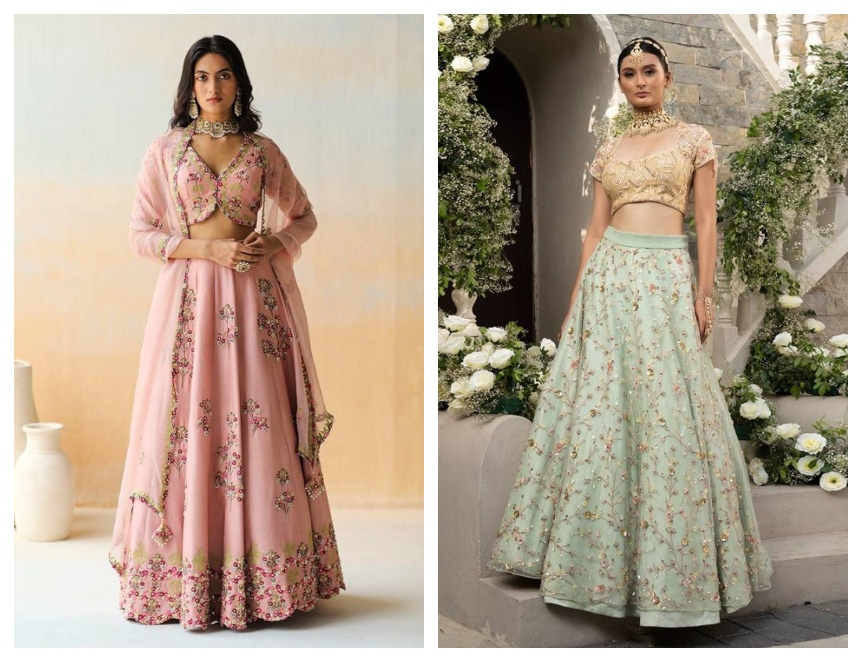
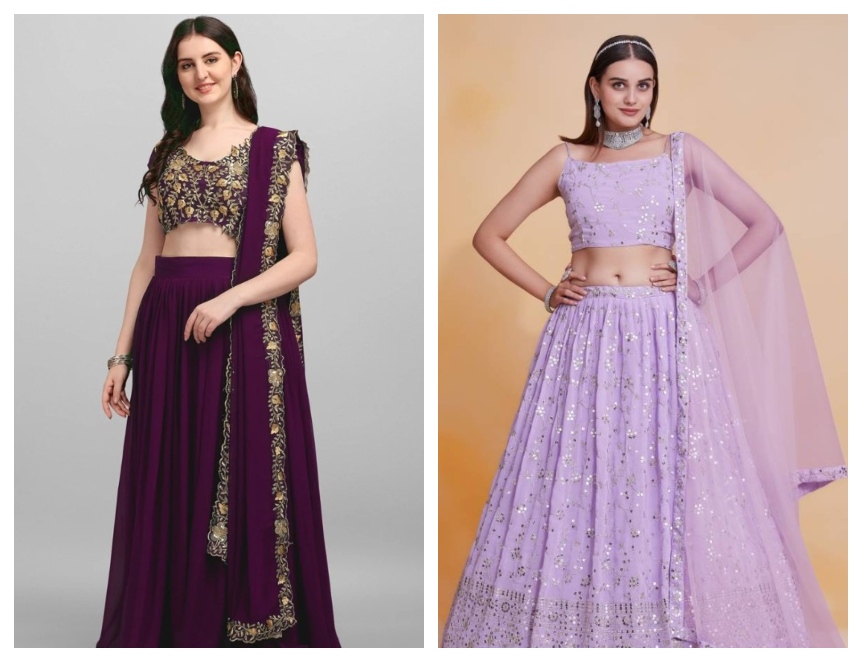
  • Daytime Weddings: Floral lehengas are the perfect pick for a daytime wedding. Soft colors such as blush pink, mint green, and lilac look wonderful with floral patterns. These lehengas create a graceful and elegant look that feels perfect for daytime celebrations.
  • Engagement Ceremonies: For engagement functions, floral lehengas strike the perfect balance between elegance and contemporary style. Embroidered or printed floral patterns exude a fresh and youthful energy that is perfect for these events. 
  • Cocktail Nights: When styled with rich fabrics, exquisite embellishments, and heavy embroidery, floral lehengas also work beautifully for cocktail parties. Darker floral tones combined with shimmering embroidery make for a perfect party look.
  • Festive Occasions: Adesigner floral lehenga for women makes for a great festive outfit for occasions like Diwali, Eid, or Navratri. Their vibrant patterns and luxe silhouettes make them an ideal choice when you want to be comfortable yet look stylish.

Traditional vs Modern — The Floral Lehenga Vibe

Floral lehengas are a seamless blend of heritage styles and contemporary charm. They blend the traditional lehenga silhouette with modern features like pastel colors, applique work, and lightweight fabrics.

  • Traditional Roots: Indian textiles have long showcased floral patterns in their designs. Many classical embroidery styles, such as Zardozi, Chikankari, and Kashmiri embroidery, all feature intricate floral work. Even historically, Indian fabrics and royal garments have frequently incorporated flowers as a symbol of beauty and elegance. Thus, it is not that surprising that floral patterns perfectly fit in with traditional lehenga aesthetics.
  • Modern Interpretation: In recent years, designers have reimagined the floral print lehenga and brought a contemporary twist to their look. Modern floral lehengas include digital floral prints, pastel colors, breathable fabrics, and delicate embroidery. These elements have breathed new life into the floral lehenga for women and made it a fresh new option for those who love to experiment.

Can Bridesmaids Wear Floral Lehengas?

Yes, absolutely! Picking a floral print lehenga for your bridesmaid look brings a fresh and festive feel to weddings. These lehengas easily blend tradition with a modern touch, making them a favorite with bridesmaids who want to celebrate in style while being comfortable. Lehenga shades such as blush pink, mint green, and powder blue are very popular. If you prefer a bolder look, then hues such as deep maroon, navy, and even multicolor are gaining traction. Also, as bridesmaids spend hours on their feet, they must be comfortable as well. For fabrics, choices such as satin, silk, and viscose blends work well. They drape beautifully and keep you cool throughout the wedding functions.

Styling a Floral Lehenga — All the Best Tips

Colorful and vivid, a floral lehenga is a gorgeous ensemble. When styled right, it can look even more radiant. However, wrong accessories can lead to a flat look. Here are some amazing floral lehenga styling tips that you can try out:

  • Opt for Statement Jewelry: Floral lehengas have a lot going on in terms of color, prints, and embroidery. Hence, keep your jewelry minimal yet statement-making. Go for a heavy choker necklace with classic Jhumkas. Don’t add too many pieces, as it can make you look busy and cluttered.
  • Pick Matching Metals: If your lehenga has gold embroidery or work, then go for gold jewelry. For silver accents, stick to silver. Don’t mix metal colors as they can clash. However, rose gold works well with both gold and silver embroidery.
  • Go for a Statement Bag: A potli bag or embroidered clutch that coordinates with your lehenga is a must-have. For a festive look, go for a beaded bag. Avoid big totes as they don’t complement the elegance of the lehenga.
  • Avoid too Many Floral Accessories: Since your lehenga already features a floral pattern, piling on floral accessories might seem like overkill. Instead, go for classic diamond or Polki jewelry.

The Art of Choosing the Perfect Floral Lehenga

Floral lehengas popularity has steadily risen over the years. Today, the market is flooded with a variety of floral designer lehengas. This wide variety can make it difficult to pick out a floral lehenga that truly complements you. So, let’s go over some tips that will guide you through the floral lehenga shopping experience:

  • Bear in mind the season of your event. While soft pastel embroidered lehengas are perfect for summer and spring, winters call for lehengas in lush fabrics like velvet and brocade.
  • Make your personal style the focus. Whether you are drawn to bold and loud designs or subtle, minimalistic designs, go for a lehenga that confidently speaks of your style.
  • Consider your body type. Floral embroidery can be strategically placed to highlight features and hide problem areas. For example, dense embroidery at the waist can create a slimming effect. Similarly, vertical floral lines elongate the body.
  • Ensure you pick the right dupatta and blouse for a cohesive look. Choose a contrasting blouse or a heavy dupatta with floral embroidery. This will add to the visual impact of your floral print lehenga look.

Final Thoughts

Floral lehengas continue to trend because they are a beautiful blend of elegance, versatility, and timeless beauty. Their deep-rooted connection to nature, ability to adapt to various events, and universal appeal have made them a fashion favorite across generations. As fashion evolves, floral lehengas don’t fade; they just bloom a new – proving that some styles are timeless. 

How to Style a Kaftan for Every Occasion For a Luxe Look 

0

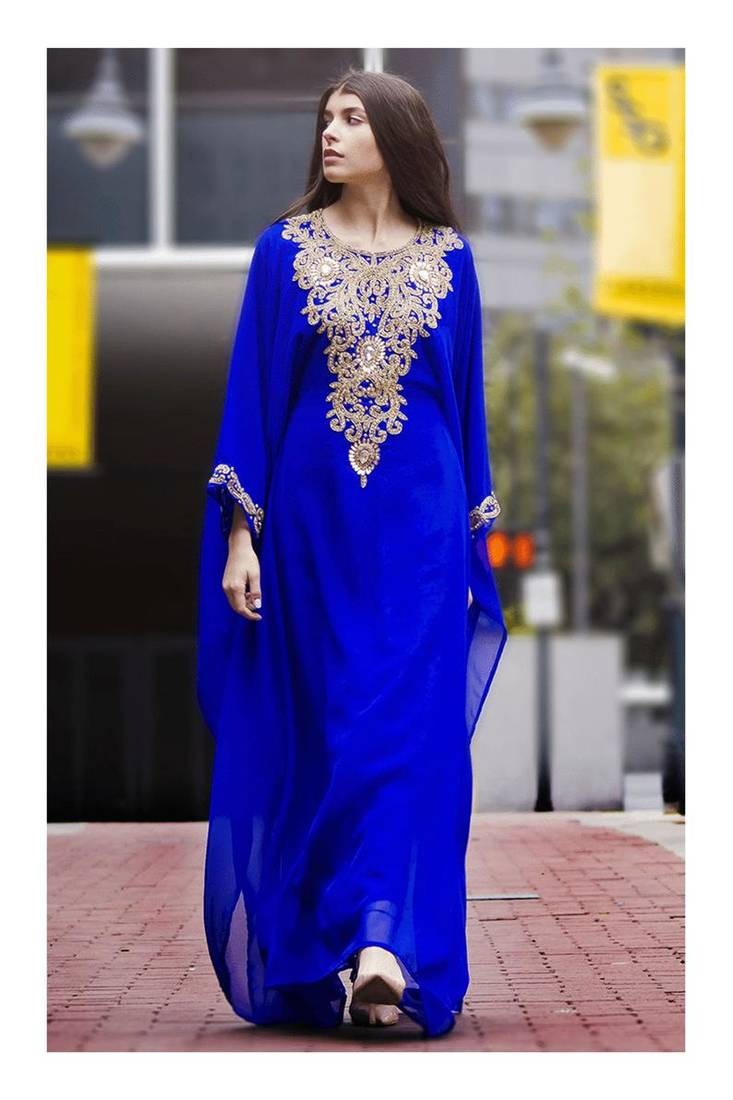
Kaftan clothing is one of those rare outfits that work across all places more than occasions. No matter where you are going or what the occasion is, a kaftan just fits right in. You can wear kaftan-style dresses for travel days, festive gatherings, evening parties, and weddings. What makes kaftans so special is that they effortlessly adapt. The same flowing silhouette can look relaxed and casual or rich and elegant, depending on how you style it. There is no pressure for you to follow any strict fashion rules here. Just change the fabric on the right accessories, switch your footwear, and suddenly your kaftan tells a completely different story.

That’s the real beauty of kaftan styling. You don’t need to overthink it or spend hours planning an outfit. Once you understand how small styling choices make a big difference, a kaftan becomes one of the most versatile and dependable pieces in your wardrobe. In this guide, you can learn everything about simple, practical ways to style kaftans for different occasions. Think of it like a friendly guide to make the most out of a silhouette that already does half of the work for you.

Styling a kaftan based on the occasion

Accessories or layers help style your kaftan outfit according to where you are wearing it. The occasion sets the tone for everything else.

  • Relaxed styling for everyday wear

For casual day wear, you want your kaftan to feel easy and breathable. Summer kaftans are available in cotton, linen, or soft rayon fabrics.  You need to keep the fit loose and length practical. Pair it with minimal jewellery and flat footwear so the look stays comfortable and effortless.

  • Easy breezy Kaftan looks for beaches and resorts.

Beach and resort kaftans should feel light and flowy. You can go for soft chiffon or lightweight cottons, tropical prints, or pastel shades. You can wear beautiful caftan dresses over swimwear or as a standalone outfit. You can keep the styling minimal with oversized sunglasses and flat sandals so that the kaftan remains your highlight.

  • Polished kaftan for evenings and parties

For evening or partywear, your caftan style needs structure and visual interest. You can look for a silk kaftan or georgette. Neutral Colors or statement prints elevate your look. Adding a defined waist belt,  statement jewelry, and elegant footwear instantly makes your kaftan party-ready.

  • Elegant caftan styling for festive and wedding events

Festive and wedding kaftan dress fashion focuses on richness. You can choose heavier fabrics, detailed embroidery, and metallic accents, or just jewel tones. Structured sleeves, layered hemlines, or belt styling help create a celebrity look. These kaftans work beautifully for a pre-wedding function or even an intimate event.

Styling a kaftan for comfort, movement, and travel

One of the biggest reasons kaftans are loved is comfort. You can learn how to wear a kaftan and style it perfectly for a long day or constant movement.

  • Travel-friendly kaftan dresses for women

When travelling, you can choose wrinkle-friendly fabrics like jersey or cotton blends. Neutral shades or simple prints help keep the look polished even after hours of wear. You can pair your kaftan with comfortable footwear and a crossbody bag so you can move freely without sacrificing your comfort or style.

  • Keeping a kaftan looks practical yet stylish on the go

You can choose midi kaftan dresses with pockets or belt options when you’re travelling. The small details help with functionality. Light layering pieces like shrugs or scarves can easily be added or removed, making the outfit more versatile.

Elevating your kaftan with accessories and footwear

Accessories play a very important role in how a kaftan looks. The same kaftan can feel casual or dressy based on what you pair it with.

  • Using accessories to define the kaftan look

Belts are one of the easiest ways to change your kaftan’s appearance. A slim belt creates a polished silhouette, while statement belts add drama. Jewelry should match the mood. If you are planning to wear a kaftan dress for summer, then you can go for delicate pieces. Bags also matter; totes work for beach dresses and kaftans, while clutches look good with a wedding kaftan.

  • Footwear choices that complete the kaftan style

Footwear can completely shift the vibe of a kaftan. Flat sandals and slides keep the look relaxed and practical. Wedges add height without losing comfort, while heels or embellished sandals instantly turn a caftan dress into an evening or a festive outfit. You must always balance comfort with occasion.

Layering techniques that transform kaftan dresses

Layering is what truly unlocks the versatility of the kaftan for women. It helps you adapt the same pieces across seasons and settings. Before layering, keep your kaftan silhouette in mind so the look doesn’t feel bulky.

  • Adding light layers for structure and style

Long line jackets or capes work beautifully with a kaftan. They add structure without hiding the flow of your outfit. For daytime or travel, go for lightweight layers. For evenings, you can choose structured or embellished outer layers to add drama.

  • Using scarves and wraps to change your look.

Scarves are a very easy layering tool. You can drape them loosely or belt them. A printed scarf can add interest to your plain caftan, while a solid wrap can tone down a busy design. This helps you restyle the same kaftan in multiple ways.

So kaftan is no longer limited to just one type of occasion. In 2026, they are everyday essentials, travel favorites, festive options, and even evening staples, all depending on how you style them. When you understand the fabric choice, accessories, footwear, and layering kaftan becomes one of the easiest outfits to wear well. The key is not overdoing it; let the kaftan lead and support it with thoughtful styling.

Pakistani Suits vs Sharara Suits: Tailored Grace vs Festive Flair 

0

When choosing the perfect festive outfits, the Pakistani suit and the Sharara suit offer two very distinct yet equally captivating styles. Pakistani suits are known for their clean lines and structured elegance. On the other side, Sharara suits steal the show with their dramatic flair and festive ready appearance. From intimate occasions to grand celebrations, both these styles have their charm. Pakistani suits give off a polished appearance, while the Sharara brings the drama. Understanding the core differences between the two will help you make an informed decision, based on the occasion, style, and vibe that you want to exude. 

Why Silhouettes Matter in Ethnic Wear 

More than the color or embroidery of a salwar kameez, it is the silhouette that truly defines its character. The silhouette defines the outline of the outfit and how the fabric will fall. The structure and volume play a major role in influencing how an ensemble looks and feels. It further determines how an outfit drapes on the body, how it moves and how it enhances different body types. Pakistani dresses and Sharara suits have two completely different silhouette styles. While one is constrained and polished, the other is dramatic and full of life. 

Pakistani Suits: Timeless Sophistication

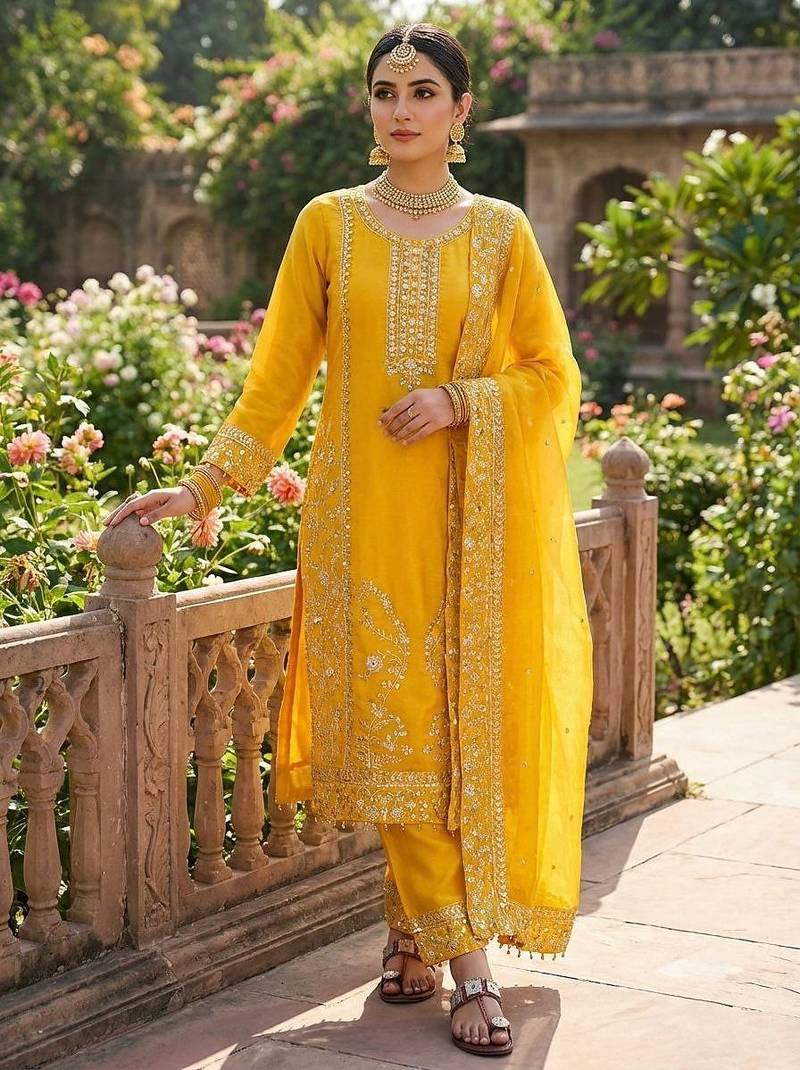
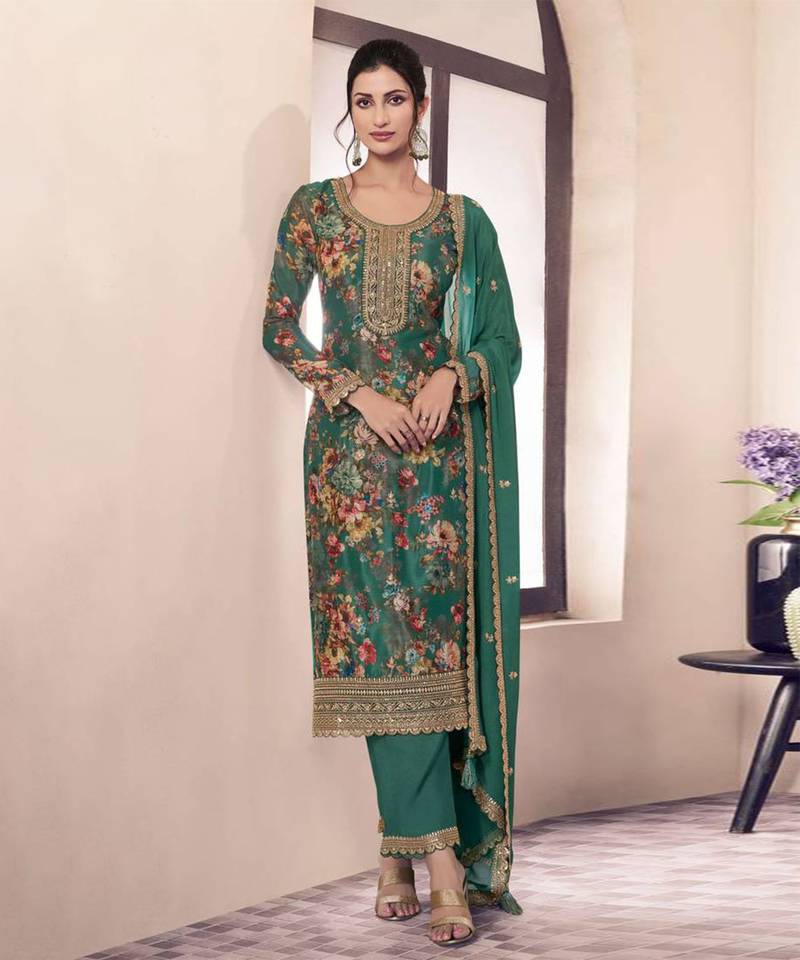
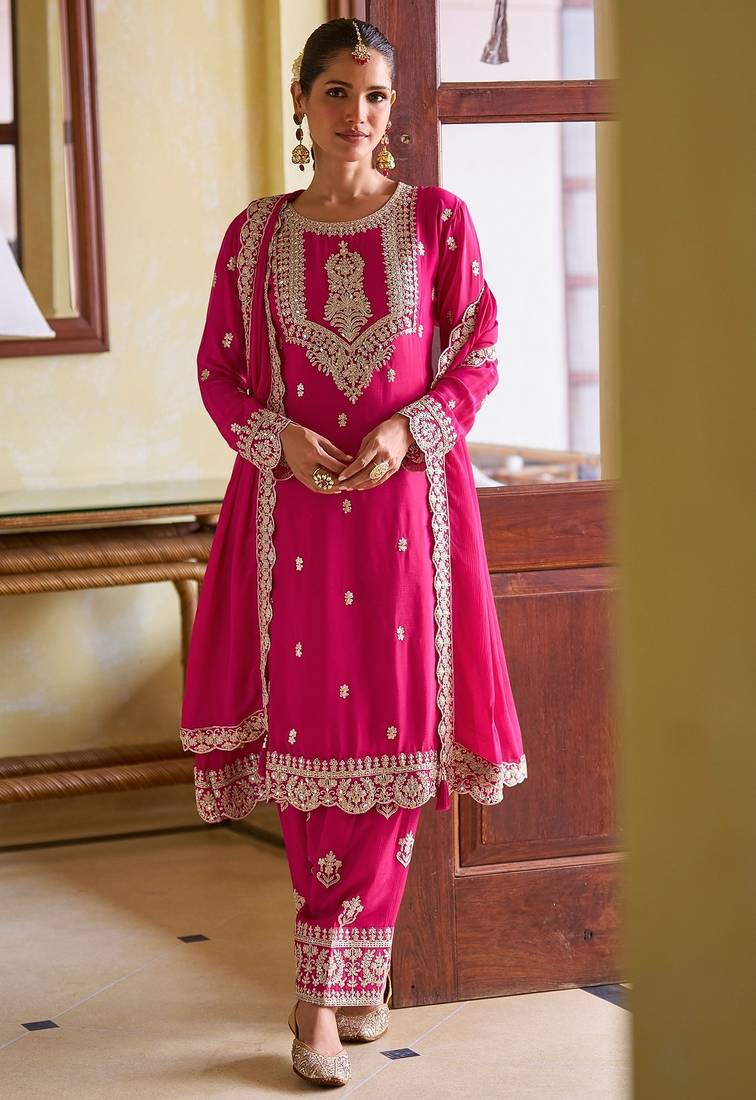
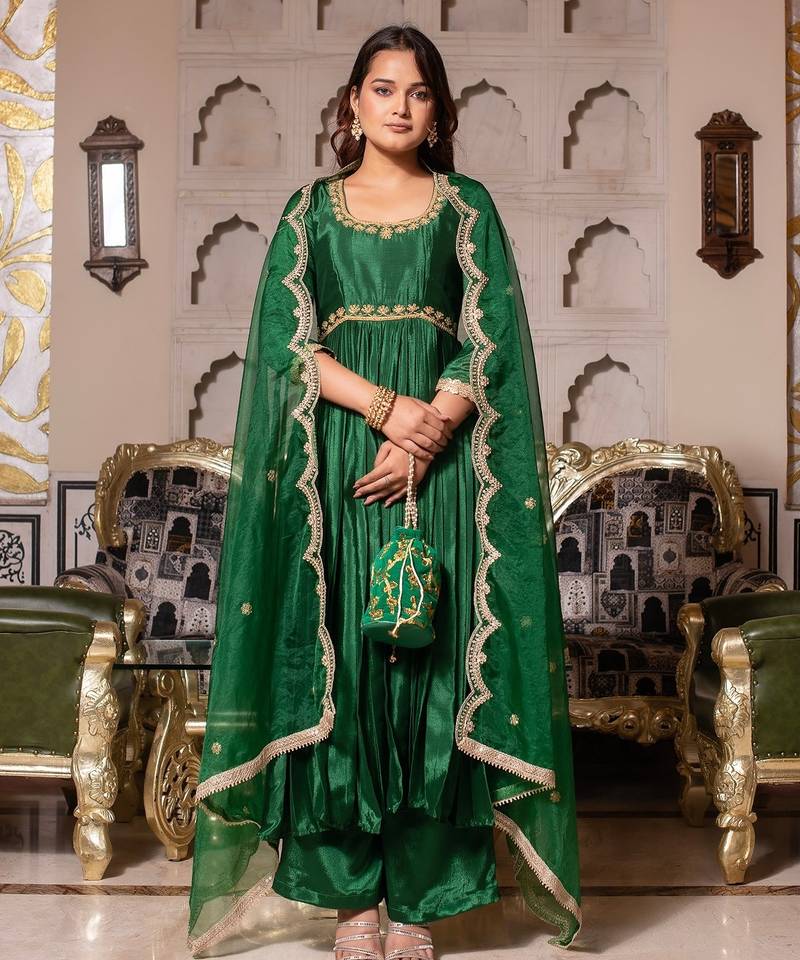
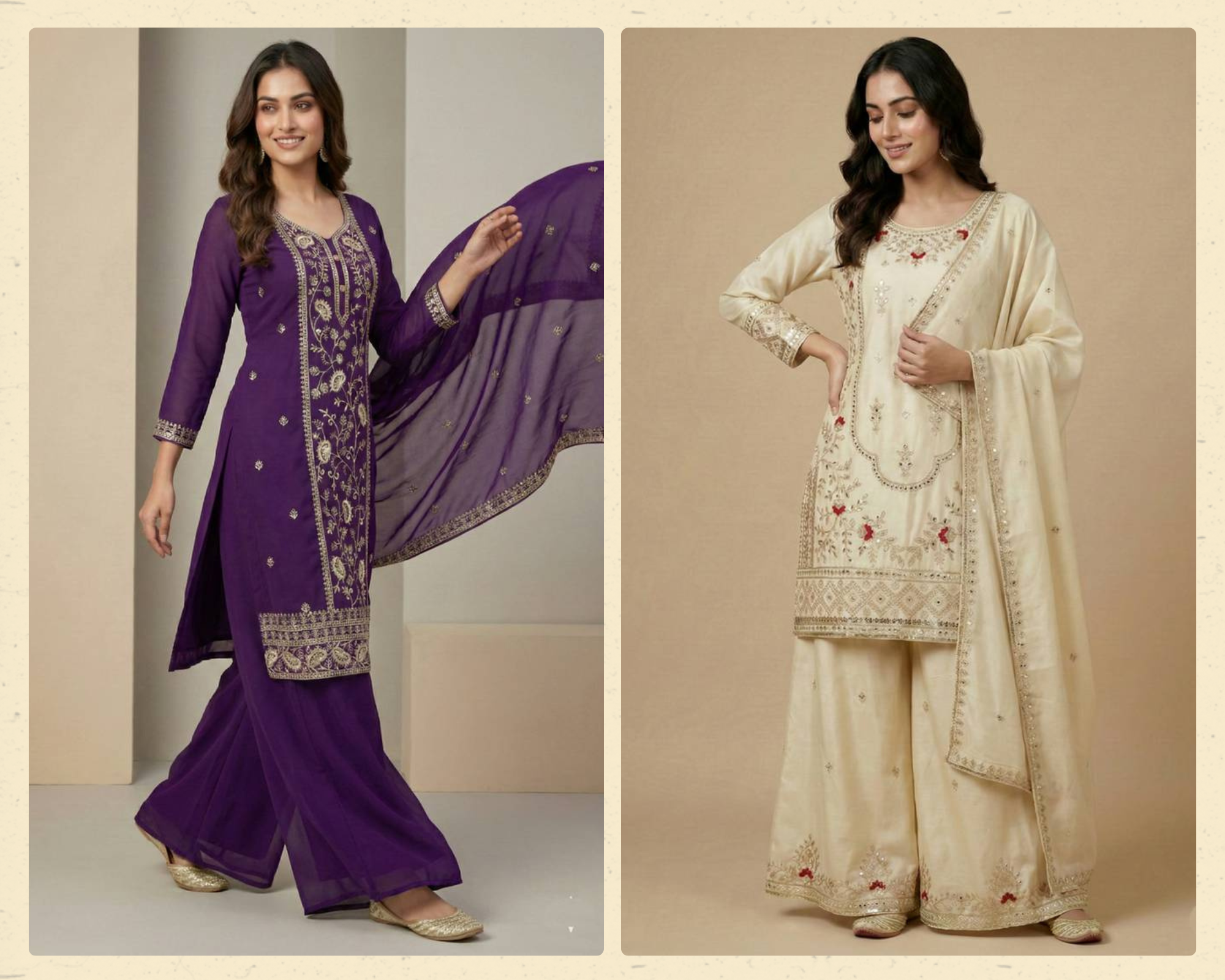
These suits are renowned for their clean lines and structured silhouettes, which create a graceful look. The kurta is on the longer side, often extending below the knee. It is paired with statement bottoms like straight pants, cigarette pants or palazzos. They also feature straight or slightly relaxed cuts, giving the outfit a lean, refined appearance. Another key feature of Pakistani dress for women is its controlled side slits, which allow for comfort and easy movement. Overall, the Pakistani dresses are all about balanced proportions, effortless elegance and minimal volume. 

Sharara Suits: Flared Elegance 

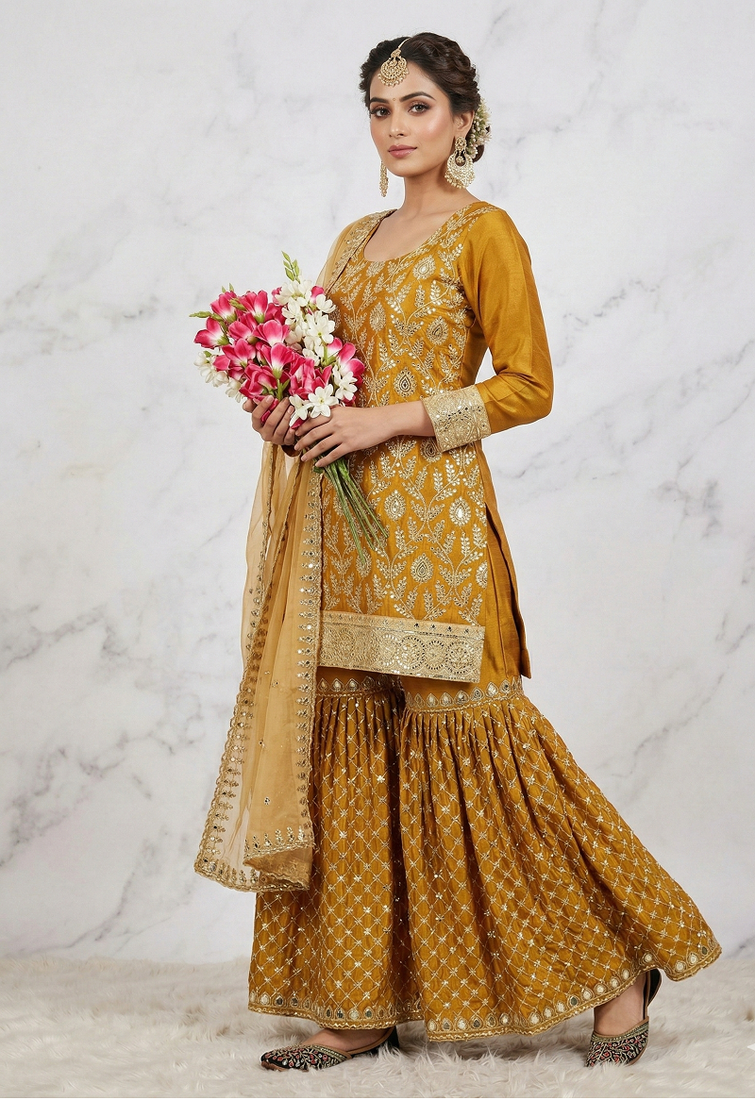
Sharara is defined by its dramatic visual effect and festive glamour. These suits are fitted to the knee and then flare dramatically towards the floor, creating an extremely elegant appearance. Often paired with short kurtas for a chic look, this ensemble is designed to bring movement and drama to your look. The magical thing about the sharara dress is its strong association with festive wear. They are often crafted with rich fabrics like silk, velvet, and georgette. The sharara suits are also bedecked with zari, sequins or gota patti work, leaning in heavily into the festive wear vibe.

Structure vs Volume: A Clear Comparison  

Feature Pakistani DressSharara Suit 
Silhouette Structured and elegantFlowy and festive 
Kurta Lenght Long and below the kneeShort to mid-length 
Visual ImpactRefined and Polished Dramatic and Festive 
Movement Minimal flow Flared and Wide 

Selecting the Ideal Fabric: Pakistani Suits vs Sharara  

The Sharara and Pakistani dress are two different types of salwar kameez for women. Their silhouettes demand different fabric approaches. 

Pakistani Suits: 

  1. Lawn: This is one of the most popular fabrics used to craft Pakistani salwar kameez. It is a breathable, lightweight cotton fabric renowned for its soft texture and smooth finish. 
  1. Chiffon: Chiffon is a lightweight, sheer fabric that lends a graceful drape, making it a popular fabric for Pakistani suits. It adds elegance and fluidity that allows the fabric to move gracefully with every step.   
  1. Silk Blends: These fabrics combine the sheen of silk with the practicality of other fabrics such as cotton, polyester or viscose. They have a subtle shine and smooth texture that instantly elevates the overall look of the suit. 

Sharara Suits: 

  1. Georgette: This fabric is renowned for its fluid drape and slightly crinkled texture. It creates a soft cascading fall that enhances the signature flare of a Sharara dress. 
  1. Silk: The most luxurious fabric, silk exudes opulence like no other. It adds a regal touch to the outfit, which makes it suitable for weddings and festive occasions. 
  1. Organza:  Sharara suits made from organza are all the rage right now. It is a lightweight, sheer fabric with a crisp texture and a subtle sheen. 

Best Occasions To Wear Each Style 

Pakistani Dresses: 

  1. Formal Gatherings: Pakistani suits’ inherent elegance and polish make them ideal for occasions where formality is needed. You can style one for office meetings, small parties and award ceremonies. 
  1. Evening Events: These ensembles are a perfect pick for evening events due to their refined elegance and graceful appeal. Perfect for dinners, receptions or festive gatherings, these suits offer a stunning balance of sophistication and comfort. 
  1. Cultural Occasions: Pakistani salwar kameez is an apt choice for cultural occasions where style meets tradition. Their modest and elegant silhouette makes them perfect for festivals, family gatherings and traditional ceremonies. 

Sharara Suits: 

  1. Weddings: Weddings are all about dressing up in your best and bringing the drama. A sharara dress suits this occasion perfectly due to its flared elegance and dramatic silhouette. 
  1. Festive Celebrations: These statement-making suits are hugely popular as festive wear. Their voluminous bottoms create beautiful movement, making them ideal for lively occasions like Diwali, Eid and Navratri. 
  1. Ceremonial Events: Sharara suits are a stunning choice for ceremonial events, where tradition and grandeur take centre stage. Their flared silhouette and ornate detailing make them ideal for occasions like traditional rituals and cultural events. 

Styling Approach: Understated Elegance vs Festive Drama 

Pakistani Suits:

Styling a Pakistani salwar kameez is all about adding elegance to the clean silhouette. The goal is to keep the look refined and effortless. Opt for minimal, elegant pieces like small jhumkas, studs or a delicate necklace. A well-draped dupatta can transform your look, hence focus on that. Finish off your look with traditional juttis, mojaris or simple heels. 

Sharara Dresses:

The aim while styling Sharara suits is to embrace their volume while balancing the overall look and keeping it festive. These suits look beautiful with statement pieces like Chandbalis, Maang Tikkas, layered necklaces and Passas. The dupatta can be styled over one shoulder with soft pleats. You can also pin it for added comfort. Heels or wedges add height and complete the overall glam of the look. 

Placing Both Styles Within The Salwar Kameez Spectrum

Both the Sharara suits and Pakistani salwar kameez are eclectic variations of the salwar kameez category. Each serves a different purpose. While the sharara suit is festive and glamorous, the Pakistani style suit leans towards sophistication and minimalistic beauty. 

To Know More About: 

Final Thoughts

In the end, the choice between Pakistani suits and Sharara comes down to what kind of statement you want to exude. Pakistani suits embody tailored grace with clean lines, refined silhouettes and understated charm. Sharara suits, on the other hand, celebrate festive flair with their voluminous silhouettes, rich fabrics and eye-catching designs. Whether you lean towards structured sophistication or embrace celebratory volume, both these elegant ensembles ensure you step out in style.

A Complete Guide to Kundan Jewellery – History, Types and Styling Tips

0

When you explore traditional Indian jewellery, kundan jewellery stands out as one of the most elegant and royal forms. It is known for its rich appearance, detailed craftsmanship, and strong cultural roots. Even today, it continues to be one of the most preferred jewellery styles for weddings and grand celebrations.

To understand kundan jewelry, you should know that the word kundan refers to highly refined or pure gold. In kundan jewellery, gemstones are set using the purified gold foil rather than prongs or claws. The technique gives the jewellery a smooth surface and a soft golden glow.

Kundan jewellery is considered royal because it was originally crafted for kings and Queens. The use of precious stones, refined gold, and intensive handwork made it a luxury reserved only for royal courts. When you compare kundan jewellery with other Indian jewellery styles like temple jewellery or modern gold ornaments, the difference becomes clear. Traditional Kundan jewellery focuses more on artistry and stone settings rather than gold weight.

Culturally, kundan jewellery represents heritage, prosperity, and celebration. It is generally worn during weddings, festivals, and important family occasions. This kundan jewellery guide helps you understand why traditional kundan jewellery has remained timeless for centuries.

The Historical Journey of Kundan Jewellery

The history of kundan jewellery dates back more than 400 years. It originated in ancient India, where skilled craftsmanship developed advanced techniques of gemstone setting and gold refinement.

The art form flourished during the Mughal era. Mughal emperors introduced Persian design influences, bringing symmetry, gemstone carving, and refined detailing into Indian jewellery. This period gave rise to what is known as Mughal kundan jewelry today.

Royal families of Rajasthan and North India later adopted and enhanced the craft. Jaipur emerged as the main center of kundan craftsmanship because of strong royal patronage; experts were provided with workshops, gold, and gemstones, allowing the tradition to grow.

Initially, kundan jewellery was worn only in the royal courts during ceremonies and celebrations. With time, these royal designs became part of bridal jewellery symbolizing wealth, elegance, and good fortune.

In modern India, kundan jewellery continues to evolve while preserving its heritage. Even today, it remains an important chapter in traditional Indian jewellery history.

Inside the Craft: How Authentic Kundan Jewellery is made

Understanding how kundan jewelry is made helps you appreciate its value.  Unlike machine-made ornaments, kundan jewellery is completely handmade. The materials used include refined gold foil, resin gemstones, glass stones, and enamel. Pure kundan is gold refined repeatedly until it becomes soft enough to shape around stones.

The kundan jewellery-making process begins with a basic framework. Lac is then filled inside the structure to provide support. The stones are placed carefully according to the design. The sheets of gold foil are pressed around each stone, holding them securely. The step demands precision and years of experience. Gemstones play a very important role in kundan craftsmanship. Traditional stones are uncut diamonds, emeralds, rubies, and sapphires. Because the work cannot be automated, handmade Kundan jewelry requires significant time and artistic skill.

Types of Kundan Jewellery

Kundan jewellery is available in many forms, allowing you to choose designs based on your outfit and occasion.

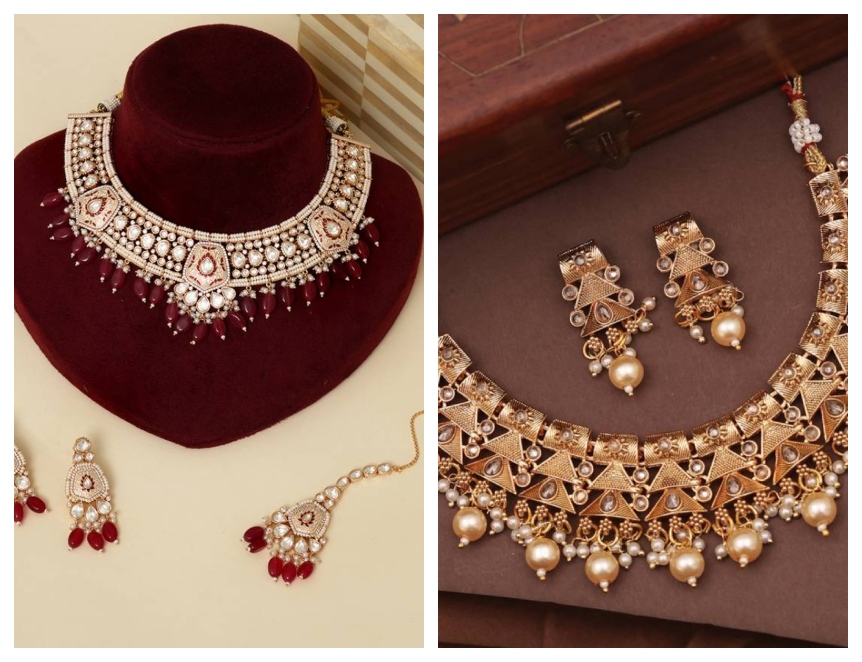
  • Kundan Necklaces

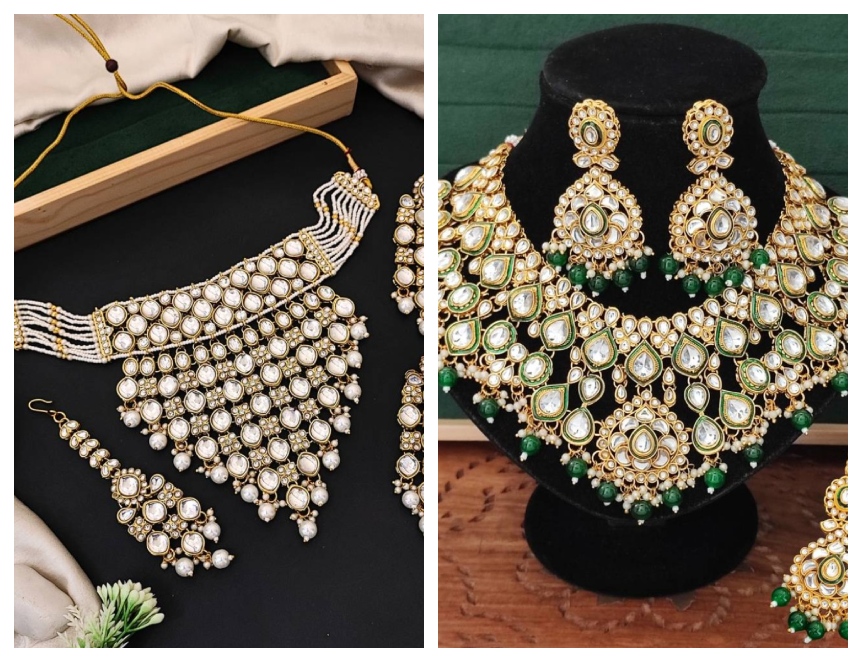
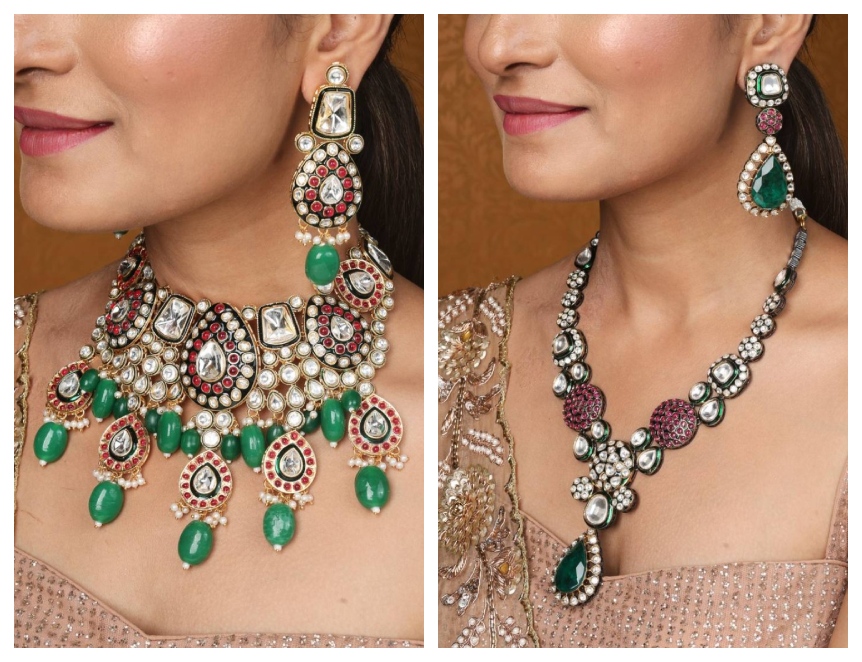
Necklaces are one of the most common types of kundan jewelry. They range from simple single-line styles to heavy layered necklaces. They often form the centerpiece of your bridal jewellery. The delicate stone setting and gold detailing enhance your overall look.

  • Kundan Chokers

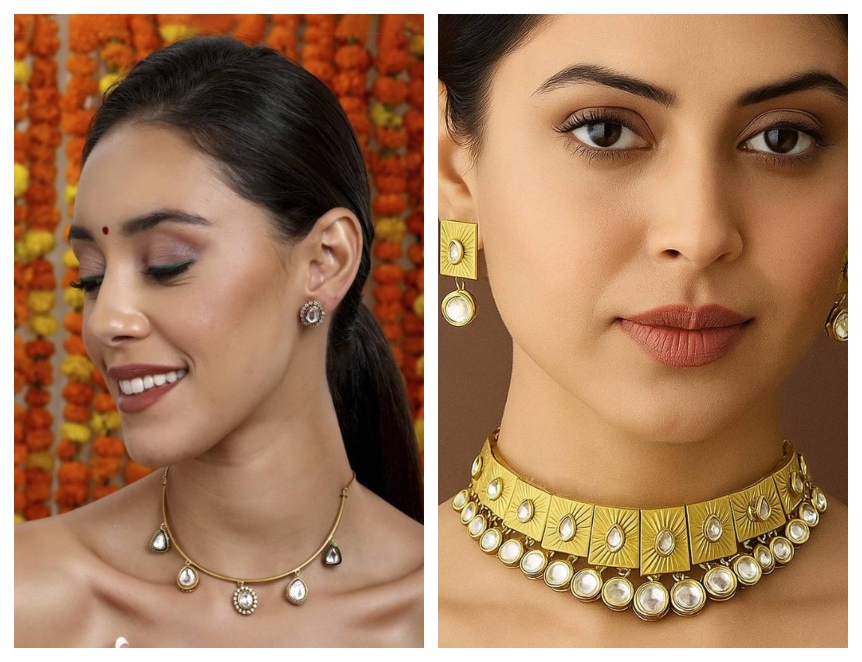
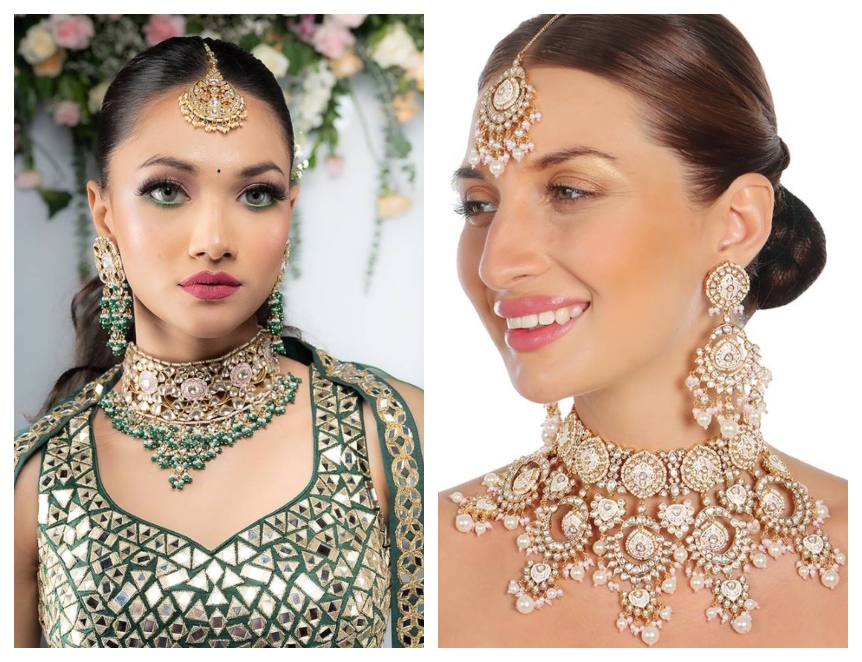
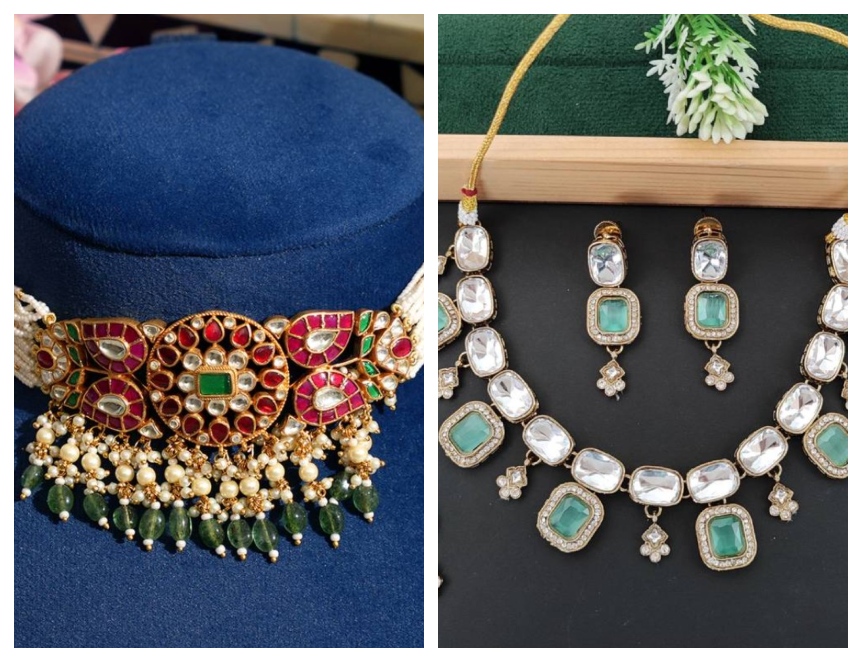
Chokers sit close to your neck and create a royal appearance. They are popular for weddings and receptions. Modern kundan choker designs pair beautifully with lehengas and sarees. The structured design gives you a royal and graceful look.

  • Kundan Earrings

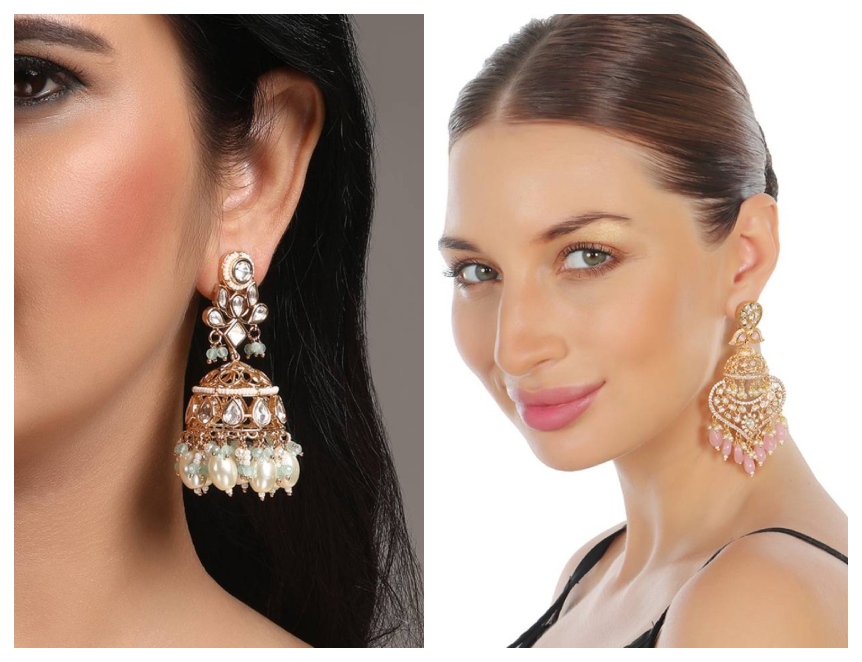
Kundan earrings come in different styles. Jhumkas promise a traditional look while chandbalis are ideal for festive occasions. The earrings highlight your face beautifully. You can wear them alone or pair them with heavy necklaces. They add richness without overpowering your outfit.

  • Kundan Maangtikka

It is an essential bridal accessory. When you wear it at the center of your forehead, it creates symmetry and balance. The designs often feature central stones surrounded by gold detailing. You can choose heavy or lightweight styles depending on your function.

  • Kundan Bangles and Bracelets

Kundan bangles and bracelets add elegance to your hand. You can wear them individually or layer them for a heavier appearance. They pair beautifully with traditional outfits. The stone detailing reflects light with movement.

  • Kundan Rings

Kundan rings usually feature bold stone settings. You can wear them as statement pieces or match them with your jewelry set. They are perfect for weddings and festive events. The delicate designs add charm even with minimal accessories.

  • Kundan Bridal Jewelry Sets

Bridal sets usually include a necklace, earrings, and sometimes bangles. All the pieces are coordinated in design and color. The sets are crafted to complete your bridal outfit perfectly. The harmony and richness define bridal kundan jewellery.

Styles and Variations of Kundan Jewellery

kundan jewellery has evolved into multiple styles while keeping its traditional essence alive.

  • Traditional Kundan Jewellery

Traditional kundan jewellery features rich gold tones, uncut stones, and symmetrical patterns. The designs reflect royal aesthetics and heritage craftsmanship. You will often see heavy detailing and bold colors. The style is mainly chosen for weddings. It represents timeless elegance.

  • Contemporary Kundan Jewelry Designs

Modern designs focus on lightweight and wearable patterns. You can notice softer colors and simpler layouts. The pieces are suitable for parties and casual celebrations. They allow you to enjoy tradition without heaviness.

  • Polki Kundan Jewellery

Polki jewellery uses uncut diamonds, making it more luxurious and expensive when you compare polki vs kundan. The key difference is stone quality and pricing. Polki has a raw diamond shine. It is often preferred for premium bridal jewellery.

  • Meenakari Kundan Jewellery

Meenakari kundan jewellery features colorful enamel work on the reverse side. The hidden artistry enhances the beauty of each piece. Floral and traditional elements are commonly used. It is extremely prominent in bridal sets. Meenakari kundan jewelry adds color and depth.

  • Temple-inspired Kundan Jewellery

Temple-inspired kundan jewellery styles draw inspiration from Indian culture and elements. They reflect spirituality and cultural richness. These pieces are ideal for religious ceremonies. The antique finish gives them a heritage feel, and they beautifully combine traditional and devotional styles. 

  • Lightweight versus Heavy Kundan Jewellery

Lightweight kundan jewellery is ideal for long hours and modern events. Heavy kundan jewellery is perfect for weddings and grand functions. The difference lies in stone size and detailing. You can choose based on comfort and occasion.

Kundan Jewellery by Region

Different parts of India have shaped kundan jewelry in unique ways, adding regional character to each design.

  • Rajasthan Kundan Jewellery

Rajasthan is the birthplace of traditional kundan jewellery designs, which are bold and royal. You can often notice rich colors and heavy stone settings. It stays closest to original Indian traditions.

  • Jaipur Kundan Jewelry

Jaipur is globally known for its skilled artisans. Jaipur kundan jewellery features fine craftsmanship and balanced proportions. The finishing is smooth and refined. The city remains the heart of kundan artistry.

  • Delhi Kundan Jewellery Designs

Delhi designs blend traditional settings with modern aesthetics. The jewelry is usually lighter and more fashion-forward. It’s perfect for contemporary bridal and partywear. The finishing is perfect for modern tastes while still preserving heritage.

Across regions, differences appear in elements and stone placement. The variations highlight the richness of the Indian Kundan jewellery regions.

Wedding Royalty: Kundan Jewellery for Brides and Celebrations

Kundan jewellery holds a special place in Indian weddings. You are not just choosing jewelry, you are choosing tradition, heritage, and the look that feels truly royal. The soft gold shines with bridal outfits, making kundan Jewellery timeless for a wedding celebration.

One of the main reasons you’ll see wedding kundan jewellery at almost every traditional wedding is its ability to complement heavy bridal wear. Whether you are wearing a lehenga or a saree, kundan jewelry enhances the richness of your outfit without overpowering it.

  •  Understanding Kundan Bridal Jewelry

A typical bridal jewelry set is thoughtfully designed to give you a complete and harmonious look. It usually includes a statement necklace, matching earrings, and a maang tikka. In many sets, you can also find bangles or a nose ring that follows the same design.

What makes the sets really unique is how every piece complements the other. The stone colors and gold tone remain consistent, ensuring that your jewellery looks coordinated from head to toe.

  • Kundan Jewellery for Brides versus Bridesmaids

As a bride, you can go for heavier and more delicate jewelry pieces, especially a bridal kundan necklace. Larger stones, layered necklaces, and detailed craftsmanship help you create a grand bridal presence. Your jewelry should become one of the most noticeable elements of your wedding look.

The styling is much lighter for bridesmaids. If you are one, then you can go for simple chokers or delicate earrings. This keeps your look elegant while allowing the bride’s jewellery to stand out beautifully.

  • Kundan Jewelry for Different Wedding Functions

Each wedding function has its own mood, and kundan jewellery effortlessly fits into them. For your engagement ceremony, light kundan chokers or elegant necklaces set work perfectly. They look graceful without feeling too heavy.

During the mehendi function, colorful designs with enamel work are ideal. Meenakari kundan jewellery adds brightness and pairs beautifully with vibrant outfits. You can choose layered necklaces or statement earrings for the sangeet. They shine under lights and allow easy movement while dancing.

On the wedding day, traditional heavy bridal kundan jewellery becomes the highlight. Grand necklaces and matching earrings create a truly royal bridal look. For the reception, you can go for modern Kundan jewellery. Sleek chokers, pastel tones, or diamond-accented designs give you a modern yet traditional finish.

Styling Kundan Jewellery the Right Way

Styling kundan jewellery is all about balance. Because the jewellery itself carries a strong traditional presence, the way you pair it with your outfit plays a very important role. Understanding how to style kundan jewellery allows you to wear it confidently across traditional and modern outfits.

  • Pairing Kundan Jewellery with Lehengas

When you wear a lehenga, kundan jewellery becomes your strongest styling partner. Heavy bridal lehenga looks best with statement kundan necklaces or chokers. If your blouse has heavy embroidery, a single-layer necklace with matching earrings keeps your look balanced. For lighter lehengas, you can experiment with layered necklaces to add richness.

  • Styling Jewelry with Sarees

 The kundan jewellery with a sari combination never goes out of fashion. For silk saris, you can go for traditional kundan sets with bold stones. With chiffon or georgette sarees, you can go for lighter designs.

  • Wearing Kundan Jewellery with Anarkalis

Anarkalis carry flow and volume, and kundan jewellery complements them naturally. Long necklaces pair really well with high-neck or floor-length anarkalis. You can skip heavy chokers and focus on drop earrings.

  • Indo Western Outfit Pairing

Kundan jewellery is no longer limited to traditional wear. You can also style it with Indo-Western outfits like jackets or crop tops. A kundan choker with a contemporary blouse creates a striking contrast.

  • Layering Kundan Necklaces Gracefully

Layering is one of the most stylish ways to wear kundan jewellery today. You can combine a choker with a long necklace to create depth. The key is to always maintain spacing and consistent stone colors.

  • Choosing Earrings based on Face Shape

Your face shape plays a very important role in selecting the right earrings. If you have a round face, long earrings create balance. If you have an oval shape, almost every kundan earrings style works well. If your face is heart-shaped, jhumkas often soften sharp features. Making the choice wisely is one of the most useful kundan jewellery styling tips for achieving a great look.

Kundan Jewelry Compared with Other Indian Jewellery Styles

Understanding how kundan differs from other jewelry types helps you make confident buying and styling decisions. This Indian jewelry comparison highlights the main differences clearly.

  • Kundan versus Polki Jewellery

When comparing kundan versus polki, the main difference lies in the stones used. Kundan jewellery uses glass stones or gemstones set in gold foil, while polki jewellery features uncut natural diamonds.

  • Kundan versus Meenakari Jewellery

Kundan jewellery focuses mainly on front-facing stonework, while Meenakari designs highlight colorful enamel artistry at the back. In many designs, both techniques are combined. But meenakari places greater focus on color work, and kundan focuses on stone settings.

  • Kundan versus Temple Jewelry

Kundan versus temple jewelry shows a clear styling difference.  Temple jewellery draws inspiration from deities and South Indian architecture. Kundan jewellery focuses on the royal Mughal and Rajasthan in design language.

  • Kundan versus Diamond Jewellery

Diamond jewellery offers brilliance and modern appeal. Kundan jewellery provides warmth and heritage. Diamonds are machine-set while kundan is handcrafted. Kundan suits weddings and cultural events, while diamonds are perfect for contemporary styling.

  • Kundan versus Gold Jewellery

Traditional gold jewellery relies on gold weight and purity. Kundan jewellery values craftsmanship and design, modern metal quantity. Gold Jewelry is perfect for daily investment wear, while kundan jewellery is ideal for celebrations.

How to Recognize Authentic Kundan Jewelry?

With increasing demand, imitation pieces have become common. Knowing how to identify genuine craftsmanship helps you invest wisely. Understanding how to check real kundan jewellery protects you from replica pieces. Authentic jewelry has a smooth stone setting with no visible prongs. Kundan jewellery does not use solid gold frames at all. Instead, highly refined gold foil is applied over a base structure. The gold is extremely pure but used in small quantities. Real kundan jewellery is always handmade, while machine-made pieces look overly symmetrical and flat. If the design appears too perfect, it is likely an imitation. You might believe real kundan jewellery is pure gold, which is incorrect. Others might assume it is fragile and unusable, which is also a myth.

Caring for your Kundan Jewelry

Proper care ensures that your jewelry retains its beauty for years to come. Following correct kundan jewellery care practices preserves the shine and structure. You must always store the jewelry in soft fabric-lined boxes and keep each piece separate to prevent scratching. Never use water or chemical cleaners; instead, gently wipe with a soft dry cloth. Understanding how toclean kundan jewelry safely helps protect your gold foils.

Besides storing it rightly, you should also wear jewelry after makeup and avoid hairsprays or sweat. These precautions are important for proper kundan jewellery maintenance. With correct storage and occasional professional cleaning, kundan jewellery can last you for decades.

Understanding Pricing and Buying Kundan Jewellery Smartly

Before purchasing, it is very important for you to understand the kundan jewellery price. The price depends on craftsmanship, the quality of the stone type, and design complexity. Handmade detailing significantly increases the value. Handmade jewellery is priced based on the labor intensity, while designer kundan jewellery includes brand value and exclusivity. Both options offer different advantages depending on your budget.

The type of jewellery also impacts the Kundan jewellery cost. If you are buying lightweight pieces, they are more affordable than bridal sets. Besides, pricing online and offline also makes a difference. When you buy kundan jewellery online, you must always check certifications and return policies. Offline stores allow you to examine craftsmanship physically, but they might cost slightly more. In short, you must always check stone firmness, gold foil finish, and weight comfort before buying.

Kundan Jewellery Trends to Watch in 2026

Kundan jewellery continues to evolve while retaining tradition. The coming years focus on modern elegance. The kundan jewellery trends 2026 reflect a blend of heritage and minimalism. Today, you can see designers introducing cleaner layouts with fewer stones and sharper finishes. These latest kundan designs suit both weddings and receptions.

You can also see brides choosing lighter, layered necklaces instead of extremely heavy sets. Modern silhouettes dominate bridal fashion. Stones in soft shades like peach, mint, ivory, and blush pink are gaining prominence. They pair beautifully with modern lehengas. Minimal chokers and short necklaces are preferred for comfort-focused styling. This defines the rise of modern kundan jewellery. Celebrities are also styling kundan jewellery with fusion outfits, crop blouses, and monochrome lehengas, influencing the bridal trends to a great extent.

FAQ’s

  • Is kundan jewelry made of real gold?

Kundan jewellery uses highly refined gold foil, not solid gold frames.

  • Can you wear kundan jewellery every day?

It is best reserved for occasional wear due to its delicate nature.

  • Is Kundan jewelry suitable for South Indian brides?

Yes, many South Indian brides pair kundan with silk saris for a royal fusion look.

  • Which outfits look best with kundan jewellery?

Lehengas, anarkalis, indo western outfits work beautifully.

  • How long does kundan jewellery last?

With proper care, kundan jewellery can last you for decades and become an heirloom.

Best Tips to Accessorize Your Party Lehenga the Right Way

0

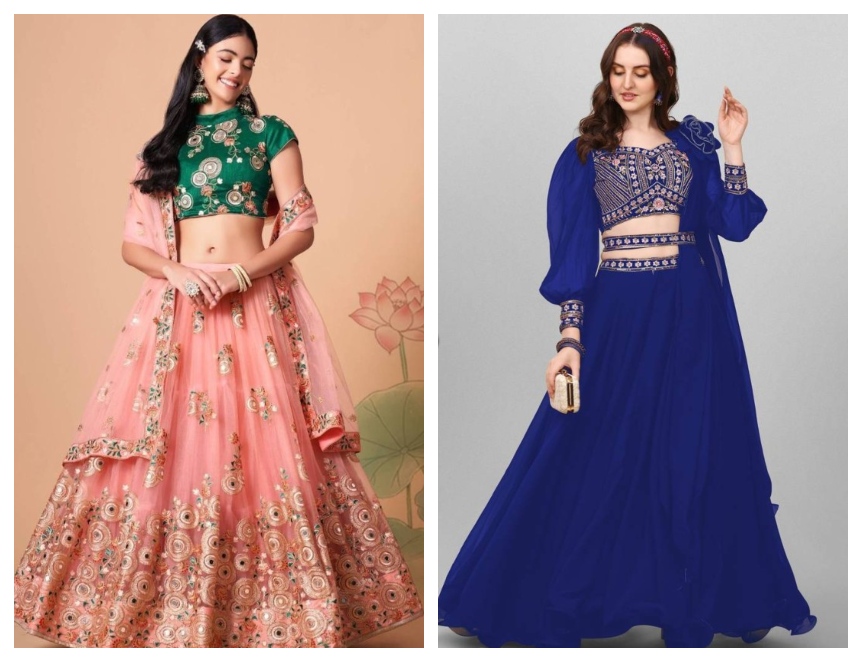
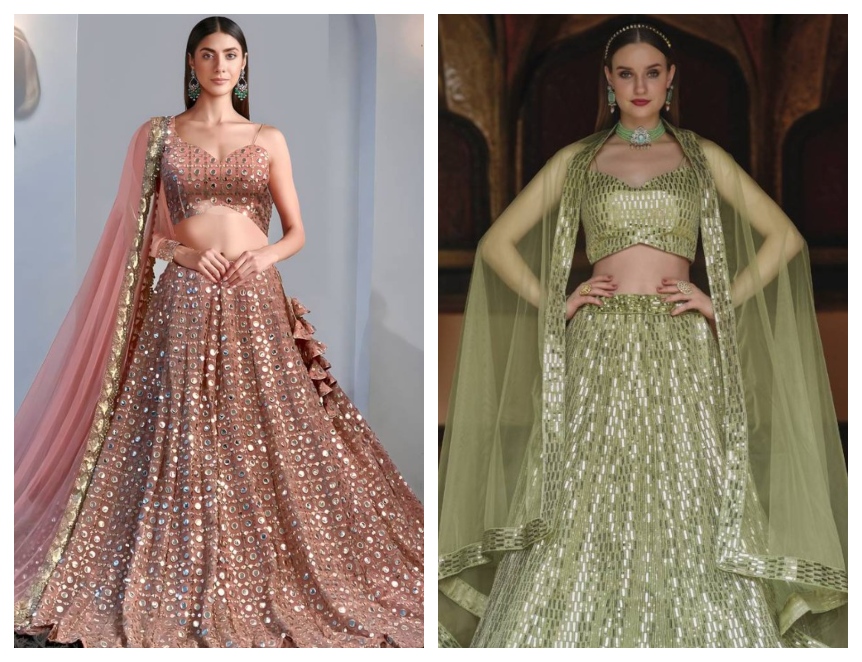
Party lehengas are designed to make a grand style statement. With structured silhouettes, luxe fabrics, and intricate embellishments, they are the epitome of grace and sophistication. But it’s the details that determine whether the look is truly glamorous. All your accessories, from jewelry to footwear, are equally instrumental in making a sparkling outfit. And so here are some top tips for accessorizing your party lehenga like a pro! In this blog, we will clarify just that and beyond.

  • Go for Decadent Jewelry: When it comes to accessorizing a party wear lehenga choli, jewelry is the most important bit. Thoughtfully worn jewelry pieces can transform even the simplest of lehengas into a red carpet-worthy outfit. Think layered necklaces, dangling earrings, and stacked bracelets. These pieces infuse glamor into your look and elevate it without much effort. You can also consider investing in a Kundan or Polki necklace. These traditional jewelry items come with a timeless elegance that is unbeatable.
  • Choose Your Footwear with Care: To increase the charm of your party lehenga, you must pair it with statement footwear that instantly commands attention. Your lehenga is here to steal the spotlight, but don’t make the mistake of overlooking your footwear. One popular trend is pairing embellished juttis or mojaris with a party wear lehenga. These traditional Indian shoes are bedecked with intricate embroidery, sequins, and even semi-precious stones. Pair them with your lehenga and let your shoes do all the talking. For a modern twist, you can also opt for strappy heels or embellished sandals.
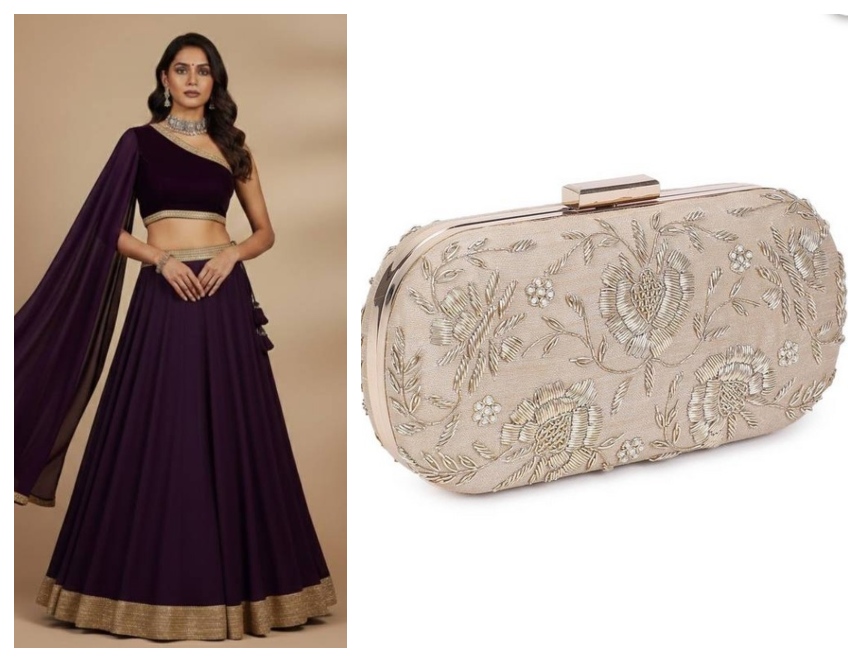
  • Select the Perfect Handbag: A stylish clutch or handbag not only adds a fashionable touch but is functional as well. However, ensure that you balance practicality with aesthetics. An intricately embellished clutch can become a statement piece. Go for designs and patterns that match the color and embroidery of your lehenga. You can also go for a potli bag. These are a fun blend of tradition and modernity. They not only help you carry your essentials but also bring a charming vibe to your look.

  • Master the Art of Dupatta Draping: The dupatta transcends being just an accessory. It is an essential element that adds layers and dimension to your look. You can drape it in multiple ways to achieve a true ethereal look. You can style it in a classic drape. This involves draping your dupatta over your shoulder and letting it cascade down. For a hint of modernity, go for a front drape. Place the dupatta over your torso and let it hang gracefully.
  • Emphasize Hair and Makeup: Once your outfit and accessories are finalized, it’s time to turn your attention to your hair and makeup. For hair, you can go with elegant updos such as chic buns or intricate braids adorned with flowers. You can also try soft, romantic waves for an effortless look. Be very careful with your makeup. It should highlight your features without overpowering them. Opt for bold lips, subtle eyes, and glowing skin, and you are ready to dance away at the party.
Final Thoughts

Thus, smart accessories are just as important as your party lehenga itself. From stylish jewelry to the right footwear, each element has its own role to play when creating a cohesive look. With thoughtful styling and confidence, you can turn any party wear lehenga into an iconic piece in an instant. 

How to Choose the Right Party Lehenga for Every Occasion

0

From glamorous festive parties to vibrant pre-wedding celebrations, the party wear lehenga has emerged as a modern wardrobe essential. No longer just reserved for weddings, this stylish ensemble has completely redefined party dressing in recent years. However, the trick to a truly elegant look is choosing the right party lehenga choli for the right occasion. A bold metallic design may turn heads at a sangeet, while a classic black silhouette exudes an air of refinement at a cocktail party. You have to consider the mood, setting, and formality of the occasion to make the perfect choice. Here’s your complete guide on selecting the best party wear lehenga for every occasion.

  • Wedding Events:

Picking out the right party wear lehenga for wedding functions totally depends on the vibe of the event. Events such as sangeet call for bold colors, shimmer details, and metallic tones. You should also go with lehengas in lightweight fabrics that allow you to move easily. For haldi and mehendi functions, go with bright shades like yellow, green, and orange. Team these shades with minimal embroidery or floral prints. As for the wedding day itself, choose silk or velvet party lehenga sets in red, crimson, or maroon.

  • Engagement and Reception Ceremonies:

These are the most important wedding events, but call for totally different asthetics. For engagement ceremonies, pastel shades with light embellishments in flowy fabrics like georgette or chiffon will add an ethereal touch. Wedding receptions, on the other hand, call for deeper fabrics and colors. You can showcase your modern glam look with a black or metallic sequin party lehenga. Other embellishments that also work are zari and zardozi.

  • Festive Parties:

A party wear lehenga choli for festive Diwali or Eid parties is a top pick. Get into the festive spirit by dressing up in vibrant colors, playful details, and comfortable silhouettes. You can also experiment with bold prints, light fabrics and Indo Western styling. Bright shades such as fuchsia, turquoise, emerald or sunshine yellow are apt for these occasions. Lightweight fabrics such as georgette, chiffon or organza are floaty and easy to carry. Lehengas with mirror work, sequins, or subtle embroidery match the festive atmosphere perfectly.

  • Day Time Celebrations and Brunches:

These events call for fresh and fuss-free styles. Softer hues and minimal embellishments work wonderfully. Opt for pastel shades such as baby pink, mint green, and butter yellow. Party wear lehengas with floral prints, thread embroidery, or subtle mirror work would make you stand out from the crowd. Breathable fabrics like cotton, linen and georgette ensure you stay comfortable throughout the day. You can even go for a fusion look, like a crop top lehenga or a cape lehenga, to shine bright.

  • Choosing According to the Season:

It is a given that while some party wear lehenga cholis might work in the summer, they are not at all suited for the colder weather of winter. You must choose your look accordingly. For summer, the goal is to stay cool and sweat-free. Lehengas in breathable fabrics such as cotton, cotton-blends, and linen are comfortable yet stylish. In the winter, go for plush fabrics like velvet and silk for better insulation.

  • How To Choose the Right Silhouette:

The silhouette of your party lehenga is just as important as its color and fabrics. After all, the silhouette determines how the outfit flatters your body shape, enhances comfort, and suits the occasion. If comfort is your priority, then go for lightly flared party lehengas with breathable fabrics. Some top choices are A-line lehenga, straight cut lehenga, and mermaid lehenga. However, if you want to bring the drama, then opt for choices such as flared or paneled lehengas.

  • Color Coordination with your Skin Tone:

Not everyone has the same skin tone, and we get that. While some party wear lehenga sets might look good on dusky skin tones, they might be too loud for lighter skin tones. Hence, picking out a lehenga that flatters your skin tone is a must. If you have a light skin tone, then go for hues such as soft pastels, rich jewel tones, or classic reds and maroons. If you are a medium-toned beauty, then shades such as vibrant brights and metallic as well as earthy shades would look good on you. However, if your skin tone is dusky, then bold jewel tones, neon brights, and gold metallic shades work like a charm.

Why Salwar Kameez is the Perfect Wedding Guest Attire

0

As the wedding season approaches and invitations are received, only one question lingers on every guest’s mind what do I wear? Out of the plethora of wedding guest outfits available, the salwar kameez stands out. It is one of the most elegant and refined choices for wedding guests, and we will tell you why. This magical attire blends comfort with grace, tradition with trend, and versatility with style. For wedding goers, it is the perfect way to look stylish without overshadowing the bride. Let’s take a look at the reasons why the salwar kameez is winning the wedding guest outfit game with such ease.

Extremely Comfortable: 

Weddings are filled with long hours of dancing and movement. To truly enjoy the festivities, you need an outfit that offers you comfort without compromising style. This is where the salwar kameez fits right in. Much more comfortable than the traditional saree or lehenga, the Indian suit provides ease of wear like no other. It also allows you to freely move, dance, and groove to the music, without having to worry about frequent adjustments. The combination of the salwar, kameez and dupatta also exudes immense elegance. Thus, this ensemble is the perfect balance of style and comfort. 

Elegance without Formality:

One of the biggest challenges when it comes to wedding guest attire is striking a balance between elegance and extravagance. Guests are always on the hunt for attire that feels festive yet balanced. The salwar kameez ticks all these boxes and more. A well-designed salwar suit offers a refined look without feeling overly formal. Featuring delicate embroidery, luxe fabrics and vibrant colors, this stylish clothing brings just the right amount of festive cheer. 

Amazing Variety:

The beauty of the salwar kameez lies in its versatility. The silhouette of these suits comes in a wide range of styles. Unlike many traditional outfits that follow a single silhouette, salwar kameez designs come in innumerable cuts and patterns that cater to different fashion preferences and body types. From the graceful Anarkali to the decadent Sharara, the variety is endless. Guests can choose heavily embroidered designs for opulent evening functions or go for lighter fabrics for daytime weddings. The beauty of this outfit lies in its wide variety of styles. 

Apt for Different Wedding Functions:

Indian weddings include a multitude of functions. From the vibrant mehendi and haldi to the actual wedding day and reception, you need an outfit that will adapt well to different functions. For daytime ceremonies like haldi and mehendi, guests can pick salwar suits in light fabrics, pastel colors and minimal embellishments. For evening events, they can bring out the glam in rich fabrics, intricate embroidery, and statement dupattas. This amazing versatility allows the guest to maintain a cohesive yet sophisticated look throughout the celebrations. By simply switching up fabrics, colors and embellishments, the salwar suit can seamlessly fit into different wedding occasions. 

Easy To Accesorize:

Another reason why the Indian salwar suit is a wedding guest favorite is that it can be easily styled. This gorgeous attire provides a blank canvas for you to experiment with your jewelry, footwear and handbags. For a traditional look, guests can opt for statement jhumkas and layered necklaces. A stunningly embroidered or embellished dupatta also adds charm to the look. For those who prefer a more contemporary look, minimal jewelry, elegant heels and soft makeup can help create an unforgettable look. 

Great Alternative to Heavy Wedding Wear:

Traditional wedding dresses are undoubtedly beautiful, but we can’t deny that they are heavy and can tire you out easily. Salwar suits are like a breath of fresh air with their easy comfort. Most suits are made with lightweight materials that allow air flow, keeping you cool as you dance your heart out on the dance floor. They also allow easy movement and aren’t as restrictive as a lehenga or a saree. So, if you love to dress up with a comfort-first approach, then an Indian suit is the apt wedding guest attire for you. 

To explore various salwar kameez styles in detail — Click here 

Final Thoughts 

In the ever-changing world of fashion, the charm of salwar kameez for wedding guests has persevered. The perfect balance of comfort, style and elegance, the Indian suit has been winning hearts forever. Whether it is a daytime wedding ceremony or a glitzy reception, a well-designed salwar suit ensures you put your best fashion foot forward always.  

A Guide To Choosing Kaftan Dresses For All Occasions

0

Kaftans are a clothing essential in any Islamic woman’s wardrobe and for good reason. These long, flowy garments speak of comfort and style. What makes the kaftan for women so beloved is its versatility. Whether you are dressing up for a glam wedding, relaxing on a beach holiday, or even want to add pizzazz to your daily style, there is a kaftan dress that will suit them all. In 2026, kaftans come in a plethora of styles and designs. Hence, the question remains: how to pick the right one for a particular occasion? In this blog, we will walk you through some popular kaftan designs and how to select one for suitable occasions. 

Different Styles of Kaftan Dresses — A Brief

In recent years, kaftan designs have evolved. Gone are the days of simple, unfashionable kaftan silhouettes. Now, these dresses are a celebration of femininity, trend, and style. Here are some popular kaftan dresses that are in vogue right now: 

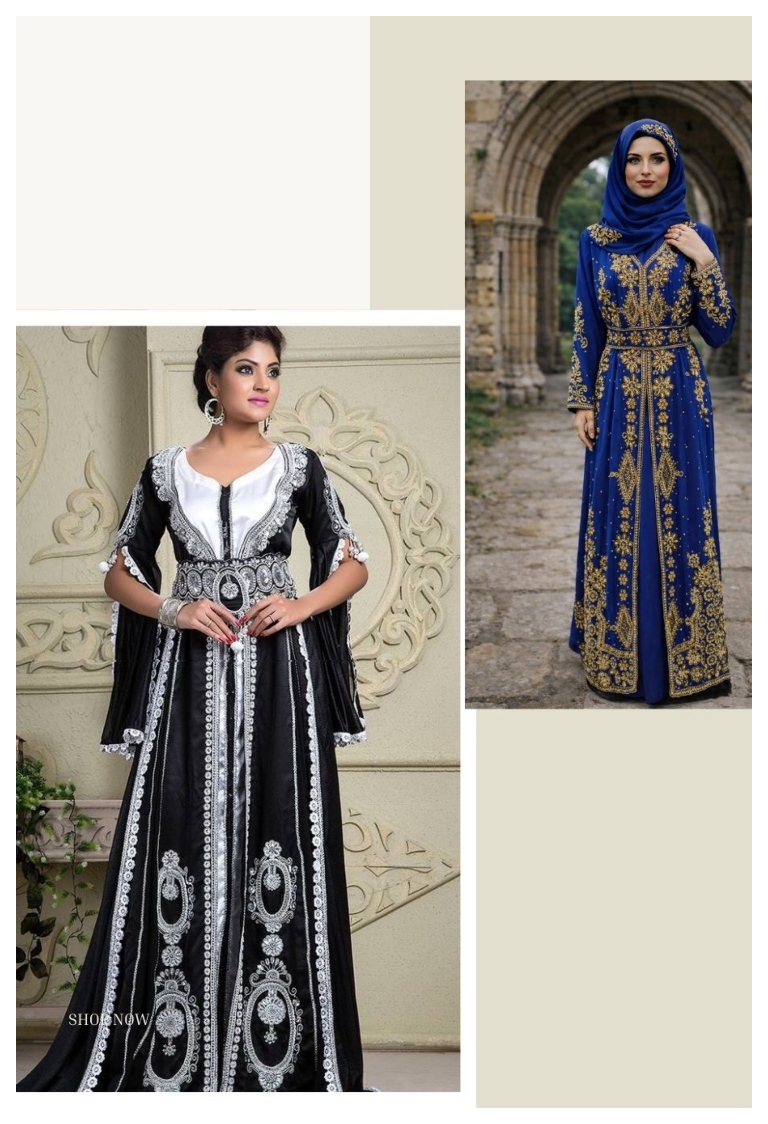
  • Fusion Kaftans: East meets West in these trendy kaftans. Asymmetrical hems and structured shoulders are combined with traditional Moroccan embroidery. 
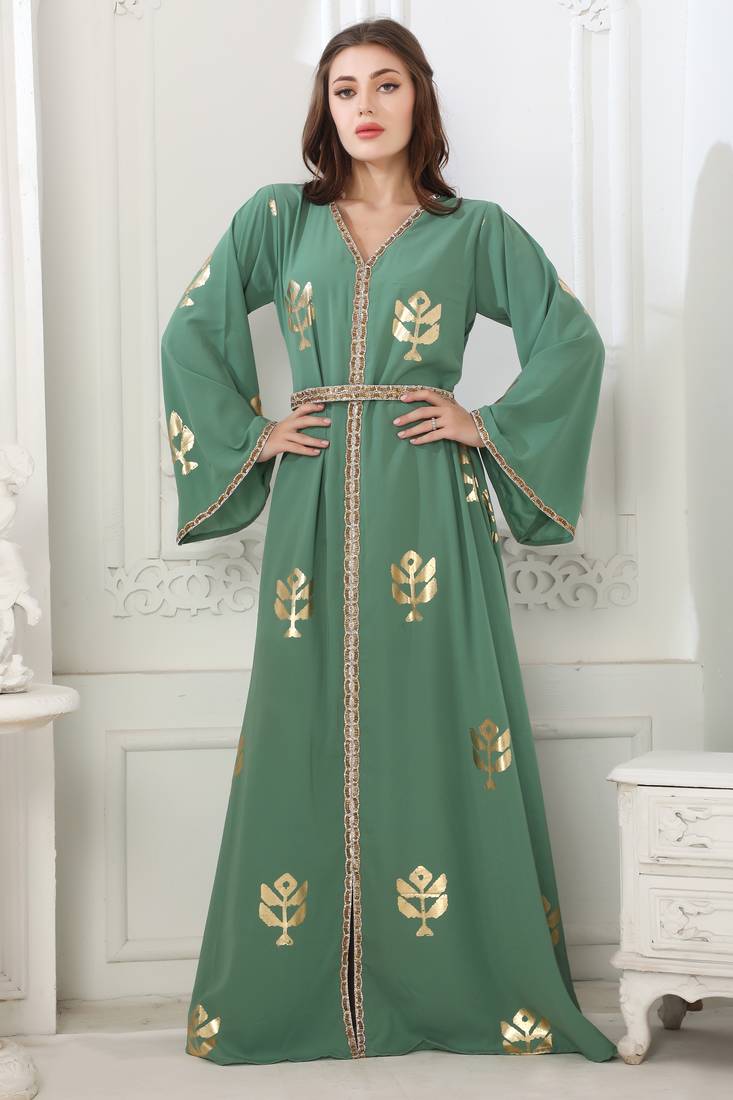
  • Metallic Kaftans: Pretty kaftan dresses for women infused with refined silver and gold threads are popular now. These make a striking pick for evening events. 
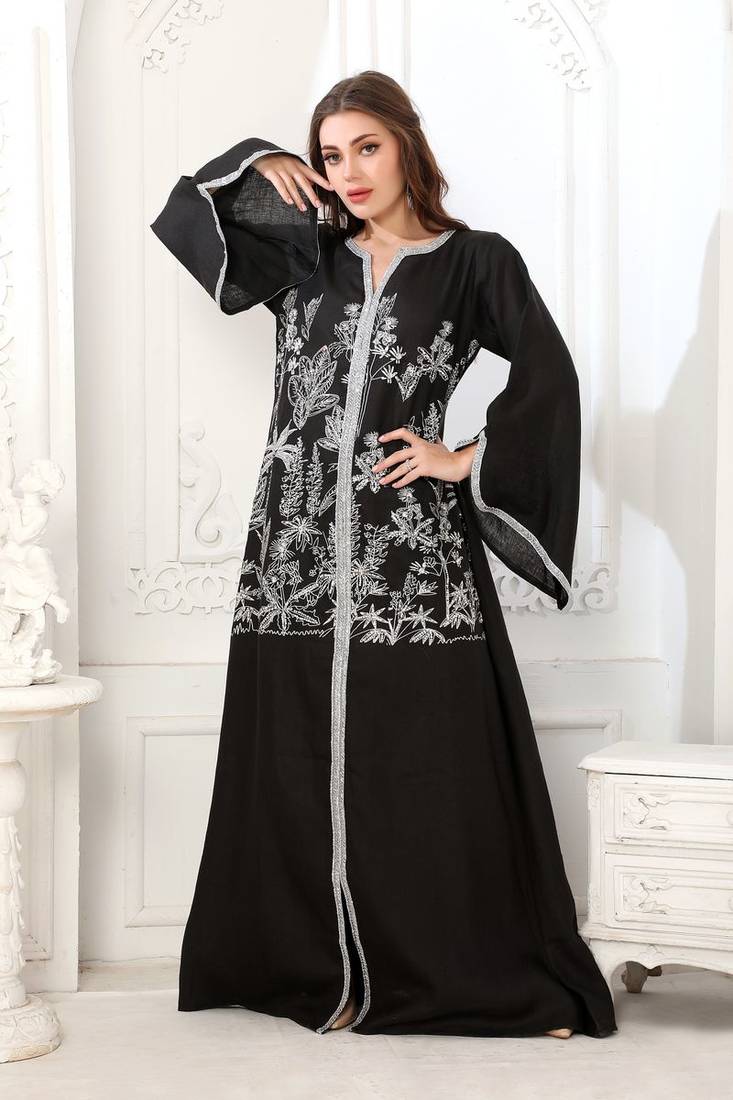
  • Embroidered Kaftans: Kaftans with hand embroidery, machine embroidery, Resham, zari work, and floral thread embroidery are much loved in 2026. 
  • Printed Kaftans: These kaftans are lightweight and move like the wind. Perfect for any woman who wants to look stylish and embrace an easy-breezy feeling. Some popular prints include florals, abstracts, and ethnic patterns. 
  • Belted Kaftans: For the ladies who prefer a sleek, tailored appearance, the belted kaftan is a must-have. These come with detachable fabric belts that define the waist. 

How To Pick The Perfect Kaftan For Various Occasions 

Picking Kaftans For Weddings and Engagements: 

Weddings and engagements are all about grandeur and pomp, and your kaftan should reflect the vibe. Here are some popular picks that you can try: 

Floor Length Embroidered Kaftans: 

These stunning pieces are the epitome of formal wear and are highly wedding-appropriate. The wedding kaftan dress is usually crafted from luxe materials such as silk, satin, and heavy crepe. Embroidered with delicate beadwork and zari, these dresses are a delight to the eyes. 

Heavily Embellished Kaftans: 

This Islamic dress is perfect for brides who want glamor without compromising on comfort. They are a great alternative to lehengas and come bedecked with sequins, pearl work, and rich embroidery.  

Chiffon Kaftans: 

Chiffon kaftans are elegant, stylish, and extremely comfortable. They are popular picks for wedding guest attire. The fabric is soft, supple, and gives effortless movement. They come embellished but aren’t too heavy.

Selecting Party Ready Kaftan Dresses: 

Kaftans make the perfect party ensembles due to their sophistication and charm. Here are beautiful party-ready kaftan styles to make a striking statement:  

Sequin and Embellished Kaftans:

The easiest way to look party-ready instantly, these beautiful kaftans glitter magically under evening and party lights. Decorated with delicate sequin work and other delicate details like bead and thread work, these kaftan dresses aid you in exuding a modern party-ready vibe flawlessly. 

Silk Party Wear Kaftan: 

Is there anything as luxurious as silk? We don’t think so. The smoothness and sheen of the fabric are unparalleled. These kaftans also allow for easy movement– perfect for those dance nights. 

Kaftan Gowns: 

The latest trend on the block is the Kaftan gown. This ensemble combines the glamor of a gown with the comfort of a kaftan. They are often floor length, making them perfect for formal occasions. 

Elegant Kaftan Styles for Everyday Wear

Kaftans need not be reserved for special occasions. Their comfortable fit and easy charm make them ideal for daily wear as well. Here are some types of casual kaftans that are ideal for daily wear: 

Cotton Kaftans: 

These soft, airy pieces are perfect for the hot and humid weather. They are breathable and lightweight, making them comfortable for long hours. They are also easy to wash and maintain, and hence are perfect for daily wear. 

Printed Casual Kaftans: 

Floral, abstract, or ethnic prints make daily wear look stylish without any extra effort. The prints serve to add personality to simple dressing. This kaftan style looks put together while looking effortless. 

Short Kaftan: 

This casual kaftan for women is shorter than the traditional kaftan. It is practical for daily movement, unlike floor-length kaftans. This everyday casual fashion will ensure you remain stylish while running errands or even lounging at home. 

Fabulous Caftan Dress Fabrics That Are A Must Try 

The fabric is what defines a kaftan over everything else. Today, kaftan dresses come in an assortment of fabrics, from cotton and linen to silk and velvet. Let’s explore a few of them in detail:

  • Silk: Silk kaftans offer a luminous glow and theatrical movement that instantly captures attention. Silk is inherently lightweight and luxurious, offering smooth texture and a graceful drape. 
  • Cotton: Cotton kaftans are a combination of breathability and comfort. They have a lightweight feel, excellent absorbency, and feel soft against the skin. The fabric’s natural properties make it ideal for hot and humid climates. 
  • Velvet: A velvet kaftan is a statement piece, designed to make an impression. Velvet is rich, luxurious, and heavy, and comes with a delectable plush texture. It has great insulation properties that make it a perfect choice for cooler weather. 

How To Select the Right Kaftan Color and Pattern for Various Occasions

Choosing the right kaftan isn’t just about style; colors and patterns play a major role in the overall look as well. Here are some tips on choosing the right kaftan color and pattern for different occasions: 

  • Weddings: For weddings, jewel tones such as emerald, wine, and royal blue look great. Apart from these, gold, maroon, and deep pink are charming as well. As for patterns, heavy embroidery, zari work, metallic motifs, and traditional floral help elevate the look. 
  • Parties: Parties are all about embracing your fashionable side and going bold with your choices. Hues like black, wine, metallic shades, navy, and deep green are all ideal. Patterns such as sequins, abstract prints, subtle shimmer, and geometric designs work wonderfully. 
  • Everyday Wear: Casual fashion focuses on comfort and practicality. However, that doesn’t mean you can’t be stylish as well. The best colors for everyday wear are pastels, earthy shades, soft neutral tones, and light blues. For patterns, you can go with small florals, block prints, minimal prints, and subtle motifs. 

Tips To Accessorize Women’s Kaftan Dresses For a Polished Look 

  • Choose The Right Jewelry: Go for simple, delicate pieces that don’t overwhelm your outfit. Statement earrings, stackable bracelets, and layered necklaces work like a charm. 
  • Stylish Footwear Picks: Choosing the right footwear with your kaftan is crucial– Not just for style but for comfort as well. Flat sandals, wedge heels, and stilettoes add a dash of elegance. 
  • Go for the Perfect Bag: Completing your kaftan look with a bag is both stylish and functional. A straw tote bag is perfect for everyday looks. Crossbody bags and clutches elevate the charm of festive and wedding kaftans. 

Tips for Comfort, Fit, and Proper Sizing

Kaftans are beloved for their relaxed silhouettes. However, you must get the size right so that your kaftan fits you well and doesn’t overwhelm you. Here are some useful tips: 

  • Your kaftan should not be too tight or too loose. Select a size that gently skims the body. Avoid extremely bulky styles that will hide your frame. 
  • Pay attention to the length as it affects both comfort and styling. Short or mid-length kaftans are perfect for everyday wear and allow easy movement. On the other hand, ankle or floor-length kaftans add drama and are ideal for festivals and weddings. 
  • Pick breathable fabrics to maximize comfort. Cotton and rayon suit dailywear. Pick silk and satin for special occasions. 

Final Thoughts

Thus, the kaftan is no ordinary outfit. It is a seamless blend of culture, comfort and fashion. No matter what occasion you are dressing up for — weddings to dailywear, there will always be a kaftan that will help you put your stylish foot forward.

What are the different regional hijab styles? Cultural Differences, Styles, and Trends

0

In Islam, high importance is placed on modesty. These principles include modest dress as well. Muslim women wear the Hijab as a head covering. Contrary to popular belief, the custom of Hijab is not forced on anyone. Muslim women wear this head wrap to showcase their adherence to Islamic rules and to embrace modesty. It is a physical representation of their devotion to Allah. 

Hijabs have been around for centuries. However, the earlier Hijabs were just simple scarves made out of cloth. As the years have gone by, the hijab, just like other Islamic clothing, has seen a transformation. This piece of Islamic wear is prevalent in Muslim regions all over the world. Thus, it has absorbed the culture, traditions, and styles of different regions beautifully. In 2026, we have everything from the Chador in Iran to the Burqa in Afghanistan. Today, in this blog, we will explore various regional variations in the Hijab and take a closer look at them. 

Hijab Styles In The Middle East 

Hijab fashion in the Middle Eastern countries of Saudi Arabia, Iran, and the UAE emphasises both elegance and modesty. They feature high-quality, flowing fabrics like chiffon and satin that give a soft drape. Some of the common Middle Eastern Hijabs are: 

  • Shayla: This is a long rectangular scarf that is immensely popular in the UAE. It is typically wrapped around the head and pinned. The ends are left to drape over the shoulders. 
  • Khimar: The Khimar is a Muslim hijab that is long and flowy. It covers the hair, neck, and shoulders, and often extends to the waist. Popular for its ease of use and full coverage, this hijab style is mainly seen amongst Saudi women. 
  • Niqab: This is a full face covering that only leaves the eyes visible. The niqab is worn along with other head coverings. Saudi Arabian and Yemeni women prefer this style. 
  • Turban Style: This chic and modern style is often donned in professional or fashionable settings. In this style, the scarf is wrapped tightly around the head.  

Hijab Styles in South Asia 

In South Asian countries of India, Pakistan, and Afghanistan, the Hijab ranges from full body coverings to modest head scarves. Some common types include the burqa, the abaya, and the dupatta. Let’s explore some of them in detail: 

  • Burqa: Prevalent in Afghanistan and parts of India and Pakistan, this is a full-body covering. It also comes with a mesh screen for the face and provides full modesty. 
  • Dupatta: The dupatta is a huge part of South Asian culture and is worn with many traditional garments, like the Kurta pajama. It is elegantly draped over the head for coverage. The dupatta is often covered with sequins and embroidery, making it popular as daily wear and bridal hijab. 
  • Abaya: This is a robe-like garment renowned for its style and comfort. It is loose and is worn over clothing as an added layer of modesty. Women from all walks of life in India, Pakistan, and Bangladesh wear it regularly. 
  • Pre-Stitched Hijab: The modern woman is always on the go, leaving her with little to no time to wrap a hijab. This is where pre-stitched hijabs come into the picture. These modern hijab styles are pre-stitched and can be slipped on with ease. They are a perfect blend of modesty and convenience.  

Hijab Styles in South East Asia 

South East Asian countries of Indonesia, Malaysia, and Brunei have their unique Hijab styles that are both fashionable and modest. They are usually neat, close to face shapes that provide stability and a tidy appearance. Here’s discussing some of them: 

  • Tudung: This Hijab style covers the hair, neck, and chest while leaving the face visible. It is often pre-stitched or semi-stitched and is easy to slip on. It is designed for a neat and modest coverage. The Tudung is often paired with the Baju Kurung or other modest outfits. 
  • Jilbab: An important part of Indonesian Muslim culture, this hijab provides modesty by covering the hair. It can be a scarf or a full-length garment. Indonesia Jilbab focuses on fashionable draping, soft fabrics, and modest styling. 
  • Bawal: This is a popular square hijab worn in Malaysia and Indonesia. It is folded diagonally into a triangle and then pinned neatly under the chin. Bawal is styled with clean, structured lines and is considered to be the most iconic hijab style in Southeast Asia. 
  • Kain Dagang: It is a long rectangular piece of fabric that is used to cover the head and sometimes draped over the shoulders. It is traditionally worn by women outdoors, for shopping or traveling. It is loosely wrapped and draped naturally without pins. 

Hijab Styles in North Africa 

Hijab style in North African countries like Morocco, Egpyt and Tunisia has been majorly impacted by the climate, colonial history, and local craftsmanship. The region blends Arab, Berber, and Mediterranean influences that have resulted in hijab fashions that are elegant and practical.  Let’s take a closer look at some of them: 

  • Haik: This is a large white wrap that is traditionally worn as a full-body covering. It is draped over the head and wrapped around the body. Traditionally worn in Alegria and Morocco, it is often paired with a face veil such as a Niqab or Aadjar. 
  • Al-Amira: This hijab style is worn in Egypt and other North African countries. It is a two-piece hijab comprising a fitted cap and a tube-style scarf. It is very easy to wear and manage, making it ideal for daily wear. 
  • Berber Headscarf: The Berber Moroccan hijab is found mostly in the rural and indigenous communities. This style is vivid and colorful and is paired with traditional Amazigh jewelry. It is a mirror showcasing ethnic heritage. 
  • Maghrebi Turban: This iteration of the headscarf can be considered to be Hijab streetwear. It dominates the fashion communities of Morocco, Tunisia, and Egypt. The Maghrebi turban covers the hair and is styled upwards. It is often paired with contemporary modest outfits. 

Western and Modern Hijab Trends 

As Islam has spread all over the world, Western countries have also started adopting the Hijab. However, they are doing so with a twist. They are introducing newer, modern ways to wear the headwrap while keeping its core modesty intact. Here are some Western and modern Hijab trends: 

  • Minimalist Draping: Modern Western styles highlight clean lines and are composed of lightweight fabrics such as chiffon, modal, and jersey. They often come in neutral shades like beige, soft pastels, black, and grey. The Hijab is loosely wrapped around the head and then tucked into modest fashion clothing. 
  • Turban and Structured Wraps: Turban-style hijabs are all the rage in Europe and North America. This hijab style is paired with tailored outfits and statement earrings. Influencers and celebrities are often spotted wearing this trend. 
  • Sporty and Casual Hijabs: Modest fashion Hijab style has gotten a major update with sporty and casual hijabs. Activewear hijabs have taken over, especially with more and more Muslim women making their way into sports. Breathable, slip-on Hijabs are becoming more commonplace. 
  • Luxury and High Fashion Influence: Muslim fashion influencers and fashion houses have had a major impact on Hijab styles of today. Details such as silk scarves, designer monogram prints, and structured tailoring have become commonplace. 

Hijabs For Special Occasions

Since each Hijab styles are so vastly different from the other, not all Hijabs suit all occasions. While you may want a fuss-free headwrap for everyday wear, you would definitely go for something ornate for weddings or festivals. Here are different Hijab styles that suit different occasions: 

  • Weddings: Wedding hijab styles feature luxurious fabrics and elegant styling. You can go with silk or satin hijabs for a glossy finish or organza for structured volume. Another great pick is a lightly pearl or sequin embellished chiffon hijab. 
  • Eid Celebrations: Eid fashion is elegant and effortless. Some top picks for Eid are pastel chiffon hijabs, silk printed hijabs, and Hijabs in subtle shimmering fabrics. Go for soft drapes with delicate accessories to keep the look sophisticated and festive-ready. 
  • Formal Dinners and Parties: The hijab brings a perfect blend of modesty and fashion to these events. Keep things simple with a neat, plain hijab. Pick out wraps in dark-toned silk or satin. Opt for metallic accents or statement brooches to stand apart. 
  • Religious Gatherings: While dressing up for a religious gathering, the focus should be modesty and comfort. You can choose a Khimar hijab for full coverage. Lightweight cotton or jersey hijabs are also a great option. Embrace simplicity with neutral or muted shades. 

Global Fusion and Social Media Influence 

Global fusion in hijab fashion is a stunning example of how the headwrap has evolved through geographical boundaries and cultures. Today, hijabs are not confined to one region. Modern hijab trends are showcasing a blend of Middle Eastern elegance, South Asian softness, and Western minimalism. Here are some ways the Hijab has truly become global: 

  • Cross-cultural style blending: The modern hijab is a blend of multiple cultures. Flowy hijab styles from Saudi Arabia, pastel hues from Malaysia, and street style layering popularly found in the US and UK all come together to build the hijab of today. 
  • The Power of Social Media: Social media platforms like Instagram and TikTok have taken the hijab fashion world by storm. They showcase new and innovative techniques to wrap hijabs, promote modest fashion, and ensure that trends go viral around the world. 

Influencer and Brand Collaborations: Modest fashion houses are now partnering with influencers to showcase their latest hijab collections. These collections often reflect minimalist palettes, premium fabrics, and easy-to-wear silhouettes.

Everything About Oxidized Jewellery: Where It Came From, How It Looks, and Why Everyone Loves It

0

Oxidized jewelry has become very prominent in recent years. You will see it everywhere– in local markets, online stores, fashion exhibitions, and even bridal styling shoots. A lot of people love it because it looks traditional, artistic, and slightly old-world, yet it fits perfectly with modern fashion.

Oxidized jewelry has a dark silver or blackened finish. Instead of being shiny like normal silver or gold jewelry, it has a dull, antique-like appearance. The dark finish gives your jewelry depth and makes the designs stand out clearly.

The biggest difference between oxidized jewelry and traditional jewelry is the look. Traditional silver or gold shines brightly while oxidized jewelry looks vintage and really earthy. It does not sparkle. Instead, it attracts attention through its textures and detailed patterns. Today, oxidized jewelry is worn with saris, kurtis, lehengas, and even jeans. It suits ethnic wear and fusion outfits at the same time. Another reason for its prominence is affordability. It gives a heavy, handcrafted look without being expensive. Because of its bold appearance and easy styling, oxidized jewelry has become a favorite choice for women of all age groups.

The Journey of Oxidized Jewelry Through History

Oxidized jewelry is not a modern invention. Its roots go back hundreds of years, especially in India and other ancient cultures. In India, oxidized jewelry has strong connections with Rajasthan, Gujarat, and South India. Long before machine-made jewelry existed, artisans actually worked with raw materials and natural methods. With time, these metals developed a darker surface because of air and natural chemical reactions.

Instead of polishing the metal repeatedly, the craftsman started appreciating the dark finish. They realized that the blackened surface highlighted carvings and patterns much better than a polished metal.

In Rajasthan, tribal communities wore oxidized ornaments as a part of daily life. These pieces were bold and symbolic. Jewelry was not only a decoration but also a symbol of identity and status. In Gujarat, oxidized jewelry developed alongside mirror work and enamel designs. In South India, temple-style jewelry slowly adopted oxidized finishes for dancers and ritual wear.

Over centuries, oxidized jewelry has moved from being fairly traditional to becoming a fashion statement. Earlier, it was mostly worn by rural communities and performers; today, it is loved by urban women and fashion designers across the country. Even now, oxidized jewelry carries a strong cultural feel. When someone wears it, it immediately reflects tradition and craftsmanship.

Metals and Materials Used in Oxidized Jewelry

Oxidized jewelry can be made using different types of metals. The choice of metal impacts color and durability. Sterling silver is one of the most commonly used metals. When silver is oxidized, it develops a dark grey or black tone that looks really rich and antique. This type of jewelry is more expensive but actually lasts longer.

Brass is another popular metal. It is affordable and holds oxidation really well. Many statement necklaces and earrings are made from brass because it allows detailed carving. Copper is also used, especially in handmade jewelry. It gives you a slightly reddish undertone beneath the black finish, creating a warm look.

Some jewelry is made using metal alloys, which are mixtures of metals. These are lightweight and budget-friendly, making them suitable for everyday wear. Oxidization happens either naturally or through a chemical process. In traditional methods, metal darkens naturally over time.  Modern jewelry chemical treatment is used to create an instant oxidized finish. Oxidized jewellery is different from antique jewelry, and antique jewelry refers to old heritage pieces, while oxidized jewelry is newly made but designed to look old.

Different Styles of Oxidized Jewelry

Oxidized jewelry comes in many forms, from simple everyday pieces to bold statement designs.

Oxidized Necklaces

They are one of the most prominent types of jewelry. Choker necklaces sit close to your neck; they often feature floral or temple-inspired elements. Long oxidized chains are usually paired with pendants that have engraved designs or goddess figures. Tribal necklaces are heavier, and you can often layer them for a strong ethnic appearance. Statement necklaces are large and eye-catching. You can wear it as the main accessory with simple outfits.

Oxidized Bangles and Bracelets

Thin oxidized bangers can be worn in sets and create a soft jingling sound. They are perfect for everyday wear with ethnic outfits. Cuff bracelets are bolder and broader. They usually have carved patterns, and you can wear them alone as a statement piece. Layered bracelets combine multiple designs and give you a boho feel.

Oxidized Rings

Rings in oxidized jewelry are often large and artistic. Cocktail rings have oversized designs, and they become the center of attention. Stacking rings are slim, and you can wear them together on multiple fingers. Additional oxidized rings feature floral or tribal patterns.

Anklets and Toe Rings

Oxidized anklets have a strong ethnic charm. Some are simple chains while others include engraved pieces. Toe rings are widely common in Indian tradition. They are available in oxidized designs with beautiful detailing.

Other Oxidized Jewelry Pieces

Apart from regular ornaments, oxidized jewelry also includes hair clips, brooches, and nose pins. These pieces are often used for dance performances or festive styling and photo shoots.

Regional Styles of Oxidized Jewelry Across India

  • Rajasthan Influence

Rajasthani oxidized jewelry is heavy and bold. It often features large pendants and thick chains besides tribal patterns. A lot of designs resemble Kundan jewelry, but they are finished in oxidized metal. The pieces look powerful and dramatic.

  • Gujarati Influence

Gujarati oxidized jewelry is colorful. Mirror work and enamel are often combined with oxidized metal. The designs are lively and perfect for garba and other celebrations. The jewelry looks vibrant and full of movement, making it perfect for festivals and cultural events.

  • South Indian Influence

South Indian oxidized jewelry draws inspiration from temples and classical art. You can often see elements of gods and goddesses, lotuses, and traditional carvings. The designs are structured reflecting the beauty of temple sculptures. The style is commonly worn for classical dance performances or traditional functions.

  • Punjabi and Haryana Influence

Oxidized Jewelry from Punjab and Haryana is known for its strong presence. The pieces are usually large and eye-catching. Oversized earrings and broad necklaces are really prominent. The style matches well with vibrant suits and festive Punjabi outfits.

When Does Oxidized Jewelry Feel Just Right to Wear?

One of the biggest reasons oxidized jewelry is so loved is that it fits easily into daily and festive life. During festivals like Diwali, Navratri, and Durga puja, oxidized jewelry adds a small touch without feeling too heavy. Statement necklaces and Jhumkas look beautiful with festive saris and lehengas. Dark silver jewelry stands out beautifully against bright fabrics and gives you a complete festive feel. For weddings, you can choose heavy oxidized necklaces or layered pieces. They look rich and traditional.

Oxidized jewelry also works very well every day. Simple earrings, small rings, or light pendants go perfectly with cotton kurtis, and handloom saris. They add style without feeling heavy or uncomfortable. Fusion fashion is another space where oxidized Jewelry shines. It looks amazing with Indo-Western outfits like long skirts, crop tops, or dresses. The contrast between modern clothes and traditional jewelry creates a unique and stylish look.

Even for office or small parties, oxidized jewelry can be worn if you choose it correctly. Small studs, thin bangles, or subtle necklaces add personality without looking loud. It gives a classy touch while still staying comfortable.

Simple and Practical Ways to Style Oxidized Jewelry

Styling oxidized jewelry does not require expert knowledge. When you are wearing saris, oxidized jewelry pairs beautifully with cotton, linen, and plain silk sarees. A heavy necklace works beautifully with simple blouses. For printed sarees, smaller jewelry pieces keep your look balanced.

With lehengas or salwar suits, oxidized Jhumkas work very well. If the outfit is colorful, plain oxidized jewelry looks best. However, if the outfit is simple, you can choose heavier jewelry. Fusion styling with oxidized jewelry is popular. You can wear big Jhumkas with jeans and kurtas, or pair a statement necklace with the maxi dress. Long skirts and crop tops also look great with oxidized chokers or layered necklaces.

Layering jewelry should be done really carefully. Wearing two oxidized necklaces together works well if they are of different lengths. But mixing too many pieces at once can make you look messy. You should avoid wearing heavy earrings, necklaces, and rings altogether. Oxidized jewelry looks best when one piece is highlighted, and the rest are all kept minimal. Choosing jewelry according to your neckline is also important. With deep necklines, chokers, and bold necklaces look good. High necklines look better with long earrings instead of necklaces.

Face shape also matters. Long earrings suit round faces, while round Jhumkas look beautiful on oval faces. The small details help your jewelry sit better on the body.

Taking Care of Oxidized Jewelry – The Right Way

Oxidized jewelry is very easy to maintain, but it does need gentle care. However, rough handling can damage the finish.

  • Cleaning should always be soft and minimal. A clean, dry cloth is usually enough after every use. If your jewelry becomes dirty, mild soap and water can be used very carefully, following immediate drying.
  • Harsh chemicals should never be used. Detergents or toothpaste can remove the oxidized layer easily, hence avoid them. 
  • Perfumes, deodorants, and hairsprays should be applied before you wear your jewelry. The products can fade the dark finish over time.
  • Storage is very important. Oxidized jewelry should always be stored separately. When your pieces rub against each other, they scratch easily.
  •  Keeping jewelry in cloth pouches or anti tarnish bags help protect your surface. You should avoid plastic bags as they trap moisture.
  • You shall never polish your oxidized jewelry like silver jewelry. Polishing removes the black layer, and once that is gone, the joinery loses its entire look. With proper storage and gentle handling, oxidized jewelry can last you for several years without losing its charm.

How to Buy Oxidized Jewelry?

Buying oxidized jewelry might seem easy, but quality can vary a lot. Knowing a few basics helps you choose better pieces. Oxidized jewelry has clear carvings and sharp patterns. Blurred designs really mean poor finishing. The metal should feel strong, not very thin. Lightweight jewelry is completely fine, but it should not be fragile.

Silver-based jewelry lasts longer than alloy jewelry. Brass jewelry is affordable and works well for statement designs. The price depends on the metal design and craftsmanship. Simple earrings can be very affordable, while large, handcrafted necklaces might cost more. That is oxidized jewelry available at every price range, from budget shopping to designer collections. 

Online shopping allows you to get access to huge collections. Local exhibitions and handicraft stores often offer you good-quality pieces. Online shopping provides you with more variety. While buying online, you must check close-up photos and material descriptions carefully. Trusted brands and handmade sellers usually mention the metal type.

Oxidized Jewelry Trends People Are Loving in 2026

Oxidized keeps evolving with fashion trends. 2026 has brought many interesting styles. Large statement necklaces with clear designs are trending. Instead of extremely heavy layers, people prefer bold single pieces. Earrings are becoming more experimental. Asymmetrical earrings and oversized Jhumkas are gaining prominence.

Rings are also trending, especially large cocktail rings and adjustable designs that fit all finger sizes. Minimal oxidized jewelry is becoming prominent among young buyers. Small pendants, slim bangles, and tiny studs are preferred for daily wear. Many designers are even mixing traditional elements with modern styles. Temple designs combined with geometric patterns are being widely seen.

Celebrity and influencer styling has played a major role. Oxidized jewelry is now one with gowns, jackets, and modern sari drapes. The biggest trend is comfort. People want somebody who looks bold but feels light and very easy to wear.

FAQS

  • Does oxidized quality cause skin allergies?

Most oxidized jewelry is safe for regular use. But if you have sensitive skin, you should avoid low-quality alloys.

  • How long does the oxidized finish stay?

With proper care, the finish can last you possibly for years. Frequent exposure to water and chemicals might fade it faster.

  • Can oxidized jewelry be worn with Western clothes?

Yes, oxidized jewelry looks beautiful with dresses, skirts, jackets, and Indo-Western outfits when you style it properly.

  • What is the difference between oxidized and antique jewelry?

Oxidized jewelry is newly made with a dark finish, while antique jewelry is old or vintage jewelry that holds historical value.

What Is a Burka? Meaning, Religious Significance, and Modern Styles 

0

In the world of traditional Islamic clothing, the burka stands out as the most culturally significant and distinctive garment. It is a full-body Islamic clothing that covers the body from head to toe. While many are familiar with its appearance, few understand the religious and cultural meaning behind it. Also, did you know that many regional variations exist across countries and communities? In this blog, we will take a deep dive into the Muslim burqa and try to answer the question of why women wear burkas. 

The Interesting History of Burqas 

It is surprising to note that burqas existed way before the rise of Islam. Several ancient civilizations of the Middle East and Central Asia practiced the veiling of women. As Islam emerged in the 7th century, modest dressing became a part of everyday life. Modest Islamic clothing, such as burqas, developed through regional cultural customs. The modern burqa became prominent in Central Asia and parts of South Asia. It particularly became popular in Afghanistan in the 18th and 19th centuries. In today’s times, the burqa has become a point of debate. While most women wear it as a form of religious expression, some consider this garment a symbol of oppression. Today, the burkhas continue to exist alongside traditional modest garments. They highlight the diversity of interpretations and experiences within Islamic societies. 

Stunning Types of Islamic Clothing For Women 

  • Burka: Also known as Harabah, the burka is an enveloping outer garment worn by Muslim women. It covers the full body and face. The garment usually has a mesh screen for the eyes. 
  • Hijab: A headscarf worn by many Muslim women, symbolizing modesty, religious devotion, and connection to God. It covers the hair, neck, and sometimes the chest. 
  • Niqab: This Islamic clothing is a veil that covers the face, leaving the eyes exposed. It signifies modesty and varies in interpretation regarding whether it is mandatory to wear. 
  • Chador: This is a full-length outer garment that comprises a large piece of cloth that is wrapped around the head and upper body, leaving only the face exposed. 
  • Abaya: Sometimes also called an aba, the abaya is a loose, robe-like garment popular in the Muslim world. 

Religious and Cultural Significance Of Burka Clothing 

Burka clothes have immense religious and cultural significance in the Muslim society. It is interlinked with the concept of modesty, a cornerstone teaching of Islam. Muslim men and women are encouraged to dress modestly and conduct themselves with dignity when in public. For many women, wearing a burqa is a tangible way to express their devotion to the religion and its teachings. 

Apart from religious associations, the burqa also carries important cultural significance as well. In countries such as Afghanistan and Pakistan, the burqa has long been a part of societal traditions. In these communities, wearing a burqa is seen as a way to preserve cultural identity. The practice also maintains long-standing traditions that have been passed down from generation to generation.

Regional Variations of the Burqa 

As Islam spread across the modern world, cultural norms and practices started to steep into modest clothing. The burqa also evolved with regional culture. Here are some amazing variations of the burqa that you should know about: 

  • Afghanistan: The burqa in Afghanistan is also called Chadari or Chaderi. It is most traditional and conservative form. It is a full-length garment that is typically light blue, white, or green in the northern part of the country. In the southern regions, the ensemble is brown or green in color. It comes with a mesh screen over the eyes called a grille. 
  • Pakistan: In Pakistan, the burqa is worn in the Pashtun region as well as the Khyber Pakhtunkhwa area. It is similar to the Afghan version but is black in color and made up of lighter materials. Women these days have embraced a newer style of the burqa called the Pak Chador. This comprises a large triangular scarf and a separate face veil. 
  • India: Popular in areas such as Old Delhi and Lucknow, the Indian burqa is a slim, black, and embroidered cloak. It is very different from the Afghan style and is paired with a niqab instead of featuring a built-in mesh screen. 
  • Saudi Arabia: Islamic women in Saudi Arabia wear a Boshiya. It is a black veil that covers the entire face. It is crafted from sheer materials that allow the wearer to see out but not for others to see in. 

Burqa— Legal and Political Aspects 

No other garment has been hotly debated like the Burqa. This is especially true in Western countries, where it is often seen as a form of oppression and a symbol of patriarchy. Here are some countries that have regulated and even outright banned wearing a burqa in public: 

  • France: In 1994, the burqa was banned in educational institutions in France. Further, in 2010, the government introduced a bill banning face coverings like the chador and burqa in public. 
  • Italy: The burqa and Niqab are banned in public places in Italy since 2025. 
  • Egypt: While 90% of Egyptian women wear a headscarf, only a small number wear the burqa. The country doesn’t want to present itself as extremist and hence discourages women from wearing it. 
  • Morocco: In 2017, the Moroccan government voted to ban the manufacturing, marketing, and sale of the Afghan burqa. 
  • Cameroon: In the wake of the July 2015 suicide bombings, the Cameroonian government banned the burqa and other face coverings in the Northern region of the country. 

Trending Burqa Materials and Designs 

  • Must Have Burqa Fabrics: 
  • Nida: Nida is one of the most widely used materials for crafting burqas. It is soft, lightweight, and drapes perfectly — making it perfect for both daily and formal occasions. 
  • Chiffon: This stunning fabric is renowned for its light, airy texture. Designers often use it to craft layered burqa looks and garments for festive occasions. 
  • Crepe: The crepe material is another favorite when it comes to Muslim fashion. Its textured surface and wrinkle-resistant properties make it a favorite for designing burqas. 
  • Popular Burqa Design Elements: 
  • Intricate embroidery and threadwork detailing. 
  • Sequins, beads, and stones for an opulent touch.
  • Open front and zip styles for comfort. 
  • Layered looks for the contemporary charm. 
  • Colored burqas in shades like pastels, maroon, navy, and beige.
  •   

Modern Trends and Adaptations of the Burqa 

  • Fusion of Tradition and Modernity: Muslim women are now preferring designs that bridge the gap between traditional Islamic wear and modern aesthetics. Styles such as open burqas for layering and burqa-hijab combinations are becoming commonplace. 
  • Designer Influence: Modern designers have now started bringing the burqa to a global stage. They are now collaborating with fashion houses to curate limited edition collections that are the perfect blend of tradition and modernity. 
  • Sustainability: The demand for sustainable modest fashion options is on the rise. Products appealing to eco-conscious customers due to environmentally friendly, lightweight, and durable characteristics are gaining popularity. 

Final Thoughts

In many ways, the story of the burqa mirrors the story of modest fashion itself — deeply rooted in tradition yet constantly evolving. What began as a cultural practice in certain regions has now evolved into a multifaceted ensemble. The burqa has long ceased being a piece of clothing. It is now an expression of piety, religious belief, and individuality.    

Salwar Kameez – The Most Comfortable and Practical Indian Outfit 

0

Indian fashion has always celebrated the balance between tradition and practicality. Among the many iconic ethnic outfits, the salwar kameez continues to stand apart due to its comfort and style. Women from all walks of life choose the salwar kameez for a plethora of occasions. These include (but are not limited to) daily wear, office wear, festive wear and wedding wear. This versatility of the Indian suit is what has made it beloved for generations. In this blog, we will explore the comfort factor of the salwar suit and take a closer look at what makes it one of the most practical ethnic outfits today. 

Understanding Practicality In Everyday Clothing 

Modern practical fashion has emerged as a response to how everyday life now works. Clothing of today is expected to move across settings without friction, support long days that blend work, movement, rest and social time. Here are some key factors that define practical clothing: 

Ease of Movement:

With today’s busy lifestyles, women are choosing clothing that provides them with easy movement. Clothing that feels restrictive and tight has taken a back seat. One of the biggest reasons why the salwar kameez is considered a practical outfit is the ease of movement that it offers. 

Comfort Over Long Hours:

Comfort has now become a necessity rather than an afterthought. With long hours defining our days, the call for clothing that moves with the body rather than against it is preferred. It is a major reason why the salwar kameez is such a practical outfit– it provides easy comfort over long hours. 

Adaptability Across Occasions:

In 2026, outfits that can be worn across multiple occasions have taken centre stage.  With salwar kameez, you can go from a casual work look to a glam festive look with just a few tweaks. Change the salwar, go for a heavier dupatta and play with your accessories your day-to-night look is ready. 

Low Maintenance:

With demanding schedules and hectic long hours, today, women don’t have the time or energy to deal with outfits that are heavy and require high maintenance. Salwar kameez shines here as well, as these ensembles are easy to take care of and are decidedly low maintenance. 

How Salwar Kameez Provides All-Day Comfort 

One of the key reasons the salwar suit remains such a popular outfit is that it provides comfort all day long. Here are some key factors contributing to the comfort of the salwar kameez: 

Flexible Bottom Styles:

Unlike many outfits with a fixed silhouette, the salwar kameez allows women to choose from a variety of bottom styles. This flexibility makes it suitable for a variety of lifestyles and daily activities. 

Breathable Fabrics:

Salwar suits are often crafted from breathable and comfortable fabrics such as cotton, linen, georgette and cotton blends. These fabrics are smooth against the skin and provide air flow that keeps you comfortable for long hours.  

Comfort in Every Movement:

Salwar kameez is not restrained. It offers easy movement while walking, sitting, and even working. The fabric, cut and flow of the ensemble are such that it moves with you smoothly. 

Not Restrictive:

The salwar suit doesn’t feel restrictive when you wear it. It is designed with a relaxed silhouette that allows the body to move freely. Unlike other outfits that rely on precision tailoring, the Indian suit provides enough room for movement. 

Salwar Kameez – Adaptable Across Occasions

The beauty of the salwar kameez lies in its adaptability. The same salwar suit can be dressed up or down depending on the occasion. Here’s how the beautiful ensemble works for all occasions: 

From Casual Days to Festive Celebrations:

One of the most appealing aspects of the salwar kameez is that it can easily transition from casual wear to festive wear. The basic silhouette of the suit remains the same, but minor changes in the fabric, embellishments and styling can completely transform the look.  

Perfect for Small Gatherings to Formal Events:

Another reason the salwar kameez remains such a practical outfit is that it suits a wide range of occasions, from intimate parties to grand festivities. Its adaptable design allows it to be styled in both simple and elaborate ways. 

The Power of Silhouette and Fabric:

The complete tone of an outfit can be changed depending on the silhouette and the fabric. Even though the basic structure of the outfit remains the same, these two factors can make the ensemble appear either casual or formal. 

Same Structure, Different Expression:

While at the core, the salwar kameez structure is consistent, simple tweaks can completely change the expression of the outfit. Think changes in fabrics, bottoms and accessories. You can create an entirely new look with minor changes. 

Balanced Structure – Neither Too Formal Nor Too Casual 

The appeal of the salwar suit lies in the fact that it’s neither too formal nor too casual. In the spectrum of Indian ethnic wear, the salwar naturally falls between the saree and the lehenga. Sarees are often worn for formal gatherings, and lehengas are reserved for festive and grand celebrations. However, salwar kameez offers the elegance of traditional attire while maintaining the simplicity and comfort needed for everyday wear. The silhouette of the suit is structured, but it’s also easy. This makes this attire perfect for both family and professional settings. 

Compatible With All Climates

What makes the salwar kameez truly practical is its ability to adapt to different climates. Whether you are looking for an outfit for warm weather or cooler temperatures, you will find a salwar kameez to suit them all. Here’s how: 

Ideal For Warm Weather:

Indian suits are often crafted with lightweight, breathable materials such as cotton, linen and cotton blends. These fabrics are smooth on the skin and also allow air flow making them perfect for hot and humid climates. 

Suitable for Winter Layering:

Salwar suits are particularly suited for winter because their design allows for simple and easy layering. The outfit comprises multiple layers, providing natural insulation during cooler months. Salwar kameez also pairs well with additional layers such as shawls, stoles, woollen dupattas and ethnic jackets, keeping you warm as well as stylish. 

Year Round Usablity:

Since the salwar suit fabrics are so flexible, you can find one for any day of the year. Choose from cotton, linen, chiffon and georgette suits in the warmer months. Go for velvet, silk and satin pieces for colder days. 

Easy To Wear and Maintain 

Salwar kameez suits are extremely easy to wear and maintain. This factor makes them even more practical, especially for daily wear. Here’s how adorning a salwar kameez is never a hassle: 

Easier To Wear Than Draped Outfits:

Unlike draped outfits, the salwar suit doesn’t require any pinning or tucking. Easy to slip into, the salwar kameez is the perfect blend of practicality and style. 

Uncomplicated Styling:

Salwar suits can be styled easily and don’t require elaborate draping or arranging. The elements of the suit can be put together with ease and don’t require much effort. This simplicity makes it convenient for daily use. 

Practical for Travel:

These ensembles are also a perfect pick for travelling. Their comfortable silhouette and lightweight designs make them suitable for wearing for long travel hours. 

No Extensive Preparation Needed:

One of the practical advantages of salwar suits is that they don’t require extensive preparation before wearing. Unlike other traditional outfits that involve complex draping, pinning or careful arrangement, a salwar suit can be worn quickly and with minimal effort. 

Cultural Heritage With Contemporary Glam

While the modern salwar suit has gracefully evolved, it has stayed true to its cultural roots. From their historical origins in central and western Asia to the wardrobes of the modern fashionista, these elusive garments have had quite the journey. Over the years, the salwar kameez silhouette has adapted to modern cuts and preferences. Styles such as Anarkali, Fusion suits and Pallazos are becoming increasingly popular. However, the suit hasn’t lost its traditional essence, making it a popular piece of clothing across generations. 

Amazing Variety without Complexity 

The Salwar kameez world is wide and diverse. However, it has stayed true to its simplistic roots and is not complex. Here’s looking at the amazing variety salwar suits have to offer: 

Multiple Silhouettes:

The list of salwar kameez silhouettes is exhaustive. It includes iconic styles such as Anarkali, straight cut, Palazzo, Sharara, Gharara, Churidar and more. 

Different Bottom Options:

The fun part about styling a salwar suit is that you can mix and match one single kurta with different bottom styles. You have flowy bottoms like salwar and patiala, as well as structured styles such as churidar and straight cut pants.

No Need To Learn New Dressing Methods:

With salwar kameez, you don’t have to learn to drape or pleat. Since the basic silhouette of the dress remains the same, you can slip into the pieces quickly and effortlessly. 

Salwar Kameez as a Category

Salwar kameez is one of the most important ethnic wear categories and is much loved by women of all ages. It functions as a broad category with multiple sub-categories branching out from it. Some major salwar suit styles include the Anarkali, Sharara, Gharara,  Churidar, Straight cut suit, Palazzos and more. 

See also – To explore the Salwar kameez category in detail

Final Thoughts

The enduring popularity of the salwar kameez is no coincidence. Very few outfits manage to merge comfort, versatility and evergreen style like the salwar suit. From long work days to decadent festive celebrations, this outfit holds its charm like no other. Its practical design, uncomplicated styling, and ease of movement make it a dependable choice for modern lifestyles. For many women, the salwar kameez is not merely an outfit it is the seamless blend of grace and practicality. 

Popular Moroccan Kaftan Styles and Types For All Occasions  

0

The Moroccan Kaftan is one of the most iconic pieces of Islamic clothing in the world right now. It is a long one-piece dress that is embellished with ornate embellishments. These techniques are ancient and are passed down from generations of Maalems or Kaftan artisans. The dress is often trimmed with sfifa– a fez made silk braid and closed with cherry-shaped buttons called aakad. This kaftan from Morocco is as luxurious as they come. However, did you know this Morocco traditional wear comes in many shapes and forms? From the comfortable Takchita dress to the elegant bridal Moroccan kaftan, the styles are endless. In this blog, we will take a closer look at the types of Moroccan kaftans and understand what makes them unique in detail. 

  • The Traditional Moroccan Kaftan: 

This kaftan style is probably the most popular form. It comes in long, flowy, and robe-like in appearance. It also features a central opening and is decorated with ornate handmade buttons called the aagad. Its style is taken up a notch with the detailed embroidery featured on it. This embroidery is called fetla or randa. Historically, it was worn by the elites, but now it’s a staple in the wardrobes of women across the Muslim world. Women wear it during weddings or special occasions. It also features a sleek silhouette, often cinching the waist with a decorative belt called the medemma. 

  • The Takchita: 

The Takchita dress is a two-piece kaftan that comprises two elements– The inner dress, which is light and simple, and the outer dress that is richly adorned with embroidery and details in pearls or rhinestones. Unlike the traditional kaftan, the Takchita is distinguished by its layers and majestic appearance. Bridal Takchitas are the top choice for brides. With its elaborate designs and intricate embellishments, the Takchita is the very symbol of heritage, class, and style. 

  • The Andalusian-Inspired Kaftan:

This North African traditional dress draws inspiration from the “Hispano-Moorish” culture. It merges the sensibilities of the 15th-century Andalusia (former Islamic region of Spain) and North African craftsmanship. These kaftans lean towards quiet luxury and are more streamlined than their traditional counterparts. They often feature gold or silver threadwork, such as Sqalli on the cuffs, shoulders, and chest. The patterns featured are geometric and floral, inspired by the Andalusian art and architecture.

  • The Berber (Amazigh) Style Kaftan: 

This colorful and intricate garment originates from the fashions of the Berber people of Morocco. It is known for its long, flowing, and often loose-fitted design. It also features intricate designs, symbolic patterns, and is crafted from natural materials like wool, silk, and cotton. Showcasing indigenous craftsmanship, it is perfect for occasions like weddings, Eid, and even daily wear. This kaftan features rich geometric or symbolic embroidery that is inspired by the traditional Amazigh motifs and patterns. 

  • The Modern Minimalistic Kaftan: 

The modern kaftan is a fresh new take on traditional kaftan dresses. It combines traditional elements with modern designs to present a garment that is sophisticated and graceful. It incorporates various contemporary materials, designs, and decorations. The cuts are also modern and very hip. They often feature wide sleeves, relaxed silhouettes, structured silhouettes, and intricate embroidery. These features add refinement and align them with the latest fashion trends. Their flowy design also offers comfort, making them suitable for dailywear as well as special occasions. 

  • The Haute Couture Moroccan Kaftan: 

This luxury kaftan reflects the opulence of the Moroccan culture beautifully. It features luxe fabrics like velvet and silk, intricate embroidery, and gold/silver detailing. It was once exclusive to royalty but is now worn by women from all walks of life on special occasions like weddings. It features Sfifa (braided thread), Aakad buttons, and detailed embroidery. These kaftans are also called wearable art and are now being worn by women on global stages like fashion shows, events, and movie premieres.

  • The Bridal Kaftan: 

The wedding is one of the most important days in a woman’s life, and her outfit should match the occasion. Bridal Moroccan kaftans are rising in popularity right now and for good reason. They are luxurious, layered, and extremely elegant. They reflect the rich and vibrant culture of Morocco effortlessly. They are characterized by intricate, heavy embroidery, rich fabrics, and hand-stitched detailing. The wedding kaftan usually comes in two layers – a simple inner dress and an outer sheer layer called Dfina. They come with elaborate beadwork, crystals, gold/silver thread work, and traditional embroidery. 

  • The Fusion and Global-Inspired Kaftan: 

These kaftans are a modern interpretation of the classic kaftan silhouette. They blend contemporary fashion trends with heritage essence. Fusion kaftans merge traditional techniques such as hand-block printing, mirror work, or embroidery with modern silhouettes like asymmetrical hems, structured shoulders, and belted waists. They also draw inspiration from the culture of the world. Elements such as Japanese Kimono sleeves, Moroccan embroidery techniques, and Western boho-chic trends are commonplace. They offer comfort and versatility along with a stylish, modern touch. 

Thus, the world of Moroccan kaftan styles is vast and varied. Some factors to consider while choosing the perfect kaftan for you are comfort, style, and occasion. Pick one that speaks your style language and be the best-dressed person in the room, always.