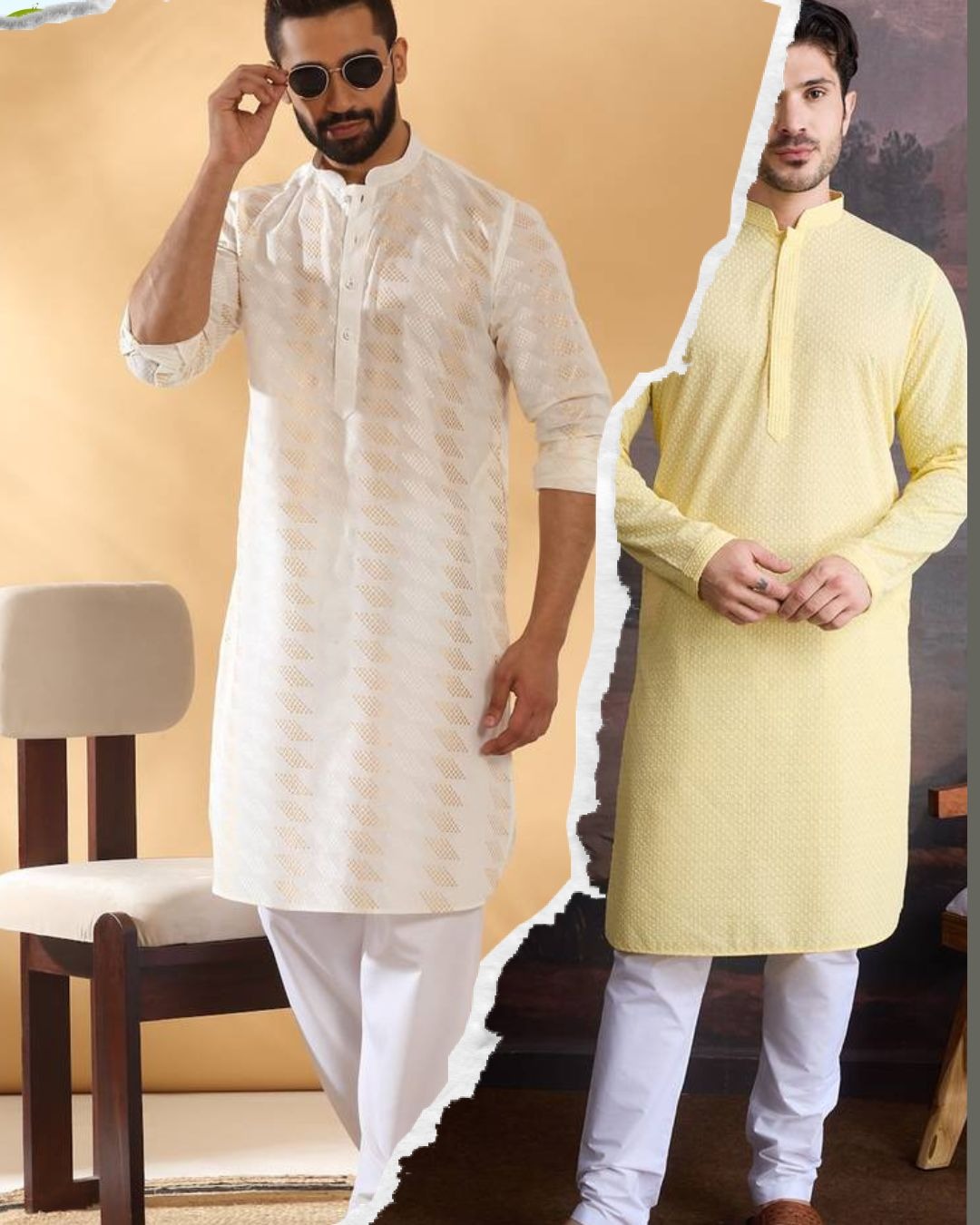
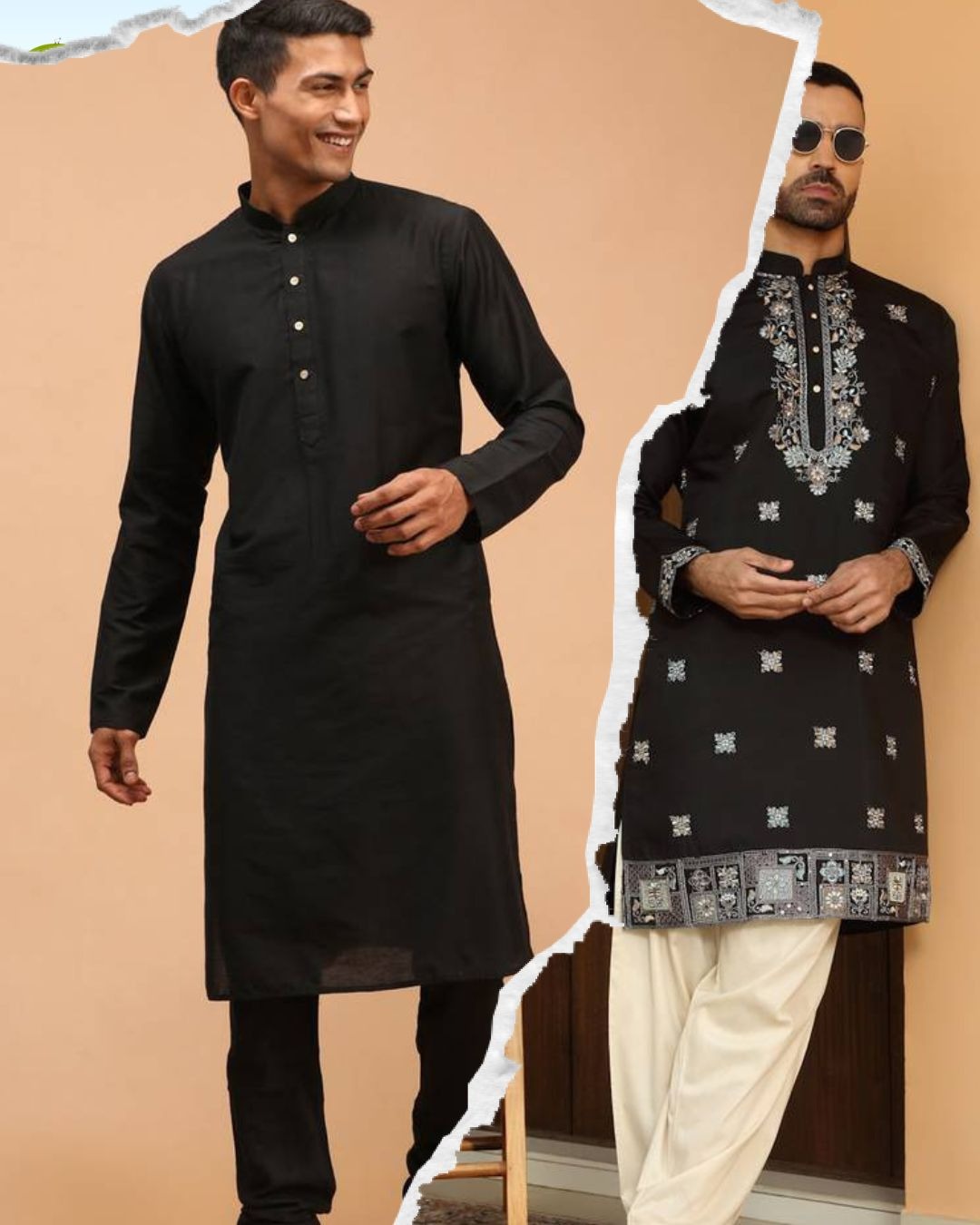
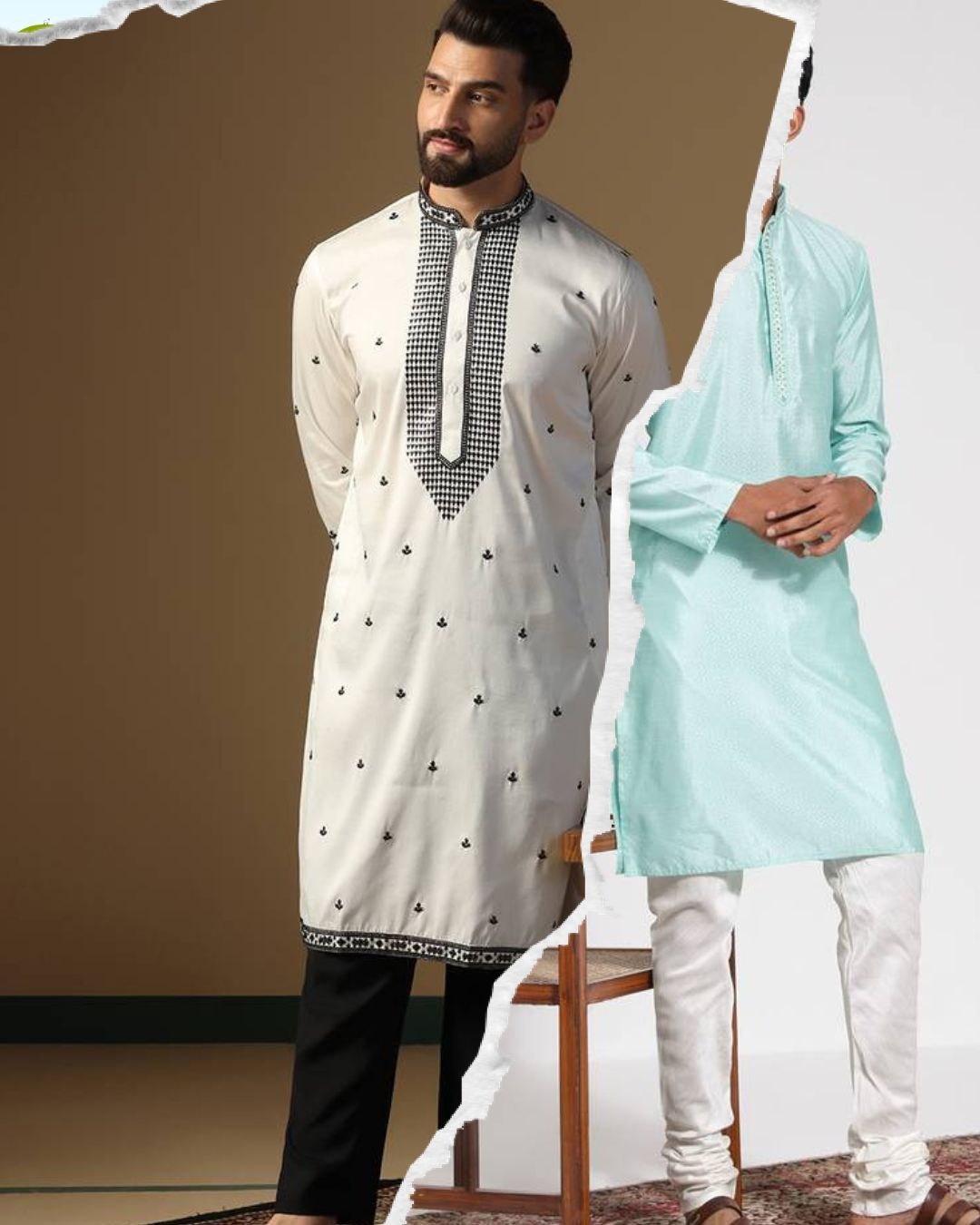
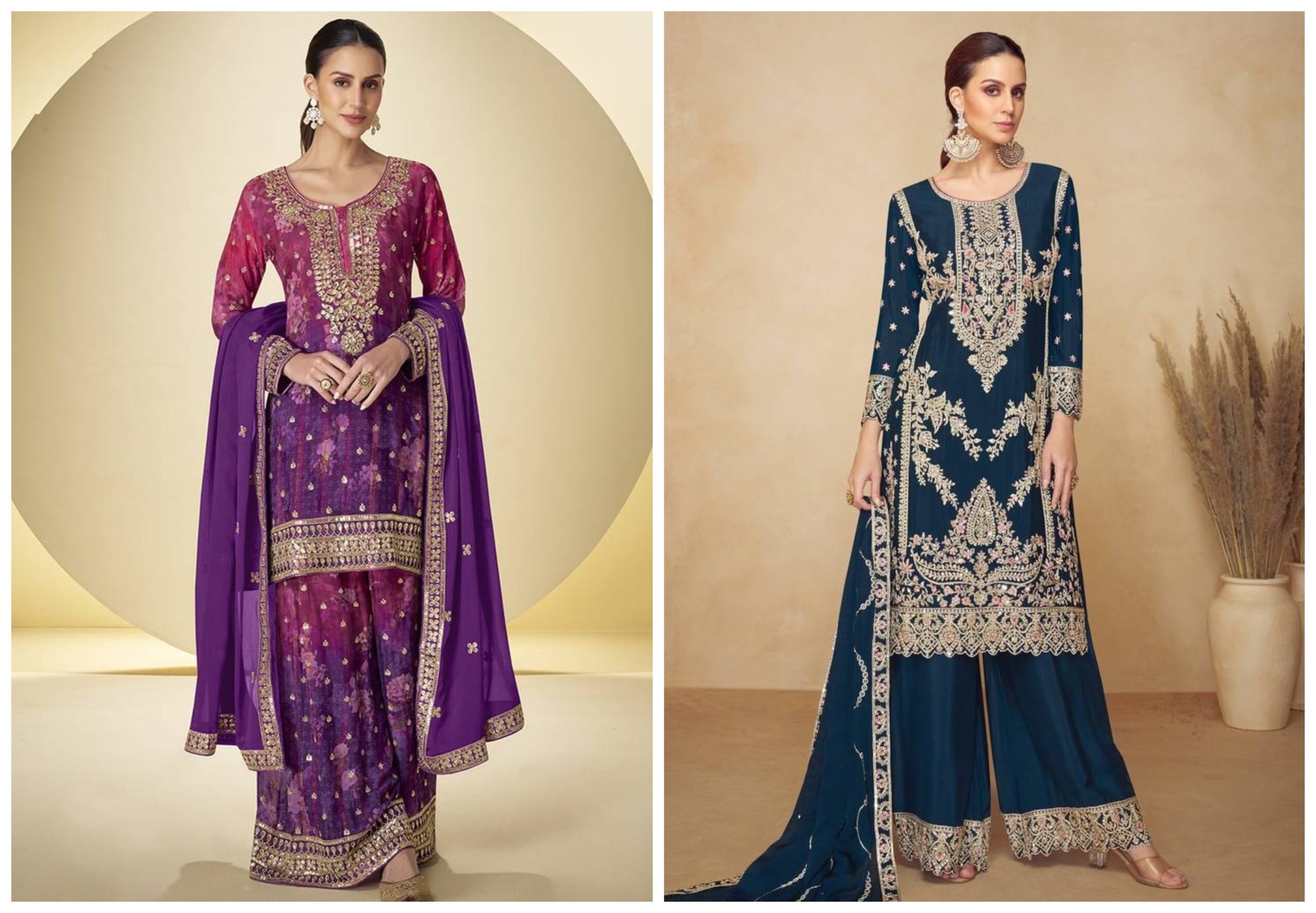
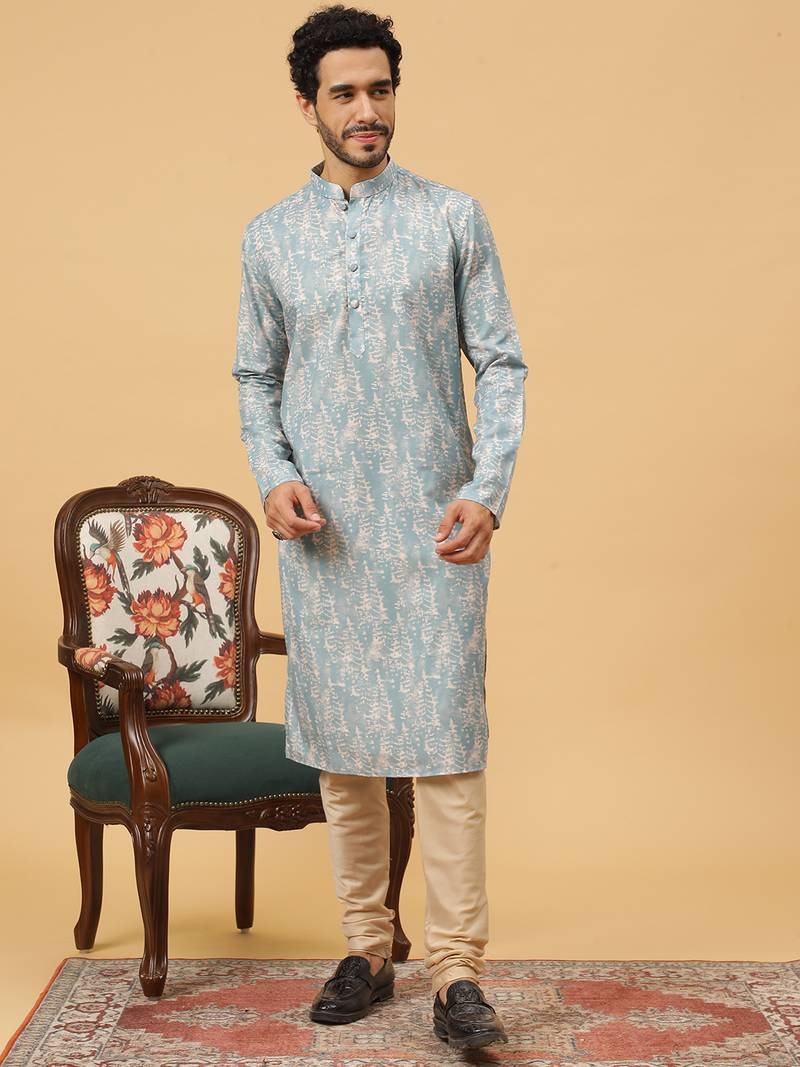
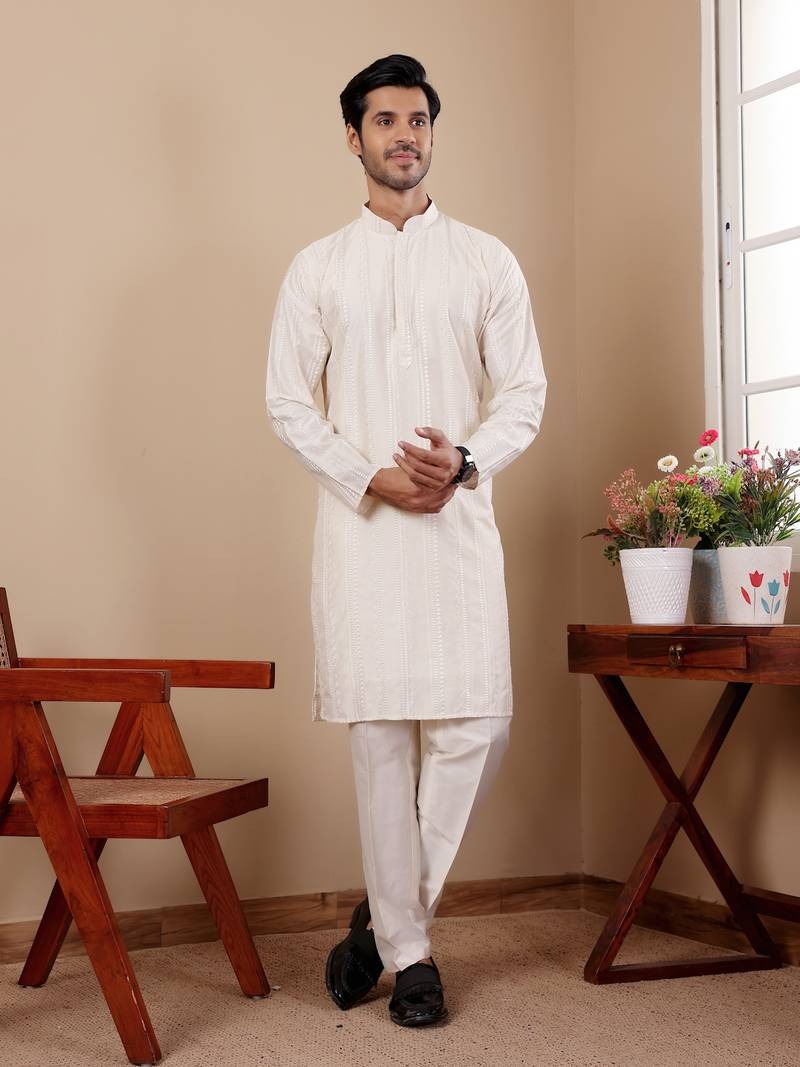
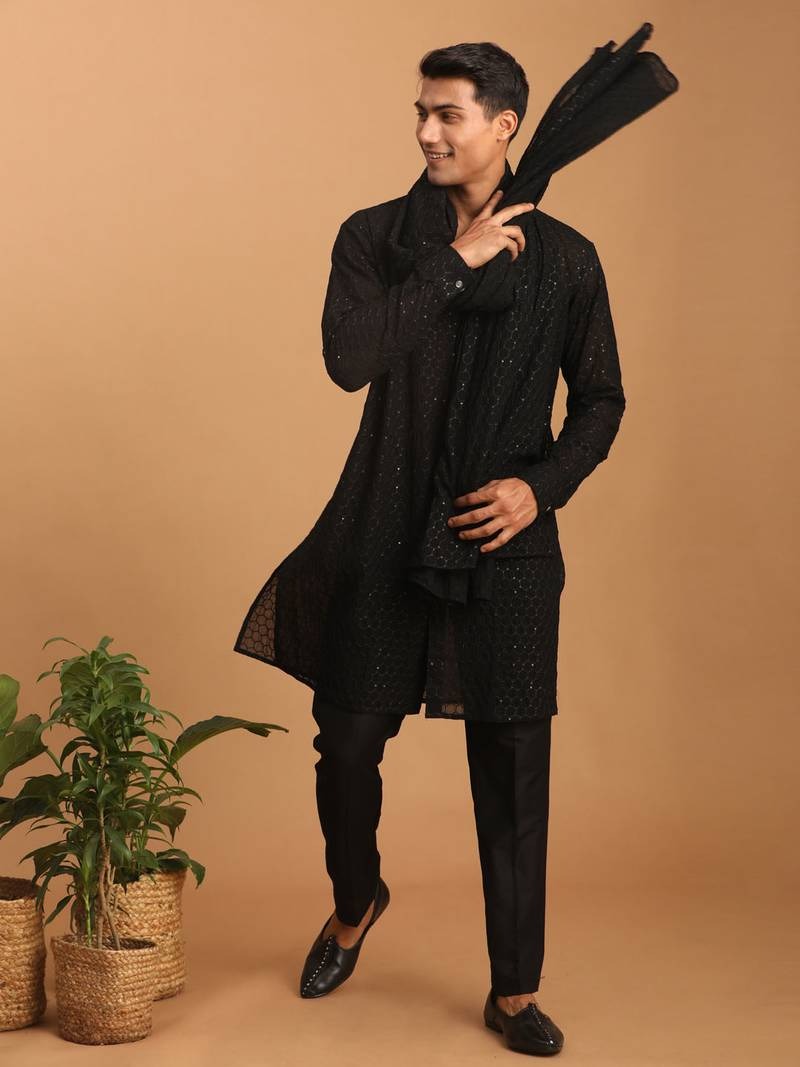
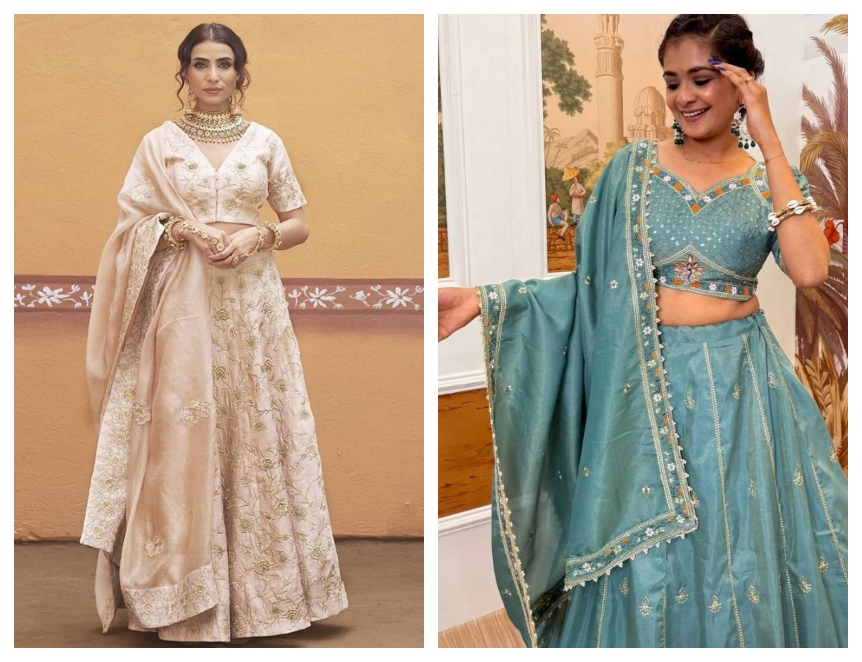
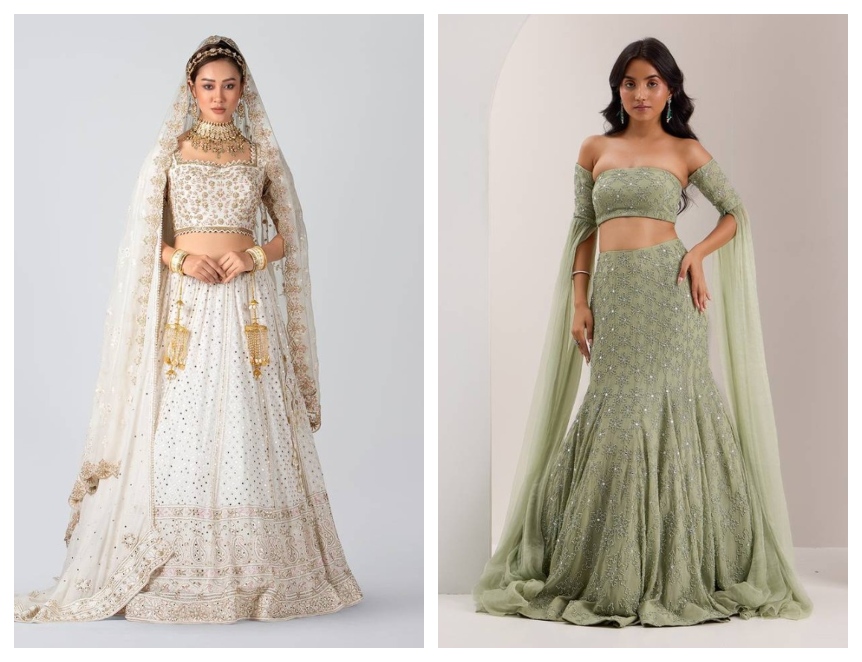
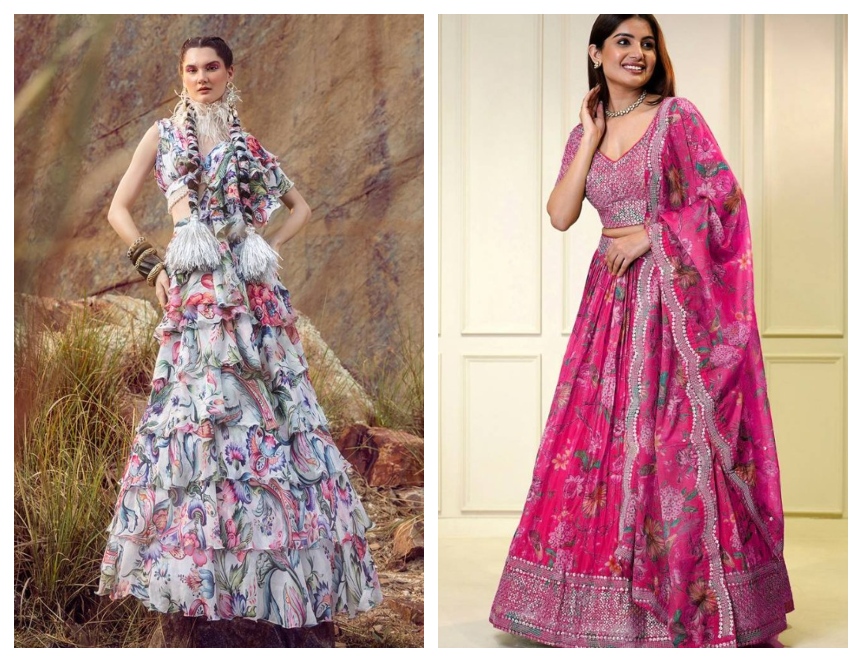
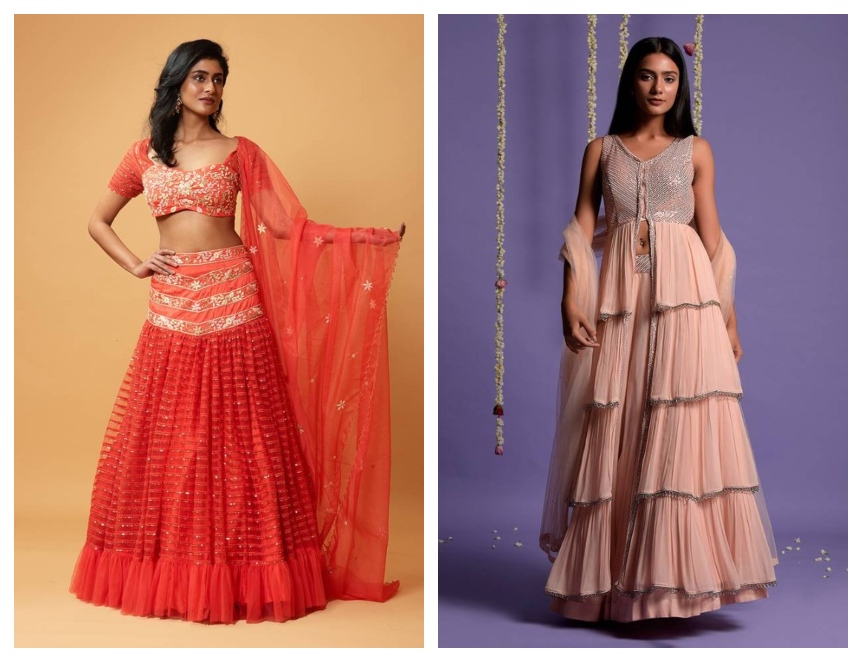
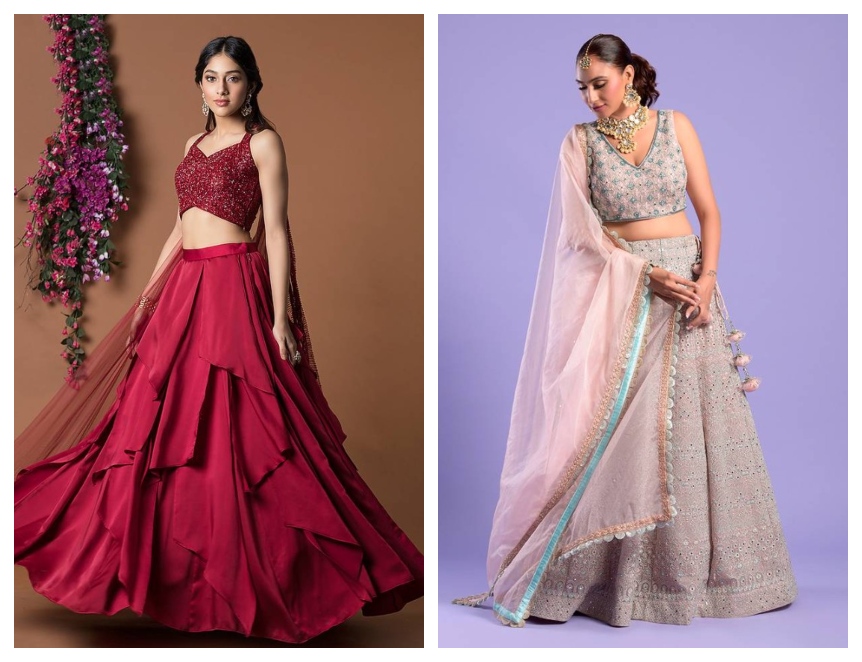
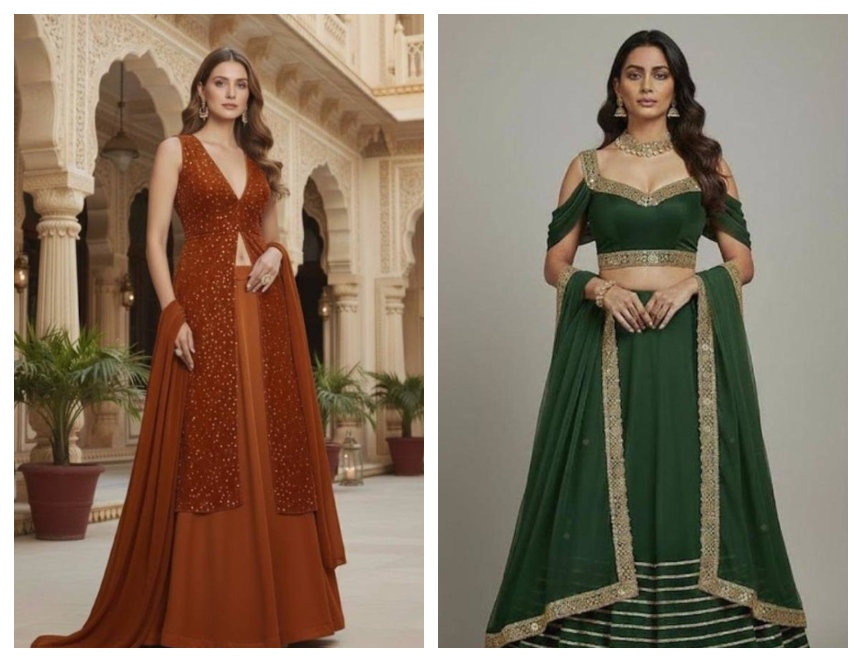
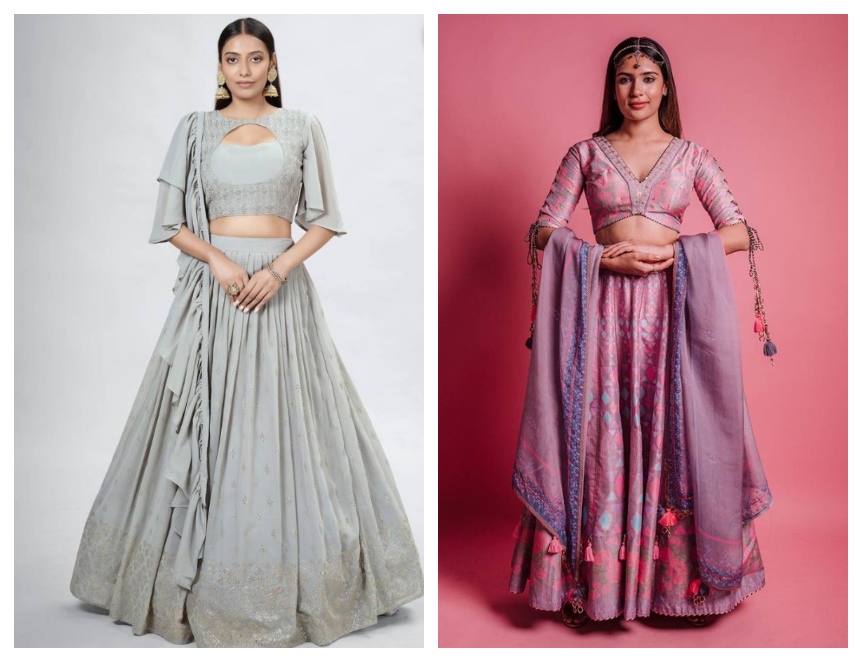
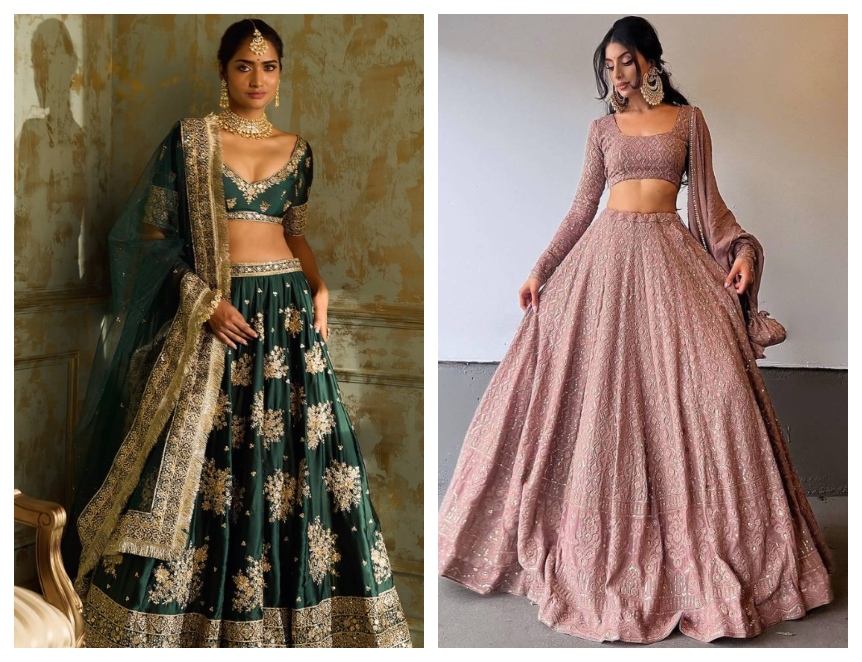
Islamic men’s clothing is deeply rooted in modesty, comfort, and cultural identity. At its core, it reflects modesty, comfort and a strong sense of cultural and spiritual identity. In 2026, the way you dress according to Islamic values has also evolved to suit different modern lifestyles. Whether you are choosing modest clothing for men for daily wear or dressing up in men’s ethnic wear for special occasions, it’s all about balance and intuition. Your clothes should feel respectful without feeling restrictive, practical without losing elegance. From simple garments for daily prayers to more refined looks for weddings, festivals, and formal gatherings, Islamic men’s fashion today offers plenty of options while staying true to its principles. From clothing for men in Islam meant for prayers to stylish outfits for weddings and festivals, Islamic fashion today offers variety without compromising on modesty. When you understand how to style Islamic men’s clothing for each occasion, building a wardrobe that reflects both your lifestyle and faith becomes much easier and far more enjoyable. The guide will walk you through how to style Islamic men’s clothing for different moments in life, helping you stay confident and true to your values wherever you go.
Every day and professional dressing
Every day and professional dressing
Your daily routine needs clothes that are easy to live in, look neat and stay true to Islamic values. Whether you are stepping out for errands or meeting your friends the goal is simple feel comfortable look presentable and dress with modesty without overthinking
Comfortable everyday outfits rooted in modesty
For everyday wear, comfort always comes first. Loose fitting clothes made from breathable fabrics make a big difference especially if you are on the move all day. Simple kurtas or long shirts paired with relaxed trousers work well as casual wear for men. They do not cling, do not restrict, and they keep you feeling at ease from morning to evening. Sticking to neutral colors like white Grey or soft Blues gives your outfit a clean look. The shades are easy on the eyes and work well for any casual setting. You can wear them while stepping out or attending daily prayers or just going about your routine without ever feeling underdressed or overdressed. These outfits are ideal for casual outings and daily routines while still reflecting Muslim men’s clothing values..
Work-ready outfits that feel professional and respectful
For office or work environments, Islamic clothing for men can look polished without being restrictive. A well fitted kurta or long tunic paired with straight cut trousers can look polished and professional while still respecting Islamic principles. Choosing solid colors, clean lines and simple tailoring instantly upgrades the look. You need to make sure that the fabric is not too thin or flashy. Something structured yet comfortable Islamic dress for men works best. When your clothes fit well and are neatly pressed they naturally give off a confident professional vibe without feeling stiff or restricting.
Dressing for prayer festivals and religious occasions
Religious moments hold special importance, and your outfit should reflect respect and preparation. From daily prayers to major celebrations, Islamic clothingplays a meaningful role.
Prayer clothes designed for comfort and focus
Prayer clothes for men are meant to feel calm, simple, and comfortable. Soft cotton thobes, plain kurtas, or loose sets are commonly worn as Muslim traditional clothing during prayers. Light colors like white or cream help maintain a fresh and respectful appearance, especially during daily prayers.
Festival and spiritual outfits for Eid and Ramadan
During Eid and Ramadan, clothing becomes slightly more elevated while staying modest. Eid clothing for men often includes embroidered kurtas or refined thobes. A well chosen ramadan outfit for men balances comfort for long hours with a festive feel. These outfits are ideal examples of men’s clothes for a festival that remain rooted in Islamic values.
Wedding and celebration wear with a modern touch.
Special occasions allow you to dress more richly while still respecting modesty. Weddings and formal events are moments where Islamic men’s ethnic wear truly shines.
Traditional outfits for weddings and formal gatherings
For weddings, men’s casual wedding wear in Islamic fashion often includes long kurtas, sherwani-style tunics, or layered outfits paired with trousers. Rich fabrics and deeper tones give your outfit a celebratory feel without being excessive. These looks are refined Muslim dress for men that feels special yet dignified.
Modern styling for traditional garments
Modern Islamic men’s clothing focuses on clean lines and thoughtful tailoring. Minimal embroidery and neutral tones help traditional outfits feel current. This approach allows men’s Islamic clothing to adapt easily to modern celebrations while maintaining cultural identity.
Accessories, footwear, and cultural influence
Details matter when completing an outfit. Accessories add personality while keeping your look balanced and respectful. Accessories should complement, not overpower. A clean watch, simple ring, or neatly styled headwear adds subtle character to Islamic clothing for men. Keeping accessories minimal ensures that your focus remains on modesty and overall presentation.
Footwear choices that suit clothing for men in Islam
Footwear plays a very important role in finishing the look. Sandals, leather flip flops, slip-ons, or clean formal shoes pair well with Muslim men’s clothing, depending on the occasion. Neutral footwear works best, allowing your outfit to remain the focal point.
Regional influences in Islamic men’s fashion
Islamic fashion reflects diverse cultures. Middle Eastern thobes, South Asian cultures, and African-inspired garments all represent different expressions of muslim traditional clothing. Understanding the regional styles allows you to embrace tradition while adapting to modern preferences.
In 2026, men’s Islamic clothing is all about purpose and practicality. Whether you are choosing casual wear for men’s prayer outfits or festive attire, the goal is to dress in a way that reflects faith and confidence. Investing in versatile Islamic clothing for men can create a wardrobe that works across occasions without compromise. Modesty does not limit style; it defines it. When your clothing aligns with your values and lifestyle, every outfit feels appropriate, meaningful, and complete.
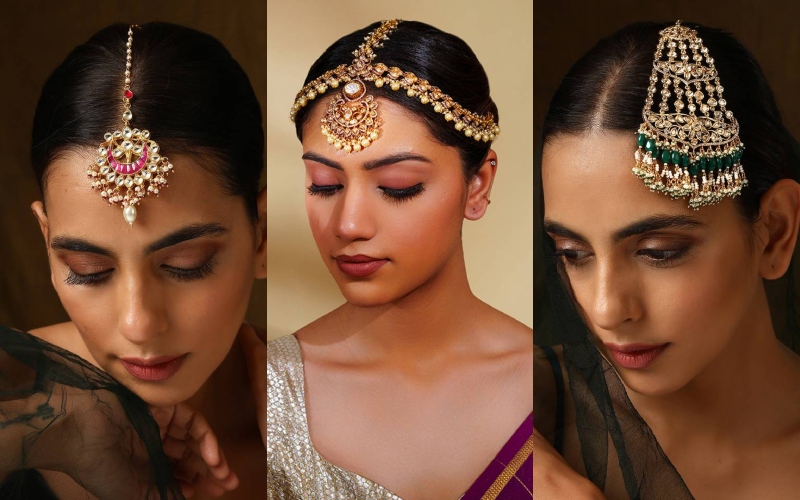
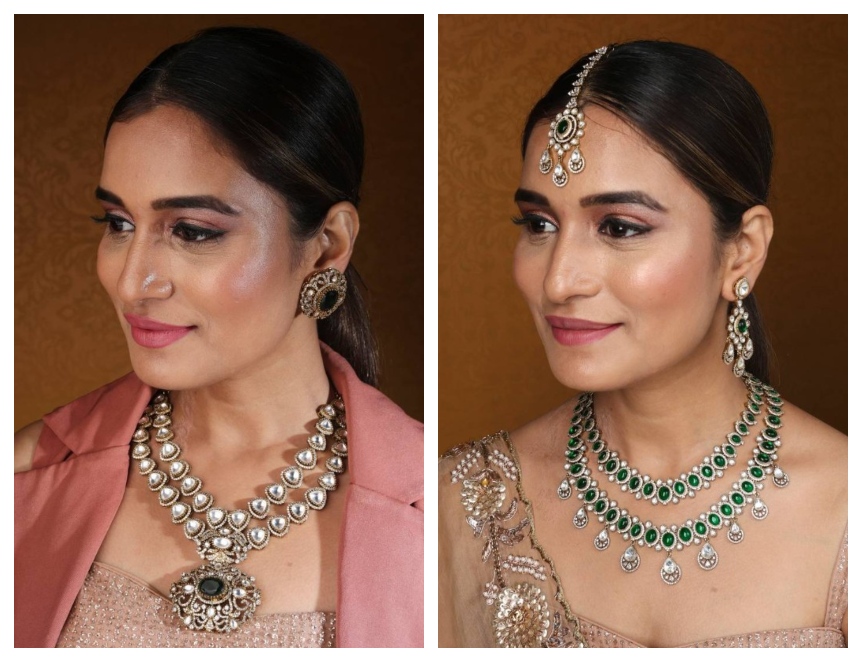
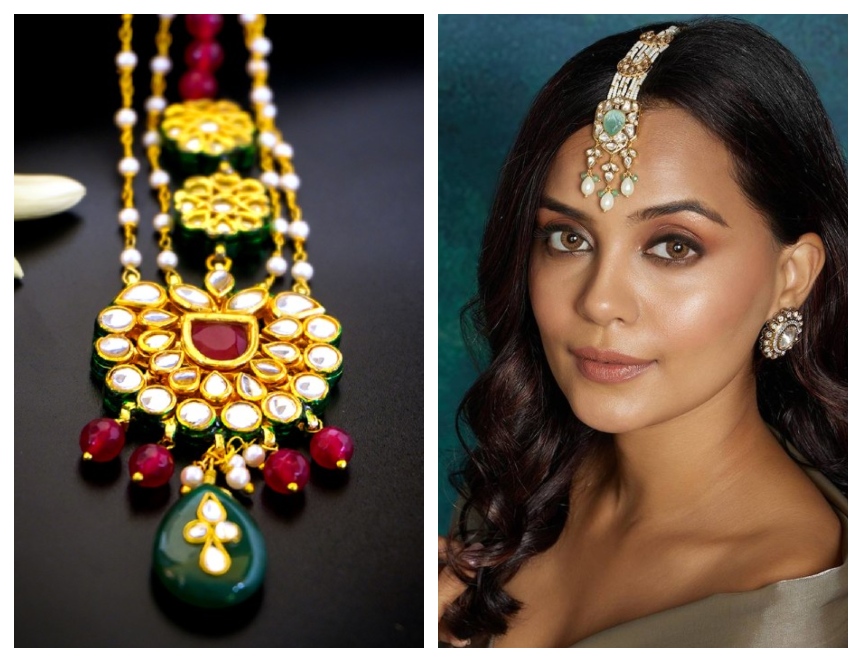
Maang tikka is a traditional and vital part of Indian jewelry, especially in bridal editions. It is worn along the center parting of the hair with the pendant framing the face and resting on the forehead. The piece creates a symmetry that brings together your whole look to be more balanced with all other accessories. Apart from culture, maang tikka has a spiritual angle too. The center parting where the maang tikka rests is believed to align with the ajna chakra or the third eye. The Indian head jewelry is not just limited to this single pendant chain. Matha patti is also one of the head pieces that are prominently worn by Indian women. This ornament extends across your forehead with side chains and layers that enhance the royal feeling.
Tracing the Roots of the Maang Tikka
Maang tikkas have their roots in ancient India with many references found in Vedic traditions and early temple rituals. Back in the days, women adorned their forehead with this accessory as a symbol of protection and spirituality. Even during the Mughal era, maang tikkas existed in the jewelry collection of royal women with some refinement and modifications. It was this time when maang tikkas evolved to become a style statement with addition of gemstones, pearls and more intricate designs. From the temple rituals and courtly settings, maang tikkas became a huge part of bridal fashion and cultural ceremonies for their overall depth. They also served as an important accessory in classical dance forms like Bharatnatyam and Kathak.
Cultural and Spiritual Meaning of the Maang Tikka
The pendant of maang tikka perfectly sits at the centre of your forehead where Ajna chakra exists. This chakra is known to represent clarity of thought, balance and spiritual awareness. Many communities look at maang tikkas as a symbol of grace and femininity. In hindu weddings, it represents prosperity and the beginning of a new phase of life. Beyond weddings, maang tikkas are also worn during festivals like Navratri and Karva chauth. Their religious essence makes them a relevant accessory for all these cultural events and makes you feel more connected to your roots.
Popular Maang Tikka Styles
Maang tikkas come in a wide range of styles and each of them have a different look to offer. These are some popular maang tikka styles that you should definitely know about.
1. Classic Single-Chain Maang Tikka
This style is the most known and widely loved by brides. It comes with detailing and minimalism both at the same time. It’s perfect for the simple bridal looks where you can carry a hint of traditionalism while being comfortable.
This one is for all the brides who want a royal bridal look. The double-chain style creates a symmetrical look, frames the forehead and keeps the centre pendant balanced. It’s a popular style in North Indian bridal looks.
It’s a round shaped maang tikka which comes from the Rajasthani culture. This maang tikka is crafted with heavy kundan and meenakari work. It’s again a style that you can carry for your bridal look to appear royal and elegant.
This maang tikka style is inspired by Mughal era jewelry. You can always find them in Hyderabadi and Lucknowi designs. They often come with pearls, emerald or polki detailing and work perfectly for bridal and formal ethnic looks.
This style comes with floral, peacock and temple inspired motifs. Modern versions of these maang tikkas are simpler and easier to style. They are great for daytime weddings and festivals. These are a contemporary take on traditional head jewelry.
Maang tikka is a head jewelry that has a single central pendant, while matha patti extends to the sides of your head, framing the forehead. For minimal and festive looks, you should go for maang tikkas. But matha patti works well for royal bridal looks.
Indian head jewelry changes its appearance every few miles. There are beautiful variations you can find in this category due to regional and cultural differences.
Rajasthan: Rajasthani maang tikkas are known for their iconic borla designs. The work that you see on these features, meenakari and enamel detailing with gold and red stones dominating the design.
Punjab: Punjabi bridal looks are completed with large maang tikkas that are often paired with heavy earrings that create a grand bridal appearance.
Maharashtra: The maang tikka styles in Maharashtra are mostly pearl-based, and they take great inspiration from nath jewelry. You can find gold filigree work in them, which adds extra elegance.
South India: Every jewelry including the head pieces, in South India comes with a great touch of culture. These maang tikkas feature god motifs and temple designs.
Hyderabad: Hyderabadi designs reflect strong Nizami influence. They have pearl and emerald detailing, which brings an enchanting vintage aesthetic laced with royalty.
Bengal: In Bengali culture, you will see maang tikkas that are minimal in looks. They focus mainly on the subtle gold design that gives a bridal feel without being too heavy to carry.
Materials and Craftsmanship Behind Maang Tikka Designs
The beauty of maang tikkas highly depends on their quality and artistic features. Every version of this head jewelry is designed while taking a unique and crafty approach. Here’s a breakdown of some of these designs and materials.
Gold maang tikkas are crafted with classic artistry. They have patterns like mandalas and many culture-related motifs, which make them perfect for weddings and religious ceremonies.
Kundan and polki work maang tikkas look great both on lehengas and pastel georgette sarees. Their detailing has grandeur that goes with bridal as well as wedding guest looks.
Meenakari enamel work brings a touch of vibrancy and fun to maang tikkas. The reversible work makes women love them so much.
Pearl, rubies and emerald maang tikkas come with both single pendant styles for minimal looks and heavy designs for grand wedding-like events.
Temple-style maang tikkas are a preferred choice of women in South India because of their culturally rooted designs and spiritual motifs.
The Role of Maang Tikka in Bridal Traditions
A bridal look seems to be incomplete without a maang tikka. It works more than just a decorative piece, it’s something that brings grace and a softer touch to your look.
North Indian Culture: Maang tikka is a must-have in North Indian weddings. Brides wear them mostly with heavy kundan or polki sets and layered necklaces that add depth.
South Indian Culture: Bridal maang tikka is styled a bit differently in South Indian culture. The brides instead wear a nethi chutti or temple-inspired forehead ornament.
Muslim Culture: In the Muslim bridal fashion, you’ll find brides adorning a passa beautifully on the side of their heads. This is a classic must-have piece for every Muslim bride.
Sikh Culture: Sikh brides often wear lighter maang tikkas or matha pattis to avoid overpowering the dupatta.
Symbol of Completeness: Maang tikkas are something that adds much more depth to your bridal look. Although it’s an additional ornament, it totally turns your whole look in a traditionally rich manner.
Daytime Weddings: If your wedding is taking place during the day, you should go for maang tikkas made of pearls, flowers and in pastel shades.
Night Weddings: For the evening wedding, you should pick from heavier ranges like kundan, polki or gemstone that add a bit of drama and sparkle.
How to Pick the Perfect Maang Tikka
Choosing the perfect maang tikka is not a big deal. It’s all about balance and proportion that beautify your features and not overpower them.
Based on Face Shape: Oval face is a versatile shape that can carry all the styles. Round-faced women can go for elongated or teardrop options. While square faces suit softer designs.
Based on Hairstyle: If you are going with centre-partitioned hair, you should get classic maang tikkas. With buns, you can try out layered styles or heavier tikkas.
Based on Outfit: Get kundan and polki design maang tikkas for lehengas. But if you’re wearing a saree, you should go for traditional or pearl designs. You can even style lightweight maang tikkas with your Anarkalis.
Modern Styling Ideas and Trending Maang Tikka Designs
The new generation is totally changing the way maang tikkas are worn. The styles you see today are the redefined versions of the classic pieces. All these ornaments are beautified with a touch of individual styling preference. You can find many options varying from simplistic to heavy ones. The minimal designs are quite trending these days due to comfort and aesthetic preferences.
Floral: Floral maang tikkas are loved for pre-wedding festivities like haldi or mehendi. They add a beautiful pop of color and make your look vibrant.
Pastel: Pastel maang tikkas are an option for women who love minimalism. These maang tikkas are ideally the best for daytime weddings. But you can also style them for evenings as they look lovely in bright lights.
Layered: Maang tikkas or mathapattis are the classic pieces which are being loved by the brides these days. They bring a lovely old-school aesthetic to your bridal look.
Maang Tikka with Fusion Outfits
Fusion outfits are embracing head ornaments like never before. These headpieces add more of a fashion icon vibe to the trending fusion outfits. This versatility of maang tikkas is making them globally famous.
Celebrity and Influencer Styling Cues
Celebs and influencers are shaping these trends big time. You can spot many famous icons adorning these headpieces, from red carpets to bridal editorials. These styling cues are inspiring and bring more fresh styling tips.
Maang Tikka Compared to Other Head Ornaments
Maang tikka is a very recognised head ornament in Indian culture. But it is not the only one, there are many other variations you can find.
Maang Tikka vs Matha Patti
A maang tikka is just a single pendant that sits along the hair parting. Whereas a matha patti frames the upper part of your forehead, making you look more royal. Matha pattis are often chosen for bridal wear, while maang tikkas can work for pre-wedding events or festive times.
Maang Tikka vs Passa
These ornaments are often confused, but there is a major difference. While maang tikka is something that you adorn on the centre of your head, Passa is styled on the side of the head. Passa is associated with Mughal and Hyderabadi bridal looks.
When to Wear Each
A maang tikka is great for parties and festivals.
Matha Patti creates a dramatic and royal look for weddings.
Passa is perfect for the times when you want a heritage-inspired look.
Regional Preferences
Maang tikkas and matha pattis are a top choice in North India.
Hyderabadi and Lucknowi bridal styles lean more towards passas.
Rajasthani bridal fashion is more about detailed forehead ornaments.
Occasions Perfect for Wearing a Maang Tikka
If you think maang tikka is something you can only wear to weddings, it’s not. This piece of jewelry can be styled for many occasions.
Weddings and Receptions: Maang tikkas complete your bridal look, whether you’re wearing a lehenga or a saree.
Festivals: Times like Diwali, Navratri and Karva Chauth are great to flaunt beautiful lightweight maang tikkas that add a festive spark.
Engagements and Pre-Wedding Ceremonies: Many floral versions of maang tikkas perfectly align with the pre-wedding fun vibes.
Classical Dance Performances: Many traditional variations of maang tikkas are used by Bharatnatyam and Kathak dancers as head adornments.
Caring for Your Maang Tikka
If you have kundan or polki maang tikkas, gently dry wipe them with a soft cloth. Avoid using any liquid substance.
Store these pieces in a fabric-lined box to make sure they don’t tangle or break.
Do not press any heavy jewelry on top of these.
Use padded pouches or single small hard cases in case you’re packing.
FAQs
1. What is the significance of wearing a maang tikka? It symbolises balance, wisdom, and spiritual awareness while completing traditional bridal styling.
2. Can unmarried women wear a maang tikka? Yes, unmarried women can wear maang tikkas for festivals, weddings, and special occasions.
3. What is the difference between maang tikka and passa? A maang tikka is worn at the center of the forehead, while a passa is styled on one side of the head.
4. Which maang tikka suits a round face? Elongated or teardrop-shaped maang tikkas suit round face shapes best.
5. Is maang tikka compulsory for brides? No, it is not compulsory, but it is traditionally considered an important bridal accessory.
6. Can maang tikka be worn with a saree? Yes, maang tikkas pair beautifully with sarees for weddings and festive occasions.
An Indian lehenga choli is a woman’s most preferred ethnic wear. From wedding festivities to special occasions, a woman chooses lehengas over every other outfit. But, as the traditions grow stronger and modern changes come forward, how you accessorize your lehenga choli is also an important factor. Nowadays, dressing up not just means picking the right fabric and fine embroidery. The lehenga accessories that you pair with it also play an equal role in it. In this blog, we will discuss tried and tested accessorizing tips that will add extra elegance to your look.
Pick The Right Jewelry to Elevate the Lehenga Choli Look
Jewelry doesn’t always mean layering up everything that you want. It means looking your best even with a couple of accessories. Mirraw comes with a broad range of Indian jewelry that you can choose for your big occasion. From festive-friendly or wedding-glam getups to a low-key traditional look, a lehenga for women can be styled right with the impeccable accessory range here:
Necklaces: Pick polki diamond or pearl necklace sets if you are heading towards a wedding occasion. Choose a heavy set with matching earrings for a traditional look. Make sure your necklace set matches your lehenga choli, and does not look loud on you.
Earrings: For a decent yet fancy approach, go for statement earrings with your lehenga choli. Skip the necklace or neck pendants if you are choosing these earrings to avoid looking overdressed. Try to avoid small studs as they might not make you stand out in the final look.
Maang Tikka & Matha Patti: Mirraw has a vast range of maang tikkas for women. Choose the one that exactly goes with the color and embroidery of your outfit. The key is to match the metal tone and detailing with your attire.
Bangles, Bracelets & Rings: Hand accessories are meant to enhance your overall beauty. Choose heavy bracelets and bangle sets to complete your party look. You can pick delicate bracelets for a heavily embroidered outfit, or statement rings for a plain lehenga choli set.
Nose Rings & Anklets: These small details add cultural richness without demanding attention. A subtle nose ring elevates festive and bridal looks, while anklets work beautifully with lighter lehengas or shorter hems. They’re best used as finishing touches, not focal points.
Choose Your Footwear with Care
Footwear plays a crucial role in how comfortable and confident you feel in a lehenga choli.
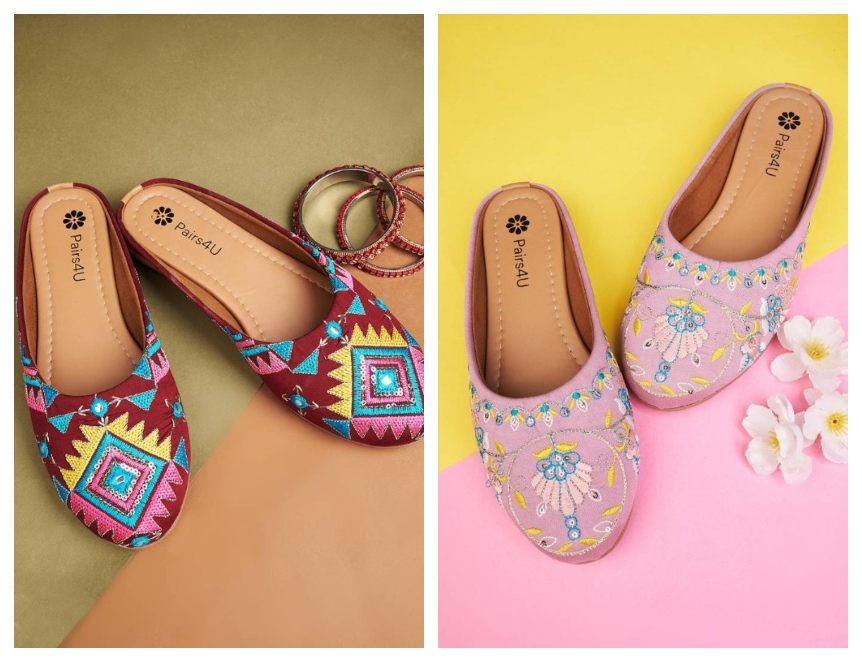
Mojaris and flat bellies are a good choice for lehengas. These are available in vibrant colors and traditional embroideries that make them ideal for a lehenga choli.
For an elevated look, choose embellished sandals or ones with pearl embroidery. These look beautiful for big events like sangeet night, weddings, or reception events.
For heavier lehengas, footwear with minimal detailing works best, while lighter lehengas can be paired with embroidered or metallic styles. Comfort should always be a priority, especially for long wedding functions.
Accessorize Your Look with a Dupatta
Dupatta styling can transform the entire lehenga look.
Adding a waist belt over the dupatta helps define the silhouette and keeps the drape secure during long wedding functions. It works especially well with flared lehengas and heavy dupattas.
Use brooches or statement pins to hold the dupatta neatly on one shoulder or across the blouse.
Styling the dupatta in layers, such as a double drape or front-fall style, is also another way to style your lehenga dress. This look can make even a simple lehenga look styled and intentional.
Elevate Your Look with a Bag
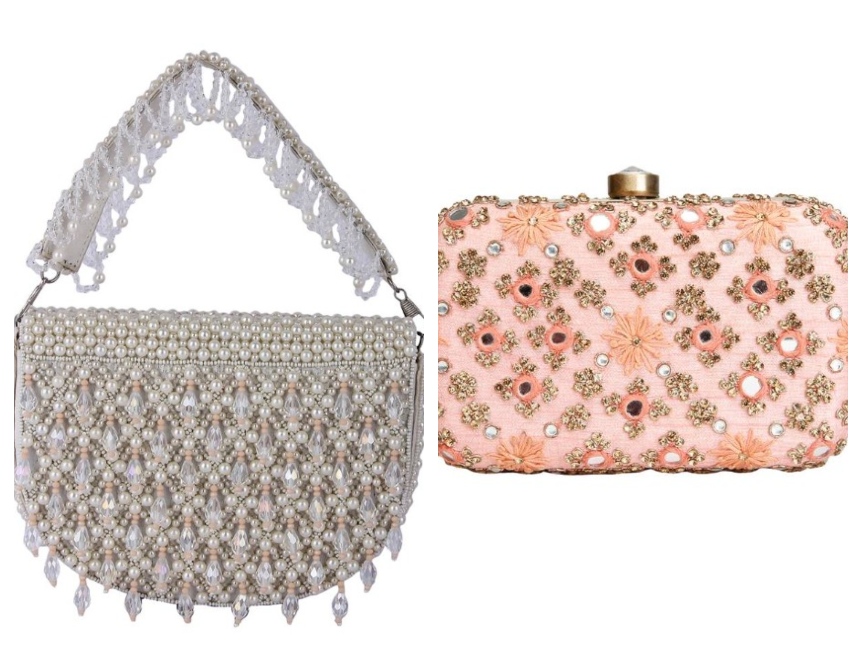
Distinctive designer bags and small clutches help you in completing your look. Whether you want a formal approach or want to show off a party-ready appearance, the bags collection at Mirraw can really make it a win.
Choose small clutches for long party hours, so that you don’t have the stress of carrying them for long. Besides, pick vibrant, pearl-embroidered bags for your lehenga. These designer bags are gaining popularity these days.
Hair Accessories that add charm
Gajra
A gajra paired with a low bun or side braid adds a traditional and graceful touch to the lehenga choli. This hair styling method is very popular for women during the wedding season. The entire look is completed by a heavy necklace that matches the saree and face cut.
Embellished Hair Pins Embellished hairpins or clips are a must-have for your party look. Whether you have a gajra style ready or want to keep your hair partially open, these embellished hairpins make your lehenga choli the best.
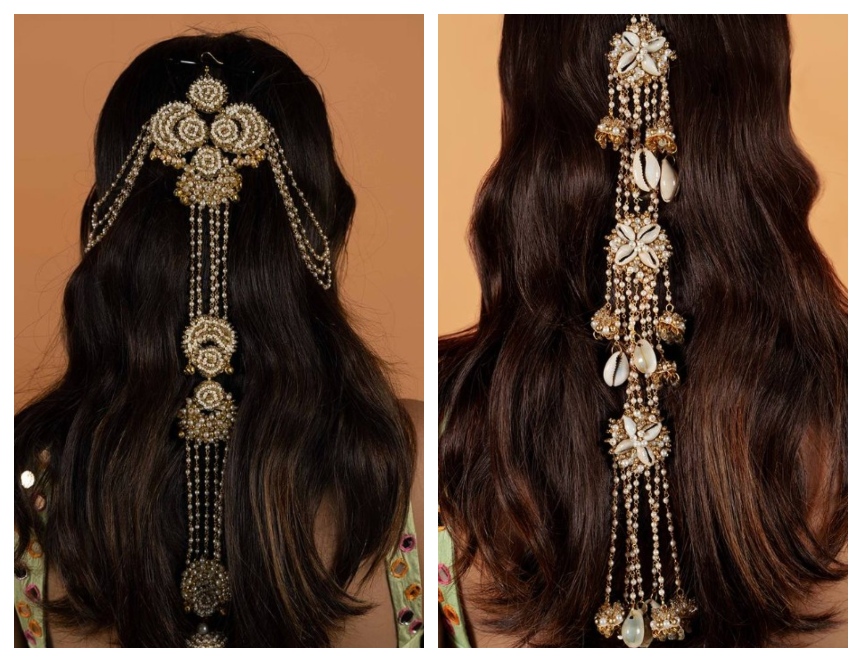
Hair Chains Hair chains draped along a braid or pinned at the crown offer a refined yet modern accessory option. They are ideal for sangeet or reception looks, adding interest to simple hairstyles while keeping the focus on the lehenga choli.
Floral Hair Accessories
Fresh or fabric floral accessories bring a soft and celebratory feel to lehenga choli styling. Worn with loose waves or half-tied hairstyles, they are perfect for daytime events like mehendi or pre-wedding functions.
The three-piece lehenga choli is nothing short of a fashion heritage that is still gracing us with its allure. Any woman can look gorgeous when wearing a lehenga dress. And women from all walks of life have embraced the undeniable charm of the lehenga choli. Indian lehengas, nowadays, come in a variety of choices. Colors are a primary category that makes lehengas unique and different. Therefore, if you want to find the perfect lehenga for you, then you should find a lehenga of the color that will go well with your color palette, the event, and the season. Here we have made a comprehensive guide on all the trending lehenga colors that you can choose from for your next favorite lehenga. Read along to know more.
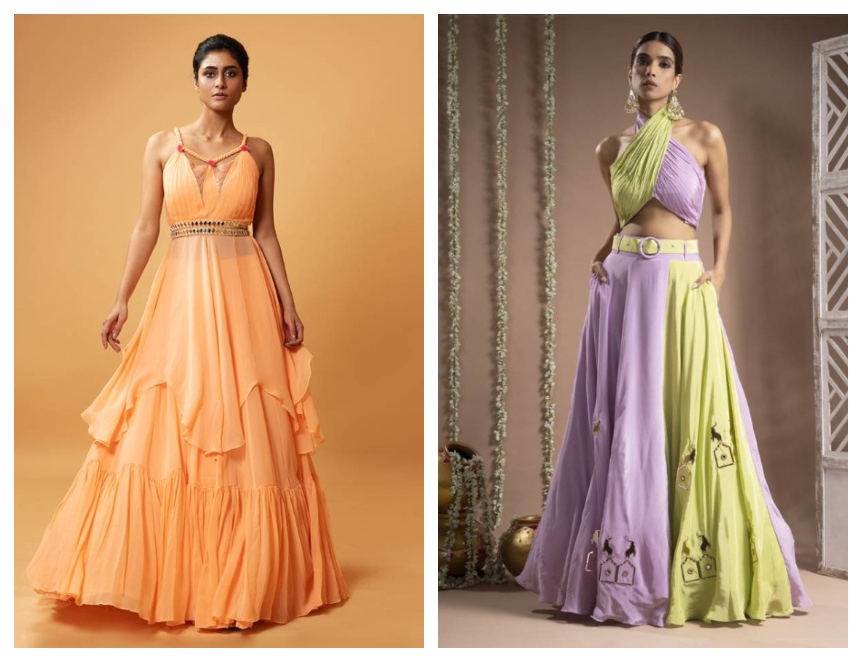
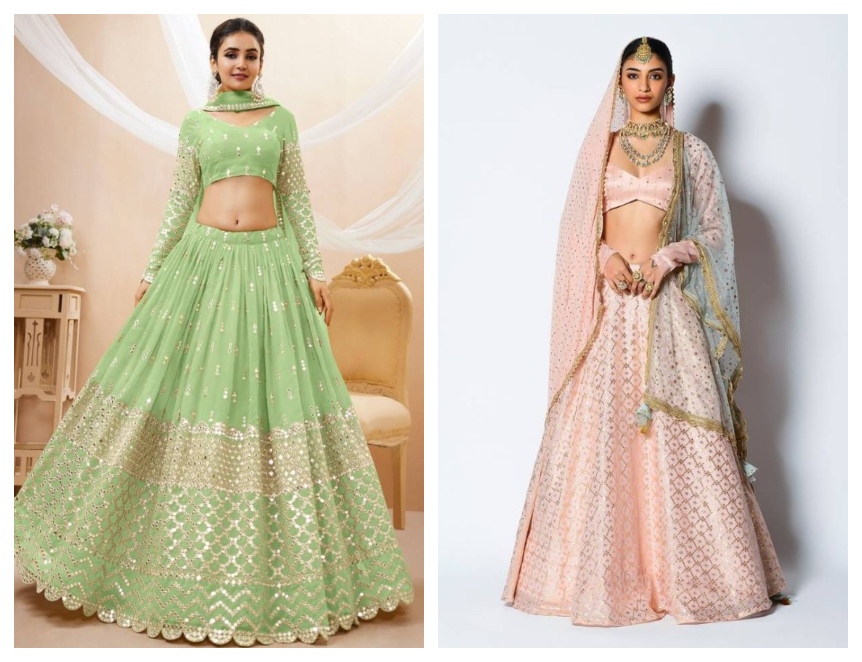
Refreshing Pastel Colors: Pastel colors are the shades of the hour. With famous Bollywood celebrities getting married in muted shades of pastel, the color palette has gained an entirely new fandom. Pastel lehenga colors such as baby pink, sky blue, mint green, dusty rose, lavender, butter yellow, and peach are all the rage right now. Not just for weddings, but pastel colored lehengas for women have started making the rounds on runways, festivals, and in almost every desi gathering. Wear pastel colors preferably during the daytime so that the soft allure of the colors does not get lost in bright lights. Functions such as haldi, sangeet, and traditional brunch invites are the best places to rock a pastel color lehenga.
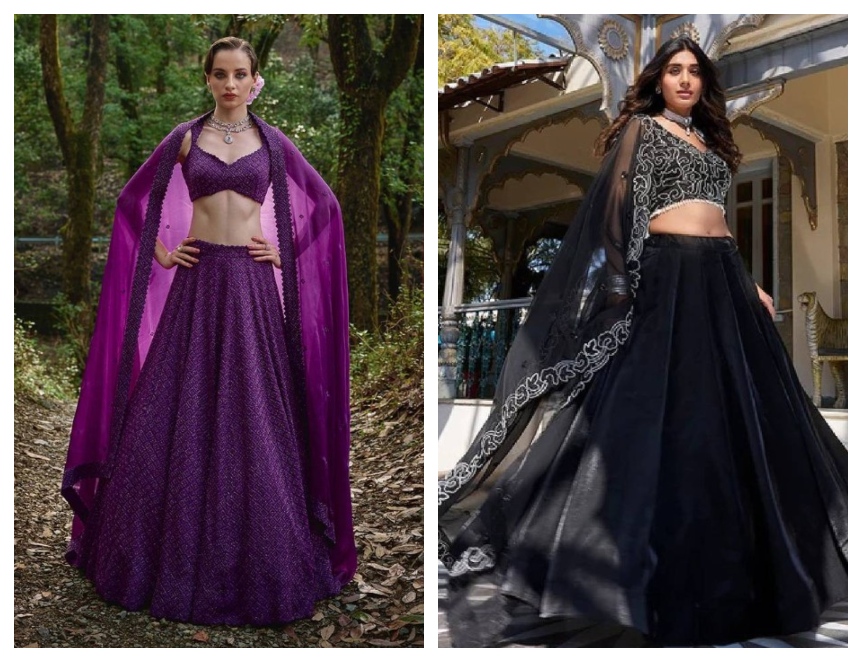
Enchanting Dark Colors: The allure of dark colors is timeless. Tints such as charcoal gray, navy blue, chocolate brown, forest green, and burgundy are never out of trend. Adorning dark-colored lehengas looks edgy, effortless, and ethereal. To make the most out of it and take your fashion game up a notch, try embedding embellishments onto your lehenga choli. Embroideries such as mirrorwork complement the dark colors exceptionally well. Wear this colored lehenga during reception nights or at Diwali parties to turn heads.
Radiant Jewel Colors: Jewel colors are the very definition of extravagance meeting grace. Hues such as emerald green, ruby red, sapphire blue, and amethyst purple do just that. These colors have a unique sense of mysticism and etherealism that can enchant almost anyone. Unconventional yet glamorous, lehenga choli colors such as these will most definitely steal the show no matter where you go. The Bollywood red carpets are also slowy filling itself with the allure of jewel colors, and so should you. Wear jewel shade lehengas for women at cocktail parties to charm everyone around. These colors also look great when donned during the winter months, as it matches the vibe of the season.
Sparkly Metallic Colors: When glam calls, metallic colors answer. For all the invites where glitter and glitz are the main themes of the party, you can rock metallic colored lehengas there. Gold, rose gold, silver, and bronze are some of the most prominent metallic-toned colors. These tints are shimmery as well as sultry, which exudes an air of grandeur and luxury. If you want to effortlessly keep the limelight on yourself and look extremely glamorous, then lehengas in these colors are your best bet. Rock metallic colors at extravagant weddings and grand Diwali parties, and watch how heads turn.
Trendy Ombre Colors: A recent trend that has taken over fashion right now is ombre colors. The blending of two or multiple colors together in a singular piece of clothing is all the rage right now. Ombre colored lehengas are also making appearances on runways as they continue to magnetize and enchant everyone along the way. Ombre colors are often of the same family, such as pink and peach, orange and yellow, blue and teal, purple and lavender, red and black. These colors cause the visual aesthetics of the lehenga choli to seem more appealing to the eyes. So, if you want to attain the title of a fashionista, then donning an ombre color lehenga at a festive gathering or traditional corporate event will do it.
Expressive Dual Tone Colors: Dual-tone colors flaunt the alignment of two contrasting colors with each other. A dual-toned lehenga color palette can include hues like navy blue and gold, rani pink and orange, ivory and maroon, black and silver, and so on. These colors can make anyone wearing them stand out with ease. These dual-toned colors are getting a lot of attention nowadays because of their ability to make the person wearing them look drop-dead gorgeous. Depending on the dual hues that you select, you can wear these colored lehengas almost anywhere. Don the ivory and maroon or the black and silver combination lehengas at weddings or other glamorous events to make everyone do a double take. You can also wear yellow and royal blue to daytime festive functions.
Indian traditional attire has always been the pinnacle of fashion. However, even among all the gorgeous pieces of clothing that Indian fashion offers, the lehenga choli takes the cake. A woman adorned in an Indian lehenga dress is a sight that counts as nothing short of ethereal. However, without the perfect choli designs to match your lehengas, the spark of the outfit might not come off as magnetic as it has the potential to be. The lehenga blouse design that you choose can either make or break your outfit. Therefore, it is essential to know about all the fabulous choli blouse designs that there are and choose the one that will go perfectly with the lehenga of your choice. Read along to find a comprehensive list of all the popular choli designs for lehenga.
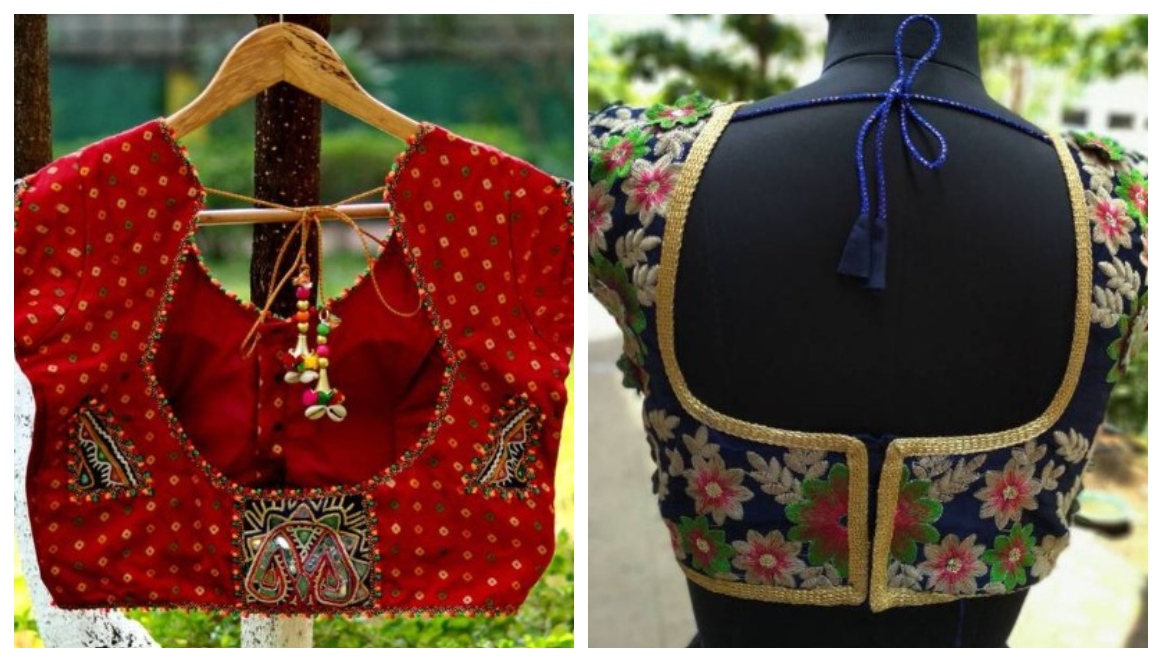
Backless with Dori and Tassels: Nothing exudes a Bollywood dream girl moment more than a backless choli blouse with dori and tassels. A seamlessly cut backless blouse with designer dori (thread) and loosely hung tassels attached to the dori gives it a look that is both traditional and in trend. You can tie the dori in a neat bow style and let the tassels playfully hang on your back. A backless choli blouse with dori and tassels is the perfect glamorous dream. So, if you want to turn yourself into a flawless diva, then this choli design is made for you.
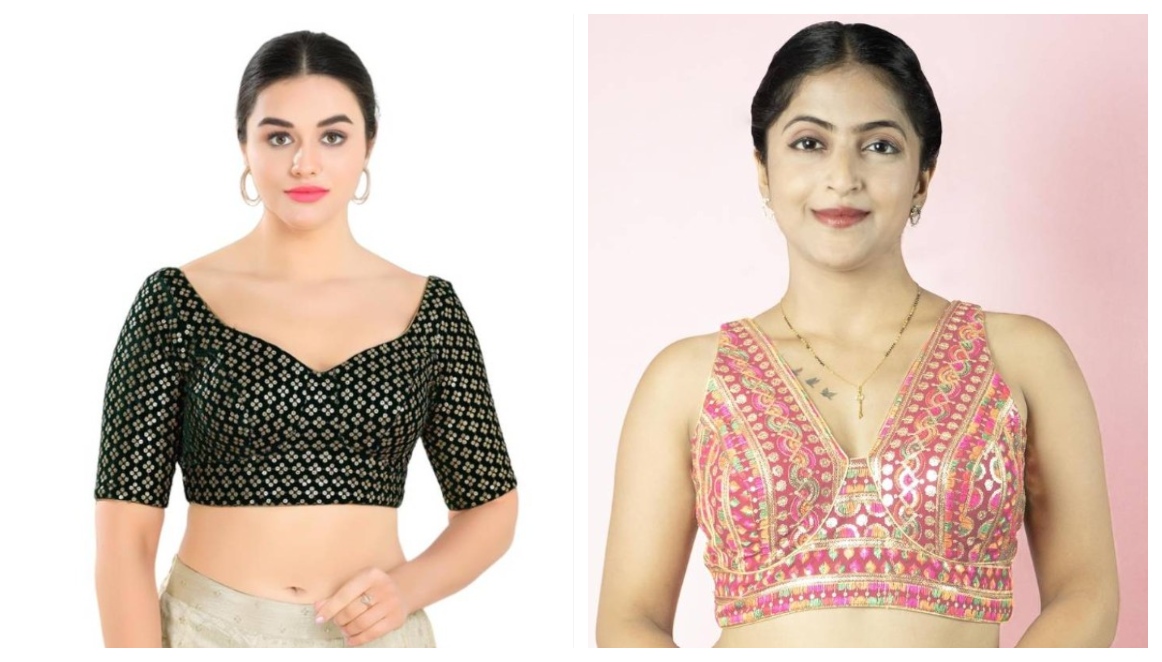
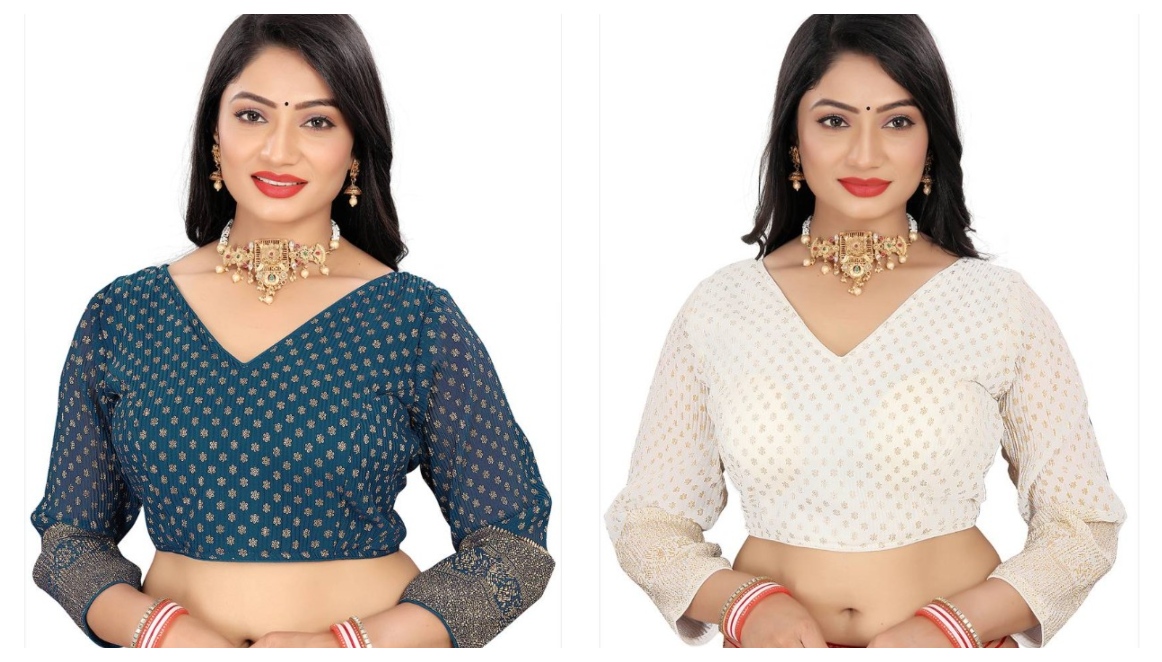
Deep V-neck / Sweetheart Neck: Deep V-neck and Sweetheart neck choli blouse designs stand out amongst the most popular blouse designs. They are bold, beautiful and make anyone wearing them look timeless. A Deep V-neck blouse choli is designed in the shape of the alphabet V, and the Sweetheart neck is shaped as the top half of a heart. Both the designs exude extreme femininity along with a hint of modernity. These two choli designs can be worn especially at high glam events where standing out from the crowd becomes a must.
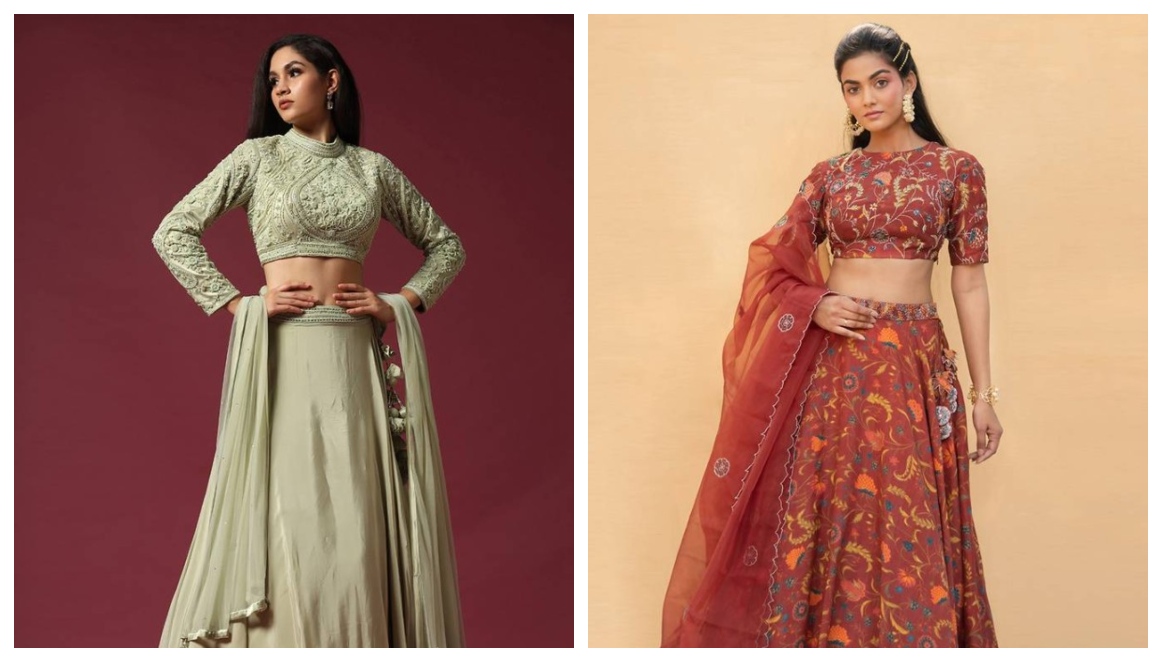
High-Neck Embroidered Blouses: If your main requirement is to appear as the picture of sophistication and beauty, then a high-neck embroidered blouse is exactly what you need to pair with your lehenga. A high-neck blouse has a neckline that covers up to the collarbone, amplifying modest grace. High-neck blouses can be dressed up by embedding shimmery or hand-woven embroideries on them. The added embellishments bejewel the blouse and give it a desi touch. This choli design can be rocked at grand wedding ceremonies.
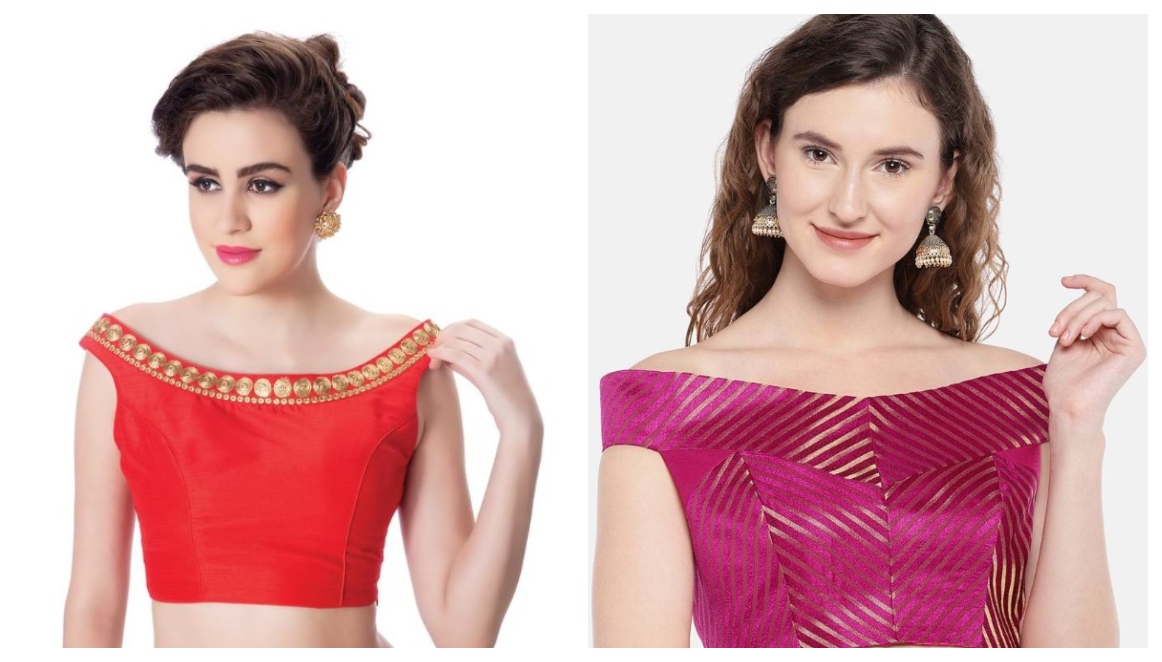
Off-Shoulder Blouses: Wearing an off-shoulder blouse is a great way to cement your reputation as a fashionista. Lehengas can be effortlessly rocked if we pair an off-shoulder blouse choli with them. Not only is this design charming, but also a classic. From old Bollywood screens to recent red carpets, the off-the-shoulder blouse has been an ever-present piece of clothing in the closet of every diva. An off-the-shoulder blouse with a lehenga can be worn at simple daytime events as well as extravagant evening functions.
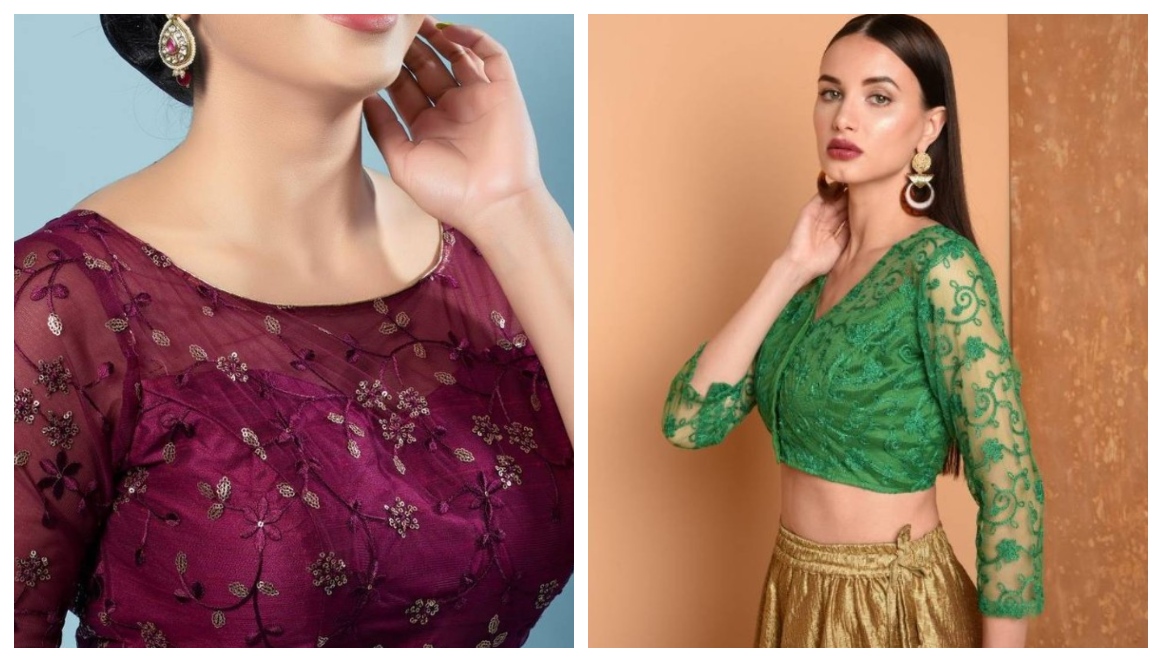
Full Sleeve Embroidered Blouses: To turn a basic blouse into a glamorous sight, you can opt for embroidered sleeve blouses. This blouse design is effortlessly gorgeous and can make heads turn everywhere you go. You can get zari and zardozi work done on the sleeves, or for a more traditional look, handcrafted gota patti or mirror work can also do wonders for your entire lehenga choli look.
Sheer & Net Blouses: To achieve that desi girl look, you can put your trust in sheer and net blouses. Sleek, shimmery, and sultry, these blouse designs can take your fashion game up several notches and turn you into the talk of the town. Modern yet ethnic, a sheer or net blouse is one of the easiest ways to look drop-dead gorgeous with minimal effort. You can embed metallic embellishments to make the blouse dazzle even more for glam nights.
Peplum & Indo-Western Designs: One of the most underrated blouse designs is the Indo-Western design. Choosing fusion designs that combine the best of both worlds can rarely ever go wrong. The fashion artistry of Indo Western designs, especially the peplum design, levels up the charisma of any lehenga that you are wearing. The peplum blouse cinches at the waist, making your figure look amazing.
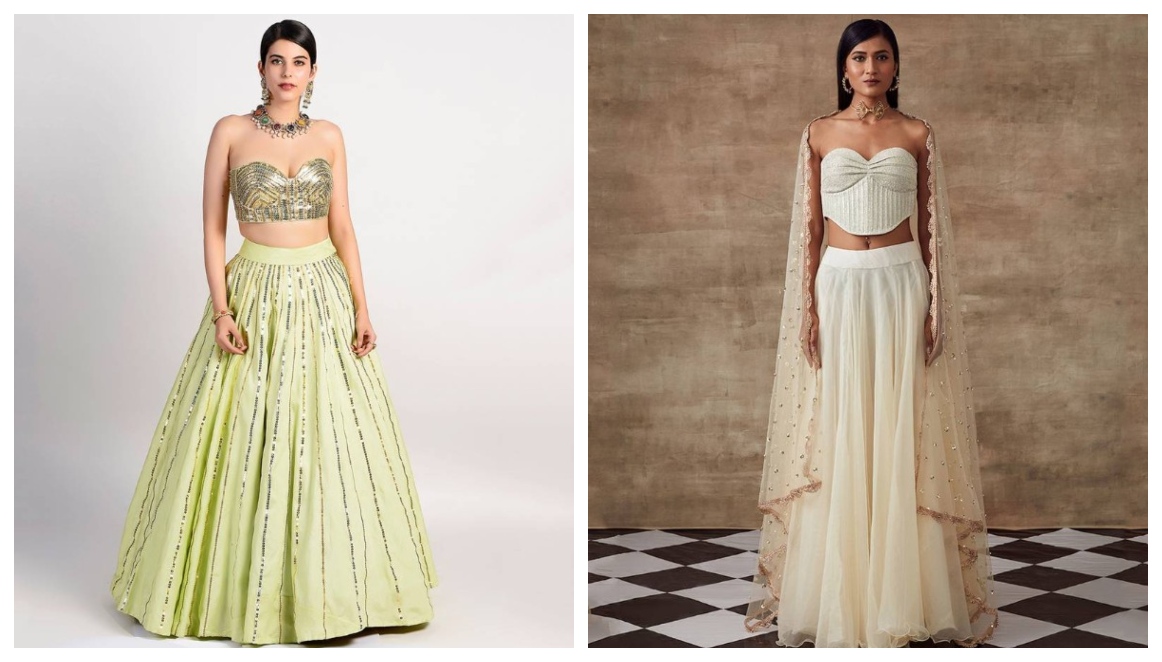
Corset-Style Blouses: Corset blouses are body-hugging blouses that mimic the silhouette of a corset. A corset blouse makes the waist look narrower and uplifts around the bust area. A corset-style blouse can either have sleeves, or it could be off shoulder, depending on what complements the lehenga better. Corset blouses have become quite popular these days and can absolutely help you get showered with compliments.
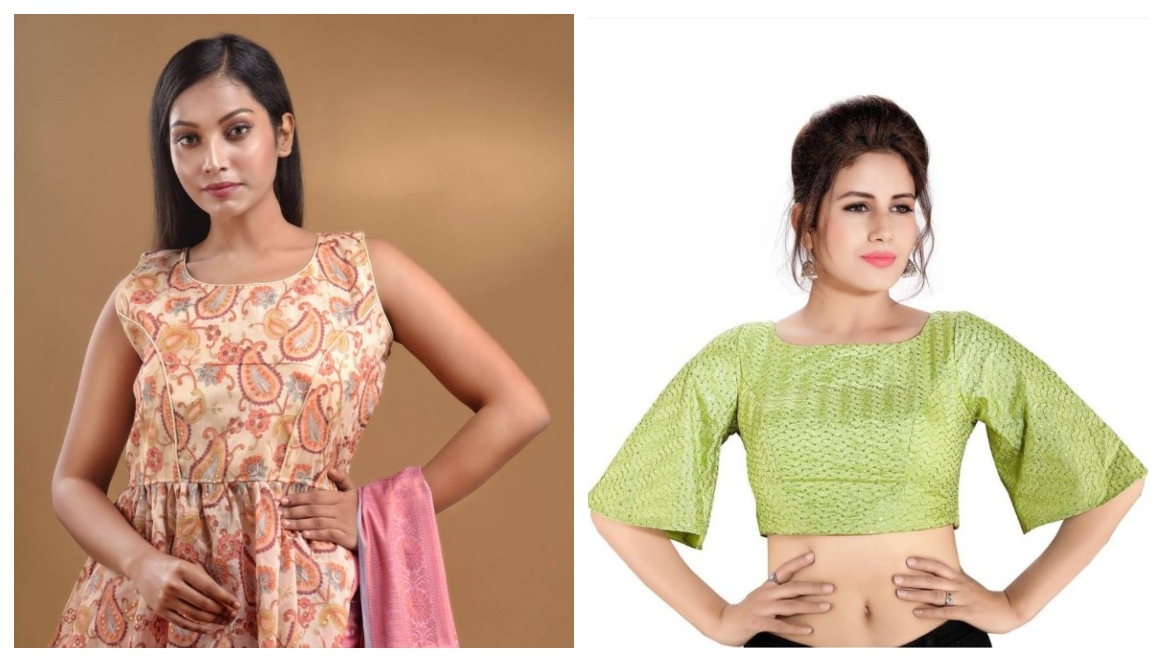
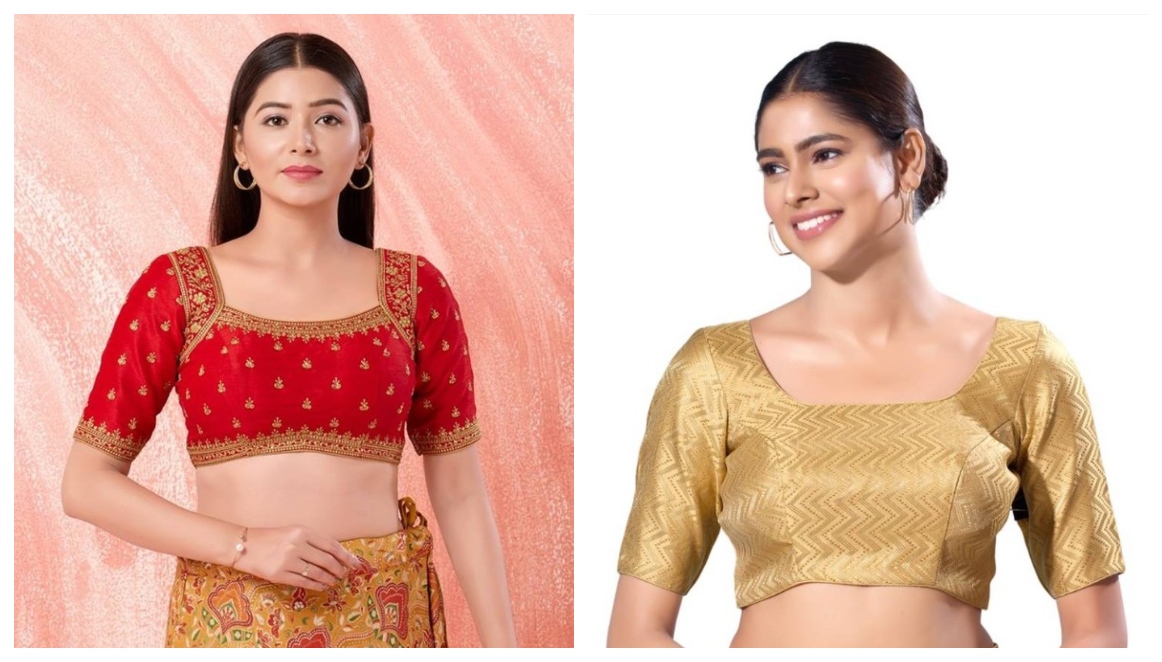
Square Neck Blouses: The square neck blouse is the evergreen blouse design that you can always rely on. The neckline forms the shape of a square, which looks classy as well as chic. This blouse design will look alluring at almost any event and can be worked around for events around the clock. So, if you are looking for a safe option that still lets you look like a diva, then a square neck blouse can be paired with any lehenga for women.
Crop Top Blouses: Crop top blouses are a variation of crop t-shirts. This blouse design is cropped and ends at the midriff, giving you the perfect opportunity to flaunt your abs and waist. Crop top blouses go extremely well with basic lehengas for women.
Statement Sleeve Blouses: Statement sleeve blouses can make you the center of attention if pulled off correctly. Unique sleeve blouses, such as Puff sleeves, can bring in extra charm to your outfit and make your lehenga look a hundred times finer. However, to make a statement sleeve blouse look seamless, you need to pair it with a simple lehenga so that it does not draw attention away from the sleeves.
Multi-Colored & Contrasting Blouses: A choli blouse with multiple colors on it or a blouse that is in a contrasting color to the lehenga is very in vogue right now. These designs make you stand out and look extraordinary. Not just bold but also playful, these blouse designs will flaunt your taste in fashion and your desire to experiment. So, if you wish to look stunning while going for something unconventional, then this is your best bet.
When you think about a Saree, the first thing that usually catches your eye is the color. Even before the fabric, the weave, or the design color sets the mood. In 2026, sari fashion is moving in a refreshing direction where you are encouraged to choose colors that feel natural to you rather than colors that simply look trendy on others. The focus is on balance and confidence.
You will notice that Indian saree color combinations this year feel thoughtful. Soft shades are no longer seen as boring, and bold colors are styled with intention, and everyday sarees are given just as much importance as the festive ones. Whether you wear sarees often or only on special occasions, understanding color trends can help you make choices that feel stylish without being overwhelming. This guide helps you walk through the trending color combinations of 2026, helps you choose shades that suit your skin tone, and takes a look at the occasions where you can don them.
Sari Color Combinations – What’s in Style in 2026?
Before you start exploring specific color combinations for asaree, you need to understand the idea behind the 2026 trends. This year is all about harmony. Colours are paired to support each other, not to compete for attention.
1. Pastel Shades Stay in Style
If you are drawn to soft and elegant looks, pastels will feel like a natural choice for you. Combinations like blush pink with pearl white and mint green with cream create a calm and graceful appearance. These shades work beautifully for daytime events and light festive occasions.
Blue is one color that you can always trust, and in 2026, it is leading sari fashion in a big way. Deep Navy with gold gives you a classic, confident look. Dusty blue with beige or ice blue with white feels modern and effortless. Royal blue paired with soft yellow or grey is also gaining prominence. Not just blue-hued sarees, but matching blue saree blouses are very easy to style as well.
When you dress for festivals or celebrations, grounded colors create the best impact. Combinations like emerald green with brown or wine with antique gold and mustard with maroon give your sari a festive warmth without looking too bold. These colors feel traditional and perfect for weddings and family events.
If you enjoy making a statement with your sari, bold color mixes are designed for you this year. Hot pink saree with orange, turquoise saree with yellow, and purple saree with teal instantly draw attention. To keep the look balanced, these sarees are usually styled with simple blouses and minimal jewelry.
If your style leans towards clean and understated fashion, neutral saris will suit you perfectly. Beige with ivory or off-white with black borders looks elegant and timeless. These combinations are perfect for you when you want to look polished and confident without appearing overdressed, especially for formal occasions.
Metallic shades are being used in a more refined way in 2026. Gold with champagne or bronze with deep green give your sarees a luxurious feel without heaviness. These combinations work best when you keep your accessories minimal and let the fabric and the color do the talking.
For dailywear you naturally want colors that feel comfortable and easy. Soft warm tones like peach or rust, caramel, and warm pink feel pleasant to your eyes and flatter most skin tones. These shades are perfect when you want something stylish yet relaxed for everyday use.
Picking the Right Saree Color Combination For Your Skin Tone
Once you know what colors are trending, the next step is to understand what truly works for you. Your skin tone plays a big role in how a saree looks once you wear it, and the right choice can instantly brighten your overall appearance.
1. Fair Skin Tone
You will look graceful in soft pastel light blue, peach, and cool pink shades. A chiffon saree or a georgette saree in colors like navy and emerald would also suit you when balanced with lighter borders or blouses. Extremely pale shades can sometimes look dull, so adding contrast helps you create balance.
2. Medium Skin Tone
You are lucky if you have a wheatish or medium skin tone that works well with many colors. Shades like mustard, royal blue, magenta, and olive all enhance your natural glow. Neutral colors like beige and grey can also look beautiful on you when paired with deeper accent shades.
3. Deep Skin Tone
Rich and bold colors will highlight your skin beautifully. Bright yellow, emerald green, blue copper, and metallic gold look striking on you. Even lighter shades like cream or pastels can work well when paired with darker borders or contrasting Blues.
Saree Combinations for Different Occasions
Even the most trending sarees need to suit the occasion. Matching your sari colors to where you are going helps you feel confident and dressed appropriately.
For Weddings and Grand Celebrations
Weddings give you the freedom to wear rich, dramatic colours. Some of the most trending silk sarees for weddingsfeature royal colors like deep reds, maroon, and royal blue, paired with gold or bronze to create a festive and traditional look. These colors feel especially grand in silk and heavily bordered saris.
For Festivals and Family Functions
Festivals are all about warmth and joy, and your sari colours should reflect that. Mustard with maroon, pink with orange, and rust with cream help you look festive without feeling overdone. The combinations are perfect for poojas and close family gatherings. For a true festive vibe, you can accessorize your saree with trending saree brooch designs and opulent jewelry.
For Office Wear and Formal Occasions
When dressing for work, you will want colors that look calm and professional. Neutral sarees with soft contrast, like grey with blue and beige with maroon, give you a polished and confident appearance. You can also choose readymade sareesin neutral colors if you are short on time.
For Casual Outings and Daytime Wear
For everyday wear, lighter shades and gentle contrasts work best for you. Pastels, warm earthy tones, and soft neutrals like peach with white or mint with peach feel comfortable and very easy to carry.
At the end of the day, sari color trends in 2026 are meant to guide you, not limit you. The most important thing is how a color makes you feel when you wear it. When you wear a sari that suits your skin tone, matches the occasion, and aligns with your personal style, it naturally boosts your confidence. Instead of chasing every new trend, focus on combinations that feel right for you.
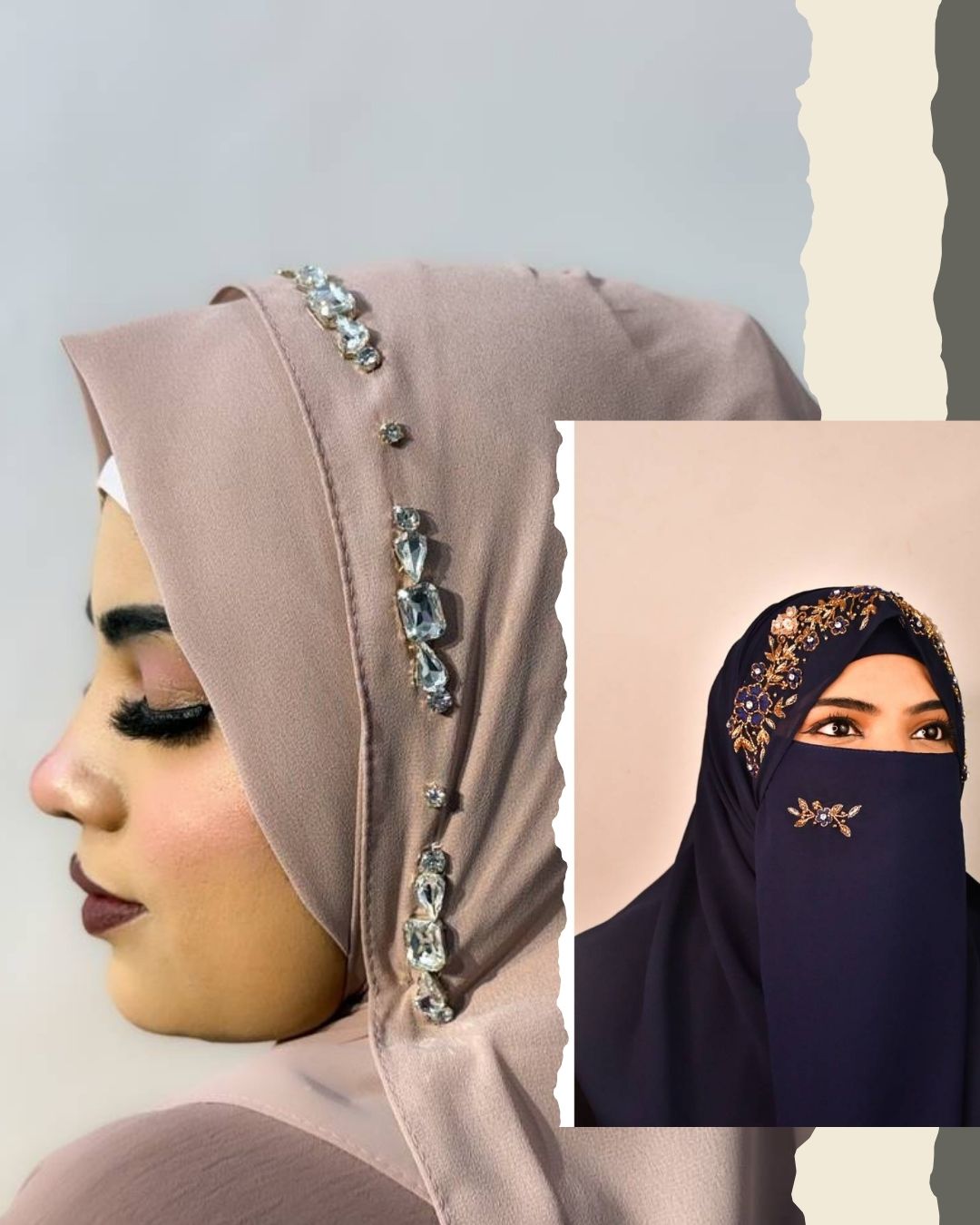
The Hijab is a jewel in Women’s Islamic clothing. However, it is not a mere garment but holds much more significance apart from its fabric and style. It is a tangible symbol of the Muslim woman’s faith and devotion to her religion. It denotes identity and diversity. It is also a way for women to honor the principles of modest clothing in Islam.
However, it might come as a surprise to many that Hijabs andabaya existed way before the advent of Islam. The Arab world borrowed this head covering from its neighboring countries of Syria and Persia. In those countries, wearing a Hijab was seen as a status symbol. The earliest Hijabs were in the form of simple fabric scarves that covered the hair and neck. From these simple designs, the Hijab has now evolved in various shapes and forms– seamlessly integrating itself into the Muslim teachings and faith.
As Islam spread across different regions, styles of head covering developed into unique cultural expressions. We got to see variations such as the Chador in Iran, the Niqab in the Arabian Peninsula, and the Burqa in Afghanistan. In this Hijab guide, we will explore the amazing world of Hijab stylesand take a closer look at this multifaceted garment.
Different Types of Hijabs That You Should Know About
The Classic Hijab: The most popular style worldwide, this is the form that comes to mind when we hear the word Hijab. It is a wrap that covers the hair and neck, while keeping the face bare. If we had to give some Hijab tips for beginners, it would be to master this wrapping technique.
Al Amira Hijab: These types of Hijabs come in a two-piece design that comprises a close-fitting cap and a tube-like scarf. Revered for its easy convenience, this style is apt for daily wear as well as travelling. It is effortless to put on and secure; it embodies the spirit of modesty without sacrificing style.
Khimar Hijab: This is a long, cape-like Hijab that covers the head, neck, and shoulders. It often extends down to the waist or even beyond. Popular in Africa and the Arab world, this Hijab style exudes full modesty with an elegant silhouette. Khimarsalso come in a variety of colors, patterns, and lengths, allowing for customization as per your style and comfort.
Chador Hijab: This Hijab is an exemplary example of modest fashion and provides total coverage from the head to the toe. Originating in Iran, this comes in the form of a long cloak and in solid colors such as black and navy. While traditionally, they used to be plain, now they come in subtle patterns and lightweight fabrics that allow for personal expression.
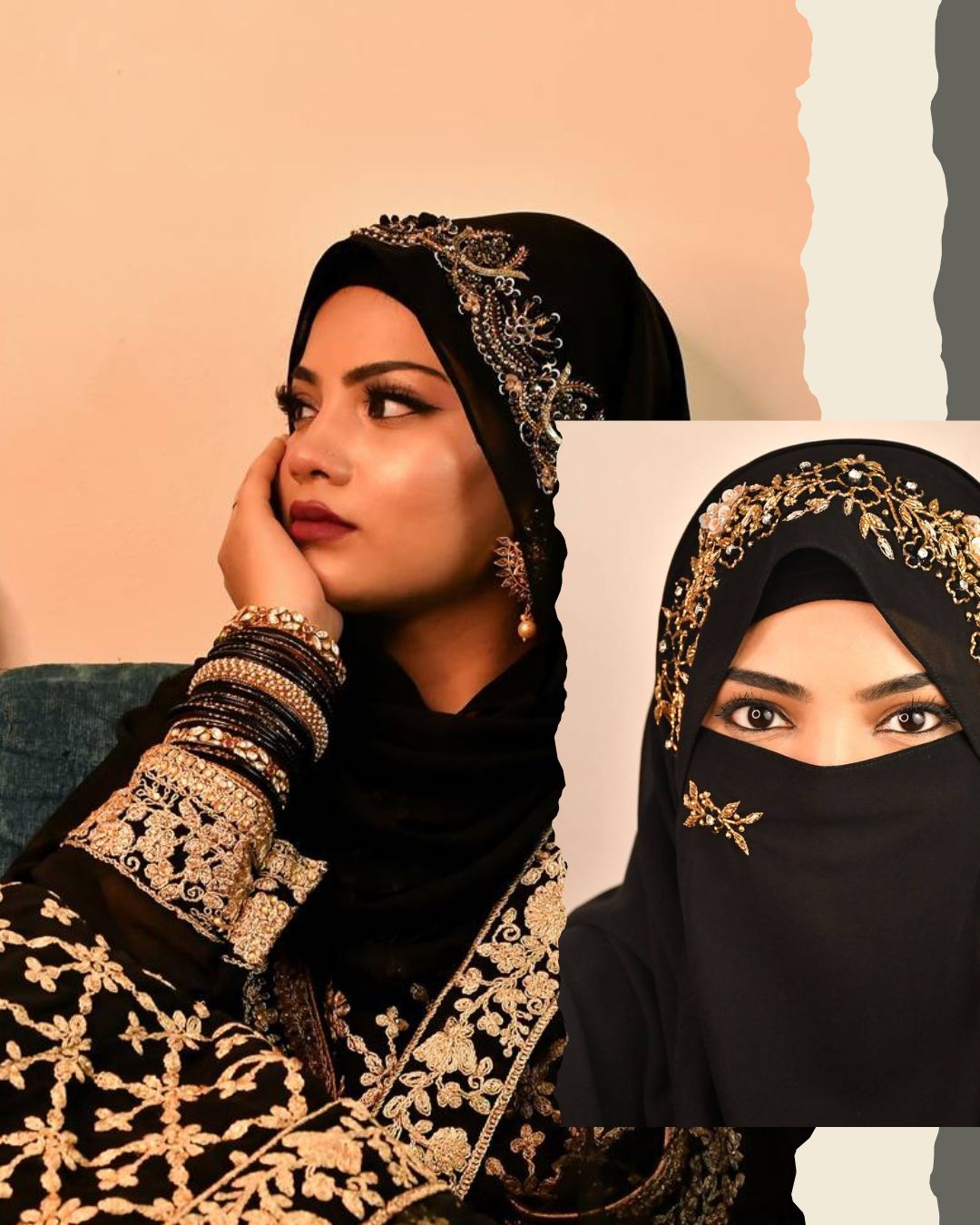
Niqab Hijab: This variation of the Hijab comes with a face covering as well, only leaving the eyes open. It is often worn with other Hijab styles like the Khimar and Shayla, and provides a deeper level of modesty. Commonly worn in Arabian countries and South Asia, this Hijab style is connected to reverence and deep commitment to Allah.
Burqa Hijab: The talk about different Hijab styles would be incomplete without mentioning theBurqa. It provides the highest level of coverage and comes with a mesh screen for the eyes. Popular in Afghanistan and parts of South Asia, the Burqa covers the entire body from head to toe.
Shayla Hijab: The Shayla Hijab is a long, rectangular scarf that is wrapped loosely around the head and secured with pins or magnets. The Hijab of choice in the Arab world and Western countries, this Hijab style is a symbol of style meeting modesty. It is simple and classic– perfect for beginners or those who prefer a loose Hijab look.
What Fabrics and Materials are Used In Hijab?
Chiffon: This lightweight and pretty material is one of the most commonly used fabrics in Hijabs. Chiffon hijab is a mixture of fibres like cotton, silk, and synthetic blends. Its lightweight and flowy structure makes it comfortable and easy to wear. It also gives off a graceful appearance and comes in a variety of colors and patterns.
Jersey: If you are looking for stylish Hijab looks that are also comfortable, go for Jersey hijabs. The super stretchable fabric is also easy to wear. Further, it doesn’t need any pins or magnets to stay in place all day. Thus, this Hijab fabric is the best choice for daily wear as well as casual occasions.
Polyester: Polyester Hijabs are all the rage right now. It is also super easy to maintain and is an affordable pick. It also comes in a range of styles, making it perfect for daily wear as well as for special occasions. Its soft feel and wrinkle-free texture have made it a top pick for the modern woman
Rayon: Rayon Hijabs are all-season coverings that can be worn in any climate. Perfect for a casual look, this Hijab fabric is supple, soft and light. It is also easily drapable and can be used to create a plethora of styles.
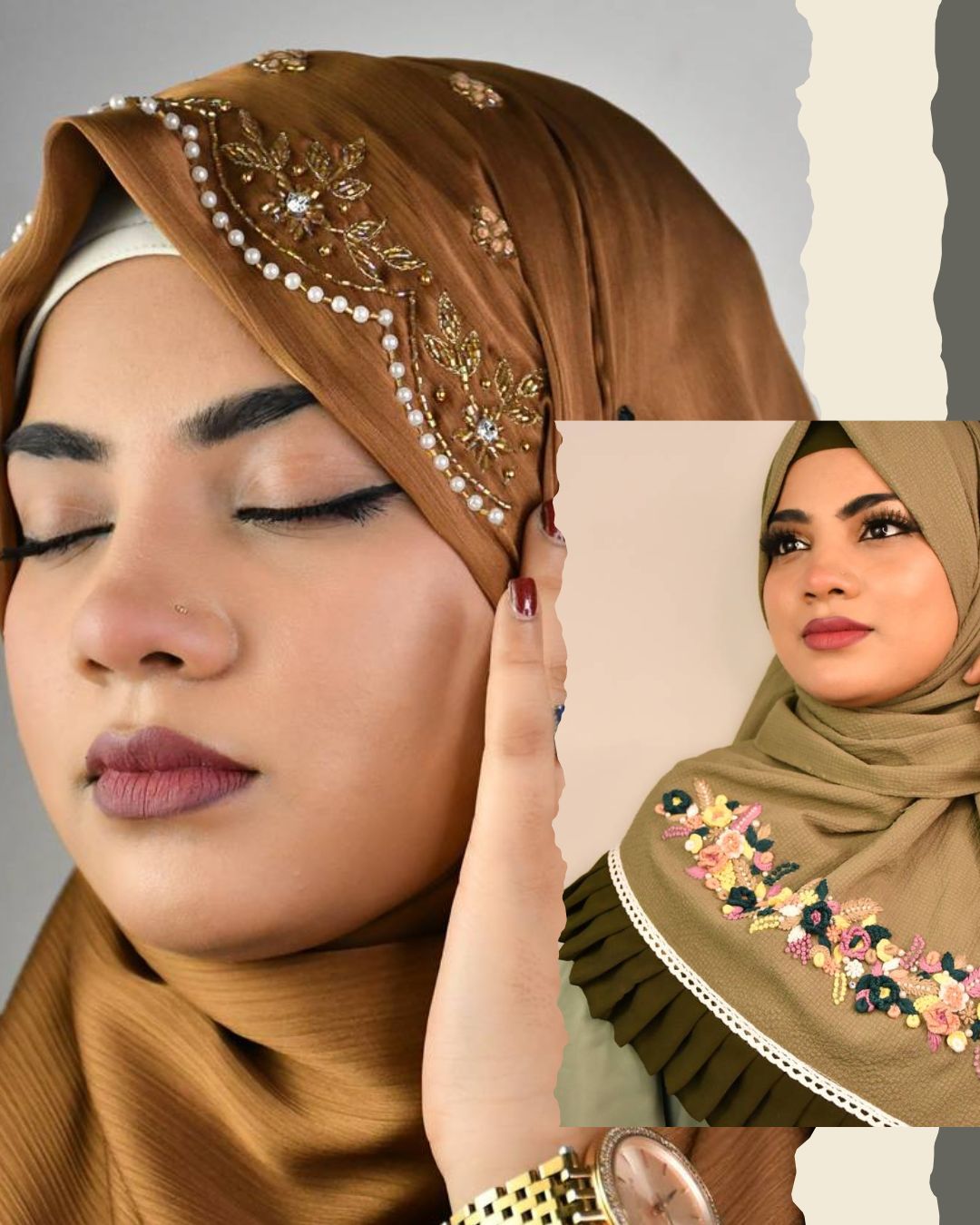
Silk: The luxurious silk Hijabs are often saved for special occasions like weddings and Eid. They come in a wide range of colors and patterns. The fabric’s natural sheen gives an elegant look to the Hijab. The silk Hijabs also come in a variety of embellishments and adornments, taking the luxe look even further.
Hijab Styling Tips– Daily Wear and Special Occasions
The Classic Wrap: If the question of how to wear Hijab for a casual, everyday look is on your mind, then the classic wrap should be your go-to style. It is the simplest and most versatile style. Just drape your Hijab over your head, then proceed to wrap one end around your neck. Let the other end flow freely, and you are good to go.
The Loose Drape: Perfect for social gatherings and semi-formal events, this wrap gives off a relaxed and effortless feel. This look is very much in trend now as well. In this style, the Hijab falls naturally over your shoulders with minimal wrapping. Go for flowy fabrics like Chiffon or modal for a chic vibe.
Turban Style: If you want to get creative with your Hijab wrap, then try out the turban style wrap. It involves wrapping the Hijab snugly around your head and then tying it at the back. It is also a great option for showing off your accessories and pairs well with high-neck outfits. Fabrics such as modal or jersey are perfect for this wrapping style.
Hijab Accessories — Pins, Undercaps, and More
Hijab Magnets: Replace traditional pins that might damage your Hijab fabric with trendy Hijab magnets. These magnets secure your Hijab in place without poking the fabric.
Hijab Bangles: Another alternative to pins are the Hijab bangles. They are circular in shape and act as a fashion accessory as well as hold your Hijab in place.
Undercaps: These are a must-have for any Hijabi and pair well with transparent Hijabs. They ensure your hair stays neatly in place. They come in various forms, such as full coverage caps to ones that cover just the front of your head.
No-Snag Pins: Hijab styling ideas are elevated to the next level by no-snag pins. They feature a newly designed concept that prevents the poking or snagging of your Hijab. They fasten your Hijab under your chin by tying the ends together.
Regular Pins: This is one accessory, without which the wardrobe of any Hijabi is incomplete. These trusty small pins ensure that your Hijab stays in place all day long. It is essential to keep a stack of these in your handbag for Hijab emergencies.
Types of Hijabs – Regional and Cultural Variations
Pakistan: In Pakistan, the Hijab is draped loosely around the head, allowing some hair to peek out the front. The colors match the traditional clothing and can range from light to dark.
Syria: Modern Hijab styles in Syria include pinning the Hijab around the head tightly. Undercaps are commonly worn, and drapes are made at the top of the head to add a distinctive design.
Turkey: The Hijab styles of Turkey are very fashionable and elegant. The scarf is tied to the side of the neck in an elegant bow. This style is very feminine and classy while still providing full modesty.
Malaysia: In the Southeastern country of Malaysia, the Hijabs are light and brightly colored with floral patterns. The drapes are elegant and add volume as well as give full coverage to the hair.
Somalia: Somalian women wear their Hijabs like a turban. Long scarves are used to make the turban look voluminous. Color and patterns are added by using an undercap.
How To Maintain and Care for a Hijab
Wash with care. Overwashing can damage a delicate Hijab quickly. Wash only after a few wears to preserve the quality of the Hijab.
Air drying is the best way to protect your Hijab from damage. Tumble drying can shrink or weaken the fabric.
How you store your Hijab has a significant impact on the quality of your Hijab. Hang slippery fabrics like satin and chiffon to prevent creases. Cotton and bamboo Hijabs can be folded neatly into a drawer.
Treat makeup or food stains immediately with a mild remover. Don’t use cleaners with harsh chemicals as they can impact the fabric. Air out your Hijabs between washes to keep them smelling fresh.
Keep an emergency kit that includes spare pins, an undercap, a lint roller and a stain remover in your bag.
Final Thoughts
Thus, a Hijab is not defined by a single style, region, or perspective. It is a soft blend of faith, culture, history, and style. The Hijab styles might change from region to region, but the meaning it holds for the wearer remains the same.
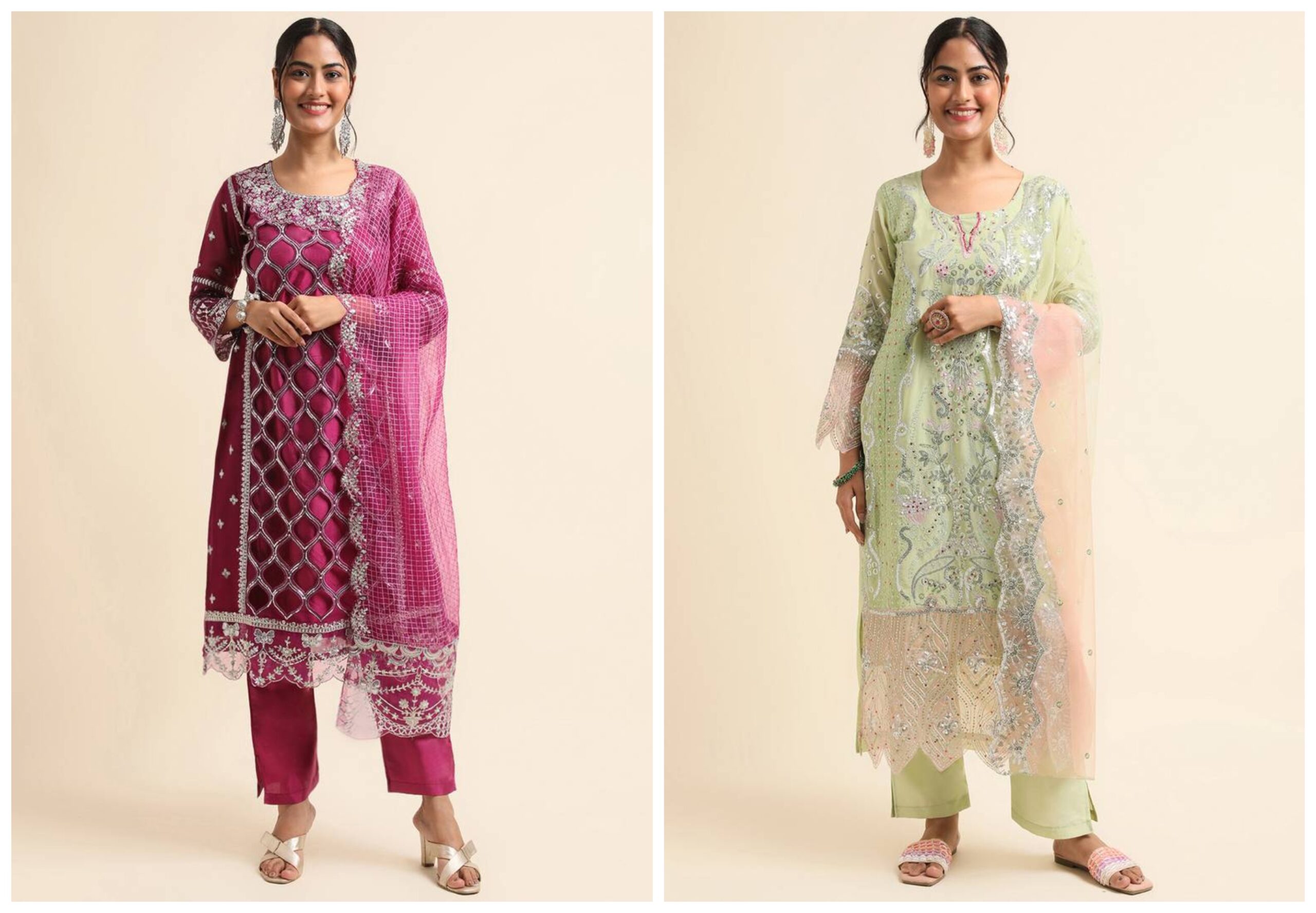
To a layman’s eye, both Pakistani and Indian salwar kameez seem like the same outfit. But the case is not so. While both ensembles share elegance, culture, and charm, their styling differences are paramount. They represent South Asian traditional fashion wonderfully, but the confusion regarding them is commonplace. In fact, the terms Pakistani suits and Indian salwar kameez are often used interchangeably by some people. Their visual look is similar, with both garments being a three-piece ensemble covered with embroidery. This serves to add fuel to the fire and confuse ethnic fashion lovers even more. However, there are major styling differences in both. Understanding this underlying difference will help you make an educated choice about what to wear to which occasion. In this blog, we will talk about the major styling differences between the Pakistani and Indian salwar kameez. Read along to know more.
Pakistani Suits– A Class on Restraint and Refinement
Also popularly known as Shalwar Kameez, these suits exude simplicity and elegance like no other. The focus is on clean lines and straight cuts. They are lightly embroidered with intricate and delicate patterns. We often see thread work, mirror work, and Zardozi embroidery styles on them. These embellishments are tastefully done and don’t overpower the overall look.
There is a major emphasis on calmness, composure, and understatement. These suits are also crafted out of luxurious materials like chiffon, silk, and cotton. These luxe fabrics, combined with the subtle accents, create a mesmerising look that speaks of quiet luxury. The overall look of these suits isnt simple or boring, but one of high fashion sophistication.
A refined style within the broder salwar kameez category, the Pakistani salwar suit is the very definition of luxury and elegance.
Indian Salwar Kameez– Embracing Vibrancy and Color
Unlike Pakistani salwar kameez that usually come in a straight cut, Indian suits are defined by their plethora of silhouettes. From the graceful fall of the Anarkali to the constrained elegance of Palazzos, Indian salwar kameez styles are unparalleled. As compared to their Pakistani counterpart, the colors, embellishments and contrasts are more prominent in these outfits.
Their designs stand apart because of their intricate embroideries, dazzling embellishments, and rich fabric textures. All these factors come together to create an expressive ensemble that exudes ethnic elegance perfectly. Also, these suits are designed to suit every mood and occasion. In fact, their variety is their defining characteristic. From weddings to festivals to daily and office wear– there is an Indian salwar that will suit every occasion.
Key Styling Differences- Everything You Need to Know
Styling Aspect
Pakistani Suit
Indian Salwar Kameez
Overall Look
Minimalistic and understated
Vibrant and Ornate
Cuts
Straight and Long
A selection of varied silhouettes
Embellishments
None to minimal
Heavy and Expressive
Colors
Soft and Demure
A wide color range
Visual Focus
Fit and Finish
Design and Detailing
Why Fit and Cut Are of Prominence
The cut and fit of a salwar kameez is highly important. It influences factors like posture, movement, and overall presence. Hence, learning the difference between the cuts and fits of Pakistani suits and Indian Salwar kameez is crucial.
The major focus in Pakistani suits is on smart tailoring and creating clean silhouettes. These outfits usually come with longer and flowy kameez that are often paired with slim trousers or churidars. The fit is modest and elegant. They are tailor-made for women who want to go for a graceful yet comfortable look.
On the other hand, the Indian salwar kameez is more experimental in nature. It showcases a variety of cuts and is a more flexible fit-wise. From traditional Patiala suits to modern Indo-Western styles, the world of Indian salwar kameez is a treasure trove of fashion gems.
Pakistani Suits vs Indian Salwar Kameez– Occasion Guide
Pakistani Suits:
These refined and elegant suits are perfect for formal dinners, understated gatherings, and daily wear. Remember to accessorize your look with a simple necklace, elegant earrings, as well as heels and a small clutch.
Indian Suits:
These ensembles are more decadent in nature. However, the variety is such that you will find a style that suits every occasion. For daily and office wear, you can opt for printed cotton suits. For festivals like Diwali and Navratri, traditional Patiala suits work best. However, Anarkali and Shararas are staples of bridal wear.
Pakistani Suits – An Integral Part of the Salwar Kameez World
Pakistani suits, with all their elegance, are a category in the salwar kameez world. They are not separate outfits. If you are looking for an understated yet charming salwar kameez to make an impression, then reach out for the Pakistani suit.
When it comes to Pakistani suits vs Indian Salwar Kameez, there are no winners. Your pick should ultimately rest on factors such as your styling preference, mood, and the setting. There are no right or wrong options. However, understanding the differences between these styles is important for making an informed fashion decision.
Muslim men in 2026 are facing a unique challenge– How to dress stylishly while still following the Islamic laws of modesty. This is especially true for the men living in Muslim minority countries and in office spaces. You basically have two options– don the typical muslim clothing for men and look out of place, or opt for Western outfits that are not modest. To address these problems and more, designers are playing smart. In 2026, you can expect to see a rise in stylish Islamic men’s clothing that seamlessly blends tradition with style. The growing demand for such clothing coincides with Muslim men’s urge to dress modestly without compromising on comfort, elegance, or versatility. Hybrid Muslim Identity is all the rage in 2026. For example, zipper kammes are replacing the traditional kameez, or layering hoodies under Thobes is becoming increasingly popular. In this blog, we will take a walk through various Islamic outfits for men and take a look at how these styles have evolved for the modern age.
The New Age Thobes and Jubbas – Fusion of Old and New
Thobes and Jubbas are iconic Islamic dresses for men that you will find in every man’s wardrobe. In 2026, the essence of these garments will be the same, but their style has been updated. TheThobes have shifted away from the traditional loose silhouette and now come in smartly tailored cuts. The color palette for these has also expanded beyond the classic white. Darker colors are being incorporated, such as navy, grey, black, and beige. Modern Jubbas are also now semi-fitted and structured, making them a common place in events beyond religious settings. Given their style and polished looks, both these garments are top picks for daily wear as well as special occasions.
Modern Kurtas and Pathani Suits – Effortless Festive Style
In 2026, kurtas and Pathani suitswill see a fashion revival. Kurtas with sleek, shorter cuts, cleaner hems, and straight lines are in vogue at the moment. A variation in the fabrics is also seen, with many designers opting for light cottons, linens, silks, and silk blends to maximize style and comfort. When it comes to Pathani suits, we are seeing a fresh color palette, with vibrant tones like emerald, royal blue, and maroon getting popular. Along with this, subtle embroidery is added along the neckline, placket, and cuffs to up the style quotient. A colorful kurta or a structured Pathani suit leaves quite the impression and is perfect for festive occasions, gatherings, and celebrations.
Contemporary Shalwar Kameez — Decadence At Its Best
The Shalwar Kameez is deeply rooted in the Muslim traditions of South Asia. This versatile ethnic wear is embraced for daily wear as well as Jummah prayers, Eid celebrations, and weddings. Its comfortable structure and lightweight fabrics make it a wardrobe staple in 2026. This year, we are seeing the Shalwar kameez in lightweight, easy-to-carry fabrics such as cotton, mulmul, lawn, and linen. Some popular styles of this charming ensemble are the Patiala suit, Khet Partug, Balochi Shalwar Kameez, and Sindhi Ajrak Shalwar Kameez. The epitome of masculine charm, men now prefer this attire in solid colors such as purple, brown, green, white, and navy blue.
What Colors and Fabrics are trending in Islamic Men’s Clothing?
Colors: Hues such as earthy tones like brown, olive green, and terracotta are being embraced more this year. Apart from these, neutral shades such as beige, rust, and white are also much loved. Pastel hues are always trending, and that is the case in 2026 as well. Expect to see kurtas and Shalwar kameez suits in colors such as mint green, lavender, and baby pink.
Fabrics: In 2026, there is a huge emphasis on comfort as well as style, and hence breathable and season-friendly fabrics such as cotton, lawn, linen, and mulmul are being chosen. Apart from this, as the focus shifts towards sustainability, eco- friendly fabrics such as recycled cotton and bamboo are also gaining prominence.
This year has also seen the rise of fusion muslim outfit men. Modern Muslim men aren’t just looking for the formal thobe for Friday prayers. Instead, he is smartly building a strategic outfit collection that blends perfectly with his fast-paced lifestyle. We are seeing a resurgence in fusion Islamic dress for men such as minimalistic solid color thobes paired with a denim jacket or a blazer. Zipper kamees are worn with chinos or jeans for work. Yemeni Shemagh or Kashmiri Shawals are replacing the standard scarf. Also, instead of the traditional kufis, men are opting for thick beanies that cover their heads perfectly.
Modern Muslim Men’s Fashion – Casual and Occasional Looks
Everyday Modest Styles: Casual mens Islamic dress has beautifully evolved to bridge the gap between elegance and comfort. Kurta Pajamas remain the top modest pick. Shalwar kameez and thobes are also worn casually because of their breathable fabrics and comfortable silhouettes.
Occasion Wear Outfits: For grand events such as Eid, weddings, and other festivals, your modest clothing should reflect the grandeur of the occasion. For instance, clothing such as a Thobe with a Bhist is really popular. Apart from this, Pathani suits are also favored. If you are a bridegroom, we recommend a decadent sherwani.
The beauty of Islamic traditional dress gets amplified when styled correctly. If you are looking for tips on styling your muslim outfit for a modern look, here is a quick guide for you:
Go for Quality Ensembles: Low-quality, cheap-looking clothing can ruin your look in an instant. Invest in high-quality pieces that will last you for a long time and elevate your look as well as your confidence.
Never Over-Accesorize: Over-accesorizing can make you look dowdy and shabby. If you are wearing a colorful outfit, then a simple bracelet is enough. Also, experiment with your head dress. Caps, beanies, and kufis all add style to your look effortlessly.
Opt for Layering: Layering is a smart way to add dimension to your outfit. However, if you think layering is only for winter, you are wrong. For example, you can pair a light jacket with your Thobe.
What is the Future of Men’s Islamic Fashion?
Muslim dress for men will continue to evolve beyond 2026. Traditional garments will not just disappear, but will be reinvented with fresher cuts, newer fabrics, and comfortable silhouettes. Features such as cleaner silhouettes, updated collars, and subtle detailing will become commonplace. Hence, in the future, Islamic men’s fashion will encompass not just religious sentiments but shifting fashion trends as well.
In today’s fast-fashion world, the one-minute sari works more like an essential of style for modern ladies. These sarees are designed for convenience and beauty, allowing you to look traditionally beautiful in just seconds. Whether it is a wedding, festivities, or an evening soiree, the 1-minute saree comes with a classic draping that offers long-lasting grace effortlessly.
These stylish pre-stitched sarees are specially designed for women who want to get ready at the last minute. With beautiful pleats and clearly flowing pallus, the pre-stitched sarees are designed to maintain a tidy look all day long. Among the best sarees online, one-minute sarees are popular because of their versatility. Whether you are a fan of modern drape sarees or love the fusion of ethnic and contemporary, these readymade saree designs flawlessly mix traditional with trendy. Would you like to go for easy and convenient styles? In this blog, we will explore the trending 7 one-minute sarees styles that make you look fabulous – Scroll down to read more.
Here Are The Popular One-Minute Sarees for Every Occasion
1. Sage Green One Minute Saree with Embroidered Blouse
This Mirraw’s one-minute saree for women is a great option if you like comfort and beauty. It is a stylish pre-stitched saree which you can wear in 1 minute without a pallu and pleats. All one needs to do is wear it like any skirt. The sage green color is so peaceful to look at, and it’s elegant enough for many occasions. Saree ruffles add a contemporary look & the embroidered blouse adds luxury. This ready-to-drape saree is lightweight and easy to carry for a longer duration. Skip the heavy curls and go for a middle-parted bun while styling this stitched saree. Wear it with silver or green stone jewelry and wedge heels. This Indian sari is great to wear for parties and special occasions as well.
2. Party Wear Emerald Green One Minute Saree for Women
Mirraw’s emerald green party wear saree is for those who like a loud and mesmerizing look. The soft frills and the shiny material of this one minute saree is great for evening events. The saree falls in one smooth line and looks elegant all night. This drape saree is hassle-free, and you don’t have to take anyone’s help for it. Opt for glamorous hair in a sleek, straight style, and you go bold with your makeup. Style it with diamond jewellery and heels for a lavish look. This saree is perfect for cocktail parties, reception parties and evening parties.
3. Lavender Ruffled Ready to Wear Saree with Fringe Blouse
This one-minute saree in lavender adds a playfulness to your look. It is a contemporary pre-stitched saree featuring layered ruffles and a fringe blouse. The material is lightweight, slick, and super comfy to wear. This saree is perfect for girls and young women who are looking for a new, trendy business look. Pair it with loose waves or a ponytail to keep things fun. You can also accessorize the look with silver jewels and nude heels. This Indian saree is suitable for all occasions like birthday parties, festivals, and business functions, etc. It is also a hot favourite among ladies who buy sarees online.
4. Brown Shimmer One Minute Saree With Heavy Work Blouse
Our latest shimmer brown 1-minute saree offers a royal and classy appearance. The exquisite readymade saree comes with a fabulous, heavy, embroidered blouse that gives grandeur to this combination. The shimmering fabric sparkles softly and makes a perfect option for a dressy night out. This pre-stitched saree is easy to wear and carry all day long. Pair it with loose curls or a tidy bun and smoky eye shadow. You can also adorn gold earrings and heels to make a statement. This saree is perfect for weddings, festive nights, and family functions.
5. Navy Blue Floral Style Designer One Minute Saree
Mirraw’s navy blue one-minute saree is an awesome choice for those who like classic colors and modern design. The vibrant floral pattern enhances the beauty of this saree. The silk fabric is soft and has a nice drape to it, which makes it perfect for wearing all day long. This ready-made saree can be draped without any pleats. Pair it with a neat bun hairstyle or open hair in soft makeup, and you can accessorise it with floral earrings and bangles. This saree comes with a drape that makes it nice to wear for festivals or socials.
6. Blush Pink One Minute Saree In Ruffle Pattern Design
This pink blush saree features soft ruffles and a stylish one-shoulder blouse. The crepe fabric flows beautifully and gives a soft touch to your skin. This saree is made up of crepe fabric, which not only looks good, but it feels good on the skin. For added elegance, pair it with straight hair or just a sleek bun, natural makeup, and add pearl jewelry and heels. This readymade saree is ideal for a reception, party, or modern wedding event.
7. Blue Net One Minute Saree With Embroidered Blouse
Our sky blue one-minute saree adds a dreamy and elegant look. It is a light, pre-stitched sari that has been crafted out of soft net fabric and gives a comfortable and breezy look. The beaded blouse gives a shimmer and glory to the dress. This is a readymade saree wear and is great for all occasions. You can wear it with soft curled locks or side-swept hair, natural makeup, silver jewelry, and heels. This Indian saree is perfect for party wear, festival evenings, or wedding parties. When looking for elegant styles in sarees online, this is also a favourite pick.
A lehenga is identified as a grand outfit for grand times in India. But it is more than just a festive outfit. It’s a way of expression and feeling confident. The beauty, comfort and grace it comes with are bound to make you feel naturally confident and pretty without trying too hard. But this can stand true only when you find the right lehenga for yourself. One size fits all does not stand correct in the case of a lehenga. You need to choose one that slips perfectly right into your body. Once you find such a lehenga, you’ll get to experience the magical feeling of it. If you are wondering about how to choose a lehenga according to your body type, this guide will break it down for you. Let’s find out how different lehengas for women complement various body types.
1) Pear-Shaped Body If you’ve got a slimmer upper body with fuller hips and thighs, then you have a pear-shaped body. For such a body shape, you need a lehenga that creates a balanced look.
Best Lehenga Styles: A-line and flared lehenga choli styles are great for this body shape. These lehengas skim over the hips instead of clinging to them, and the medium-volume, structured skirts align your lower body shape neatly. Fabrics like georgette and soft silk are the best fabrics for these lehenga styles.
Styling Tips: Shift the focus upward by styling embellished and heavy blouses with detailing. Pick a blouse with a statement neckline and dupattas that bring drama to your look.
2) Hourglass Body An hourglass body is one where both hips and bust are balanced, and the waist is more defined. This is a body type that is versatile enough to carry most of the Indian lehenga silhouettes with ease.
Best Lehenga Styles: If you have this body type, you should pick out classic lehengas for women that enhance your figure. You can also try out fitted lehenga dress styles or mermaid cut lehengas that bring attention to your curves.
Styling Tips: Since the body shape comes with a defined waist, you can choose to add more detailing to it. You can style your lehenga with waist chains and pick out tailored blouses.
3) Apple-Shaped Body Apple body shape is the one where your midsections and bust appear to be fuller with slimmer legs.
Best Lehenga Styles: Empire waist, A-line lehengas and layered skirts work really well for this body shape. You should find a lehenga choli set that flows from just below your bust, offering the comfort that you truly need without giving up on style.
Styling Tips: Try to keep the waistline clean and uncluttered. Go for lightweight dupattas and vertical embroidery. Make sure you pick skirts in darker shades that provide a longer and leaner look.
4) Rectangular Body Rectangular body shapes have similar bust, waist and hip measurements. It means if you’ve got a body with body parts in the same proportion, you’re most likely to have a rectangular body shape.
Best Lehenga Styles: Flared lehengas, ruffled skirts, and layered lehenga dresses are best fitted for such body types. The designs of these dresses add dimension. Blouses with deep necklines, peplum cuts and fuller sleeves can help you look even more amazing.
Styling Tips: Play with textures, try contrast pairing and statement dupattas. It is all about styling correctly, and you’ll get just the result you desire or something even better.
5) Petite Body If you have a shorter height and a smaller frame, you fall in the petite body category. For such a body type, you need to play around with lehenga styles that don’t look too heavy on you.
Best Lehenga Styles: Go for high-waisted lehengas and vertical panel designs. These styles are your best ally as they make you look taller and help you move easily. Pick streamlined Indian lehenga styles in lighter fabric. They elongate the body without overwhelming it.
Styling Tips: Stick to monochrome looks like white-on-white lehengas or go for tonal embroidery. Avoid any lehenga that comes with oversized motifs or heavy borders because they can visually shorten your frame.
6) Tall Body Every woman who is above 5’7 and has long limbs, a longer torso or a higher overall vertical line falls under the tall body category.
Best Lehenga Styles: If you have this body type, you have an option to experiment freely with volume, prints and fabrics. You can find dramatic lehenga sets with long cholis, layered skirts, and detailed borders that make your taller frame look absolutely stunning.
Styling Tips: Break up vertical lines with contrast dupattas or belts. Even for accentuating your waistline, this hack works all too well. For something more, go for unique designs as your height is versatile enough to carry them effortlessly.
7) Plus-Size Body This body shape comes with larger and curvier proportions where you have fuller curves across the bust, waist and hips. Many lehengas beautify this body type in an extremely charming way.
Best Lehenga Styles: A-line and panelled styles that often bring structured drapes add a perfect balance to this body. You should find these designer lehengas in lighter fabrics. Something like silk blend or crepe is just right because they don’t give you the bulk and hold the shape of your body.
Styling Tips: You should style these lehengas with well-fitted, V-neckline blouses. This is because choosing the right lehenga is all about celebrating every curve of your body, not concealing them.
A lehenga may be the power star of your outfit, but the dupatta cannot be underestimated. It comes with the strength to make or break your look. A right lehenga dupatta style can totally transform your outfit and bring you the look of your dreams. Whether you are wearing a classic bridal Indian lehenga or a designer lehenga choli, it’s important to pay special attention to the dupatta. How you drape your dupatta matters more than you think. In fact, the modern lehenga designs are focusing so much more on creative dupatta draping techniques. If you are wondering about the ways you can do it correctly, this blog will help you do so. Let’s explore some of the unique dupatta draping styles for lehenga that actually make sense and give your whole outfit a showstopper vibe.
1 – Classic Single Dupatta Drape Most of us grew up seeing this dupatta style. It is the one where you drape the dupatta over one shoulder and tuck it in your waist. This drape is the simplest yet quite elegant, which lets your lehenga shine. It allows ease of movement and suits lightweight lehengas.
2 – Royal Double Dupatta Bridal Look This one has been a personal favorite of most of the brides this year. It uses two dupattas where one is draped traditionally over the head and the other one is styled across the shoulder. The double dupatta style is perfect if you want to add layers and depth to your outfit.
3 – The Front-Open Dupatta Statement In this style, you will find the dupatta left open as a front stole instead of covering the torso. This lehenga dupatta draping style is great for the times when you want your blouse to be the highlight of the outfit and at the same time, it elongates your silhouette.
4 – Neatly Pleated Shoulder Drape This one is for the women who like zero-effort draping and want a drape that keeps them comfortable throughout the day. What you have to do to achieve this look is just pleat your dupatta neatly and pin it on one shoulder. It brings your whole look together all so well.
5 – The Gujarati-Inspired Front Drape Gujarati-style dupatta draping is also one of the prominent draping styles adapted by women mostly during Navratri Dandiya events. In this style, the dupatta is worn across the body and pinned at the shoulder. It’s great for festive events and brings a cultural touch to your Indian lehenga.
6 – The Belted Dupatta Look Yet another style that gives your lehenga dress proper structure is the belted dupatta look. All you have to do is wear your dupatta as usual and just secure it with a belt of your liking. This is the easiest way of draping without having to pin or adjust it. The belt makes sure that your dupatta stays at place while you enjoy the event.
7 – The Cape-Style Dupatta This diva look is a go-to for new-gen women. The dupatta is styled like a cape over both shoulders and falls like a beauty. It’s a contemporary, innovative way of dupatta draping that is definitely making a buzz in the fashion industry and is loved by women across the world.
8 – The Effortless Side-Swept Drape Side-swept drape is the one where the dupatta starts at one shoulder and is swept diagonally across the front body, where it is tucked lightly at the side of the opposite waist. It creates a natural flow, and you can try this style for dupattas in light fabrics like cotton, chiffon, or georgette.
9 – The Traditional Ghoonghat Drape This style is lovely and a heritage for a ceremonial lehenga choli. You just have to place the dupatta over your head and let it fall gently over your shoulders and chest. But if that seems like too much to handle, you can always pin it over the shoulder to be more carefree. This draping technique frames your face beautifully rather than covering it.
10 – The One-Shoulder Trail Look One-shoulder trail is the drape where the dupatta is pinned on one shoulder and is left completely loose at the back. It creates a long flowing trail which looks mesmerizing and gives you a dreamy feeling. The front of the lehenga for women remains neat, which makes the space for the blouse and jewelry to stand out.
11 – The Cross-Body Dupatta Style Drape your dupatta from one shoulder across the torso and tuck it on the opposite side of the waist. This way, you’ll get a cross-body drape. It’s all about keeping the fabric closer to your body while still letting your skirt own the look.
12 – The Veil-Inspired Dupatta Look
Dreamiest of all the dupatta draping styles, this one includes placing the dupatta loosely over your head with minimal pinning. It falls softly over the shoulders and back and focuses more on lightness than structure. This drape is just what you need to feel romantic and airy, and it gets even better with pastel lehengas.
13 – The Dupatta Around the Neck Style In this style, the dupatta is worn like a scarf. It is wrapped once around the neck, and the rest of the ends fall evenly on the back or front. Your arms and waist remain totally free in this draping, and it’s exactly what gives your lehenga outfit a contemporary edge.
14 – The Waist-Pinned Dupatta Drape To achieve this look, you need to drape the dupatta over one shoulder and then pin it at the waist. This way, you are allowing the other end to fall freely, which seems like a great composition of structure and flow. The style also lets the lehengas for women shine on their own, and lets you move easily.
15 – The Asymmetrical Dupatta Finish
As the name suggests, this style is about styling your dupatta unevenly. It’s a fun way of styling where you’ll find one side shorter and the other longer. The idea behind this draping style is to give your lehenga a more modern look rather than traditional.
We all know how versatile salwar kameez can be. This amazing ensemble is donned for everything from daily wear to special occasions. One of the best occasions to wear a salwar kameez is at festivals. However, picking out a particular festive salwar kameez isn’t that cut-and-dry. Festive salwar kameez comes in various styles such as the Anarkali, Sharara and Churidar. These styles tick all the boxes for festive wear but have a completely different essence to them. In the end, which ensemble you pick boils down to movement, comfort and the occasion that you are wearing it to. In this guide, we will compare festive salwar kameez styles such as the Anarkali, Sharara and Churidar on parameters such as visual impact, comfort, and movement. If you are confused about choosing a festive salwar suit, let this blog be your guiding light.
A festive favorite, the Anarkali is specially designed to create a dramatic, floating, and rhythmic motion as you walk. Its swish is often described as swan-like or courtly. It is also renowned for its dramatic flare This flare is achieved by attaching a gathered or panelled skirt to the bodice and exudes a formal and graceful appearance. These tantalising features make the Anarkali suit perfect for receptions, weddings, festivals or ceremonial moments. These suits feel extremely dressy due to their heritage, flattering silhouettes, luxurious materials and intricate detailings. They also come with versatile lengths, hence you can choose one that suits your comfort. These elements combine to make the Anarkali suit the perfect festive attire. While these suits are celebrated for their swing while walking, they look just as graceful when you are standing or stationary. They are often composed of flowy fabrics that gently fall on your body as you are sitting or standing. One of the most elegant silhouettes in the salwar kameez category, the Anarkali suits are a total show stealer.
If heavy lehengas aren’t your vibe, you could always go for a decadent Sharara instead. They provide the same drama that comes with a lehenga but are much more comfortable. These days, the modern woman is replacing her classic lehengas with comfortable Shararas. The structure of the Sharara is mesmerising, with it being fitted till the knees and then dramatically flaring down towards the bottom. Most Shararas are crafted from lightweight fabrics, which makes them easy to carry through long hours of the festivities. Also, unlike Churidars or tightly fitted lehenga skirts, its signature wide leg cut allows easy walking and dancing. Its silhouette is also airy, making it perfect for long celebrations. Shararas are also a prominent pick over the Anarkali because it distributes visual weight better than it. They come with a short kurti and high-waisted flared pants that break the visual line of the body at the waist rather than the bust. This beautiful ensemble is particularly the perfect choice for weddings, long celebrations and movement-heavy events such as the sangeet.
For long, the Churidar salwar kameez has held a place in the daily as well as office wardrobes of women. However, did you know that this clean, structured piece can be styled as easily for festive occasions as well? If you want to go for a refined festive look, then this salwar suit style should be your top pick. It is beautifully slim-fitted and features stylish gathers at the ankles. The Churidar exudes a formal, tailored appearance as its tapered, skin-hugging fit provides a streamlined and elegant look. These suits are chosen for times when you want to look elegant and polished. They are perfect for events such as poojas, intimate ceremonies and short festive events. If your goal is sharpness, not volume, the churidar salwar kameez is perfect for you.
Click here to know in depth about Churidar suits, which are a part of the broder salwar kameez category.
A Brief Comparison of Anarkali vs Sharara vs Churidar Suits
Aspect
Anarkali
Sharara
Churidar
Movement
Graceful and Flowing
Flexible and unrestricted
Polished and Sharp
Visual Impact
Extremely Sophisticated
Vibrant and Festive
Semi-formal and relaxed
Comfort
Comfortable for short hours
Extremely Comfortable
Can be a bit uncomfortable for long hours
Best For
Weddings, parties, festivals
Pre-wedding functions, dance nights
Cultural office events, small poojas.
Choosing Festive Salwar Suits Based on Occasion
Formal and Short: For short and formal events such as wedding ceremonies, receptions and Diwali parties, go for a decadent Anarkali. The dress’s opulence and grandeur will go perfectly with the festive vibe. Anarkalis can get a tad bit tiring after a few hours, hence choose them for short functions only.
Long and Lively: Events such as mehendi and haldi require you to be on your feet for long and dance through the hours. Your outfit should be comfortable and stylish enough to partake in the fun, but look equally glamorous as well. This is where Sharara suits come into play. Their comfortable silhouette allows you to enjoy long hours of merriment with ease.
Structured and Intimate: For occasions such as home poojas, birthday dinner or office parties, the goal is to look sharp and polished. A churidar suit will work well for times like this. The structured look of the suits meshes well with the intimate atmosphere.
How Festive Suits Fit into the Salwar Kameez Category:
While they differ in purpose, design and style, festive suits such as Anarkalis, Shararas, and Churidar are a part of the same salwar kameez category. They exist to serve different festive purposes, and you can choose one based on your preference. All three come with the same elements– salwar, kameez and a dupatta; however, their essence is fundamentally different.
To conclude, it is safe to say that no festive salwar style is superior and each variety has its own specialities and demerits. The perfect festive salwar kameez for you is the one that fits in perfectly with your movement, occasion, comfort, and the mood of the celebration.
If you have ever stood in front of a mirror wearing a silk sari and added a piece of temple jewelry, you know the feeling; the whole look changes. It feels richer and almost sacred. That’s the magic of South Indian temple jewelry.
You need to know that temple jewellery never tries too hard to grab attention. It doesn’t rely on your flashy trends or modern styling tricks. Instead it carries a neutral richness that comes from history, culture and faith. For generations you would have seen women wearing these ornaments during weddings, festivals and classic dance performances. It has always been present in important life moments shining softly while holding centuries of tradition. What makes temple jewelry really special is its spiritual connection.
Every design is inspired by ornaments that are worn by gods and goddesses and South Indian temples. Of this each piece feels really powerful; you are graceful at the same time. It is different from fashion jewelry that keeps on changing season by season. Temple jewelry has remained almost untouched by time and honestly that’s exactly why it feels so rare and meaningful today. When you look at temple jewelry you are not just admiring craftsmanship you are actually witnessing a story that has travelled through centuries.
History of Temple Jewellery
Its roots go back to the Chola dynasty between the 9th and the 13th centuries. This was the time when South Indian temples were built with extraordinary detail, covering gopurams, stone carvings, and sculptures that still leave us in awe today.
During this time, jewelry was created mainly for temple idols. The ornaments were offerings made with care, belief, and reverence. Gold was not chosen because it was precious but because it was believed to carry purity and divine energy.
Later, temple dancers known as devdasis began wearing similar jewelry while performing inside temples. The dances were not entertainment in the modern sense; they were offerings. The jewelry they wore reflected the same richness and spirituality seen on the idols.
At first, these ornaments never left temple spaces, but as kings and royal families admired the craftsmanship, temple jewelry slowly moved into palaces. Eventually, it found a place in weddings and functions, especially in South India.
Over centuries, what started as a sacred temple adornment became a symbol of tradition and pride. Regions like Tamil Nadu and Andhra Pradesh became towns for this jewelry, each adding to its own local touch.
Skilled Craftsmanship Behind every jewelry piece
One of the most beautiful things about temple jewellery is that it’s still deeply human. Real hands make it, and real families protect the craft.
The materials that give it soul
Originally, temple jewelry was made using pure gold. Rubies and pearls were added carefully, not randomly. Each stone had a meaning, and each placement mattered. Today a lot of pieces are crafted using silver with gold plating, which allows you to wear and enjoy the style. Semi-precious stones and Kundan work help recreate the same traditional richness without losing authenticity.
Temple jewelry takes time; there are no shortcuts here. Fine metal wires are twisted to form patterns. Tiny beads are added one by one to create texture, and enamel colors are filled carefully, never rushed. Faces of goddesses, Lotus flowers, and elephants are all carved by the handful. This is the only reason why temple jewellery never looks perfect in a factory-made way; it looks alive.
Tradition meets modern comfort
Modern life has changed, and temple jewelry has gently adapted to it. Today, you can see designs that are lighter and very easy to wear. You can comfortably wear it for long weddings and celebrations, but the soul stays traditional, and the experience feels easier.
The many beautiful forms of temple jewelry
Temple jewelry is not one single piece; it is a complete language of ornaments, each one playing its part.
Necklaces that carry presence
Temple jewelry necklaces do not try to be subtle, and they should not. Long Haram necklaces often feature goddess Lakshmi or temple carvings. They sit heavily on the chest, grounding the entire look. Kasu mala Necklaces made with coin-shaped designs have always symbolized prosperity and abundance. Choker necklaces close to the neck, add structure and new strength. When layered, they create a look that feels royal.
Earrings that frame your face
Jhumkas are probably the most loved temple jewellery earrings. The gentle movements add life to your face, and earrings usually feature floral elements and feel quieter but equally traditional. For wedding and dance performance long earrings help highlight your expressions and add drama without looking excessive.
In South Indian culture, bangles are more than just decoration. Temple jewelry bangles are thick and often carved with traditional patterns or goddess figures. Bracelets or kadas add balance to heavy necklaces and complete the look beautifully.
Head and hair ornaments that transform your look
This is exactly where temple jewelry truly shines. A maang tikka resting on the forehead instantly adds grace. The chutti outlining the hairline makes your face glow. The Jada running along the braid is beautiful and symbolic. Armlets worn on your upper arms are a touch of old-world royalty.
Waist and foot jewelry
The waist belt makes a powerful statement. It represents protection and prosperity and is an essential bridal ornament. Anklets often with tiny belts or stonework bring rhythm and softness to every step.
When all these pieces come together on you as a bride, the result is breathtaking. There is nothing flashy here, but just divine. You can expect a strong, complete bridal set.
Why does temple jewelry still matter so much?
Temple jewelry is not only beautiful. It carries feelings, faith, and memories that truly go beyond gold and stones. For many families, these ornaments are tied to important moments in life, weddings, festivals, prayers, and celebrations that stay in the heart forever.
In South Indian weddings, temple jewellery holds deep meaning. It symbolizes prosperity, protection, and divine blessings for new beginnings. Brides are often adorned to resemble goddesses, especially goddess Lakshmi, who represents abundance and grace. Every necklace and waist belt is believed to invite positive energy and happiness in your married life.
During festivals like Navratri or Diwali, wearing temple jewelry feels auspicious. The occasions celebrate tradition and devotion, and the jewelry becomes a way of honoring both. Many households treasure temple jewelry pieces like family heirlooms, passing from one generation to another. With each generation, the jewelry gathers stories and memories along with its shine.
Temple jewelry also plays a powerful role in classical dance. In art forms like Bharatanatyam and Kuchipudi. The temple jewelry on such occasions is not optional but essential. The bold necklaces, expressive earrings, and adornments help bring every moment to life. They highlight your facial expressions, support storytelling, and complete the spiritual and visual beauty of the performance.
Regions that shaped the beauty of temple jewelry
While temple jewelry follows the same traditional spirit, each region of South India has its own personality in the designs. This is what makes jewelry so rich and diverse.
Tamil Nadu is considered the heart of temple jewellery. Cities like Kanchipuram are known for their amazing craftsmanship and heavy gold appearance. The designs here closely resemble temple structures and idol ornaments.
Karnataka, especially Mysore and Bangalore, brings a softer and more refined touch. The jewelry often features graceful patterns, smoother finishes, and elegant gemstone placement.
Andhra Pradesh and Telangana draw strong inspiration from sacred places like Tirupati. Here, designs focus on symmetry and detailed carvings, besides balanced structures that reflect temple architecture and religious symbolism.
Kerala temple jewelry stands apart with its unique gold texture and minimal use of stones. The design feels pure tradition and earthy, closely matching Kerala’s cultural aesthetics.
How do you choose temple jewelry that truly suits you?
Buying Temple jewelry can feel confusing, especially when there are so many designs and styles available. You might think that you have to buy jewelry to look traditional, but that is not always true. The right jewelry is the one that suits your outfit and body type.
Matching temple jewelry with sari fabrics and color
The first thing to look at is your sari; heavy silk saris like Kanchipuram silk or Banarasi silk look best with traditional temple jewelry. The shine of gold matches naturally with the silk fabric. If your sari is dark, like maroon or bottle green jewelry with ruby or emerald stones look really nice. For lighter sarees like cream or off-white, simple temple jewelry without too many stones looks better. If the sari already has heavy work, choose jewelry with cleaner designs. If the sari is simple, you can wear slightly heavy jewelry.
Choosing jewelry according to your face shape and body structure
Face shape also matters when you are choosing jewelry. If your face is round, longer necklaces and medium-sized jhumkas usually sit better. If your face is long, round earrings help balance the look. If you are a petite woman, then you can go for medium-sized rather than extremely heavy pieces. Taller or fuller women can easily carry long, harams and wide waist belts without looking overpowered. There are no strict rules; the best choice is always that which makes you feel confident.
Traditional jewelry or modern lightweight jewelry
Traditional jewelry is heavy and bold, which looks grand, but can feel uncomfortable if you wear it for several hours. Because of this, a lot of people today prefer lightweight temple jewellery designs that look traditional but feel easy to wear. They are perfect for long weddings or receptions. You can also mix both styles. For example, you can wear a heavy necklace with lighter earrings or combine a traditional choker with a modern chain.
Buying for investment or for regular use
Some temple jewelry is meant to be cherished for life. Heavier gold pieces with delicate carvings are often purchased as long-term investments or heirlooms. For regular wear on festive occasions, you can go for gold-plated or silver-based jewelry. The pieces give you the same traditional appearance without the stress of daily handling. Choosing both types allows you to enjoy temple jewelry freely without the fear of damage or loss.
Temple jewelry for brides: Creating a divine wedding look.
If you’re a South Indian bride, then temple jewellery is not just an accessory; it’s a part of your bridal identity. It transforms you into a goddess-like figure, glowing with tradition.
The complete South Indian bridal set
A traditional bridal temple jewelry set usually includes several elements that come together beautifully. The Haram forms the foundation, often layered with shorter necklaces or chokers. Jhumka earrings frame your face and move with every step. Armlets sit proudly on your upper arms and add royal charm. The waist belt holds the saree pleats in place while symbolizing protection and prosperity. Head ornaments like maang tikka or chutti can complete your look, turning you into a vision of elegance.
Layering is an important part of bridal styling. Instead of wearing one heavy necklace, you can often wear two or three different lengths. A short choker near the neck, followed by a medium-length necklace and a long Haram, creates depth and richness. The key is to maintain spacing, so each piece stands out perfectly. Too much layering can feel heavy, while thoughtful layering looks graceful.
Blending tradition with modern bridal style
Modern brides often want the beauty of tradition without looking overly heavy. You can choose classic temple elements, but in lighter-weight or cleaner finishes. You can even pair traditional jewelry with pastel sarees or minimal makeup. The blend keeps the soul traditional while the appearance feels fresh and modern.
Caring for temple jewelry so it lasts for generations.
Temple jewelry can last for decades if cared for properly. A little attention goes a long way in preserving its beauty.
Safe storage practices
You must always store temple jewellery separately in a soft cotton or velvet cloth. Avoid stacking pieces together as the metal surfaces can scratch each other. Anti-tarnished pouches are extremely helpful, especially for silver-based jewelry. Keep your ornaments away from moisture. Never store jewelry in plastic for a long time, as it traps moisture.
Cleaning without damaging the design.
Temple jewelry should never be cleaned using harsh chemicals. For gold pieces, gentle polishing with a soft cloth is enough. Gold-plated jewelry should only be wiped clean after use. You must avoid water or sprays. Professional cleaning is always safer than home remedies.
Preserving antique jewelry
Antique jewelry requires expert care. You must avoid frequent handling and never attempt to polish it yourself. Periodic professional maintenance helps preserve the carvings and original finish. With proper care, antique jewelry becomes a priceless family treasure.
Buying temple jewelry online: what should you know?
Shopping for temple jewelry online has become really common, especially for brides living away from their hometowns.
Choosing trusted online stores
You must look for established jewelry websites that clearly mention materials, finish, and craftsmanship details. Genuine sellers provide close-up images and clear return policies. Customer reviews and real photographs help you understand the quality better.
How to check authenticity
Authentic temple jewellery really reflects fine carvings and clean finishing. You must always look for hallmarks when buying gold jewelry. For plated or silver-based jewelry, the description should clearly mention base metal coating, quality, and stone type.
Understanding pricing and value
Prices are likely to vary based on the metal and the stone quality. Handcrafted jewelry often costs more than machine-made pieces because of labor and detailing. Instead of choosing the cheapest option, always focus on value, durability, and authenticity as they matter far more than just price alone.
FAQs
What materials are usually used to make temple jewelry?
Temple jewelry is traditionally made from gold and decorated with rubies and emeralds. Today, silver with gold plating is also commonly used.
Can Temple jewelry be worn with modern outfits?
Yes, absolutely lightweight temple jewellery pairs really well with gowns and even with western outfits when styled thoughtfully.
What is the average cost of a South Indian bridal temple jewelry set?
The cost depends on materials and craftsmanship. Gold bridal sets can range anywhere from several lakhs, while gold-plated or silver sets are available at much more affordable prices.
Are lightweight or artificial alternatives available?
Yes, many brands offer lightweight and gold-plated options that look traditional while being comfortable.
How can antique jewelry be preserved for the long term?
Store it carefully in a soft cloth and avoid moisture. When needed, you can also get it professionally cleaned. Proper care can preserve antique jewelry for several generations.
A common misconception that lingers in the minds of people is that lehengas are all about colors and embroidery. But that is not true; it is the fabric that makes or breaks the look of a lehenga. Contrary to what people think, fabric decides the fall, twirl and the structure that your lehenga will have. Back in time, fabric options were limited to only silk and cotton.
But today, we have a wide variety of fabrics like rayon, georgette, taffeta, etc. that are used to craft celebrity-inspired lehengas. So, if you are an upcoming bride or bridesmaid looking to buy a designer lehenga, then do read this blog as we explore a whole variety of lehenga fabrics.
What Roles Does the Fabric of Lehengas Play?
The fabric of a lehenga quietly decides almost everything: how rich it looks, how comfortable it feels, and how confidently you carry it. Heavy fabrics like silk, velvet and pashmina help to create a royal look. In contrast, the lighter ones like chiffon, georgette and rayon are great for that flare when you walk down the aisle.
Another major thing to look for when choosing the lehenga fabric is the comfort level. It should be such that it easily complements your skin and you do not feel tired while wearing it. This is especially important for new brides who are already tired due to their wedding festivities.
Also, the embroidery on the lehengas depends on the type of fabric you have chosen. Some fabrics highlight embroidery beautifully, while others suit simple designs better.
Popular Lehenga Fabrics Used Widely
Lehenga fabrics determine the overall look you will have with your lehengas. Read on to know more about the gorgeous array of lehenga fabrics.
Georgette Georgette is the kind of fabric you choose when you want to enjoy the function, not keep adjusting your outfit. It moves easily when you walk or dance and doesn’t feel heavy even after hours. That’s why it’s a favorite for sangeets, mehendi nights, and parties where comfort matters as much as looking dressed up.
Chiffon Chiffon is soft, delicate, and almost weightless. It gives a very calm, graceful look and never feels overpowering. Many people pick chiffon lehengas for daytime events or summer weddings because they stay cool and are easy on the body, especially when you want something simple but elegant.
Net Net is chosen when the goal is impact. It adds volume, layers, and a dramatic finish that photographs beautifully. Most net lehengas have a base fabric underneath, with net used for flair and heavy detailing. They’re commonly worn for receptions, cocktail nights, or when you want a bold, standout look.
Crepe
Crepe suits women who like clean lines and a more modern style. It doesn’t flare too much and sits neatly on the body, making it feel effortless. Crepe lehengas are often worn for engagements, intimate weddings, or fusion events where the look is stylish but not overdone.
Velvet Velvet instantly feels rich the moment you touch it. It’s heavy, warm, and carries embroidery beautifully, which is why it’s popular for winter weddings. Velvet lehengas are chosen for main wedding ceremonies or receptions when you want a powerful, royal presence and don’t mind a heavier outfit.
Cotton Silk Cotton silk is practical yet festive. It has a subtle shine but still feels breathable, which makes it perfect for long ceremonies. Many women choose cotton silk for day weddings, temple functions, or family rituals because it looks traditional without becoming uncomfortable.
Rayon Rayon is easy, budget-friendly, and very wearable. It drapes nicely without feeling stiff and works well with printed or lightly embroidered lehengas. Rayon lehengas are often picked for smaller functions, pre-wedding events, or when you want something stylish but relaxed.
Taffeta Silk
This fabric holds its shape well, so it’s used when you want a proper flare and structure. It makes lehengas look festive and defined, especially in traditional designs. Taffeta silk is often chosen for weddings and formal events where a sharp, dressed-up look is important.
Jacquard This fabric stands out because the design is woven into the fabric itself. Even without heavy work, it looks rich and detailed. Jacquard lehengas are popular for weddings and festive occasions where you want something traditional that feels elegant without too much embellishment.
Linen Blend These lehengas are all about comfort and simplicity. They feel light, breathable, and very natural on the body. These are usually worn for small daytime functions, intimate weddings, or for women who prefer an understated look that still feels thoughtful and well put together.
Trending Lehenga Fabrics for 2026 Brides
Raw Silk Raw silk is chosen by brides who want their outfit to feel meaningful, not just beautiful. It has a natural texture that gives weight and presence to a lehenga, making it feel ceremonial. Because it holds embroidery so well, raw silk is often worn for the main wedding day, rituals, and moments where tradition takes center stage.
Organza
Organza works for brides who like softness without losing structure. It feels light, but it still creates volume, which is why it looks stunning in flared silhouettes. Many brides pick organza lehenga for daytime weddings or pastel themes because it feels fresh, romantic, and never overwhelming on the body.
Banarasi Silk Banarasi silk carries history in its weave. Brides choose it not just for how it looks, but for what it represents. The richness of the fabric and its woven motifs make it perfect for wedding pheras, temple ceremonies, or traditional settings where elegance is meant to feel timeless, not trendy.
Tissue Silk Tissue silk is all about glow. It reflects light in a very soft way, giving the lehenga an almost lit-from-within effect. Brides who don’t want heavy layers but still want a festive presence often choose tissue silk for evening weddings or receptions.
Brocade Brocade is bold and unapologetically grand. It has its own character, so even simple designs look powerful. Brides usually choose brocade when they want their lehenga to feel regal and commanding, especially for ceremonies or receptions where making a strong visual statement matters.
Satin
Satin appeals to brides who prefer quiet elegance over heavy tradition. It flows smoothly and photographs beautifully, which makes it popular for receptions and engagement ceremonies. Satin lehengas feel modern, polished, and refined—perfect for brides who want luxury without excess.
Final Thoughts
Choosing the right lehenga fabric is just as important as selecting the design or color. Each fabric behaves differently, which affects how the lehenga falls, how heavy it feels, and how comfortable it stays over long hours. Understanding fabrics before buying helps you match your outfit to the occasion, season, and your own style. When you know what each material offers, you don’t just buy a lehenga that looks good on display, but one that feels right when you wear it.
Punjabi suits are not just clothes hanging quietly in your wardrobe. They are full of life. They are full of movement and emotion. When you think of a Punjabi suit, you don’t just imagine fabric and stitching; you imagine color, movement, and energy. You actually think about people coming together, celebrating, and living in the moment. A Punjabi suit is not just one; it is actually lived. Wearing a Punjabi suit brings with it a sense of ease and confidence. It does not demand perfection or stillness. Instead invites you to move more freely, laugh loudly, and be completely yourself. The freedom is what makes it timeless. Trends might just change with every season but this outfit continues to belong both in everyday life and during the biggest celebrations
What truly defines A Punjabi suit
When you look at a Punjabi suit design, it might seem similar to other Indian outfits at first glance. But once you wear it, you immediately notice the difference. A Punjabi suit is made of three main parts: the kurta, dupatta, and the salwar. No doubt the structure is shared with many styles, but the way these pieces come together makes a big difference. The kurta is usually comfortable and very easy to carry, never too tight or stiff. It allows your body to move naturally instead of restricting it.
The salwar is where the magic lies. Its pleats add volume, create flow, and rhythm. With every step you take, the fabric moves with you, adding life to the outfit. The dupatta is often styled loosely, not pinned heavily, allowing it to flow freely. What truly defines A Punjabi suit is not strict tailoring but attitude. It reflects confidence and celebration. You don’t wear it to look perfect, you wear it to enjoy yourself.
The cultural roots behind punjabi dress
Punjabi suits are deeply connected to the culture and lifestyle of Punjab. They did not begin as a fashion statement but as everyday clothing shaped by daily life. Punjab has always been a land of togetherness. People worked side by side, shared meals, and celebrated festivals as a community. Clothing needed to support long days, physical movement, and changing weather conditions.
The farming culture played a very important role in shaping traditional attire. The loose salwar allowed free movement while the kurta provided comfort throughout the day. That dupatta served both a practical and a cultural purpose. As time passed, everyday clothing slowly blended with festive expression.
The Power of Colour in Punjabi Suit Traditions
Colour sits at the heart ofPunjabi suits, reflecting the vibrant spirit and joyful outlook of the Punjabi culture. Bright shades like pinks, mustard yellow, emerald greens, and deep reds are not chosen at random; they symbolize celebration and prosperity. Whether you wear it at weddings or festivals or even at everyday gatherings, these colors mirror the high energy and warmth of Punjabi life. The defining feature of Punjabi suits is the bold use of contrasting shades. Bright dupatta paired with richly colored kameez or lively salwar create striking visual balance. These contrasts enhance your movement and make your outfits stand out.
Muted or neutral palettes are rarely the first choice in traditional Punjabi suits because they are not aligned with the cultural emphasis on joy or expression. Historically, colorful clothing was also practical. Even today, designers continue to embrace vivid combinations, ensuring Punjabi suits remain expressive and lively
Fabrics commonly used in Punjabi suits for women.
Comfort has always been at the center of the Punjabi salwar kameez. Cotton is one of the most commonly used fabrics because it allows your skin to breathe. It keeps you comfortable during long daytime events and warm weather celebrations. You can move easily without feeling heavy.
Blended fabrics are also widely used. They combine softness with durability, making your outfit easier to manage. The fabrics hold shape well while remaining light on your body. Another important factor is color retention. Punjabi suits often use strong, vibrant dyes, so fabrics are chosen to ensure that the colours remain bright even after multiple wears.
Because these suits are worn for long hours – sitting, standing, dancing, and socializing- the fabric must support both beauty and practicality. That balance is what makes Punjabi suits so wearable.
Occasions where Punjabi salwar kameez are traditionally worn
Punjabi suits naturally belong to moments filled with energy and togetherness. They are made for celebrations where comfort and expressions matter equally.
Festivals and celebrations
Festivals like Baisakhi share a deep connection with Punjabi attire. The bright colors of the suit match the festive decorations and lively music. Traditional dancers feel incomplete without flowing salwar and colorful dupattas. The outfit allows you to move freely and also enjoy every moment. It doesn’t just suit the celebration; it becomes a part of it.
Family functions
From small poojas to large family gatherings, Punjabi suits are often the first choice. They look festive without feeling heavy or overwhelming. You can move around comfortably, take part in rituals, and spend long hours with family. The relaxed fit keeps you at ease throughout the day. This is why they remain so prominent for family events.
Cultural and community gatherings
Punjabi salwar Kameez for women are commonly worn at cultural programs and community events. The gatherings involve interactive music and shared celebration. The expressive nature of the outfit matches the atmosphere perfectly. Bright colors help you create warmth and togetherness. When you wear a Punjabi suit, you instantly feel part of the community.
Daytime events
Daytime celebrations demand comfort. Punjabi suits work beautifully because of their breathable fabrics and easy silhouettes. They stay fresh even after many hours. Natural light enhances their colors, making the outfit look even more vibrant. This makes them especially suitable for morning and afternoon functions. Overall, Punjabi suits are designed for moments that are active and full of life.
Punjabi suits vs other Salwar kameez styles
Even though Punjabi suits come under the wide salwar kameez category, their personality is completely different. They are not built around stiffness or perfection. Instead, they focus on emotion, movement, and expression.
More expressive than straight cut Indian dress
Straight-cut suits follow clean lines and minimal structure. They often appear calm and polished. Punjabi suits, however, embrace volume and flow. The pleated salwar adds rhythm to every step. This makes the outfit feel lively and energetic.
More lively than anarkali styles
Anarkali suits are known for elegance and grace, but often feel heavy and structured. You can generally wear it for formal or grand occasions. Punjabi suits feel lighter and easier to carry. They allow movement instead of a controlled posture. This makes them ideal for celebrations that involve dancing and long hours.
Overall spirit and mood
Where many outfits aim for refinement, Punjabi suits aim for joy. They do not try to appear perfect or controlled. Their charm lies in freedom, color, and emotion. The carefree spirit is what makes Punjabi suits instantly recognizable.
How Punjabi Suits Create Their Own Identity Within Salwar Kameez?
Across India, the salwar kameez is worn in many different forms. Every region is shaped by its own touch, shaped by climate, lifestyle, and culture. While the base outfit remains similar, the feeling behind it changes from place to place. When you look at Punjabi suits, you can clearly see the regional influence. They carry the same kurta and dupatta structure, but the energy feels completely different. The bold colours, flowing silhouettes, and lively movement reflect the spirit of Punjab.
Your lifestyle plays a very important role in how clothing evolves. In Punjab, where celebration music and community are deeply rooted, the outfit naturally becomes more expressive. This is exactly where Punjabi suits feel brighter and more joyful. Within the wider salwar kameez category, Punjabi suits stand out not because they look different but because they feel different. They turn a traditional outfit into a celebration of culture and emotion.